Notable Freemasons of Queens
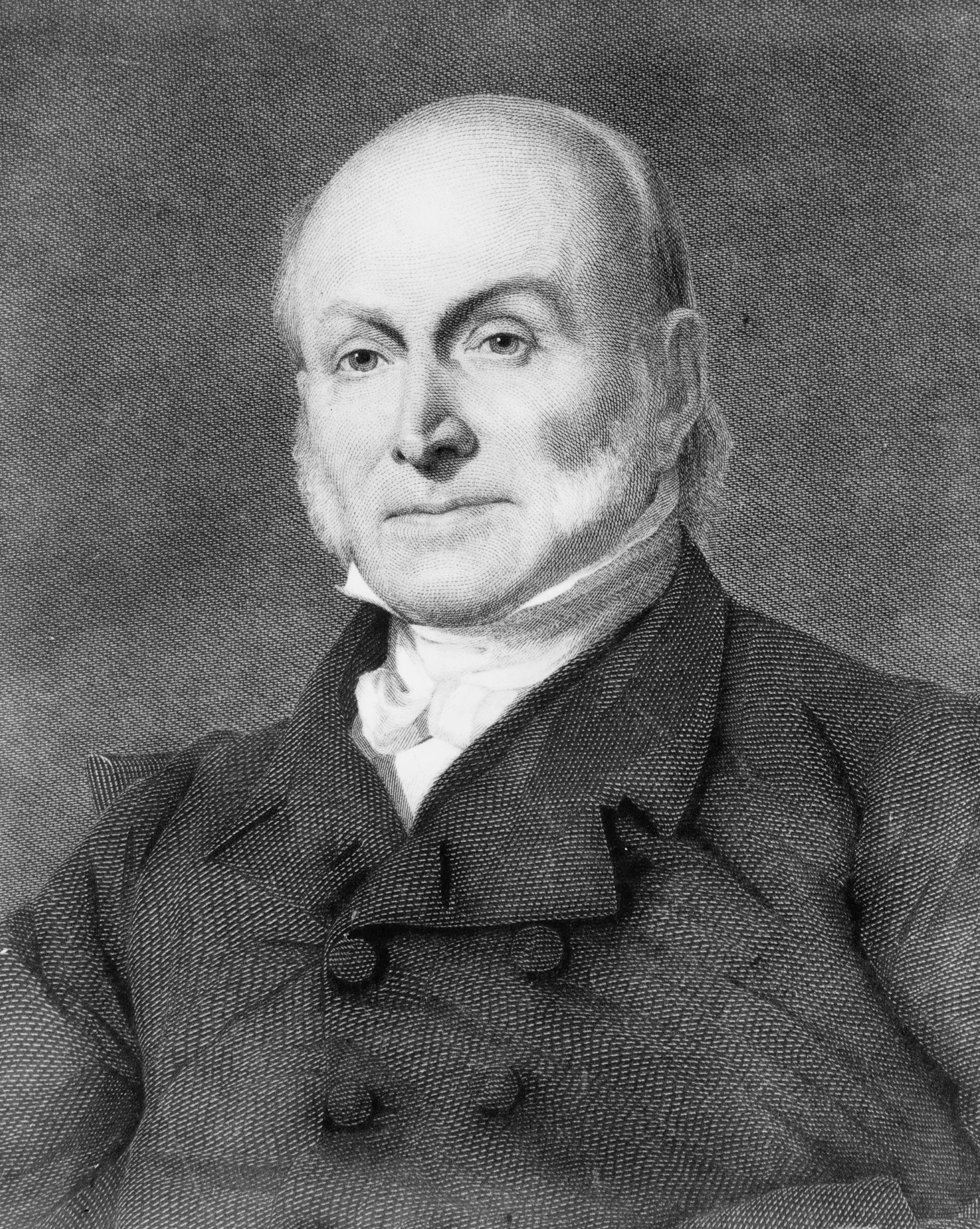
Portrait of Founding Father, Bro. Francis Lewis (Library of Congress)
The history of Freemasonry in Queens is not only the history of lodges and buildings. It is also the history of the people who joined them. Some members were public figures, entertainers, professionals, civic leaders, or well-known local residents. Others mattered because of the role they played within their communities and within the life of their lodges.
This page introduces the subject of notable Freemasons connected to Queens and explores how biography can deepen our understanding of local Masonic history.
Why Notable Members Matter
Institutions are remembered through people. While charter dates and lodge buildings are important, membership gives them human meaning. A notable member can help connect lodge history to wider public history, whether through entertainment, business, politics, law, religion, military service, or civic leadership.
Studying notable Freemasons of Queens also helps bring local history to life. It shows how fraternal identity existed alongside public careers and neighborhood life.
Public Figures and Local Institutions
One of the most interesting features of Masonic history is the way well-known public figures intersect with very local institutions. A person may be famous nationally while also belonging to a specific lodge rooted in a specific part of Queens.
That connection works in both directions. The biography becomes richer when linked to lodge life, and the lodge becomes more visible when connected to a recognizable public figure.
Don Rickles and Geba Lodge No. 954
A strong example is Don Rickles and his connection to Geba Lodge No. 954 in Jackson Heights. This link adds a valuable biographical dimension to the history of the lodge while also showing how Masonic membership formed part of the social world of mid-century Queens.
Readers interested in this connection can continue to:
Notability Beyond Celebrity
Not all notable members were celebrities. In many cases, the most historically important figures were local leaders: men active in business, law, neighborhood institutions, veterans’ organizations, charity, or civic improvement. Some may be remembered today only in local records, lodge histories, or newspaper accounts.
This broader definition of “notable” is essential for Queens history. It allows the site to document not only famous names, but also people who mattered in the life of the borough itself.
Biography as a Way Into Queens Masonic History
Biographical research can help answer larger historical questions: Who joined Masonic lodges in Queens? What kinds of professions and public roles did they hold? How did lodge membership intersect with neighborhood identity? How did public reputation and fraternal life reinforce one another?
These questions make biography one of the most useful ways to interpret Freemasonry in local context.
Lodges, Members, and Public Memory
A notable Freemason should never be separated entirely from his lodge. Membership mattered because it was institutional, not just personal. A person joined a particular lodge, in a particular place, at a particular time. That local connection is what makes Queens Masonic biography historically meaningful.
For that reason, member biographies on this site should connect closely to lodge histories and neighborhood histories.
Future Biographical Research
As this section of the site grows, it can include:
- entertainers and performers
- civic leaders
- attorneys and judges
- business figures
- military veterans
- local officeholders
- influential lodge officers
- philanthropically active members
Over time, this will create a richer picture of the human side of Freemasonry in Queens.
Explore Notable Freemasons of Queens
Start with:
- Don Rickles, Freemasonry, and Geba Lodge No. 954
- Geba Lodge No. 954
- Freemasonry in Queens
- History of Masonic Lodges in Queens
The story of notable Freemasons of Queens is really the story of how individual lives intersected with enduring local institutions. By tracing those connections, we gain a more human understanding of the borough’s Masonic past and a clearer sense of how lodges fit into the wider public life of Queens.
