Masonic Buildings in Queens: Temples, Lodge Rooms, and Lost Meeting Places
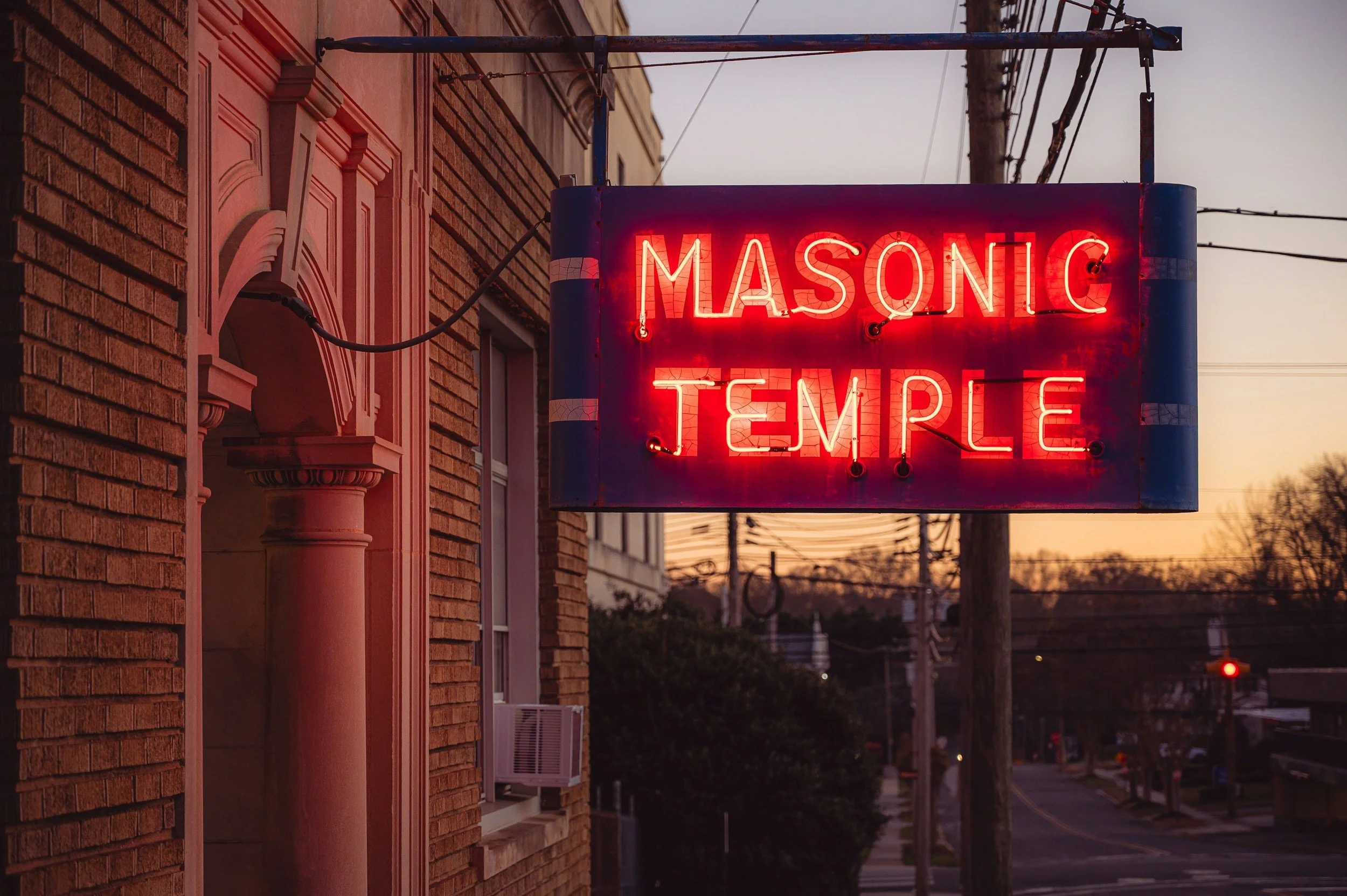
Buildings preserve history in a way records alone cannot. The history of Masonic buildings in Queens is about more than architecture. It is about the places where lodges met, traditions were maintained, charity was organized, and neighborhood institutions took physical form.
This page explores the built history of Freemasonry in Queens, from temple buildings and lodge rooms to lost meeting places whose importance survives through local research and memory.
Why Masonic Buildings Matter
Freemasonry has always depended on place. However important ritual, instruction, and tradition may be, they all require rooms in which to be practiced and passed on. Masonic buildings gave lodges visibility, permanence, and a stable presence within their communities.
Some were large, purpose-built temples. Others were modest rooms in mixed-use buildings, shared halls, or upper floors. All of them mattered because they anchored institutional life in the physical landscape of the borough.
Types of Masonic Meeting Places in Queens
Not every Masonic building was a formal temple. In Queens, meeting places could include:
- dedicated temple buildings
- lodge rooms
- rented halls
- shared institutional spaces
- upper floors in commercial blocks
- buildings later lost, demolished, or repurposed
This variety is important. It reminds us that Masonic history in Queens was not limited to landmark structures. It also lived in ordinary spaces that served extraordinary institutional roles.
Masonic Buildings and the Growth of Queens
Queens developed through towns, villages, industrial districts, streetcar corridors, and planned residential neighborhoods. Masonic buildings followed these patterns. Where communities grew and institutions took shape, lodges found or created places to meet.
That makes Masonic buildings useful not only for fraternal history, but for neighborhood history. They help show where institutional life took root and how lodges became part of the borough’s changing urban fabric.
Long Island City and the Masonic Landscape of Western Queens
One of the most important places for this history is Long Island City. Created in 1870 from several western Queens communities, Long Island City became a major center of urban and industrial development.
The Long Island City temple and the history of Island City Lodge No. 586 provide a valuable example of how Masonic life became part of that setting. In western Queens, fraternal institutions developed alongside railroads, industry, riverfront growth, and neighborhood consolidation. Masonic buildings in this region belonged to that larger transformation.
Flushing, Newtown, Elmhurst, and Other Queens Communities
The story of Masonic buildings in Queens does not belong only to Long Island City. Flushing, Newtown, Elmhurst, Jackson Heights, and other neighborhoods each offer different historical contexts.
In Flushing, Masonic life belongs to one of the borough’s oldest communities. In Newtown and Elmhurst, it reflects continuity through major neighborhood change. In Jackson Heights and modern Queens districts, it shows the adaptation of fraternal institutions to newer urban settings.
As more building-specific research is added, this page can serve as a borough-wide guide to those places.
Lost Buildings and Vanished Meeting Places
Many historically important Masonic sites in Queens no longer survive in their original form. Some buildings were demolished. Others were altered, sold, or reused for entirely different purposes. In many cases, only fragments of their history remain in newspapers, directories, photographs, lodge records, and local memory.
That makes this subject especially important. To document lost buildings is to recover part of Queens history that might otherwise disappear completely.
Architecture, Use, and Institutional Identity
Masonic buildings can also tell us how lodges presented themselves. Some structures projected permanence and visibility. Others were more modest and practical. But even the simplest meeting place reflected institutional needs: privacy, order, continuity, ceremony, and fellowship.
The meaning of a Masonic building therefore lies not only in style, but in use. These were working institutional spaces, shaped as much by ritual and community life as by architecture.
Why This History Matters
Masonic buildings are part of the broader built history of Queens. They belong alongside churches, synagogues, schools, theaters, civic halls, and club buildings as sites where organized social life took shape.
By studying them, we learn not only about Freemasonry, but about how communities in Queens created institutions, occupied urban space, and left lasting marks on the borough’s landscape.
Explore Masonic Buildings and Related Histories
To continue exploring this subject, see:
- Island City Lodge No. 586 and the Long Island City temple
- Mizpah Lodge No. 738
- Service Lodge No. 1009
- Geba Lodge No. 954
- Long Island City history
- Hunter’s Point history
- Dutch Kills history
- Ravenswood history
- Blissville history
The history of Masonic buildings in Queens is a history of place, memory, and institutional life. Whether preserved, altered, or lost, these meeting places help tell the story of how Freemasonry became part of the borough’s physical and historical landscape. Documenting them is one of the clearest ways to connect Masonic history with the wider history of Queens.