The History of Masonic Lodges in Queens
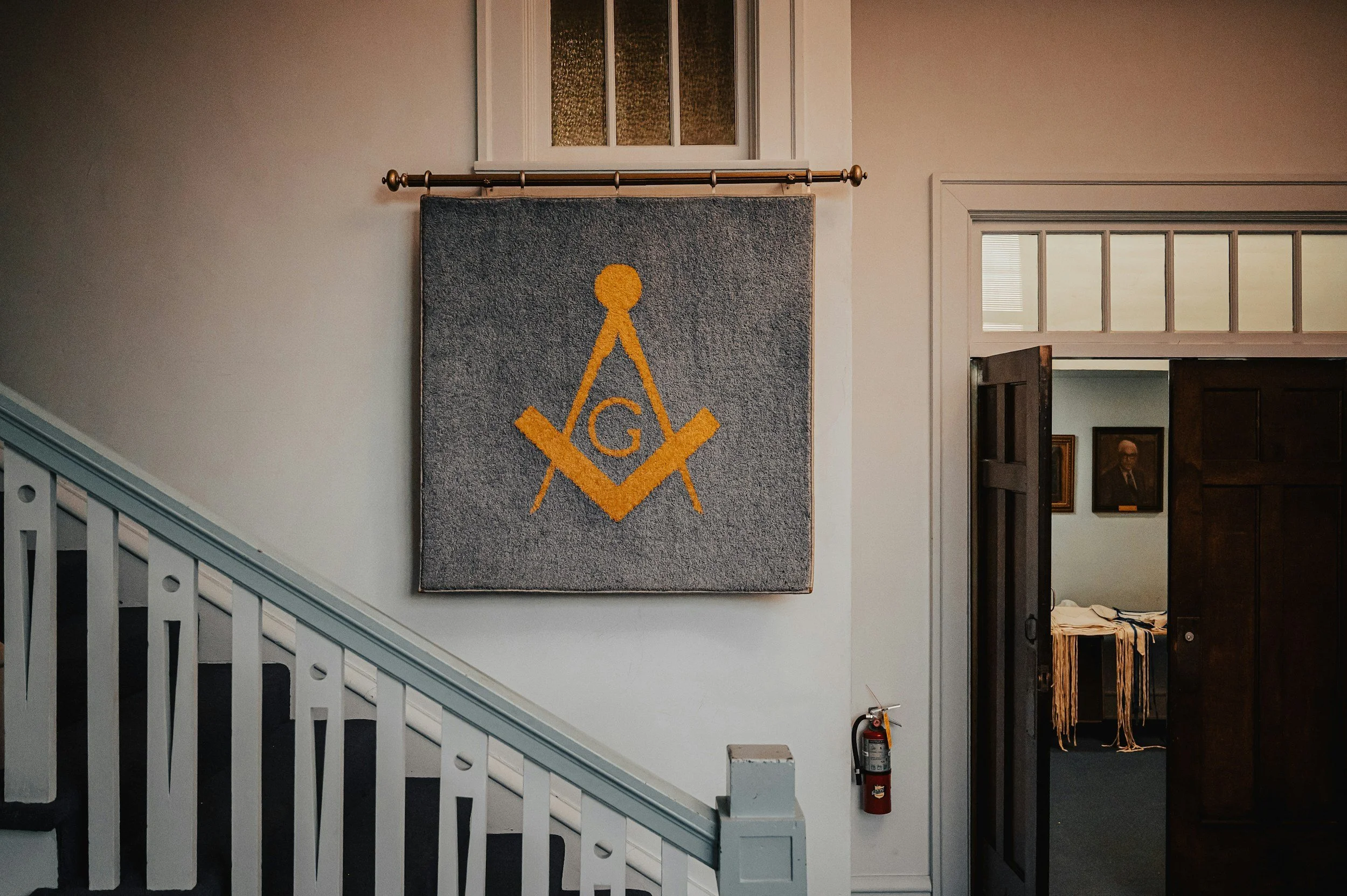
The history of Masonic lodges in Queens is closely tied to the history of the borough itself. As towns developed, neighborhoods expanded, and new communities emerged, Masonic lodges took root as local institutions. They offered structure, fellowship, continuity, and charity, while also reflecting the character of the places in which they were formed.
This page traces the development of lodges across Queens and provides a starting point for understanding how they grew, changed, and endured over time.
What Is a Masonic Lodge?
A Masonic lodge is more than a building or a social club. It is a chartered institution with officers, traditions, records, ceremonial work, and a continuing identity. Lodges may change locations, adapt to new circumstances, or merge over time, but they preserve continuity through shared ritual and institutional memory.
That makes them especially valuable for historical study. To follow the history of a lodge is to follow a long-standing local institution through the changing life of a neighborhood.
How Lodges Developed in Queens
Queens developed unevenly. Some communities, such as Flushing and Newtown, have deep colonial roots. Others, especially in western Queens, grew rapidly during the nineteenth century through industrialization, transportation, and urban expansion. Later neighborhoods such as Jackson Heights belonged to a newer stage of borough history.
Masonic lodges developed within these different local settings. Some reflected old town identity and civic continuity. Others arose in newer districts shaped by modern growth. Together, they show how Freemasonry adapted to the changing geography of Queens.
Lodge History in Flushing
Flushing is one of the oldest and most historically important communities in Queens. Its long civic history makes it an important place for understanding the development of institutions in the borough.
Service Lodge No. 1009 provides a strong example of Masonic life in Flushing. Its story helps show how lodge history could intersect with local charity, continuity, and neighborhood identity in one of Queens’ most enduring historic communities.
Lodge History in Newtown and Elmhurst
Newtown and Elmhurst form another important setting in the history of Queens Masonry. These communities preserve older layers of borough history while also reflecting major demographic and urban change.
Mizpah Lodge No. 738 helps illustrate this continuity. Its history shows how a lodge could remain rooted in a place even as the surrounding neighborhood changed significantly over time.
Lodge History in Long Island City and Western Queens
The development of Long Island City changed the history of western Queens. Created in 1870 from several communities, Long Island City became one of the borough’s major urban and industrial centers.
Masonic lodge history in this region belongs to that larger story. Island City Lodge No. 586 is especially important because it connects lodge life to the rise of Long Island City and to the wider institutional development of western Queens.
Lodge History in Jackson Heights and Modern Queens
Queens lodge history did not end with the older towns or the industrial nineteenth century. As newer neighborhoods developed, Masonic life adapted to modern borough conditions.
Geba Lodge No. 954 reflects this later stage in Queens history. Its association with Jackson Heights and modern Queens shows how lodge institutions continued to evolve while retaining their historical forms and traditions.
Continuity, Change, and Lodge Identity
One of the most important themes in Queens lodge history is continuity through change. Neighborhoods change. Membership changes. Buildings are moved, sold, or lost. Institutions reorganize. Yet lodges often preserve identity across all of these transitions.
This is one reason their history matters. A lodge can outlast a particular address, a local building, or a specific generation of members. It becomes a carrier of institutional memory within a changing borough.
Mergers, Successions, and Institutional Development
Like many long-lived organizations, Masonic lodges sometimes change through consolidation, succession, or reorganization. These developments are not signs that history ended. They are part of the history.
Advance Service Mizpah Lodge provides an example of how institutional continuity can be preserved even as organizational structures shift. Stories like this help explain how Queens Masonry remained active across different eras.
Why the History of Queens Lodges Matters
The lodges of Queens are historically important because they reveal how fraternal institutions functioned in local life. They were places of ritual and tradition, but also of charity, leadership, social connection, and continuity. Their histories open a window into how men in Queens built durable civic and moral institutions within changing communities.
They also help connect local history to wider histories of Freemasonry, fraternal culture, and urban development in New York.
Explore the Lodges of Queens
For more detailed histories, continue to:
- Mizpah Lodge No. 738
- Service Lodge No. 1009
- Geba Lodge No. 954
- Island City Lodge No. 586
- Advance Service Mizpah Lodge
The history of Masonic lodges in Queens is the history of institutions built to endure. From older towns such as Flushing and Newtown to newer urban and residential communities, lodges helped create continuity in a borough shaped by constant change. Their stories deserve a central place in the historical study of Queens.
