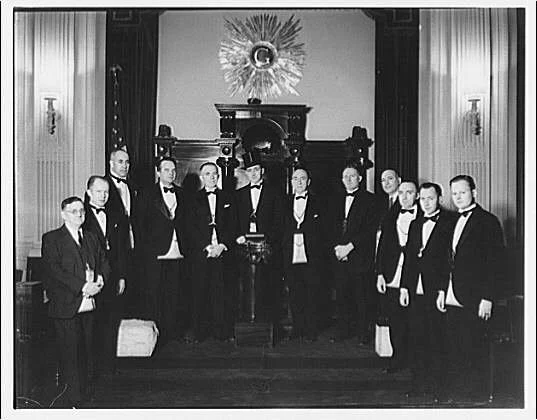
Stop Blaming the Egregore
If a Lodge wants a healthier inner life, it cannot wait for invisible forces to fix what the brethren refuse to address. This essay turns practical, showing how ritual, governance, correction, discipline, and honest participation shape the real atmosphere of the Lodge.
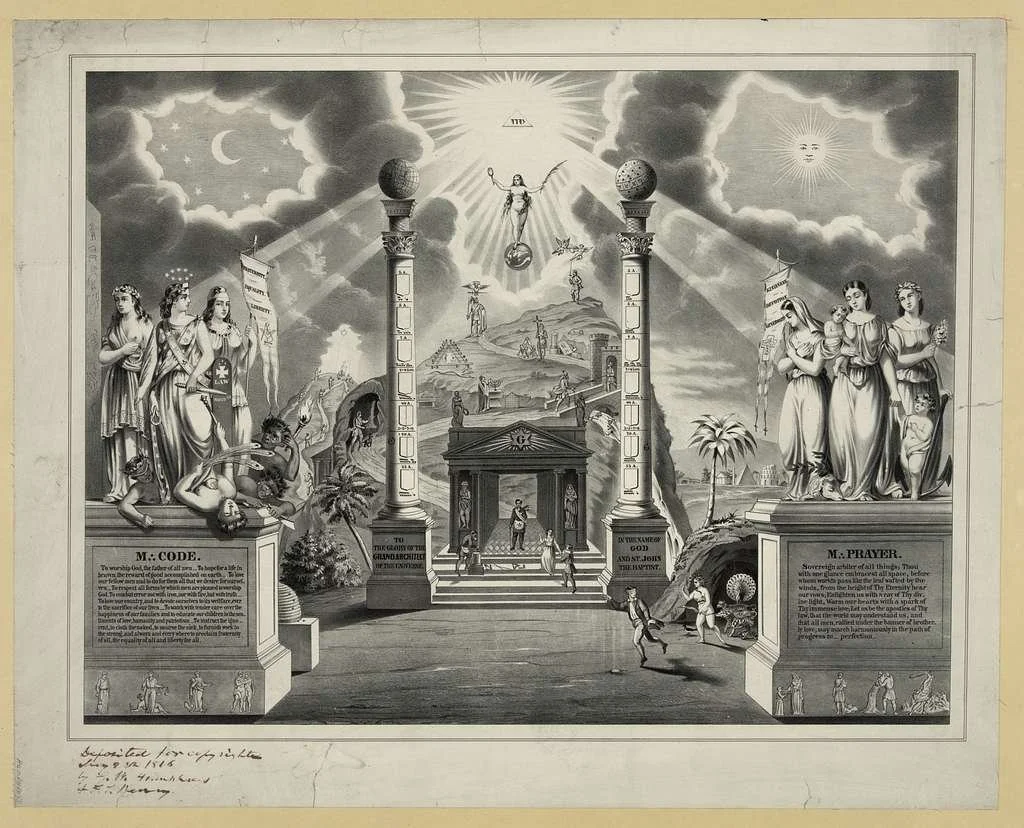
The Lodge Mind
This essay applies the concept of the egregore directly to Lodge life, arguing that a Lodge’s inner atmosphere is not automatically healthy, wise, or self-correcting. It becomes what the brethren repeatedly feed through ritual, conduct, discipline, avoidance, and aspiration.
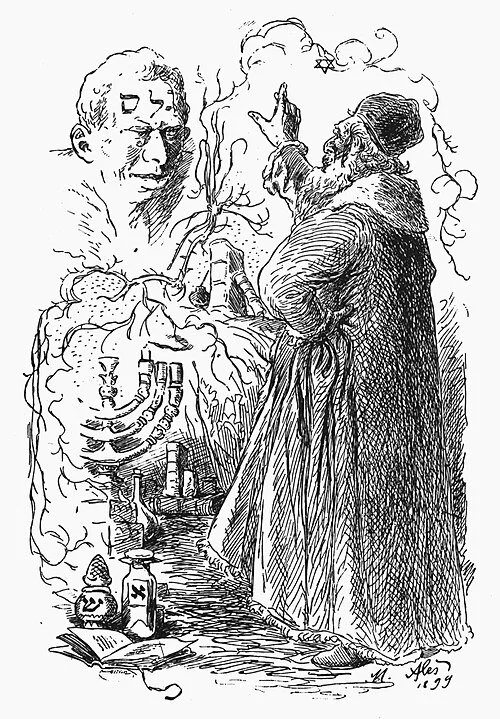
What an Egregore Really Is
What is an egregore? This essay introduces the old occult term and shows why it still matters today, offering a clear framework for understanding how shared symbols, beliefs, attention, and ritual create powerful collective forces in religion, politics, branding, and institutions.
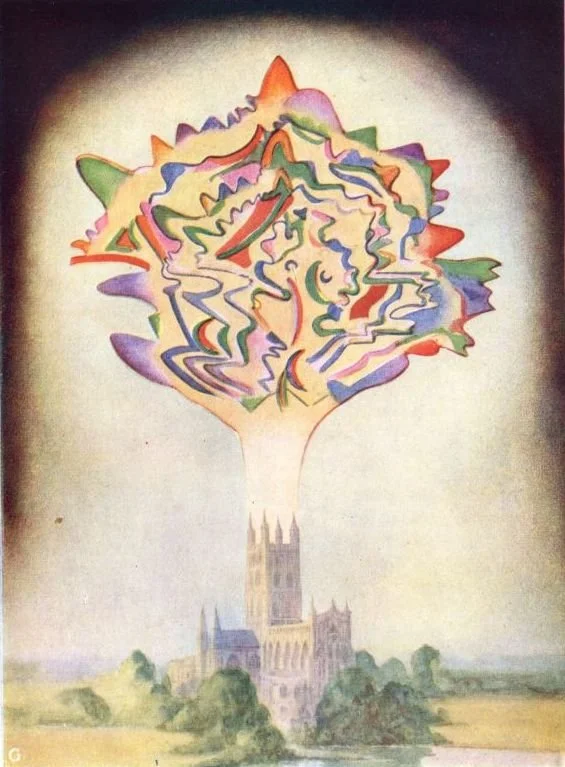
The Lodge, the Thoughtform, and the Work
This three-part series explores the concept of the egregore across occultism, psychology, religion, and social life, then applies it directly to Freemasonry and the question of how a Lodge’s inner atmosphere is actually formed, sustained, corrupted, or renewed.
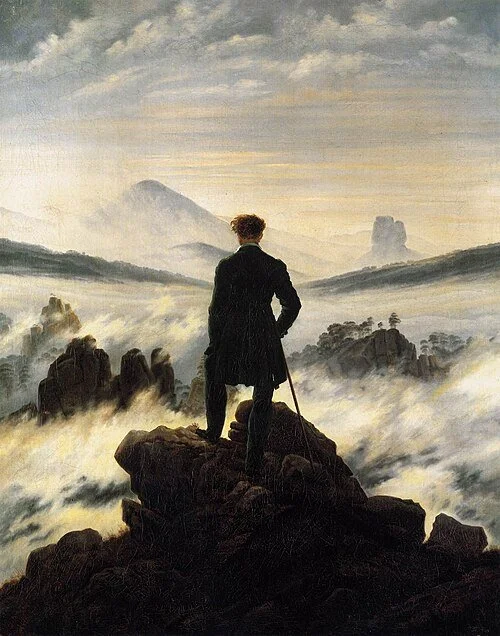
The Work of Becoming Unavailable to the Crowd
The goal is not theatrical nonconformity, but inward substance: becoming the kind of person who cannot be easily absorbed by fashion, fear, vanity, or managed opinion.
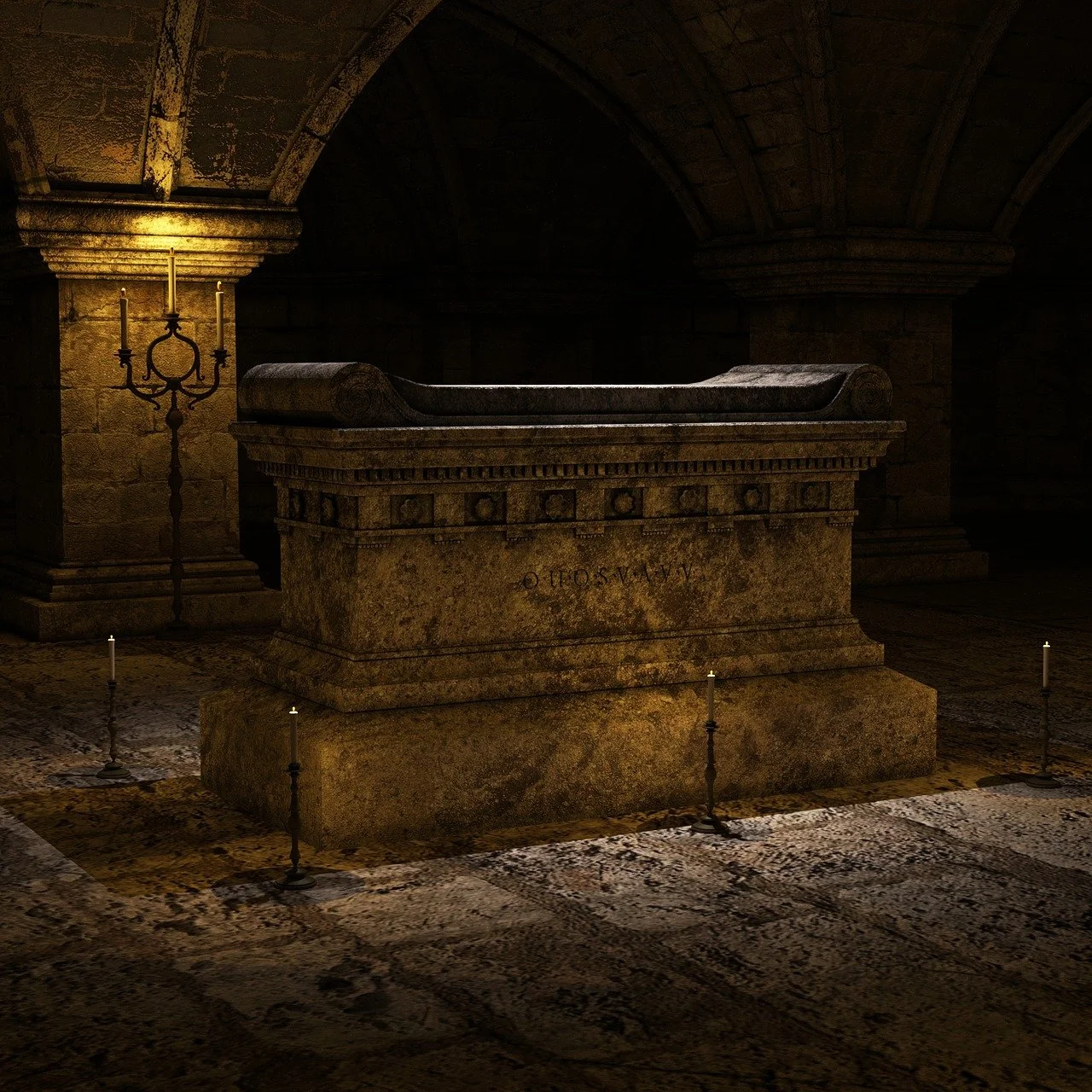
Solitude, Silence, and the Inner Chamber
A man who cannot endure silence will eventually be governed by noise. Solitude is not withdrawal from responsibility but one of its necessary conditions.
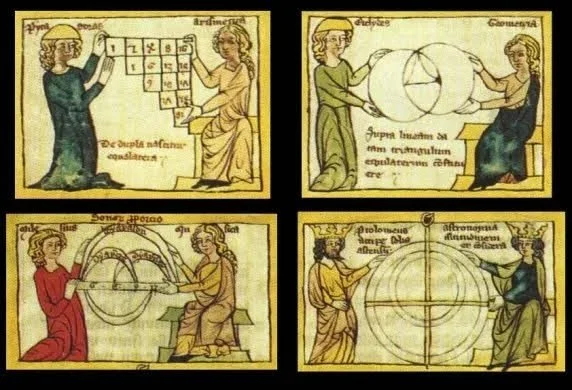
The Quadrivium and the Recovery of Order
The mathematical arts train the mind in number, proportion, harmony, and measure — reminding us that reality does not bend to appetite, fashion, or opinion.
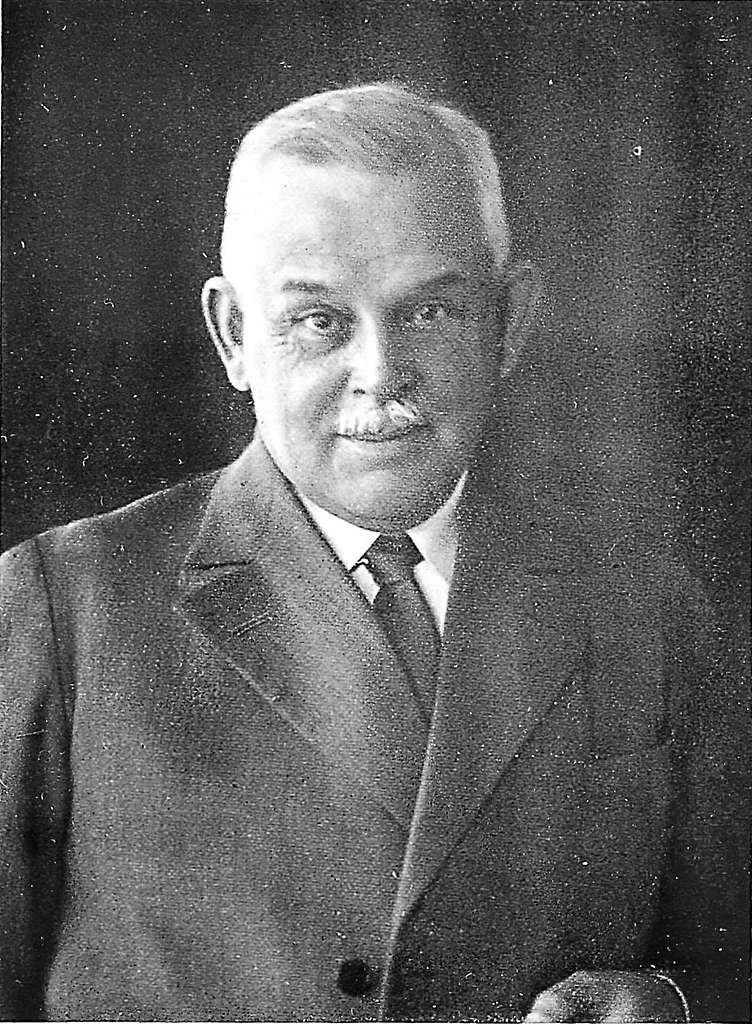
Bonhoeffer and the Problem of Stupidity
Stupidity is dangerous not because it is mere ignorance, but because it can make a person resistant to evidence, correction, and reality itself.

Hannah Arendt and the Banality of Evil
Evil is not always dramatic. Sometimes it grows through thoughtlessness, cliché, and the failure to judge what one is doing or allowing to be done.
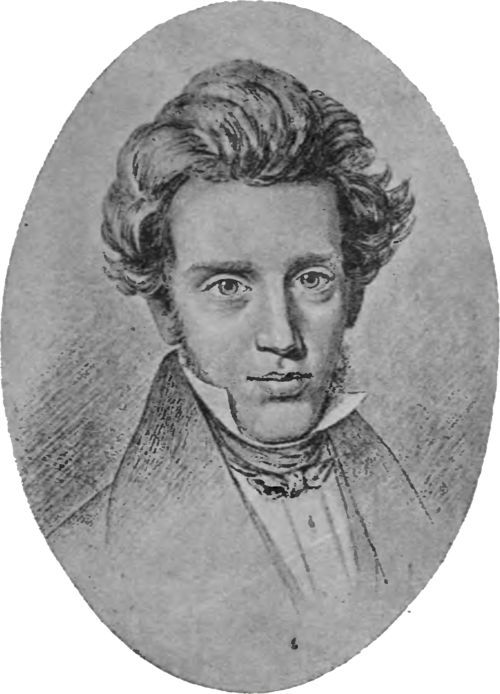
Kierkegaard and the Untruth of the Crowd
The crowd becomes dangerous when it dissolves responsibility. What everyone thinks and says can become a refuge from the burden of becoming a self.
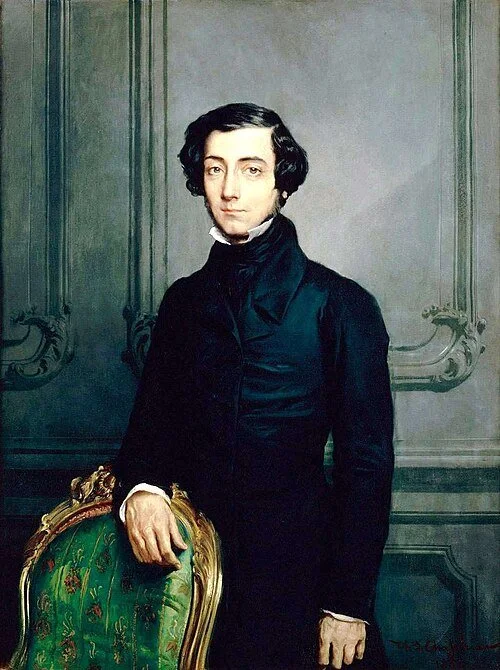
Tocqueville and the Soft Despotism of the Crowd
Tyranny does not always arrive through open force. Sometimes it works through social pressure, dependency, conformity, and the quiet fear of standing alone.
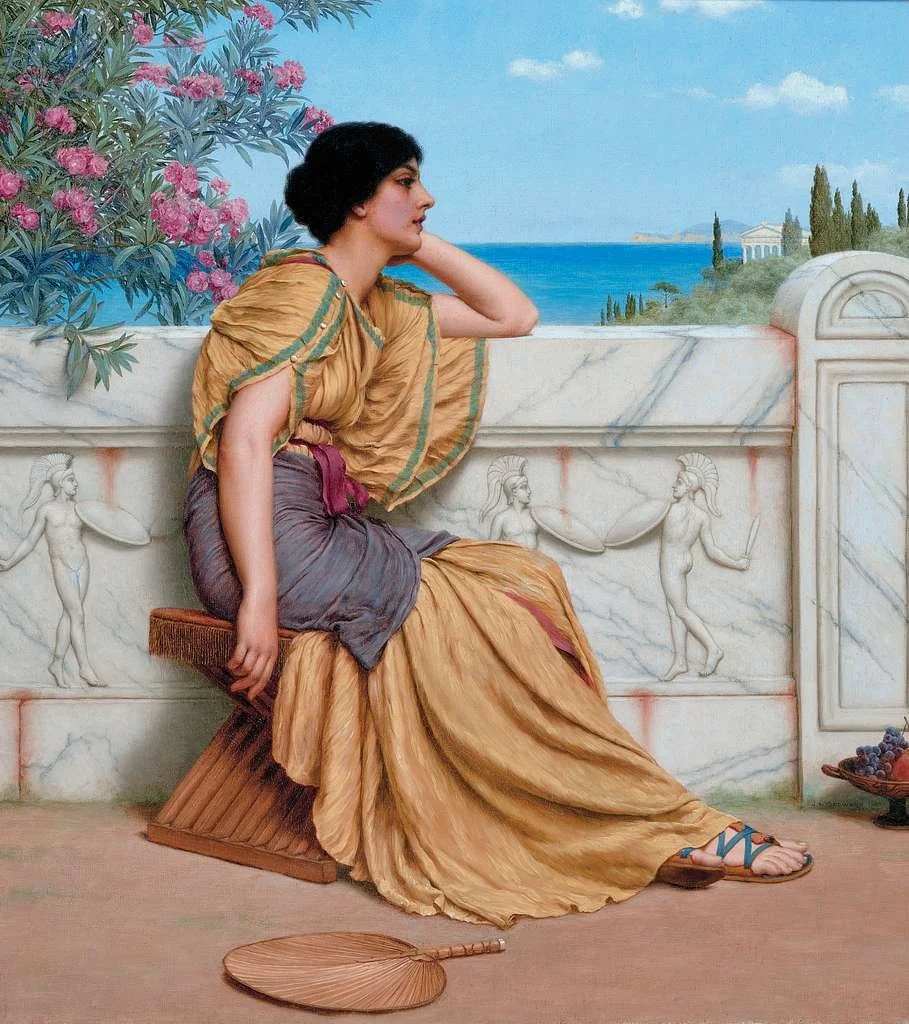
Leisure Is Not Idleness
Leisure is not laziness or distraction. It is the inward freedom that makes contemplation, study, friendship, worship, and serious thought possible.
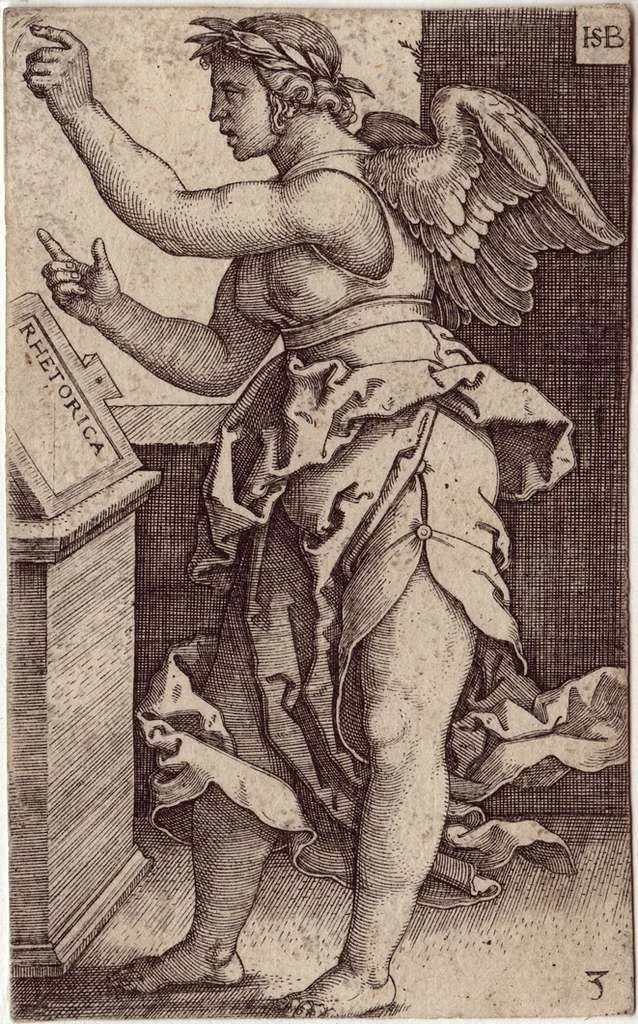
Rhetoric and the Responsible Tongue
Rhetoric can manipulate, but it can also discipline speech. The real question is whether persuasion is being used carelessly, theatrically, or in the service of truth.
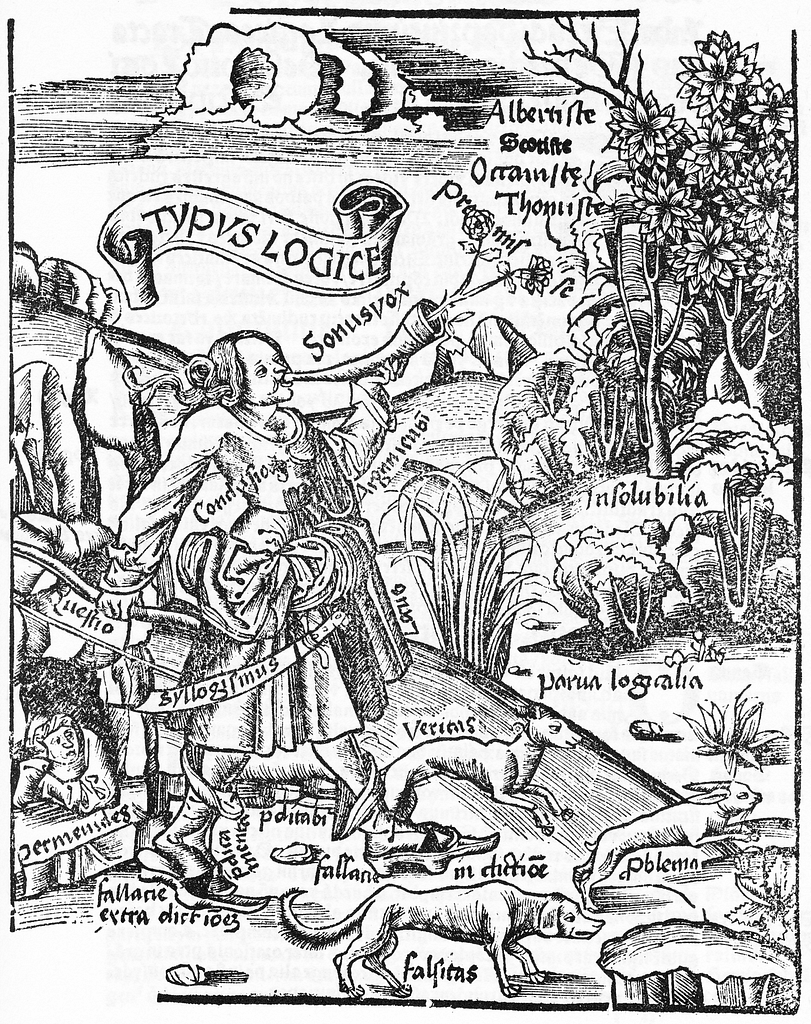
Logic Against the Lie
Logic does not make a man wise by itself, but it does make him harder to deceive, harder to manipulate, and less likely to confuse forceful assertion with truth.
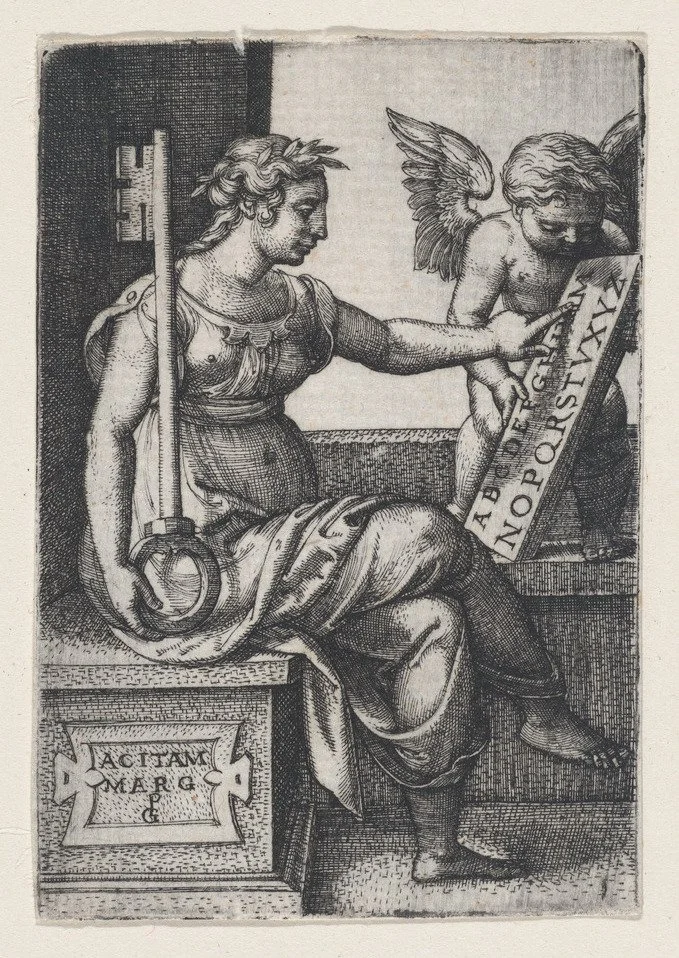
Grammar and the Moral Life
Grammar is more than correctness. It trains verbal honesty, close attention, and the kind of linguistic discipline without which clear thought and moral seriousness begin to erode.
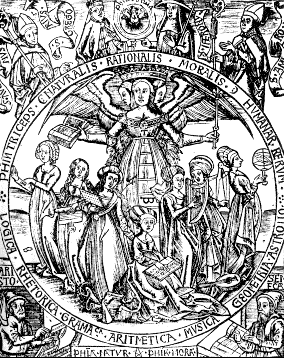
What the Liberal Arts Are For
Why the liberal arts were meant to form a free person — one capable of judgment, self-command, and truthfulness — rather than merely produce credentials or cultural polish.
The Liberal Mind and the Crowd
A twelve-part essay series on liberal education, inward freedom, and the Masonic work of becoming a man who can think clearly, judge honestly, and resist the pressures of the crowd.
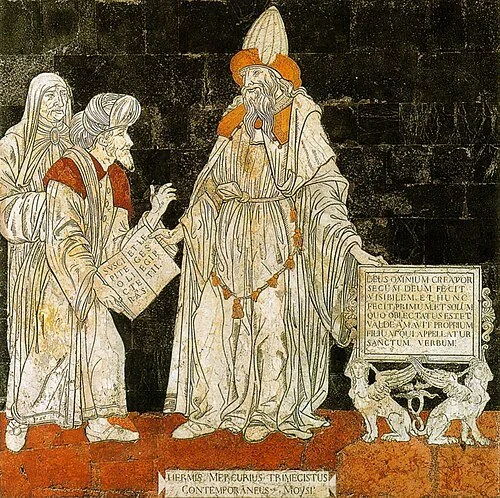
The Work of Translation
Hermes does not teach that every road is the same. He teaches that every serious crossing requires a guide, a language, and the humility to know that one has not arrived.
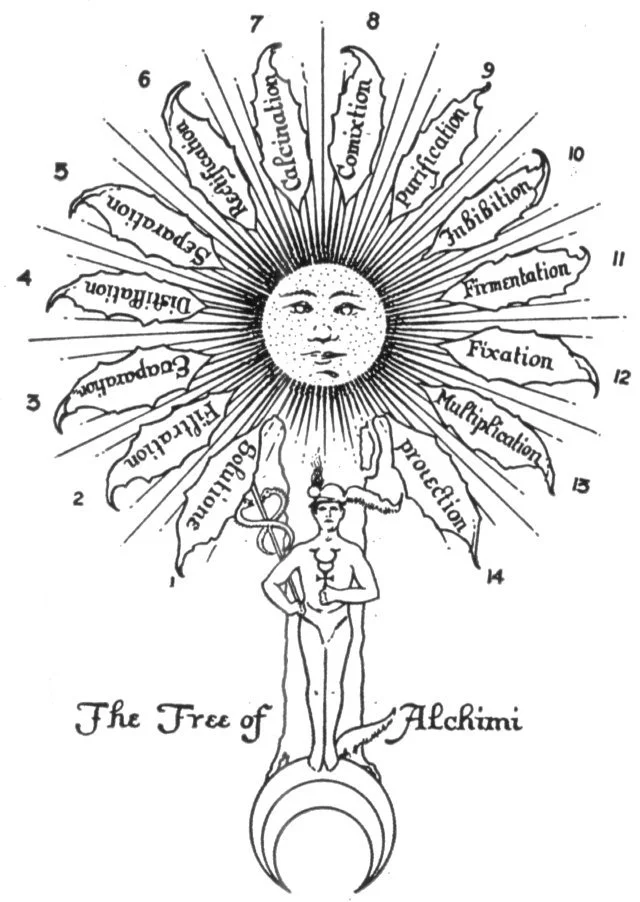
The Tree, the Ladder, the Road, and the Labyrinth
A symbolic map does not tell us where the soul lives. It gives the soul a way to imagine where it must travel.
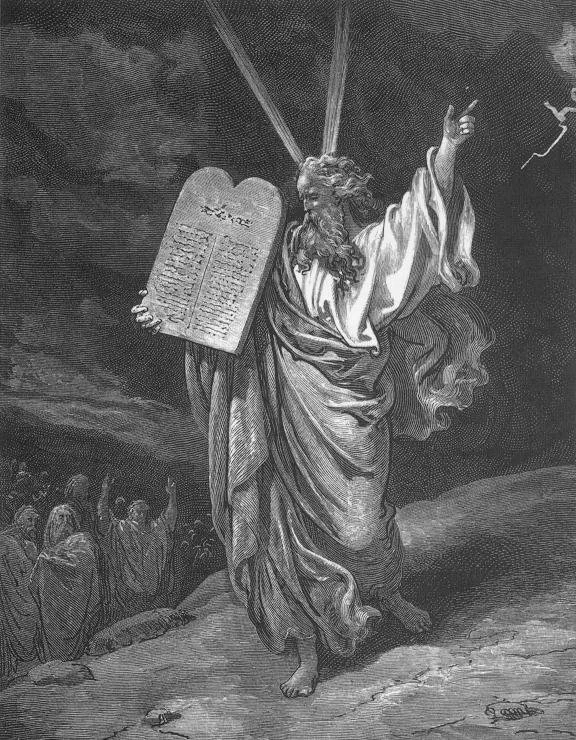
Hermes, Moses, and the Danger of Easy Universalism
Similarity is not proof that traditions are secretly identical. It is evidence that human beings keep encountering the same difficult questions.