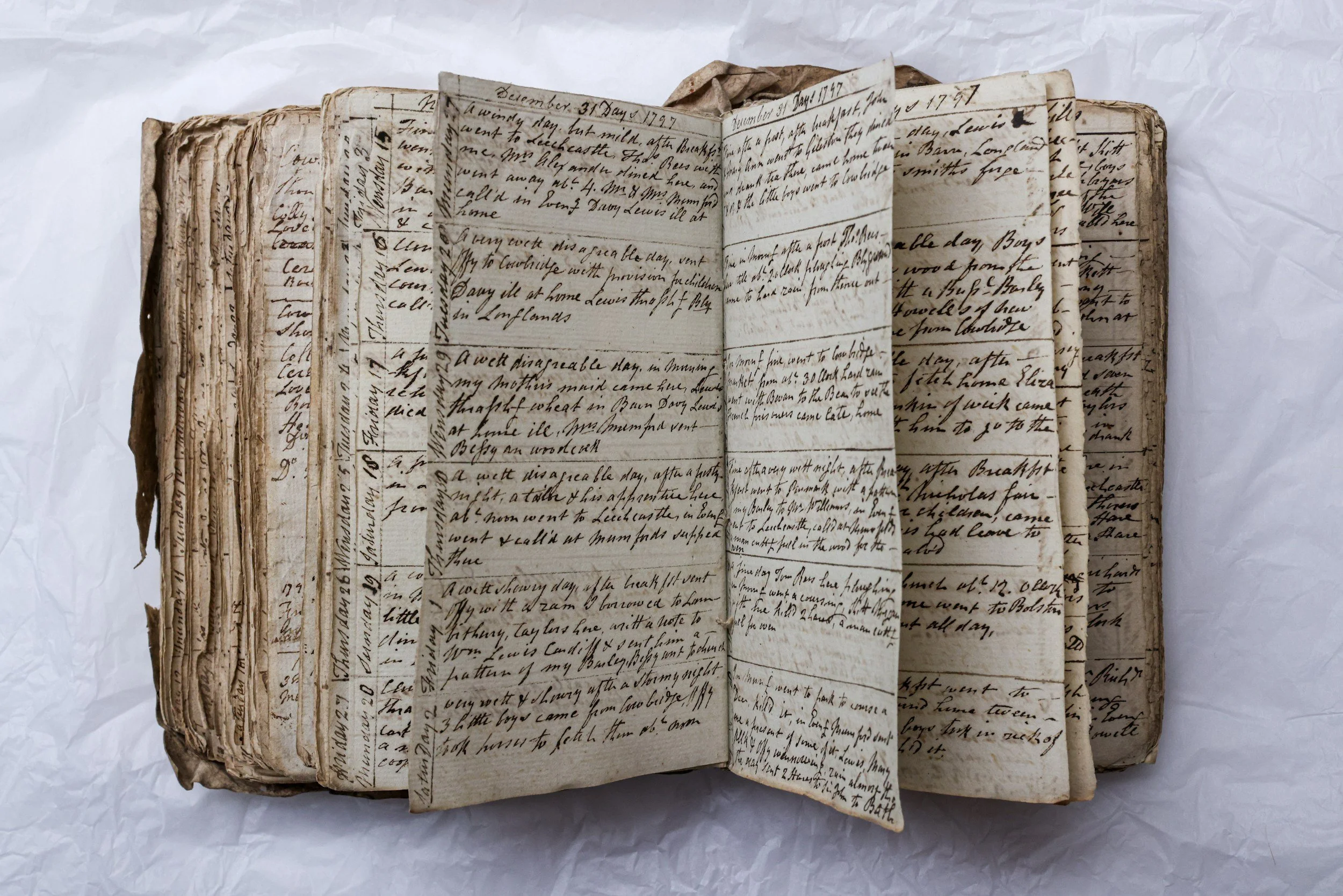
Benjamin Franklin, Commonplace Books, and the Discipline of Keeping Useful Notes
This essay explores commonplace books, note-keeping, and Benjamin Franklin’s larger habits of self-education, reading, and written discipline.
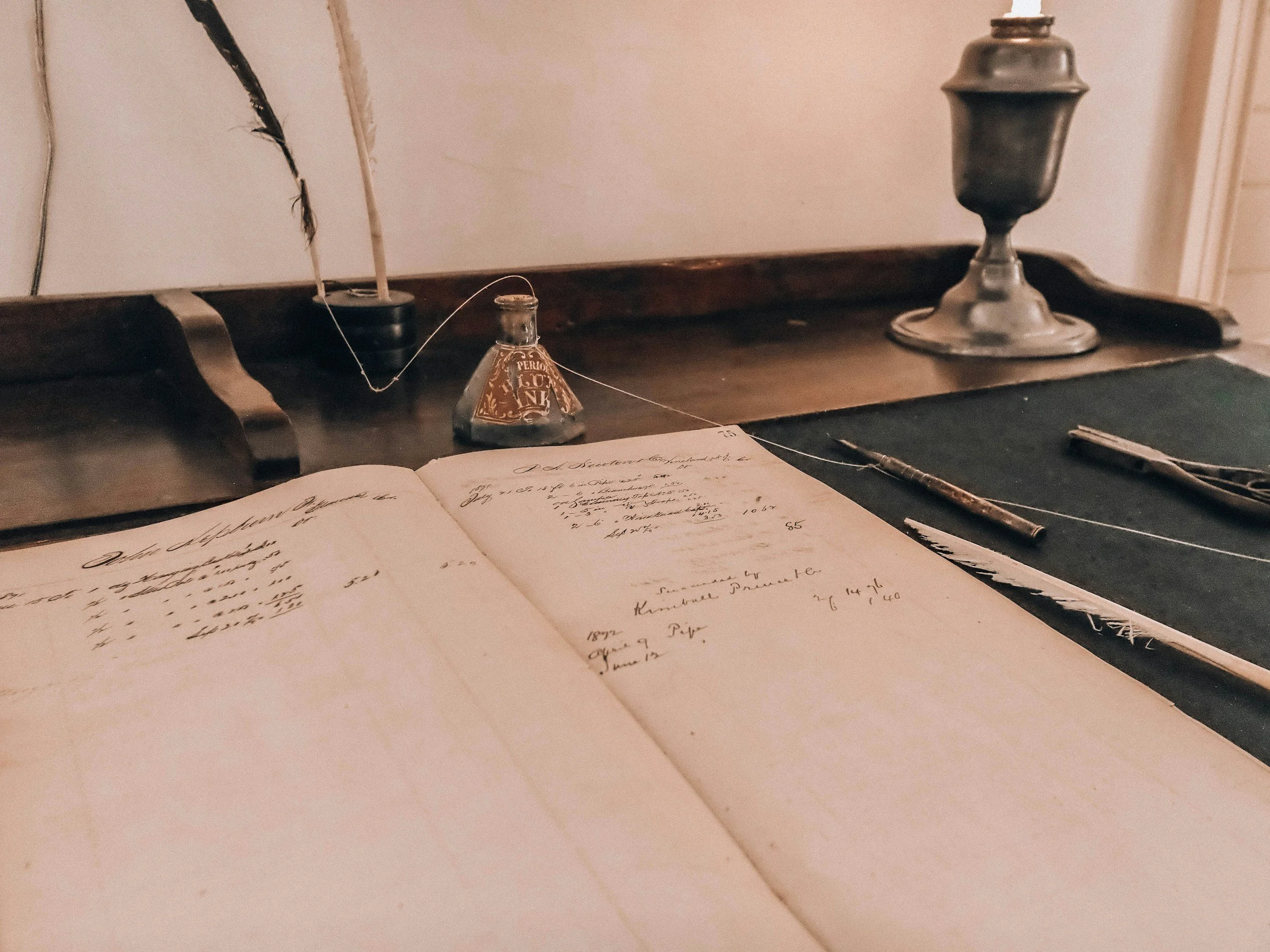
Benjamin Franklin’s Daily Routine: Journaling, Virtue Tracking, and Self-Improvement
Benjamin Franklin built self-improvement through routine, virtue tracking, and written review. His method still offers a practical model for daily discipline.
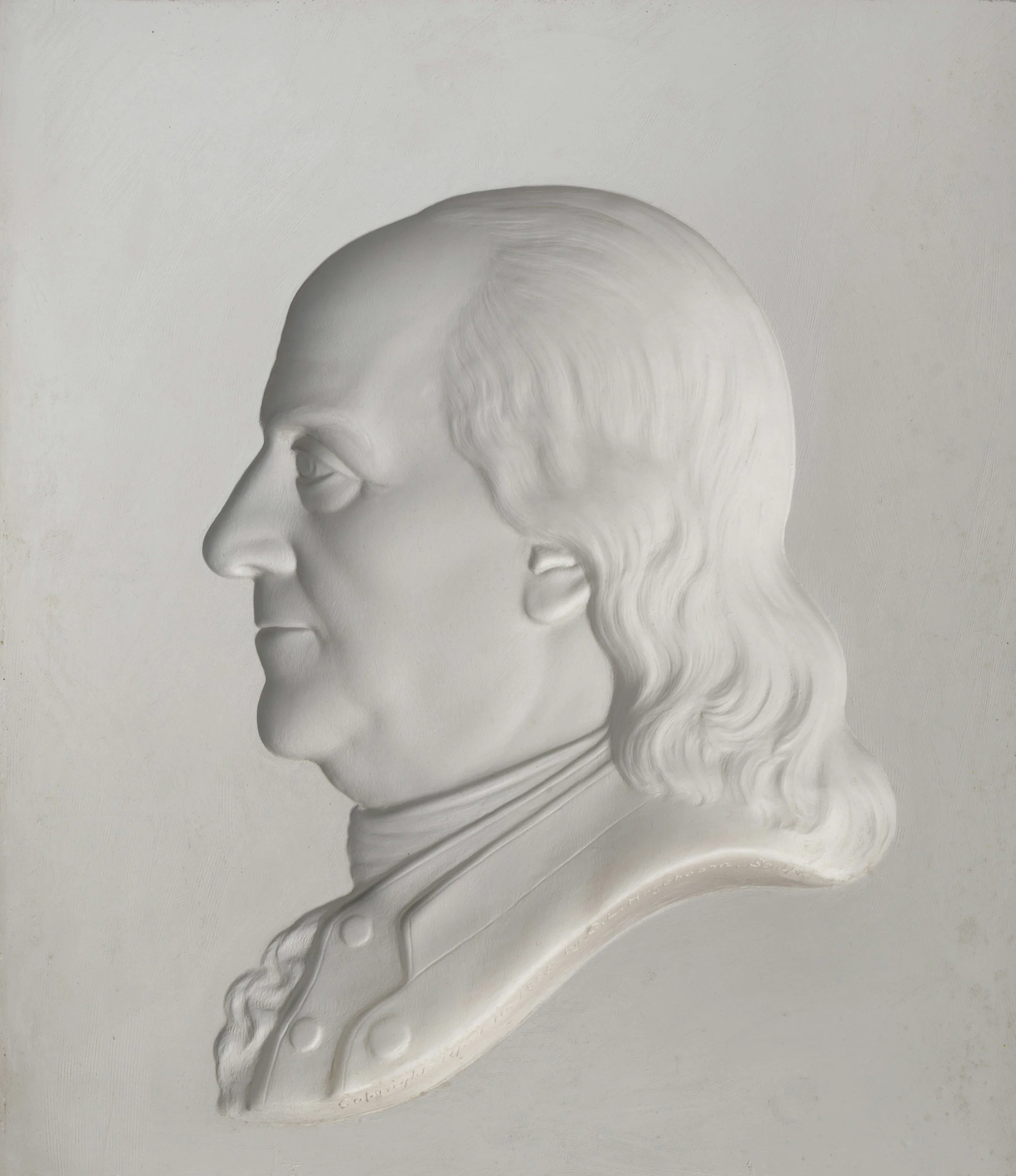
Benjamin Franklin’s Self-Education and the Discipline of Learning for Yourself
Franklin had little formal education, but he built a powerful system of self-education through reading, writing, imitation, and disciplined practice.

The Twenty-Four-Inch Gauge, Benjamin Franklin, and the Problem of Time
What can an old measuring tool teach us about time? This essay connects the twenty-four-inch gauge, Benjamin Franklin’s schedule, and journaling as tools for order and self-examination.
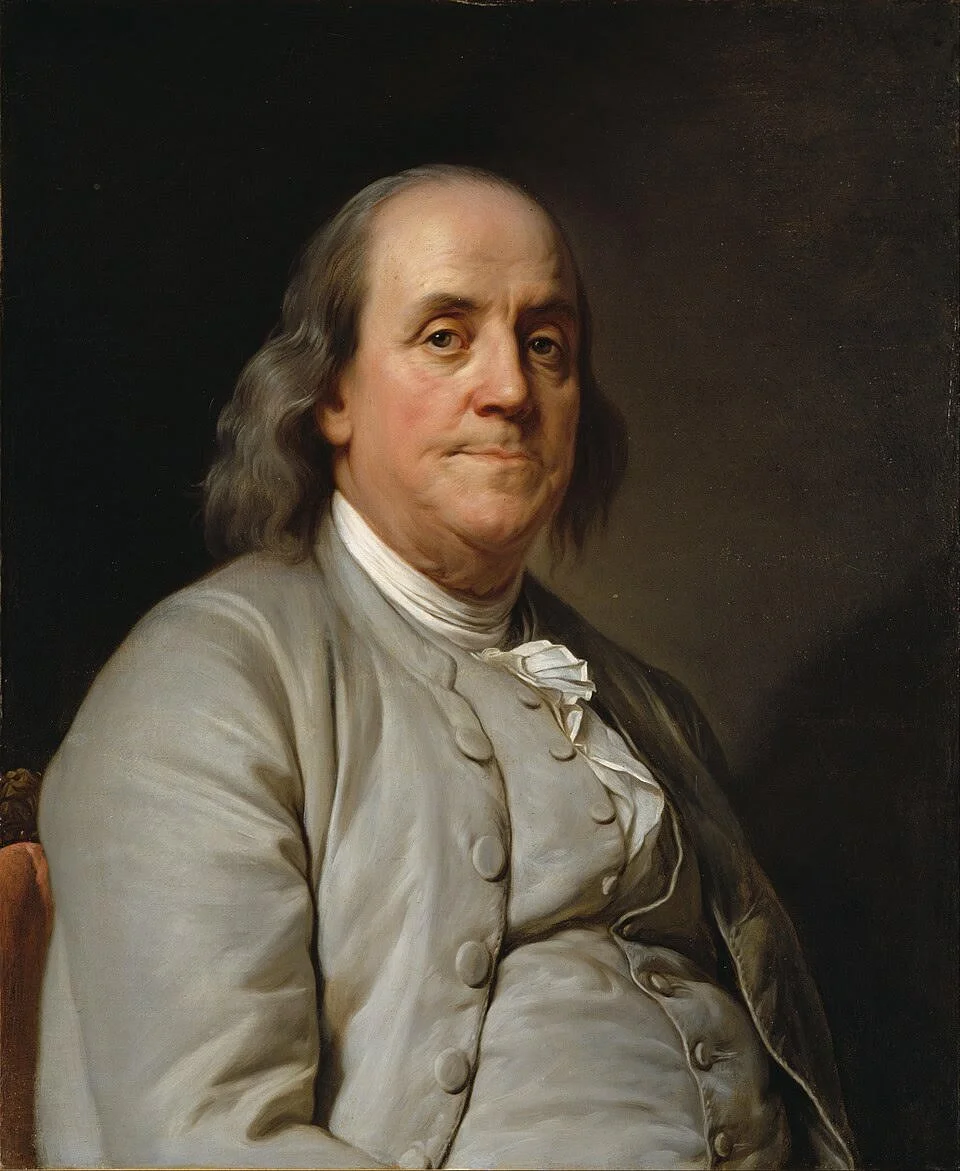
Benjamin Franklin, Journaling, Time, and Self-Education
A hub essay connecting Benjamin Franklin’s daily routine, virtue tracking, journaling, and methods of self-education into one practical framework.
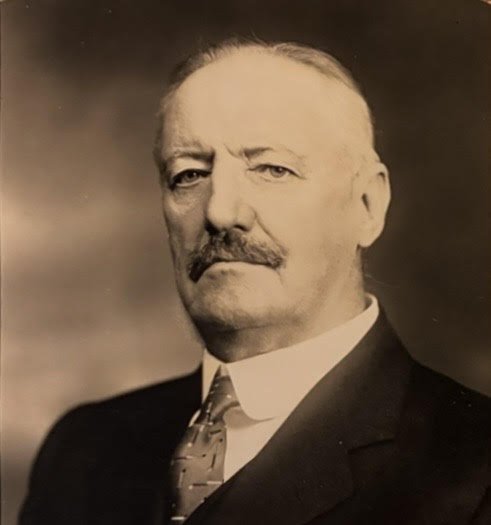
Brother John Anderson Leach of Advance Lodge No. 635
Brother John Anderson Leach of Advance Lodge No. 635 rose from Astoria lawyer to magistrate, civic leader, and senior police official, building a life defined by service, leadership, and Masonic distinction.
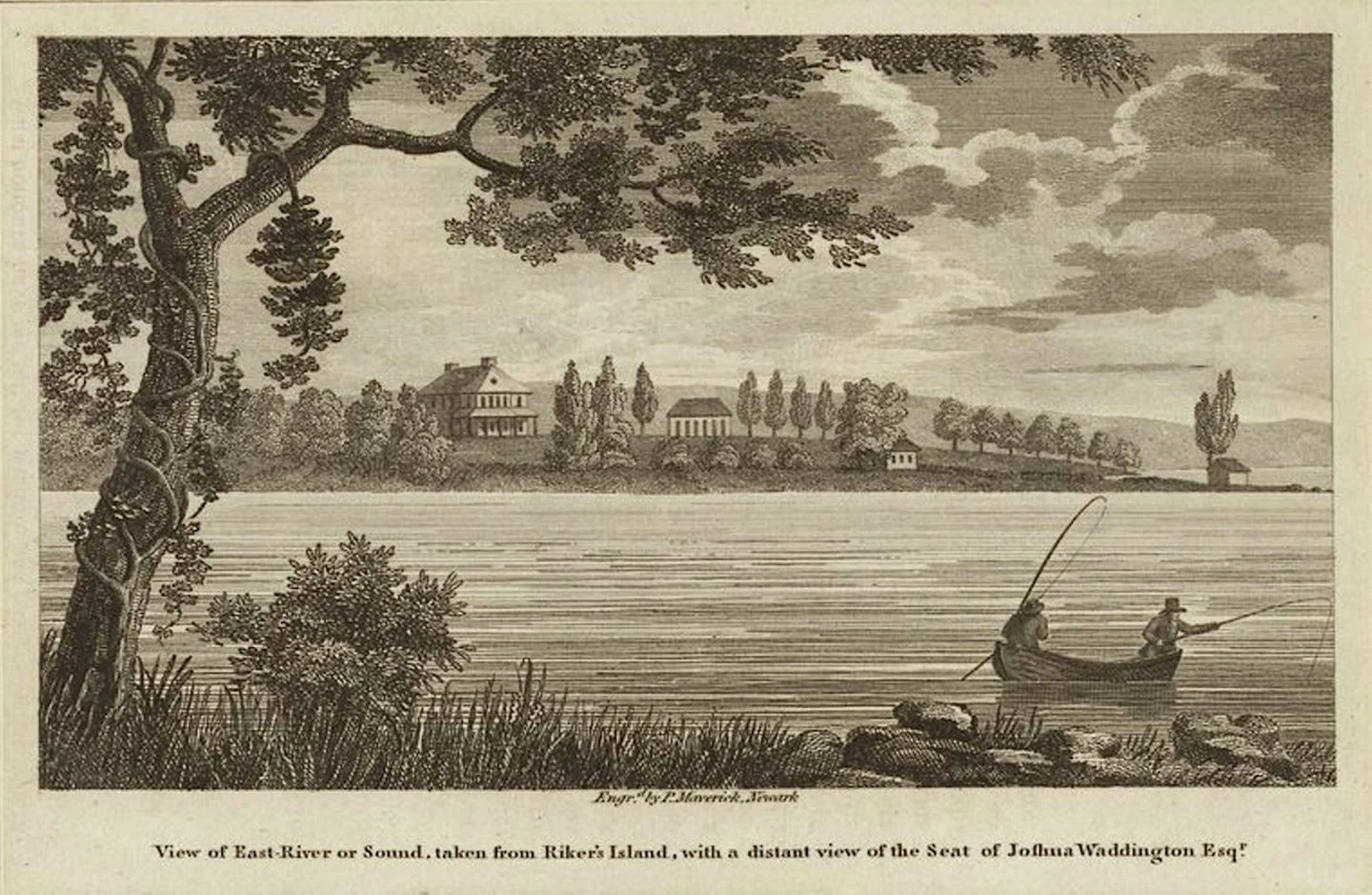
Rikers Island Before the Jail
Before incarceration defined Rikers Island, it was a colonial farm and family estate connected to Bowery Bay, the Poor Bowery, and the agricultural history of Queens.
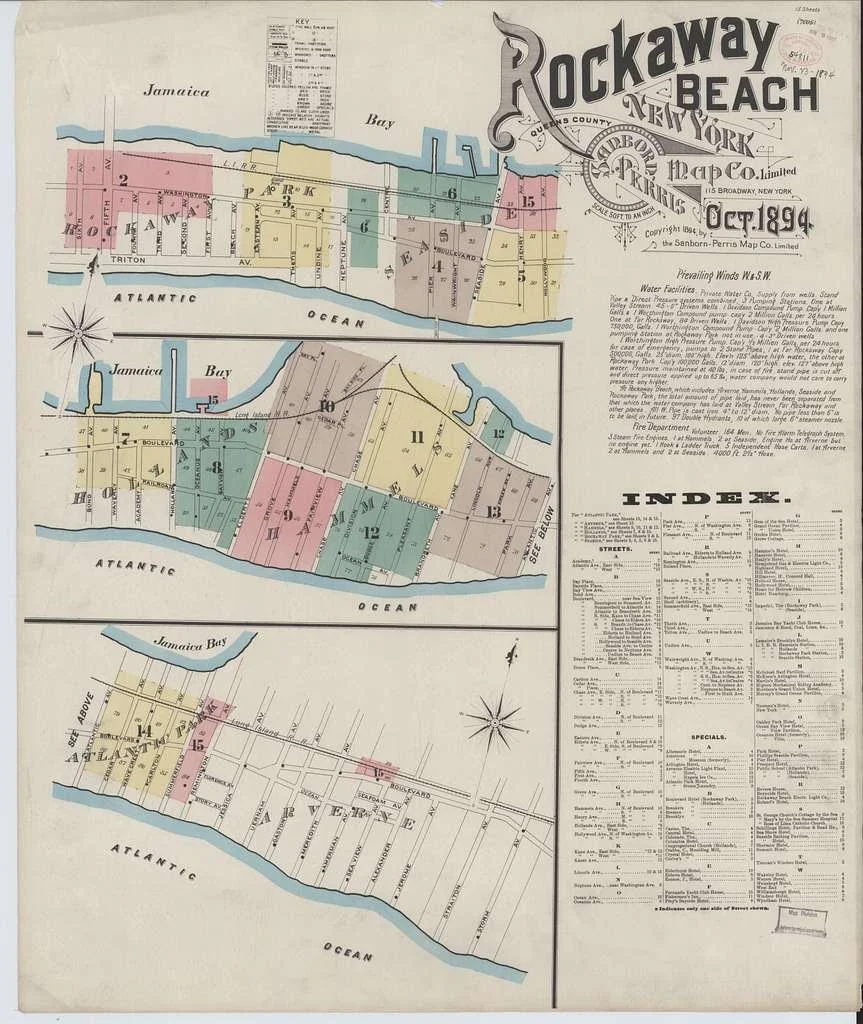
Before Far Rockaway: The Rockaway Peninsula Before the Resorts
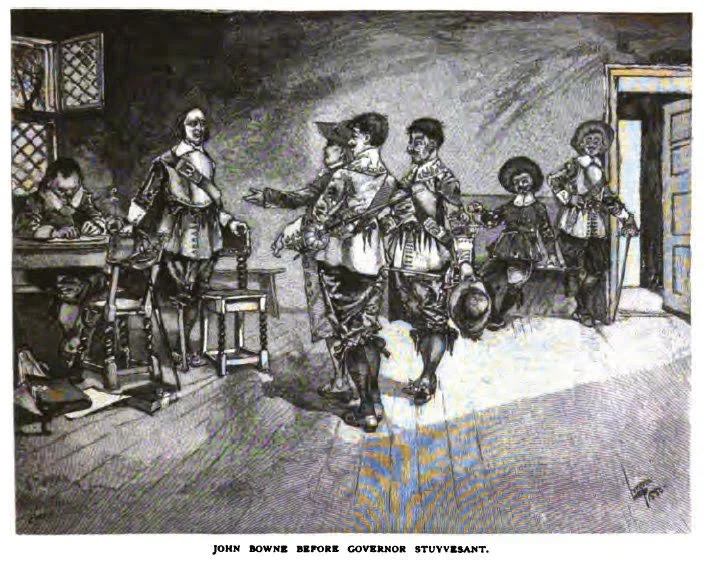
John Bowne
John Bowne opened his home in Flushing to Quaker worship, defied Peter Stuyvesant, and won a transatlantic fight that helped shape early American religious liberty.
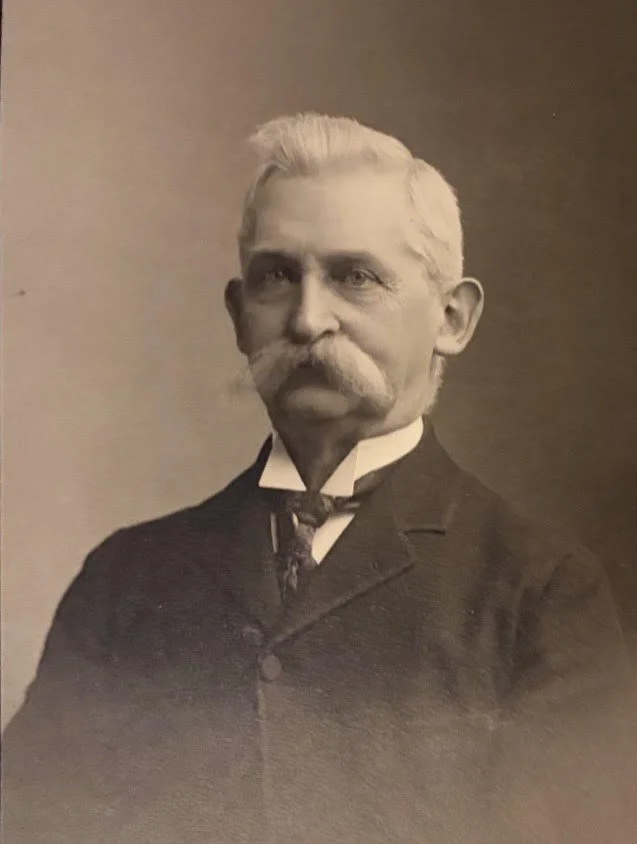
Charles Wesley Hallett, Sr.
Discover the life of Charles Wesley Hallett, Sr.—Civil War veteran, Advance Lodge No. 635 Mason, banker, and civic leader whose story reflects the transformation of Hallett’s Cove into modern Astoria.
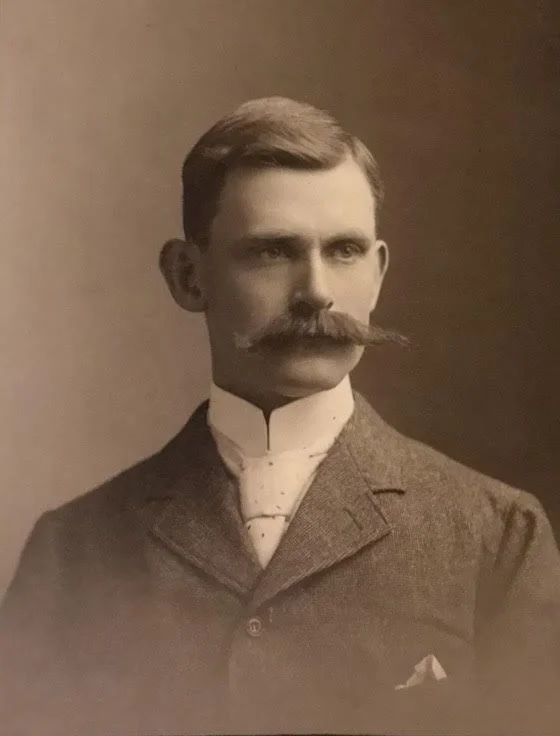
Brother Frederick T. Hallett: The Measure of an Astorian
Frederick T. Hallett was a businessman, Mason, church trustee, and civic leader whose life traced Astoria’s transformation from an old Long Island village into modern Queens.
The First House on the Sand: How the Cornells Made Rockaway
In 1690, Richard Cornell established the first permanent European homestead on the Rockaway peninsula, creating the foundation for centuries of land ownership, settlement, and local history in Rockaway, Queens.
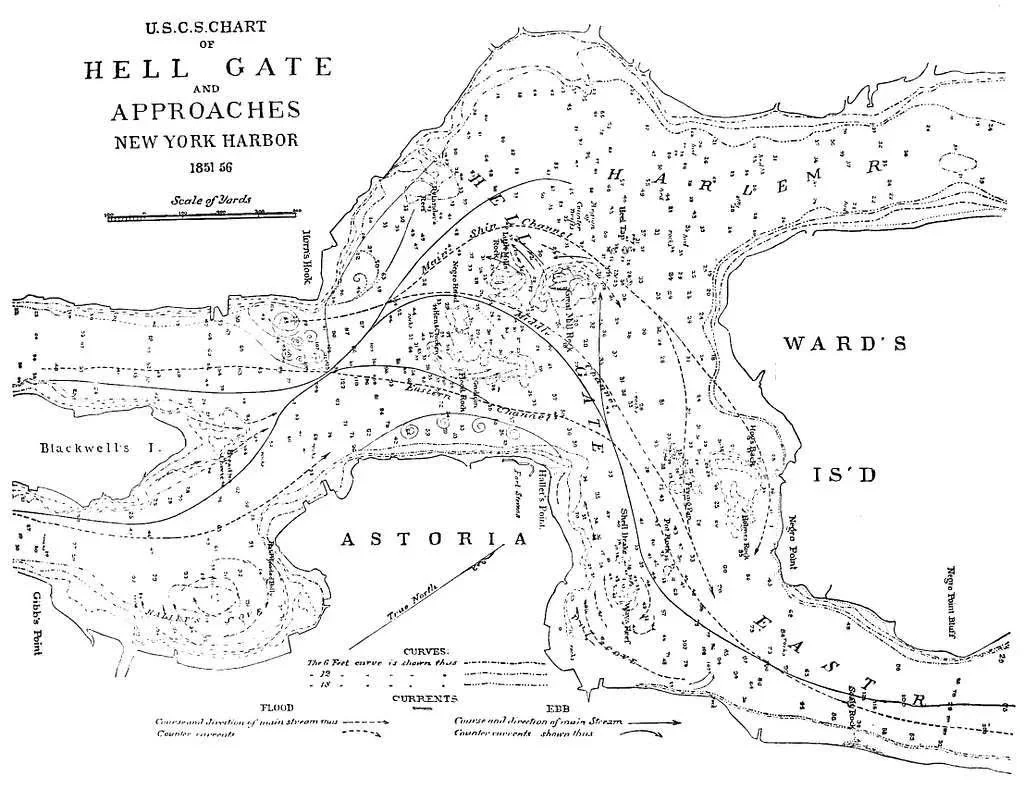
Hell Gate and Hallett’s Point
Hell Gate was once New York’s most dangerous waterway. In 1876, engineers blasted Hallett’s Point Reef and reshaped navigation, Astoria, and the Queens waterfront.
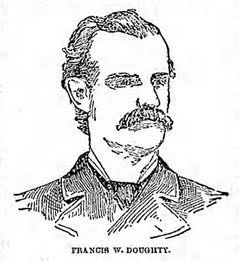
Francis Doughty and the Lost Colony of Mespat
In 1642, Rev. Francis Doughty obtained a vast patent at Mespat. War, dispute, and Dutch authority ended his colony—yet it shaped early Queens.
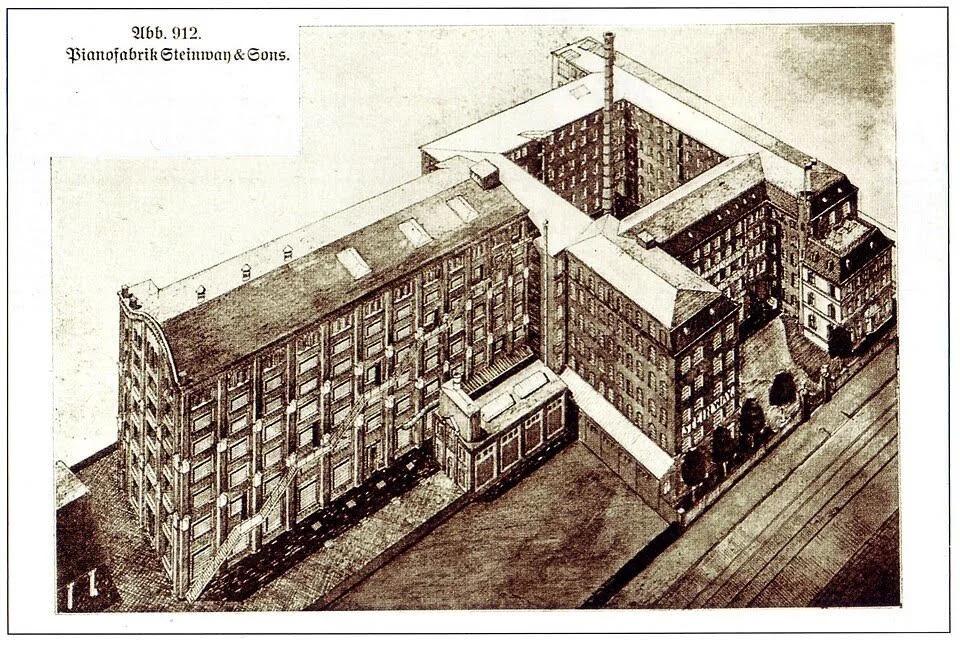
Steinway: How a Piano Factory Built a Village in Queens
Steinway was more than a piano factory. It was a Queens company town of worker housing, schools, libraries, transit, and industrial innovation built around Steinway & Sons.

Advance Lodge No.635
Advance Lodge No. 635 was founded in post-Civil War Astoria and took its name from a famous Arctic exploration vessel. Its history joins civic leadership, charitable work, ritual instruction, wartime service, and the creation of a lasting Masonic temple on 30th Avenue.
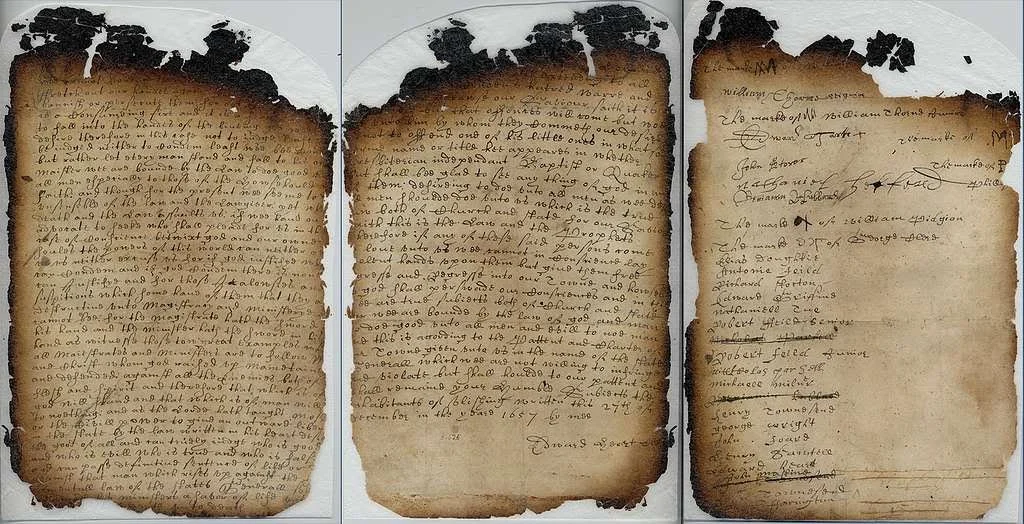
The Flushing Remonstrance: How Queens Helped Write the First Chapter of American Religious Freedom
In 1657, residents of Flushing, Queens challenged colonial authority over the persecution of Quakers. The Flushing Remonstrance became one of the earliest and boldest defenses of religious freedom in American history.
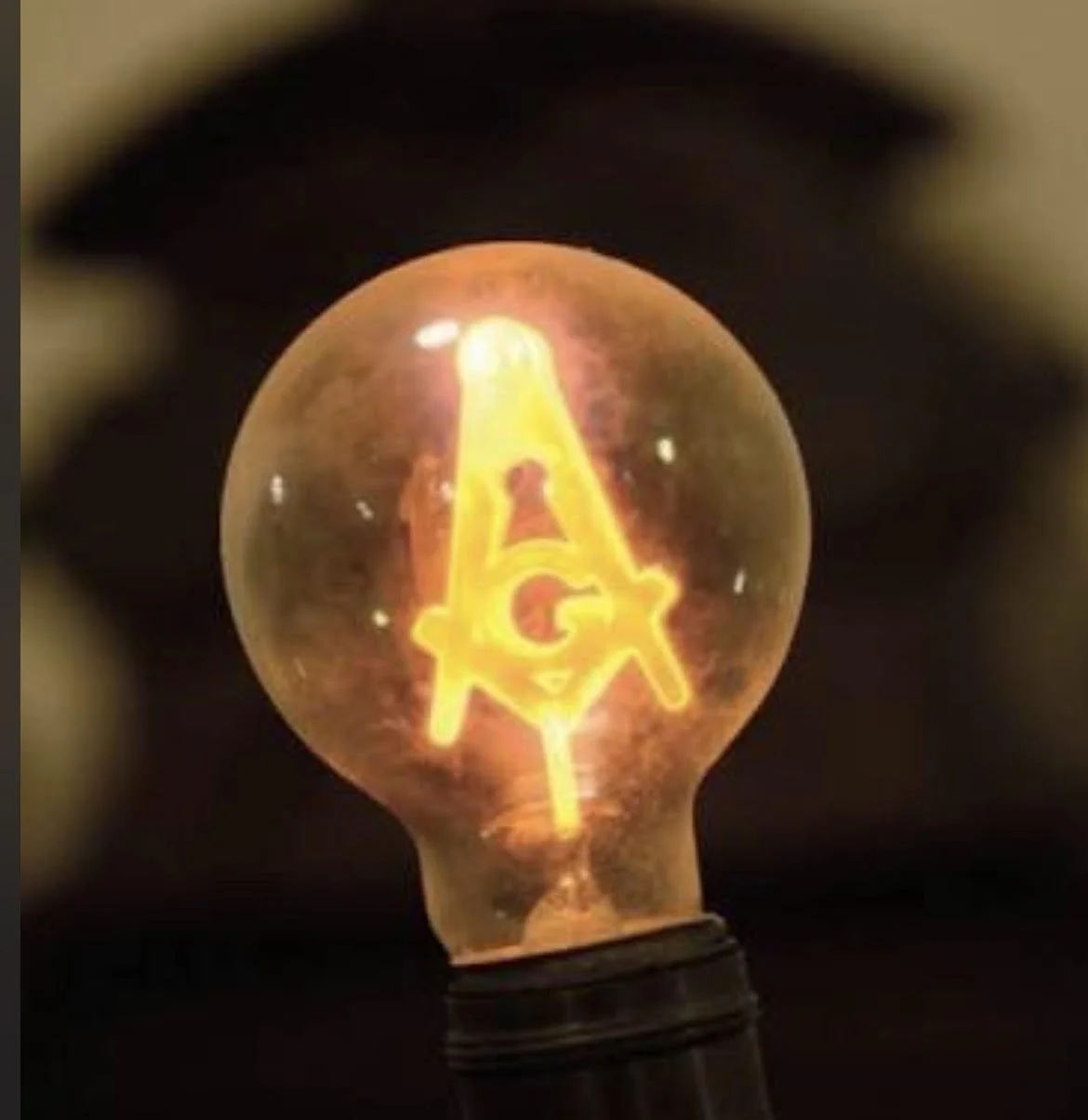
Some Men Want Light. Some Just Want a Title.
An exploration of Albert G. Mackey’s three classes of Masons and what they reveal about Masonic ambition, symbolism, study, and the inward meaning of the Craft degrees.
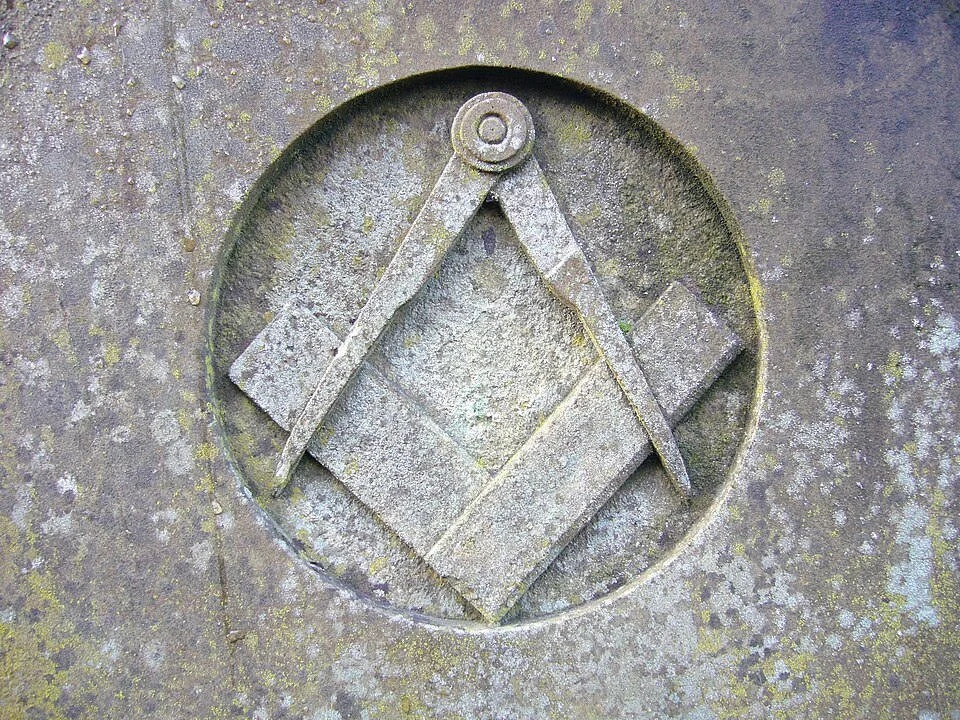
Why Masons Talk in Stones, Tools, and Symbols: A Personal Introduction
A clear, personal introduction to Masonic symbols and why Freemasons use stones, tools, and moral images to teach character, boundaries, equality, and integrity.
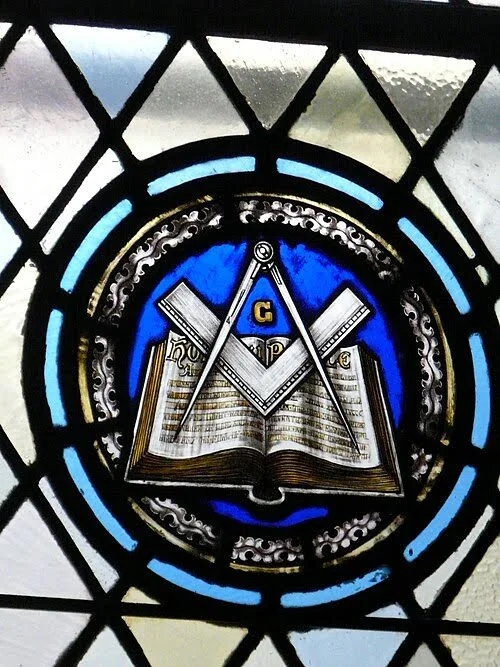
What Freemasonry Is: From Anderson’s Constitutions to the Symbolic and Observant Lodge
An introduction to Freemasonry as a moral and symbolic fraternity, with attention to Anderson’s Constitutions, the first three degrees, and observant lodge culture.