Benjamin Franklin, Commonplace Books, and the Discipline of Keeping Useful Notes
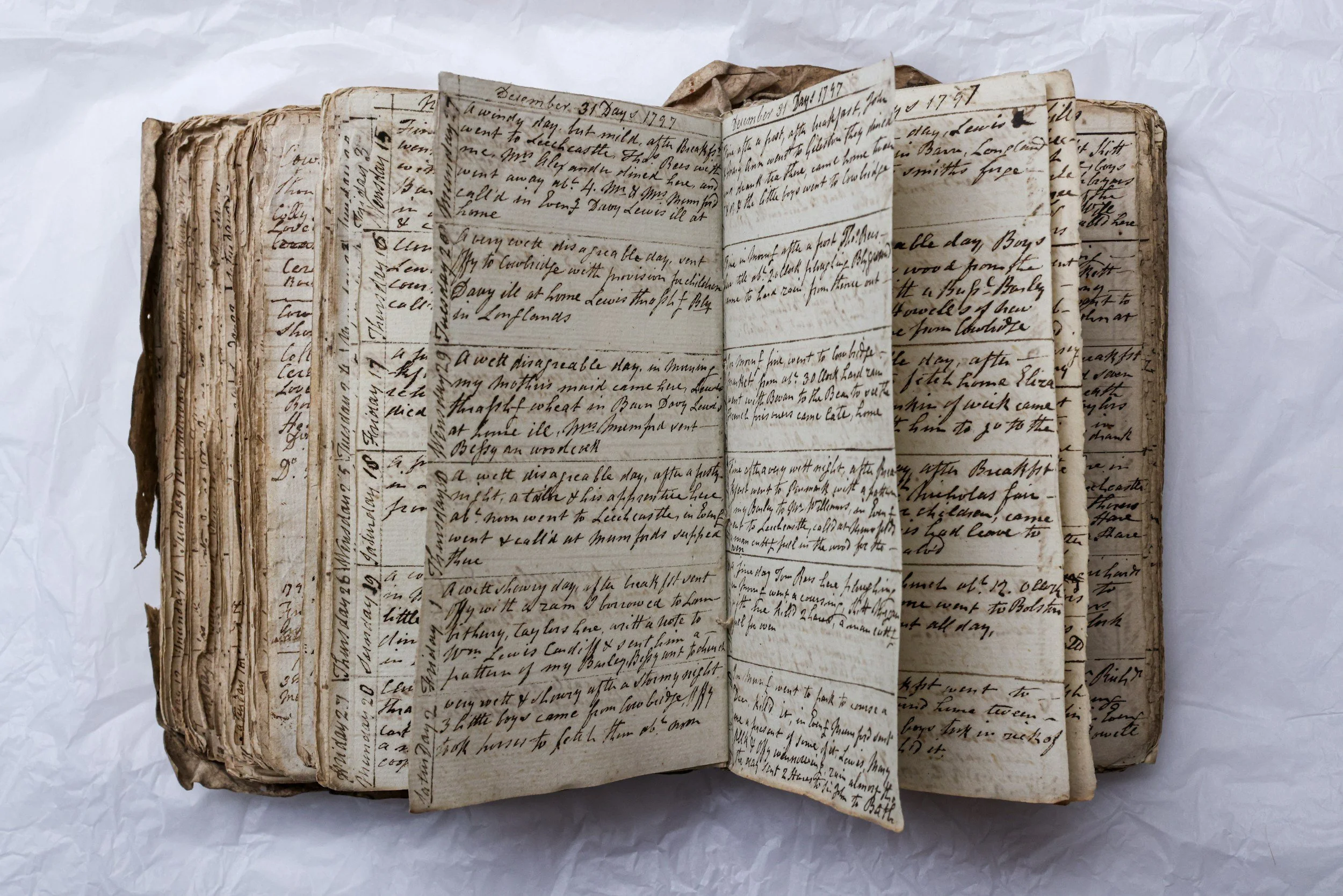
Commonplace books were once a standard tool of education and memory. Franklin’s habits of reading, excerpting, and written preservation point toward a practical discipline of keeping useful notes.
Benjamin Franklin, Commonplace Books, and the Discipline of Keeping Useful Notes
There was a time when educated people were expected to keep books of excerpts, sayings, arguments, observations, and useful passages gathered from their reading. These were commonplace books, and they served as tools of memory, study, and composition.
The practice deserves renewed attention.
Benjamin Franklin is not usually remembered first as a keeper of commonplace books, yet his habits of reading and self-education point in the same direction.[1] He read actively, worked with what he read, and treated writing as a means of fixing thought rather than merely displaying it.
That larger discipline matters more than labels. Whether the notebook is called a commonplace book, a reading journal, or a set of study notes, the underlying principle is the same: what is worth learning is worth preserving in usable form.
What a Commonplace Book Was For
A commonplace book was not a diary. It was not mainly confessional or personal. It was a storehouse.
Readers copied into it:
striking passages definitions arguments examples quotations headings for future use reflections prompted by reading
Its purpose was practical. It helped preserve what memory alone would lose. It also created a personal archive of material that could later be revisited, reorganized, or used in writing.
This is one reason commonplace books mattered so much in earlier education. Reading was not considered complete when the book was closed.
Franklin’s Reading Was Active Reading
Franklin’s Autobiography shows that he read in a way that was intensely active.[1] He was not satisfied to admire good prose. He wanted to understand how it worked and to reproduce its effects.
His writing exercises reveal this clearly. He reduced essays to hints, reconstructed them later, and used imitation to sharpen his command of structure and language.[1] These methods belong to the same world as commonplacing. In each case, reading becomes material for further work.
That is the real lesson. Useful reading should leave traces.
Why Notes Matter
A note is a way of refusing to trust memory more than it deserves.
Without notes, even strong reading often dissolves into impression. A person remembers that something seemed important but cannot recover the wording, the structure, or the reason it mattered. Notes preserve more than content. They preserve attention.
A useful notebook can hold:
passages worth keeping ideas worth testing questions worth returning to comparisons between authors words worth learning lines worth reusing in future writing
Over time, this becomes more than storage. It becomes an education in judgment.
A Personal Treasury of Thought
The value of keeping useful notes lies partly in accumulation. One passage may help little on its own. Fifty passages, arranged and revisited, begin to form a treasury.
This was one of the hidden strengths of earlier reading culture. Readers expected to return to material. They copied because they intended to remember, compare, and use.
Modern abundance works against this habit. When everything can be found again online, people are tempted to preserve nothing. But what is technically recoverable is not always mentally available. A good notebook narrows the distance between encountering an idea and being able to use it later.
The Discipline Behind the Practice
Keeping useful notes is not glamorous. It is repetitive, selective, and patient.
That is why it works.
The practice trains a reader to ask:
What is worth keeping? Why does this matter? Under what heading does it belong? How might it be used later?
These questions turn reading into study.
Franklin’s life illustrates the larger principle. He did not rely on exposure alone. He learned by engaging, reworking, and preserving what he encountered.[1] In that sense, the commonplace tradition and Franklin’s self-education belong to the same family of habits.
Keep What You Want to Be Able to Use
A useful note is not a trophy from reading. It is a tool.
The point is not to create an archive so large it can never be revisited. The point is to preserve what deserves a second life in thought, conversation, or writing.
If a reader wants to learn seriously, some record should remain. A marked passage. A copied line. A brief summary. A heading in a notebook. Anything that carries the thought forward.
That is the old strength of commonplace books. And it is why the practice still deserves a place in a serious reading life.
Notes
- [1] Benjamin Franklin, Autobiography, for Franklin’s reading habits, writing exercises, and larger method of self-education through active engagement with texts.
- [2] For the broader historical practice of commonplacing, see studies of early modern reading habits and commonplace books as tools of memory, excerpting, and composition.