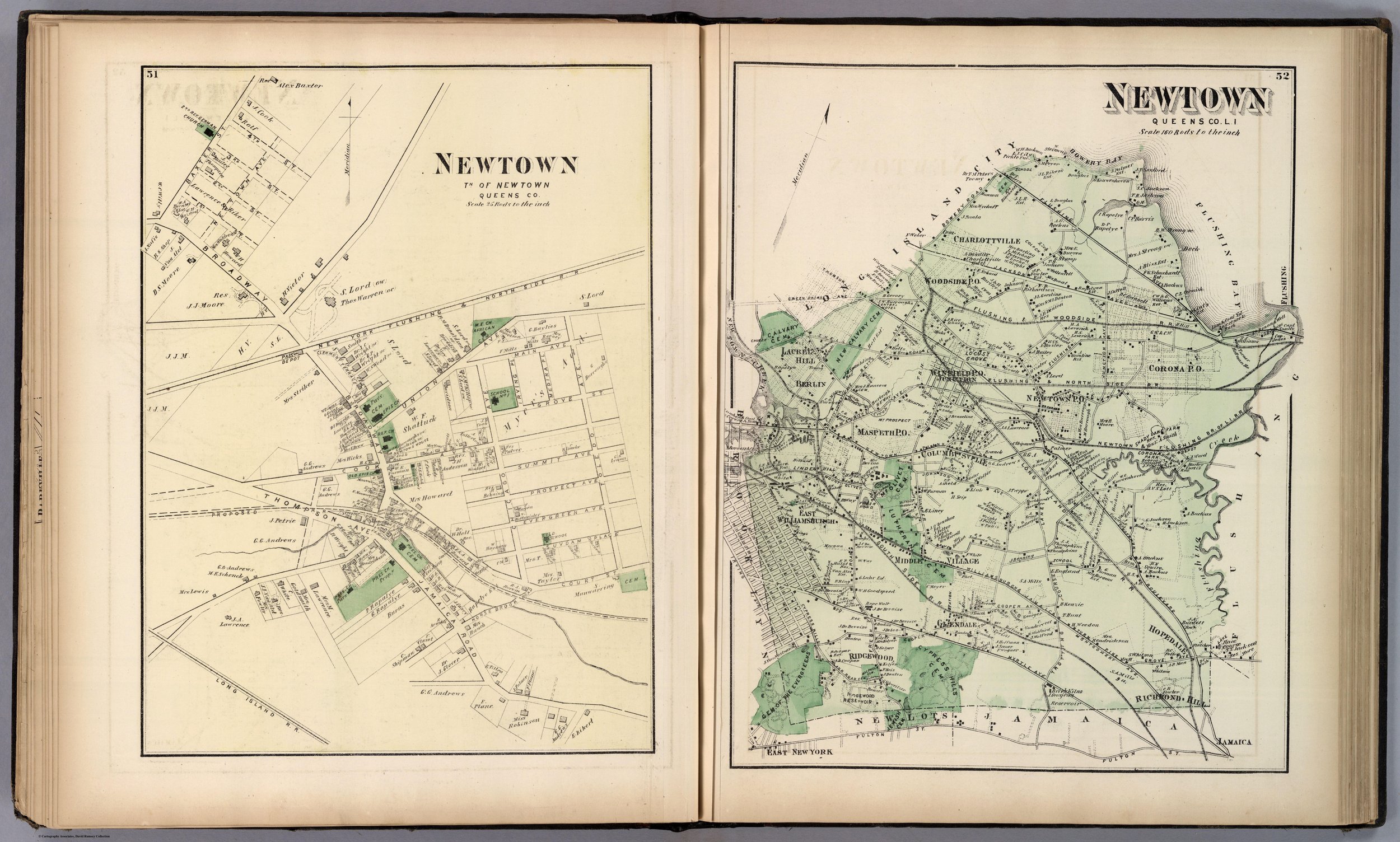
Early Newtown, Queens: From Mespat to Modern Queens
An eight-article series on early Newtown, Queens: Mespat, Middelburg, the 1656 land deal, waterfront farms, religion, revolt, and how to read Riker’s Annals today.
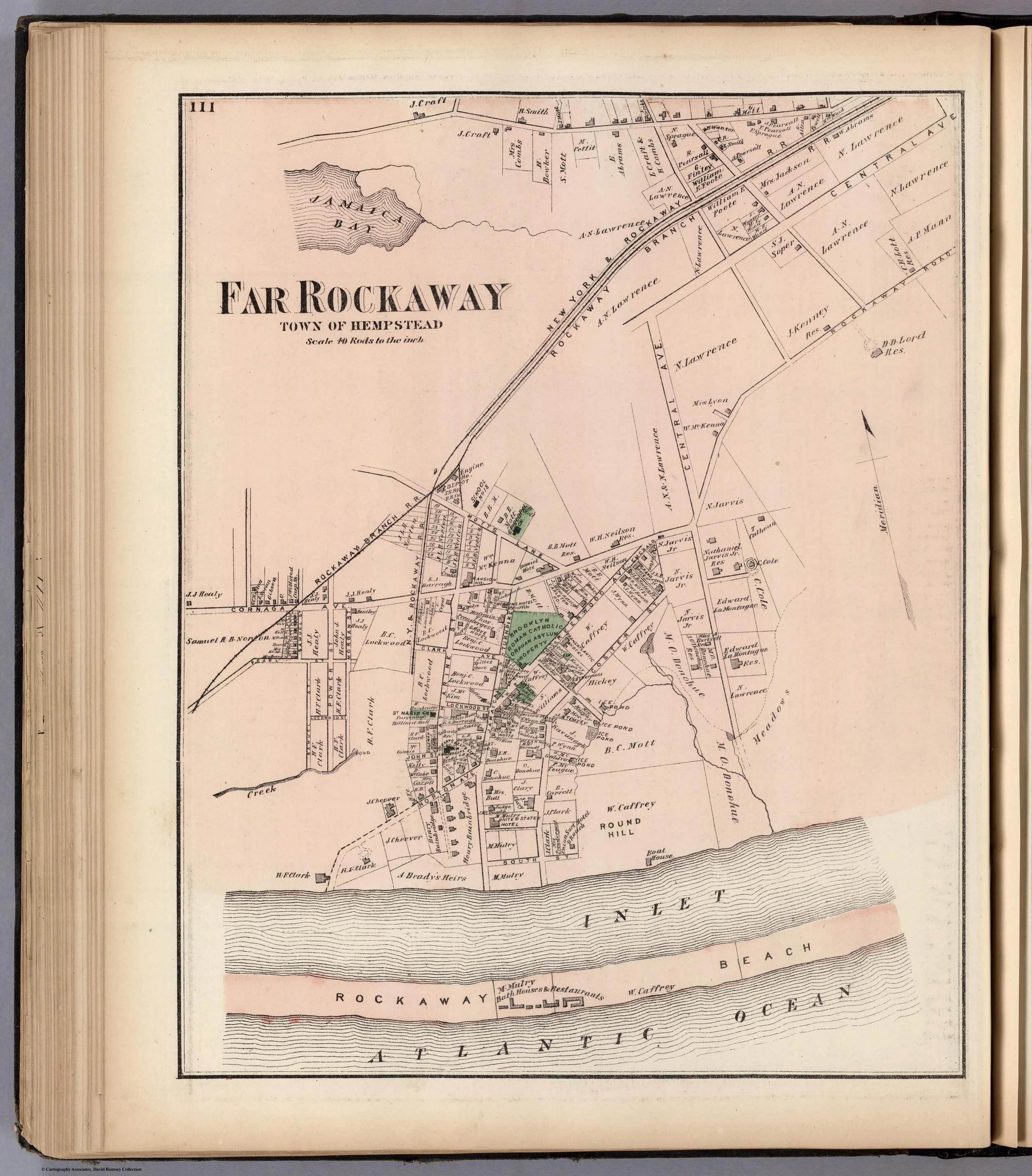
Far Rockaway: A Queens History Hub
A research hub on the history of Far Rockaway, Queens, covering architecture, transit, institutions, redevelopment, notable residents, and primary sources.
All Articles
Browse all articles on Queens history, Freemasonry, Masonic lodges, buildings, neighborhood development, and notable members.
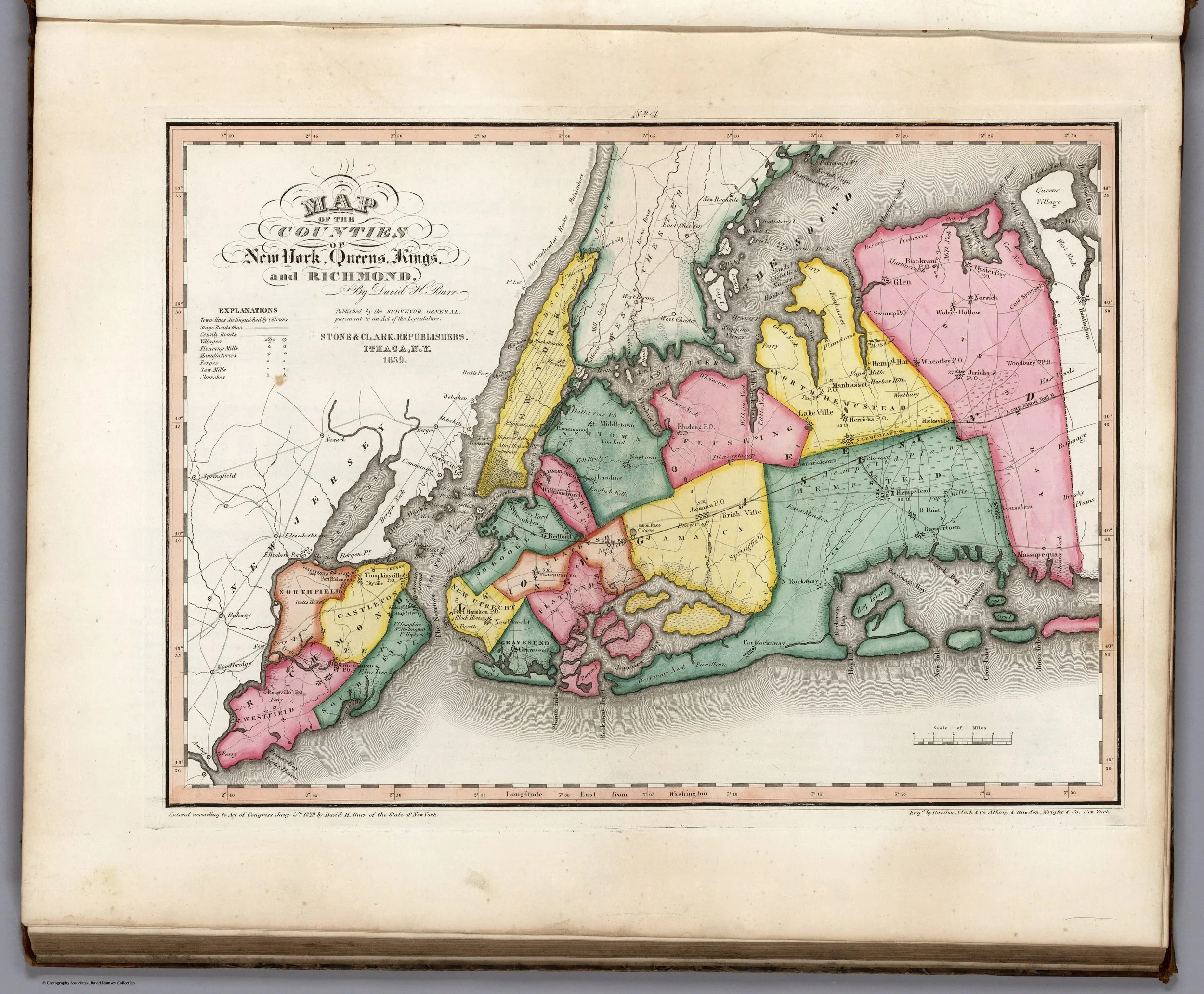
Queens Neighborhood History Index
Explore the history of Queens neighborhoods including Flushing, Long Island City, Hunter’s Point, Dutch Kills, Ravenswood, and Blissville.
Queens Masonic Lodge Histories
Browse an index of the history of Masonic lodges in Queens, including Flushing, Newtown, Elmhurst, Jackson Heights, Astoria and Long Island City.
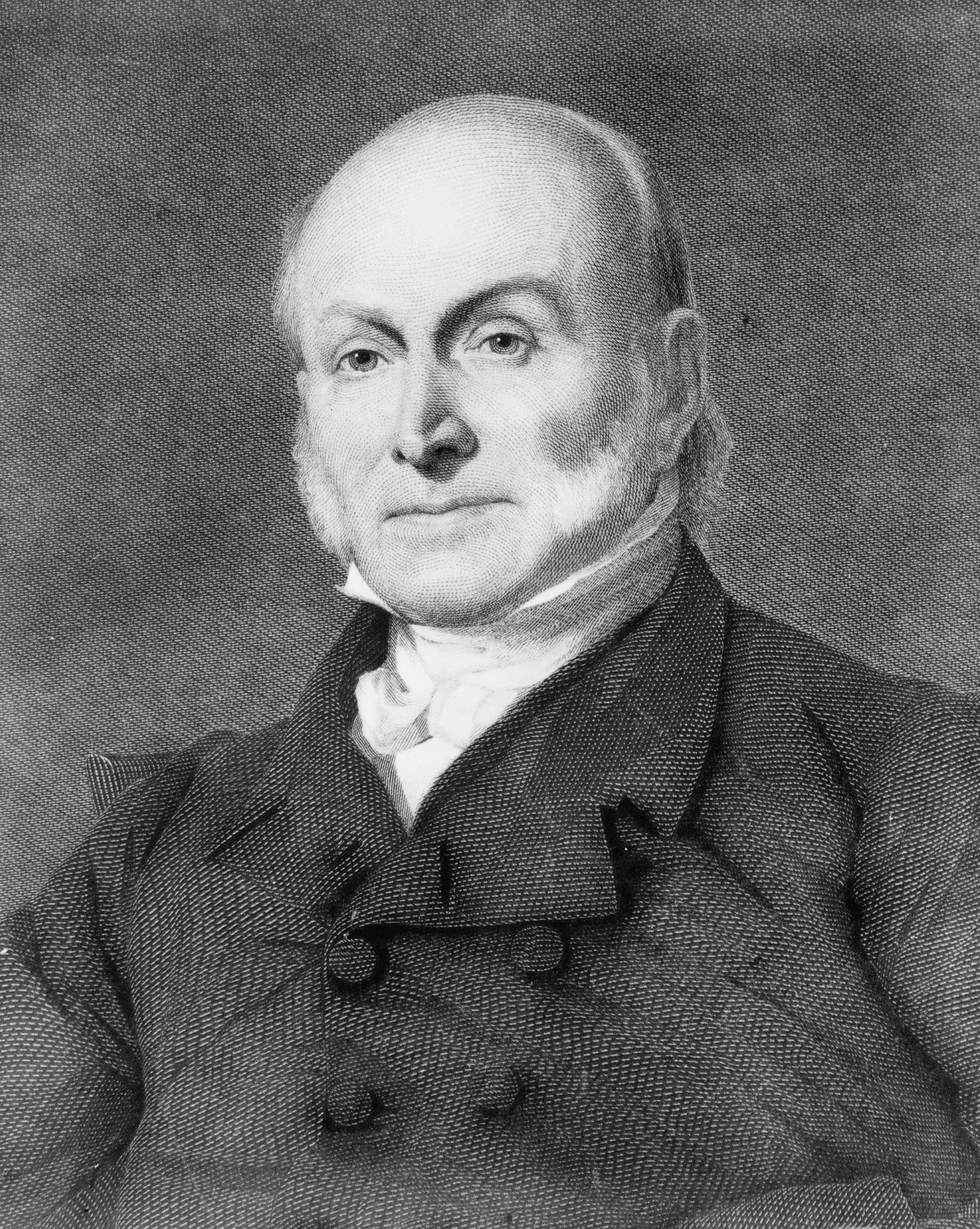
Notable Freemasons of Queens
Discover notable Freemasons connected to Queens and explore how lodge membership adds depth to local biography, public history, and the borough’s fraternal past.
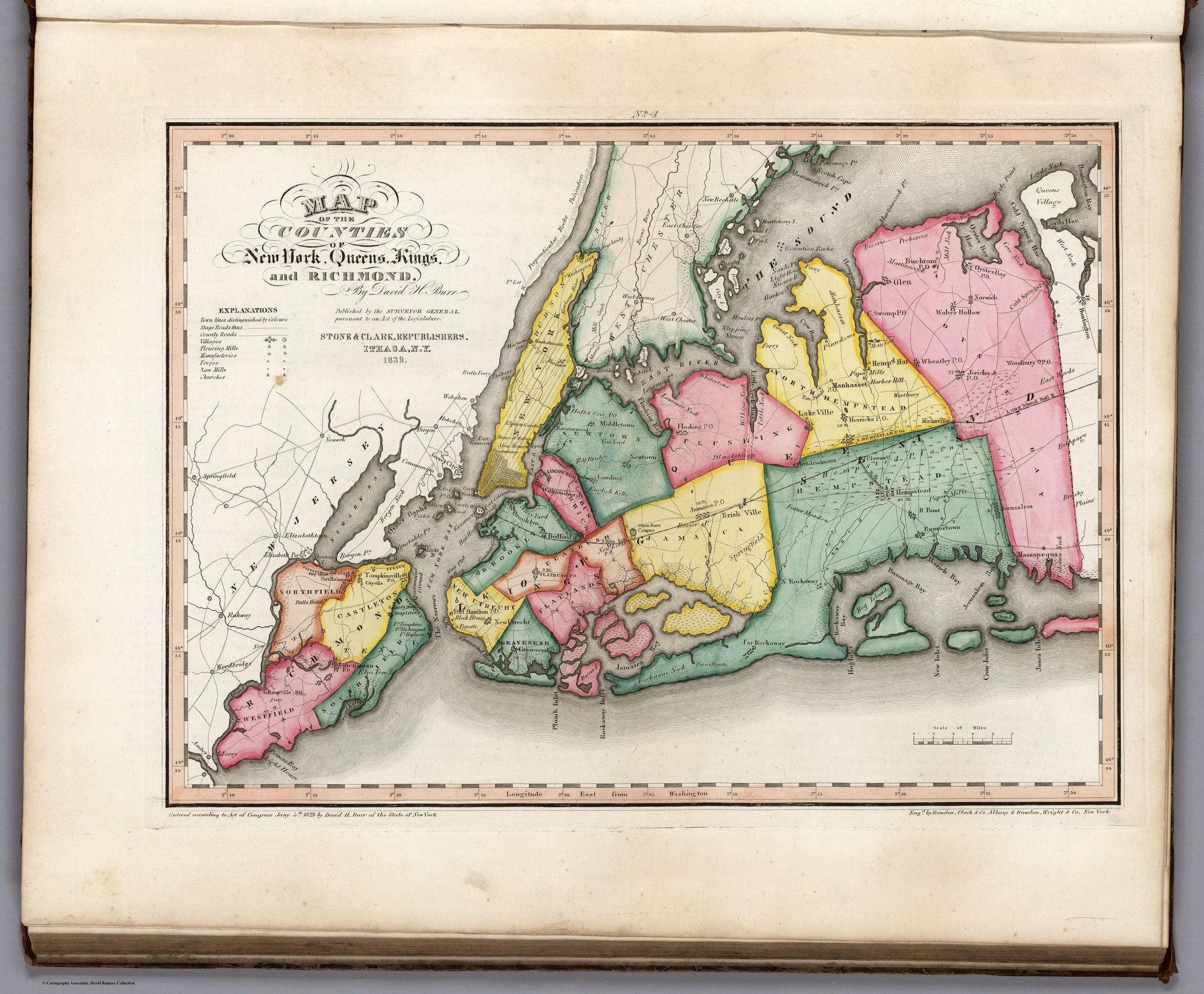
Queens History and Freemasonry
Discover how Freemasonry fits into the history of Queens through neighborhood development, local institutions, lodge growth, and the changing civic life of the borough.
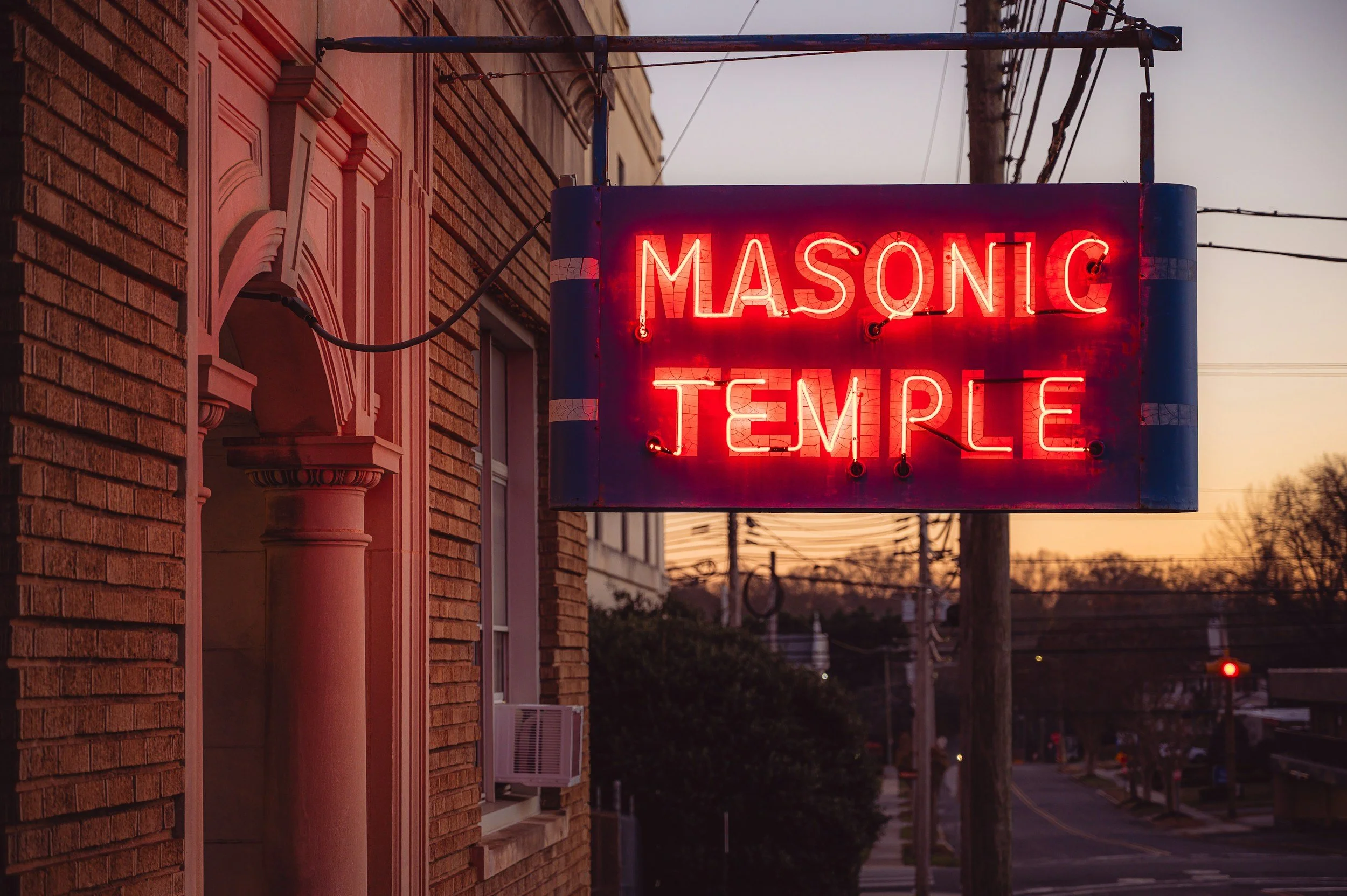
Masonic Buildings in Queens: Temples, Lodge Rooms, and Lost Meeting Places
Learn about the history of Masonic buildings in Queens — temples, lodge rooms, meeting halls, and lost sites connected to the borough’s fraternal past.
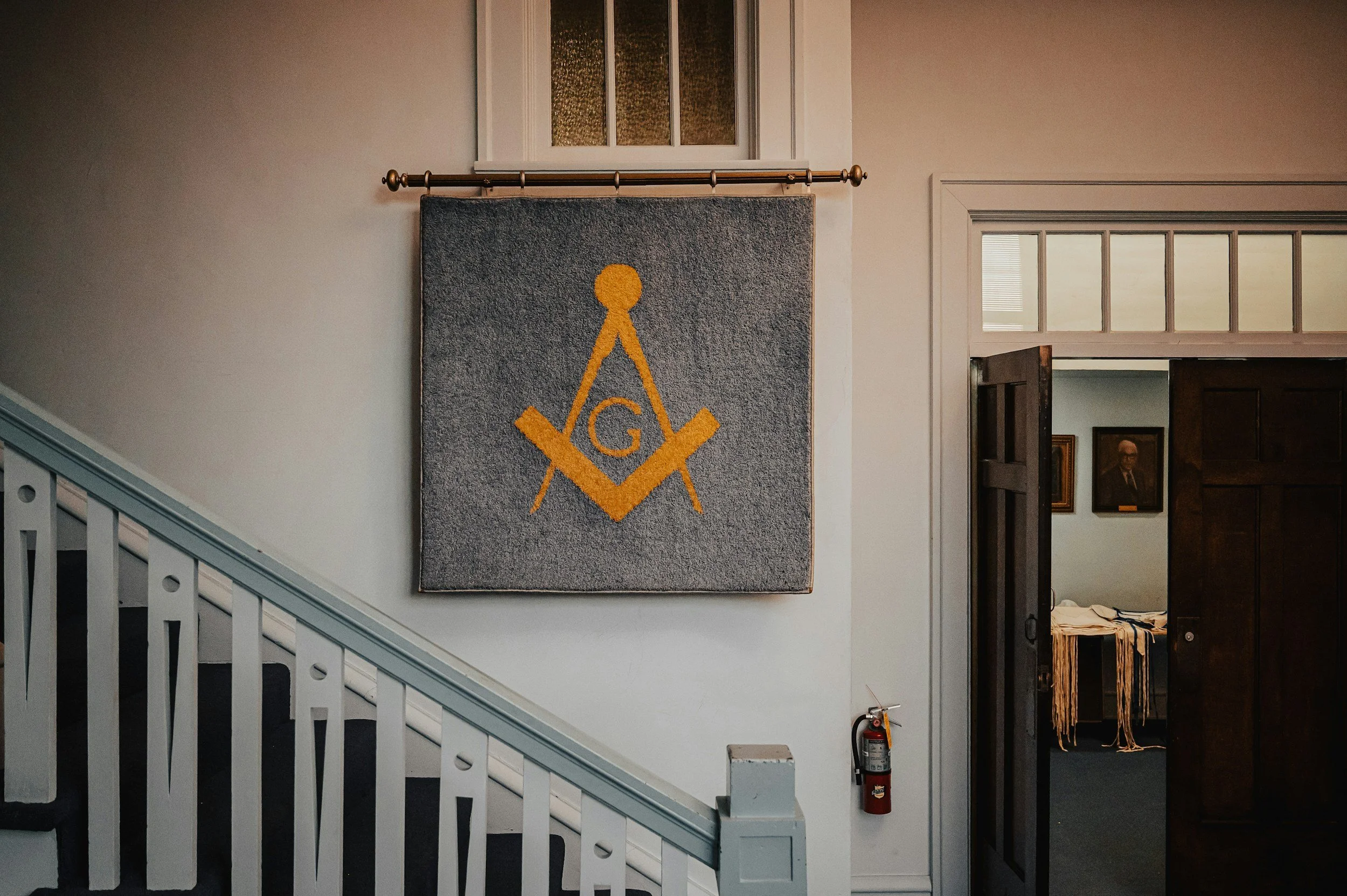
The History of Masonic Lodges in Queens
Discover the history of Masonic lodges in Queens, from Flushing to Long Island City and Jackson Heights, and explore how local lodges developed over time.
Freemasonry in Queens: Lodges, Members, Buildings, and Historical Development
Discover the history of Freemasonry in Queens through its lodges, members, buildings, and their role in borough life from the nineteenth century to the present.
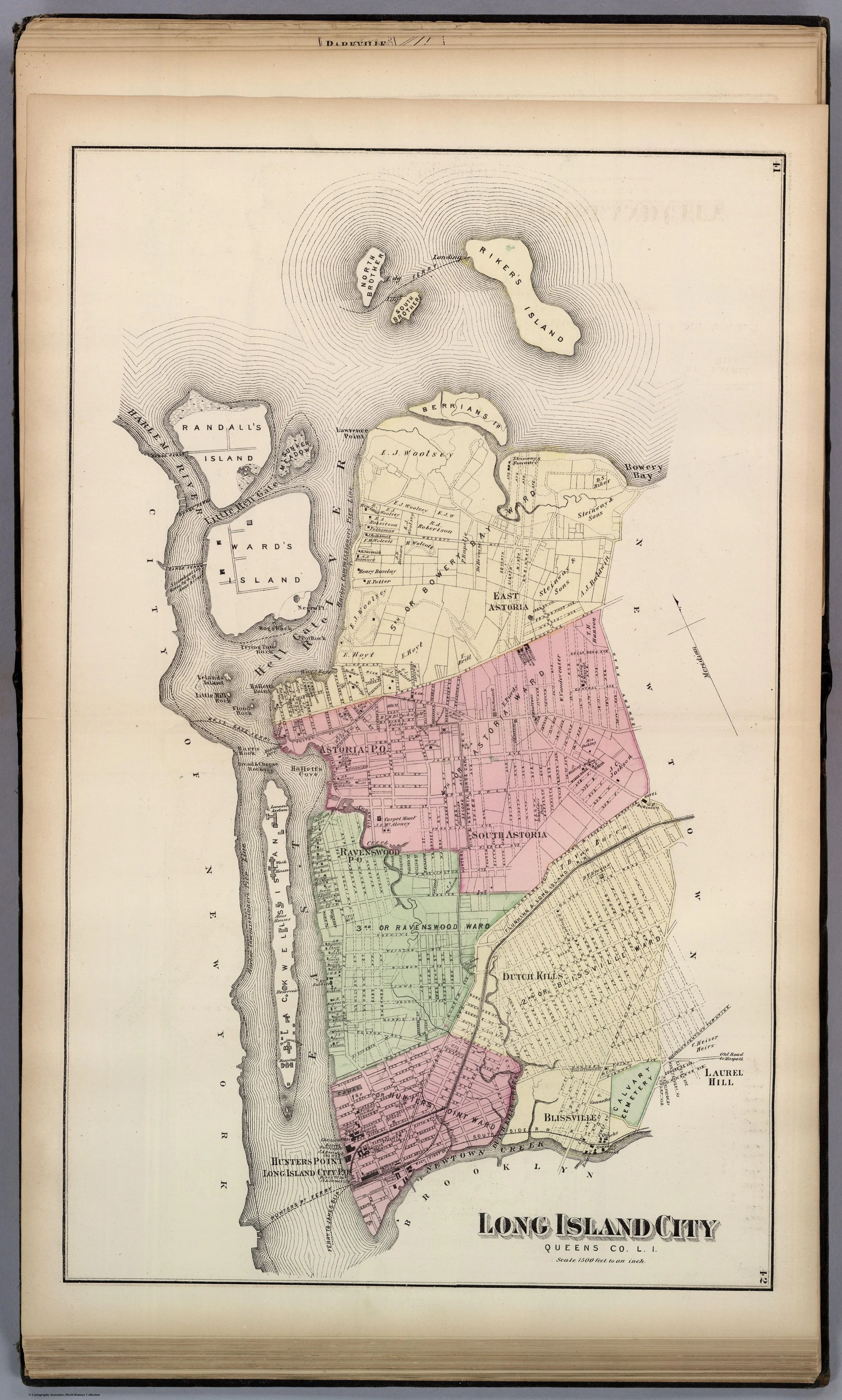
How Long Island City Was Created in 1870
In 1870, Astoria, Hunter’s Point, Ravenswood, Dutch Kills, Blissville, Steinway, and other communities united to create Long Island City.
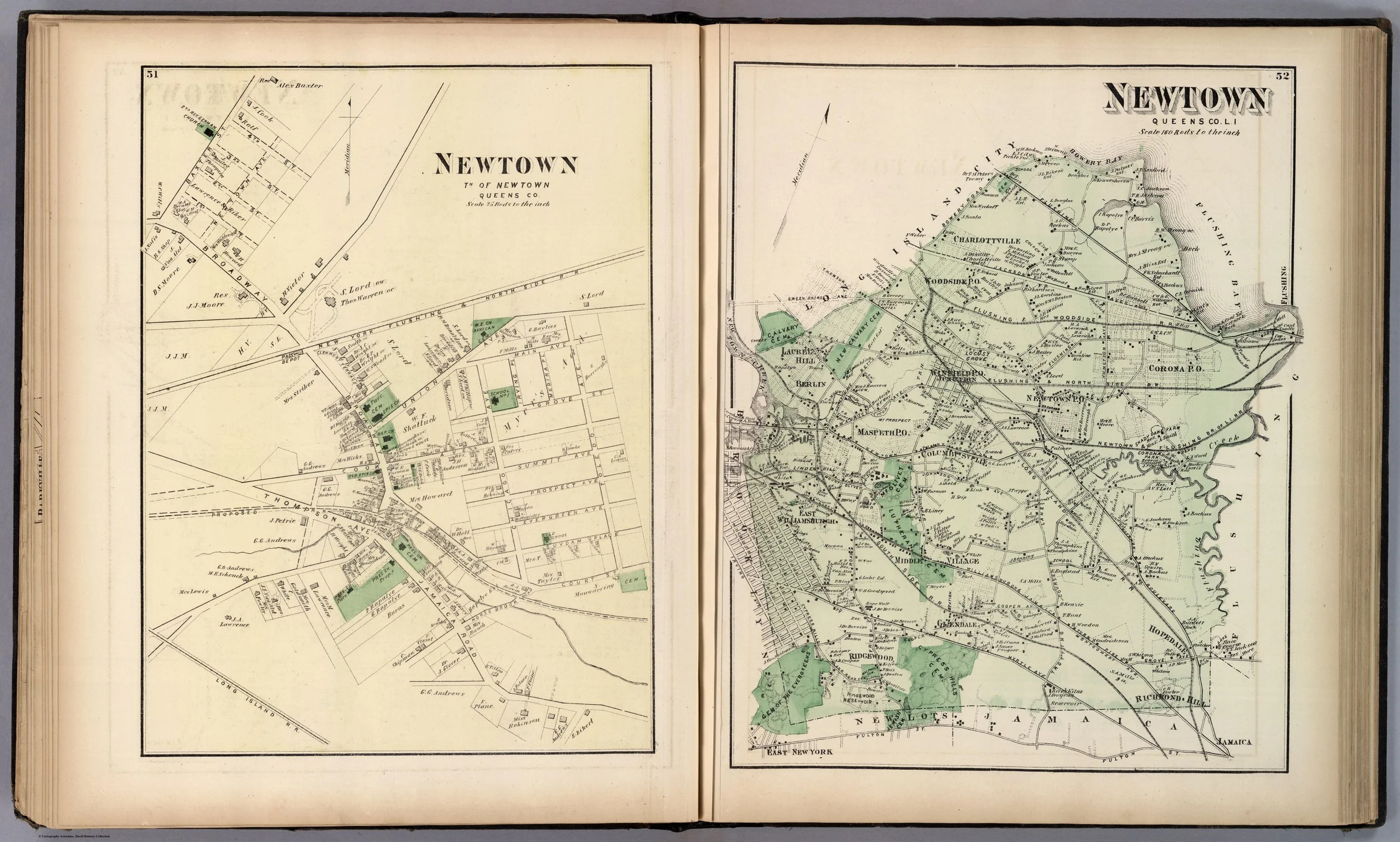
Maspeth and English Kills: Newtown’s Early Colonial Frontier
Maspeth began as one of Queens’s earliest and most troubled colonial settlements. Its history runs through Newtown Creek, English Kills, farms, roads, and the making of urban Queens.
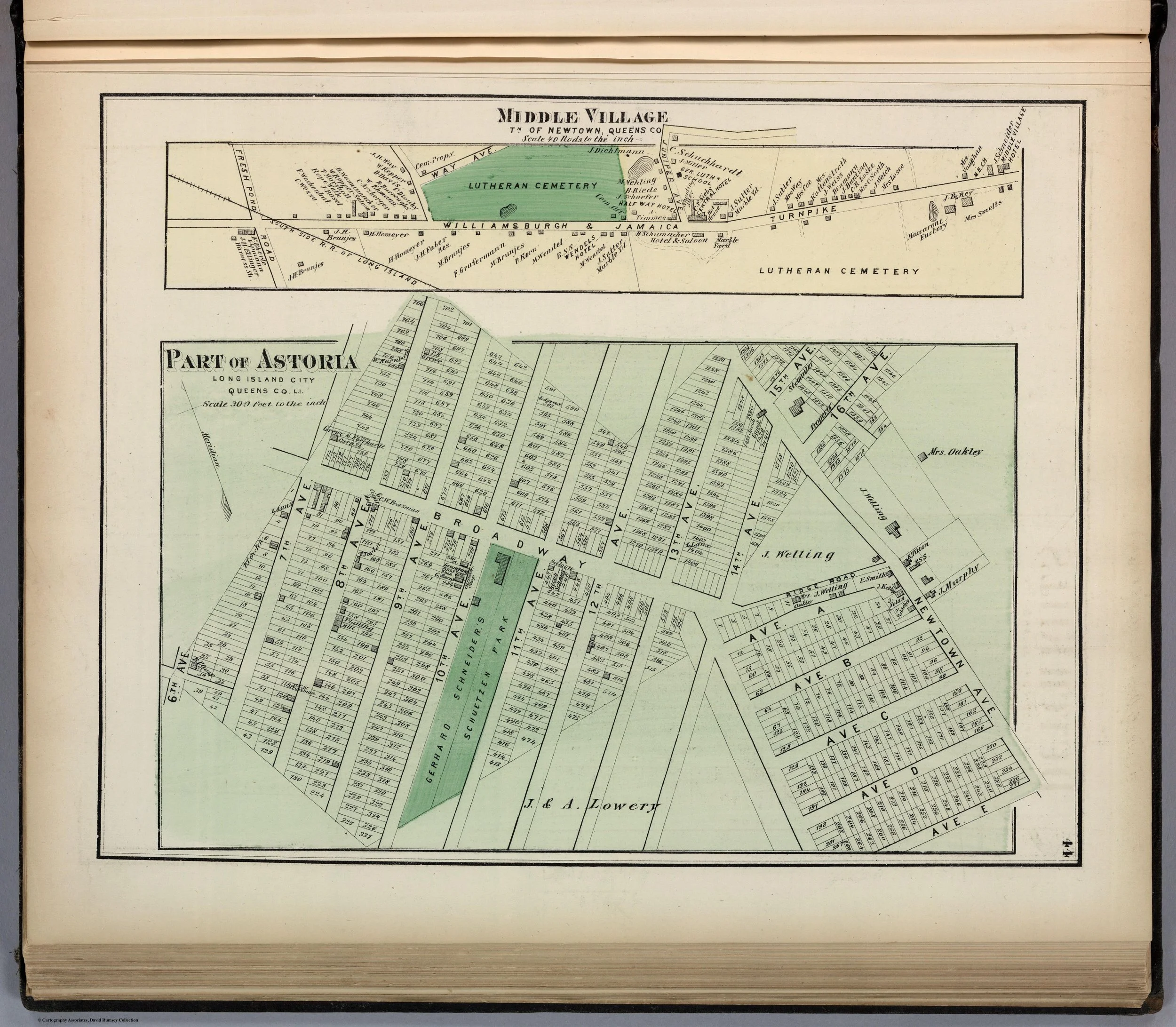
Middletown and the German Settlement: A Lost Rural Community in Long Island City
Middletown, later known as the German Settlement, was a rural Newtown community of farms, schools, churches, and old roads before it was absorbed into Long Island City.
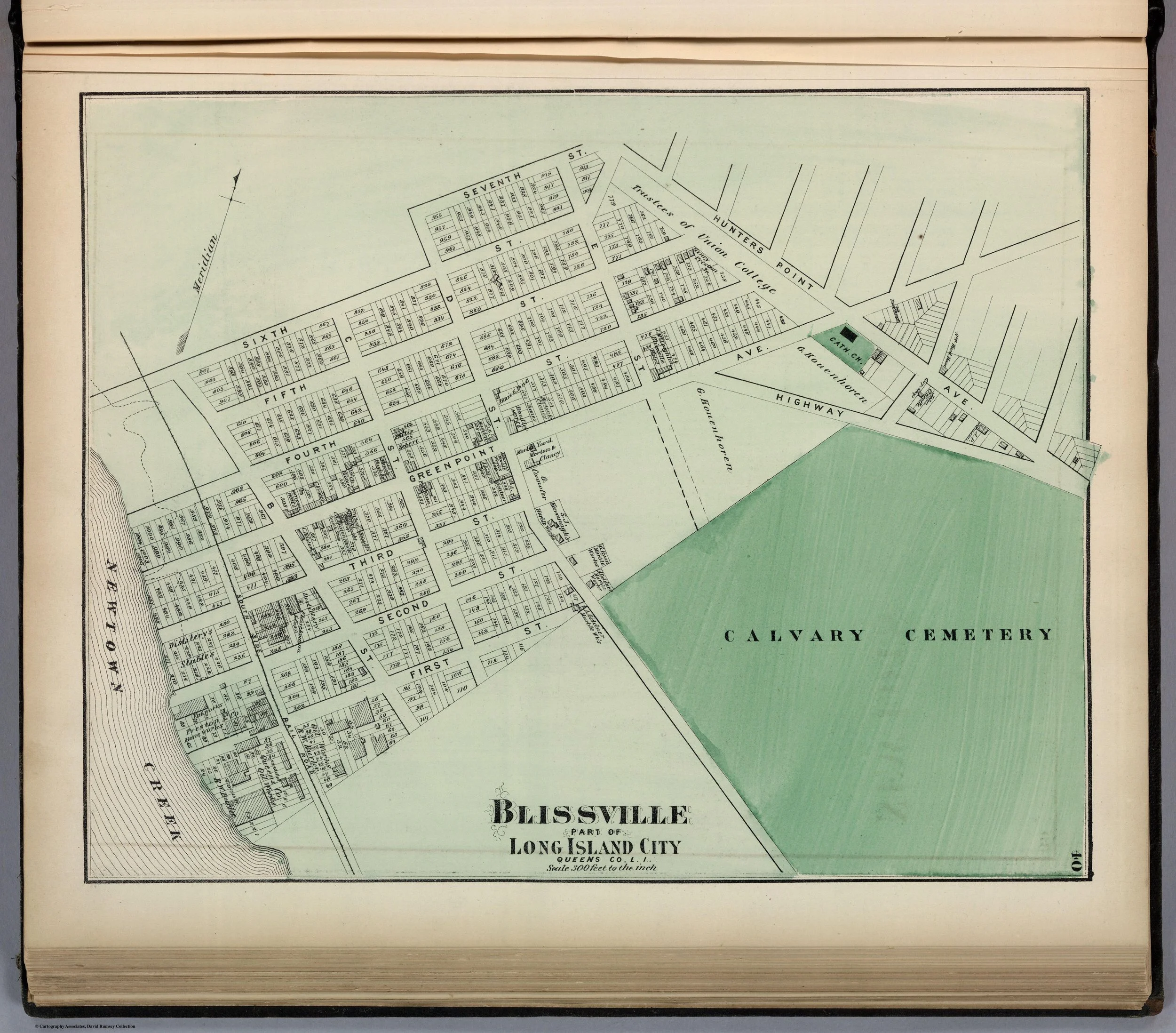
Blissville: The Forgotten Village Along Newtown Creek
Blissville was once a Newtown Creek village of farms, old houses, roads, and bridges. Its history reveals how rural Queens became an industrial city.
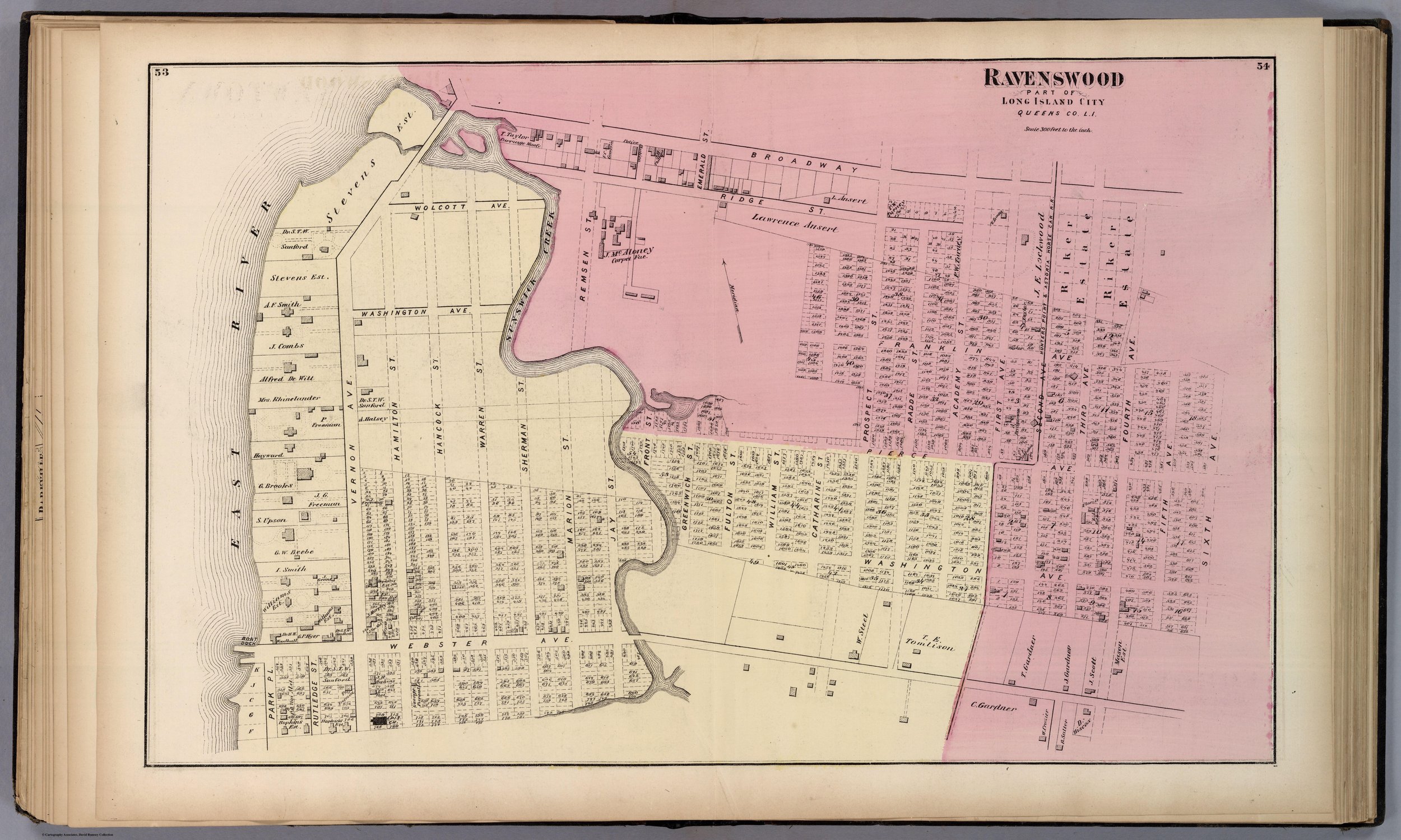
Ravenswood: The Lost Estates and Industrial Shoreline of Western Queens
Ravenswood was once a wooded East River district of colonial estates and country homes. Its history runs from the Blackwell family and Hell Gate to industry and Long Island City.
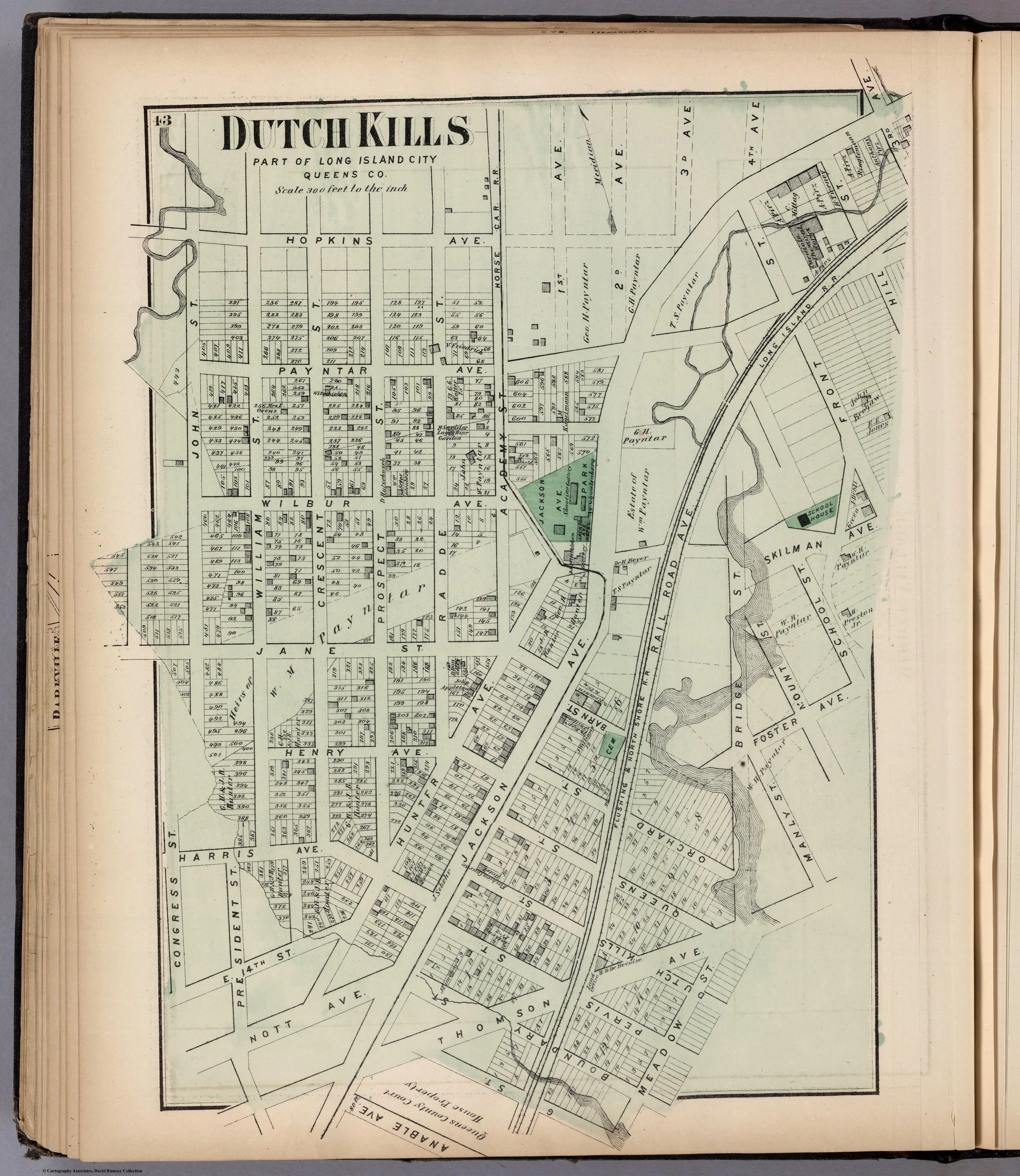
Dutch Kills: The Creek, Mills, and Farms Beneath Modern Long Island City
Dutch Kills was once a tidal creek country of mills, farms, and old Newtown families. Its hidden waterway still tells the story beneath modern Long Island City.
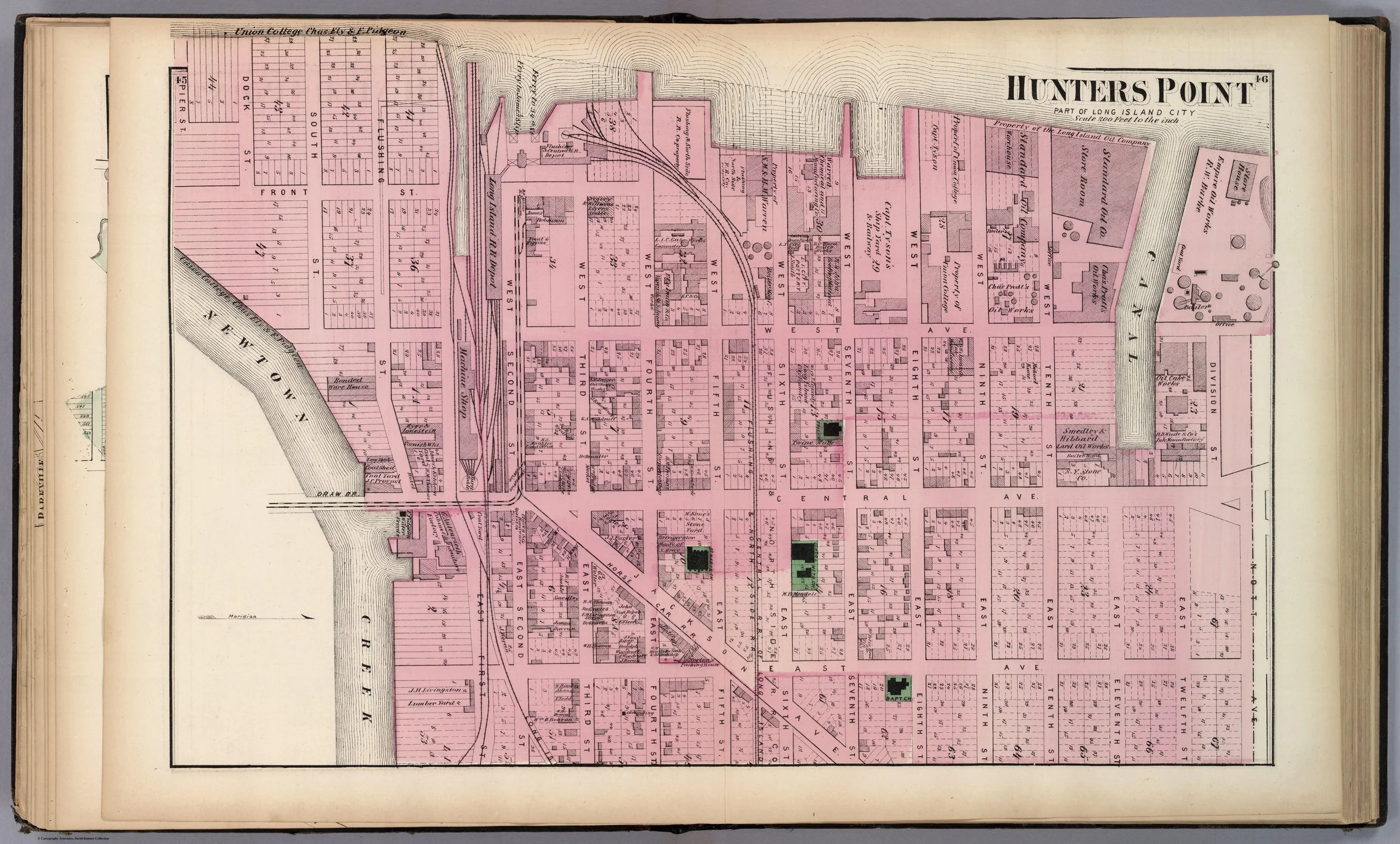
Hunter’s Point: The Vanished Hill That Became Long Island City’s Gateway
Hunter’s Point began as a solitary hill at the mouth of Newtown Creek. Discover how Dominie’s Hook became a railroad terminal, industrial waterfront, and the gateway to Long Island City.
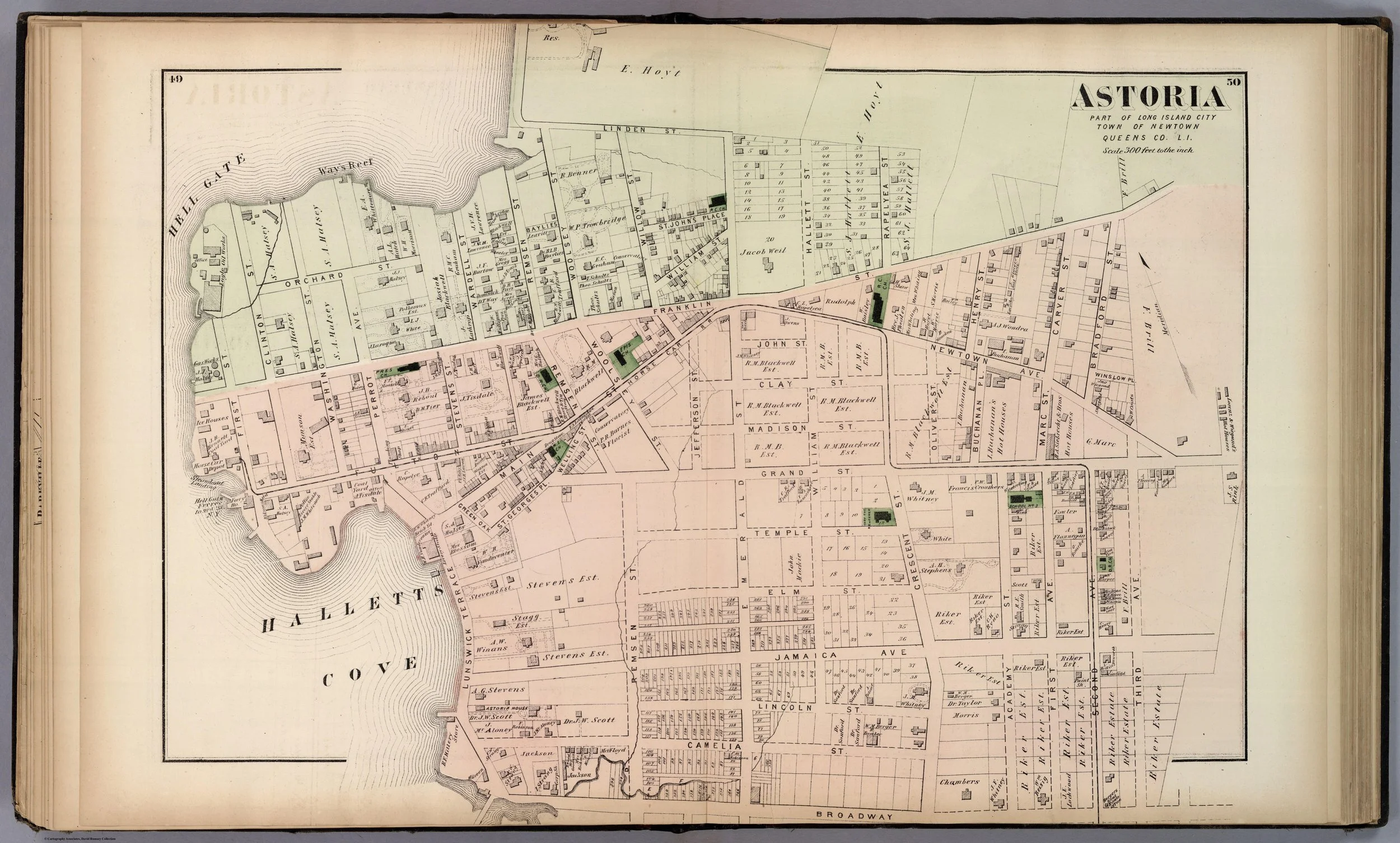
Astoria Before the Skyline
Before it was Astoria, it was Hallett’s Cove: a strategic and beautiful East River settlement shaped by colonial land grants, Hell Gate, ferries, estates, and the ambitions of nineteenth-century village builders.
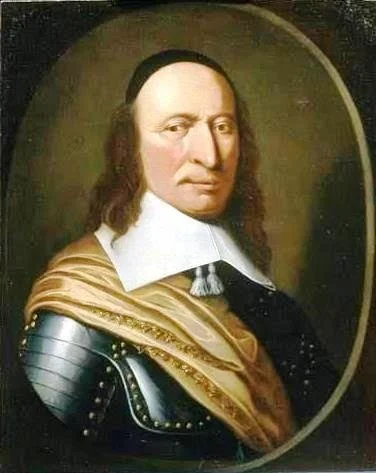
Flushing, Queens: The Remarkable Story of One of New York’s Oldest and Most Revolutionary Neighborhoods
Flushing is one of New York’s oldest neighborhoods, but its story is far more than colonial age. From the Flushing Remonstrance to modern immigration, this Queens neighborhood has repeatedly helped define the city’s future.
Secret Societies, Fraternal Orders, and Esoteric Traditions in Queens
Queens was built not only through railroads, homes, factories, and churches, but through voluntary associations. This guide explores the Masons, Odd Fellows, Elks, Royal Arcanum, Foresters, esoteric orders, and martial traditions that created networks of mutual aid, ceremony, discipline, and belonging.