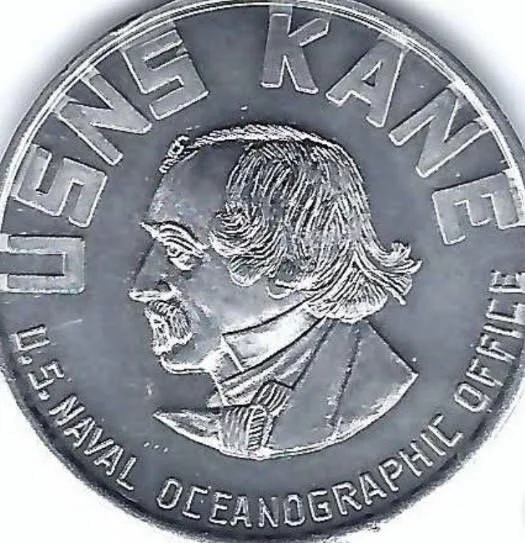
The USS Advance and the Arctic Trial of Brotherhood
How a cargo brig became a vessel of transformation: the story of the USS Advance, the Grinnell Expeditions, and the enduring themes of discipline, ordeal, and brotherhood.
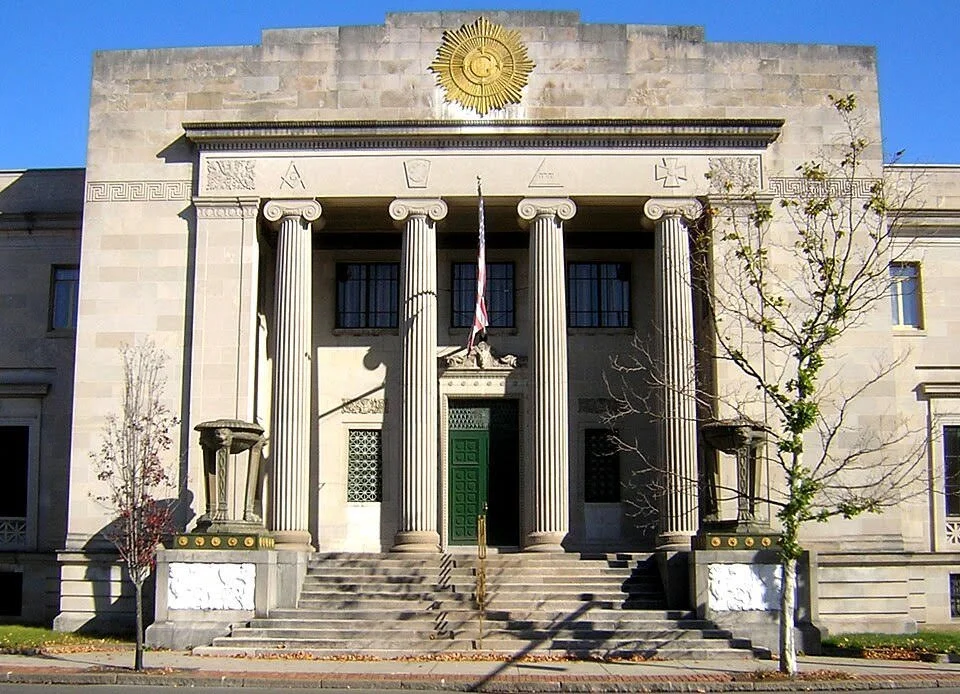
Why Moral Architecture Is More Than a Metaphor
A good intention is not a finished structure. Explore how Freemasonry’s building language connects character with standards, responsibility, maintenance, and shared work.
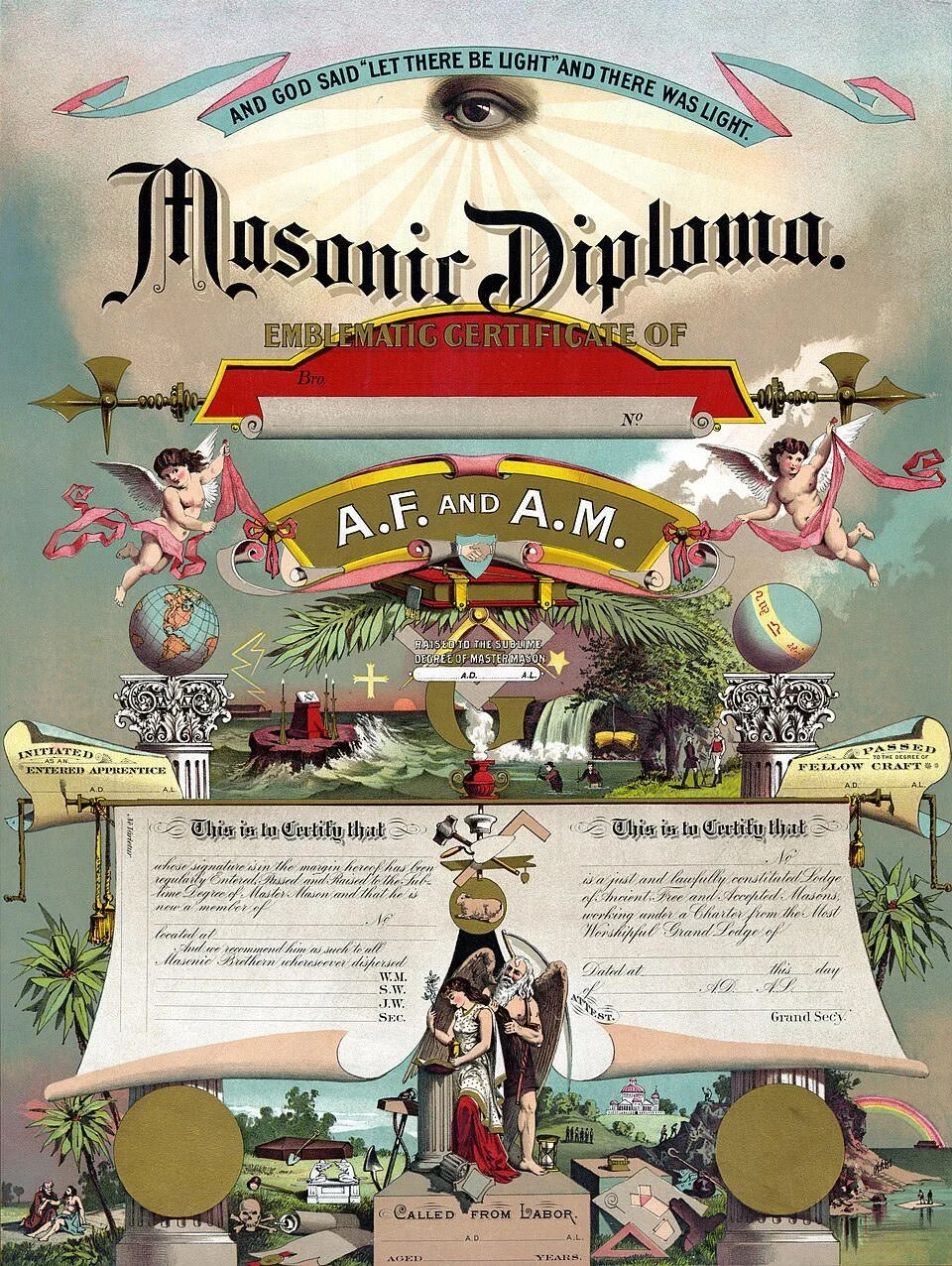
Why Initiation Is About Transformation, Not Information
Reading about an institution does not make you a member. Explore how Masonic initiation marks an undertaking—and why its promise of transformation depends on what follows.

Why Symbols Say Things Plain Language Cannot
You can explain a wedding ring without replacing it. Explore how Masonic symbols gather meaning through objects, relationships, and experience—and why clear explanations still matter.
Why Brotherhood Is Harder Than Friendship
You do not have to become close friends with every member of a lodge. But what do you owe those you would not have chosen? Explore brotherhood, loyalty, and responsibility across difference.
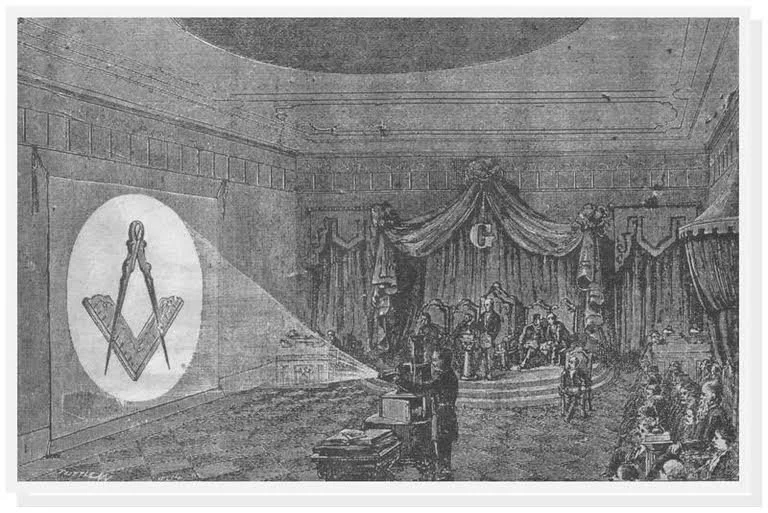
Why Ritual Works Even When You Don’t Fully Understand It
You may remember a ceremony before you can explain it. Explore how Masonic ritual can shape attention and memory—and why being affected is not the same as being improved.
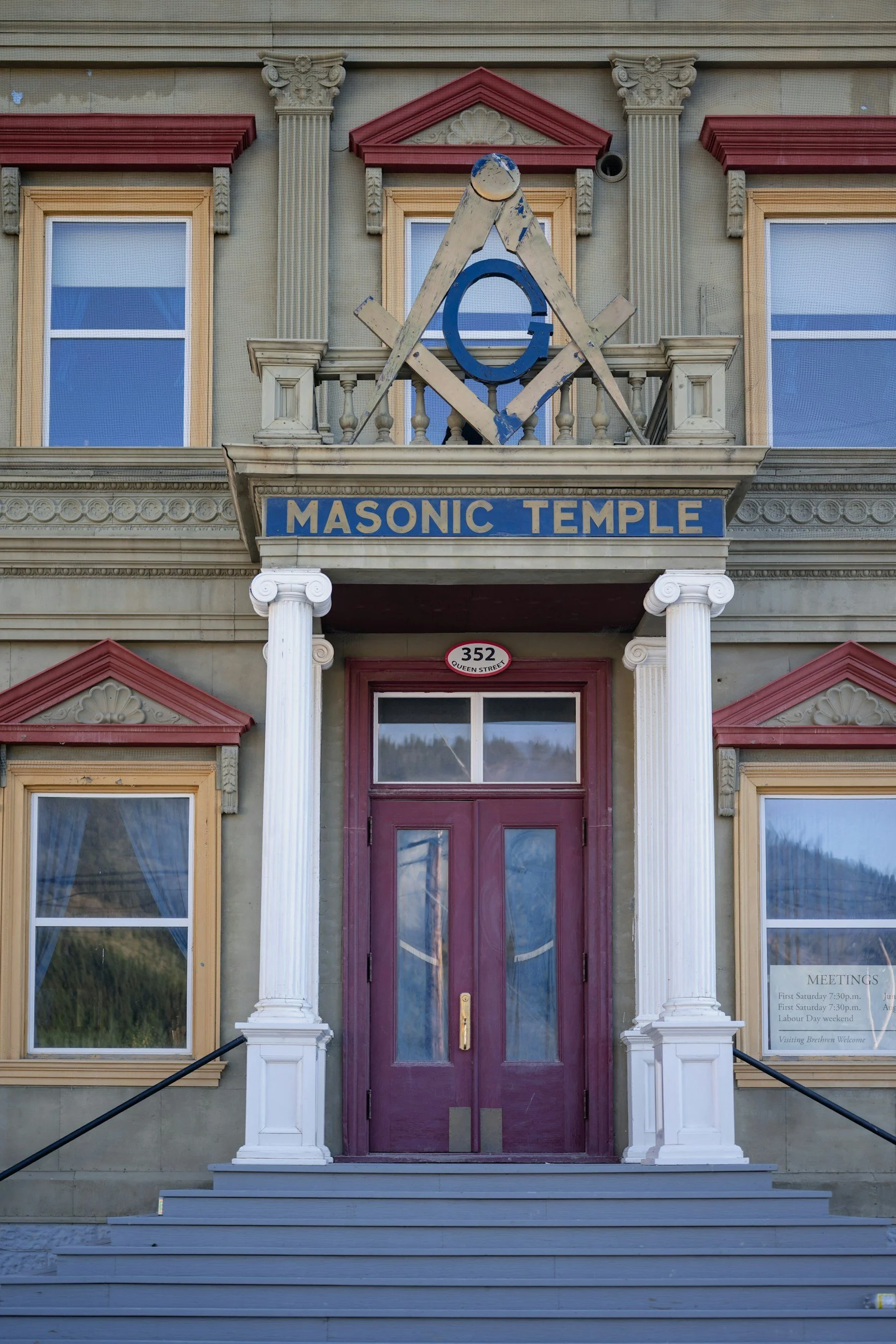
Why Secrecy Is Not the Same as Wisdom
A locked box may contain a jewel—or old receipts. Explore Masonic secrecy, privacy, and silence, and why restricted access tells us little about the wisdom inside.

The Working Tools
A gauge measures. A square tests. Compasses set limits. Explore how Masonic working tools turn general ideas about character into particular questions about conduct.

Masonic Symbols & Symbolic Thinking
Why does Freemasonry teach with stones, tools, and ceremonies? Explore thirteen connected essays on Masonic symbols, symbolic thinking, and the work of character.

Stop Blaming the Egregore
If a Lodge wants a healthier inner life, it cannot wait for invisible forces to fix what the brethren refuse to address. This essay turns practical, showing how ritual, governance, correction, discipline, and honest participation shape the real atmosphere of the Lodge.

The Lodge Mind
This essay applies the concept of the egregore directly to Lodge life, arguing that a Lodge’s inner atmosphere is not automatically healthy, wise, or self-correcting. It becomes what the brethren repeatedly feed through ritual, conduct, discipline, avoidance, and aspiration.

Charles Wesley Hallett, Sr.
Discover the life of Charles Wesley Hallett, Sr.—Civil War veteran, Advance Lodge No. 635 Mason, banker, and civic leader whose story reflects the transformation of Hallett’s Cove into modern Astoria.

Some Men Want Light. Some Just Want a Title.
An exploration of Albert G. Mackey’s three classes of Masons and what they reveal about Masonic ambition, symbolism, study, and the inward meaning of the Craft degrees.

What Freemasonry Is: From Anderson's Constitutions to the Symbolic and Observant Lodge
Where modern Freemasonry's idea of itself comes from, what the symbolic lodge is, and why some Masons want the lodge to slow down.