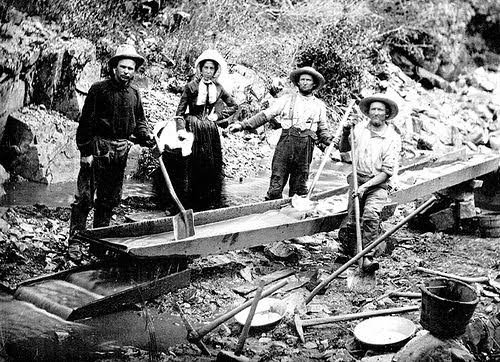
Julius H. Striedinger After Hell Gate: Canals, Mines and a Death at Sea
The engineer who helped blast Hallett's Point did not stay in Astoria. From 1877 to 1894, Advance Lodge brother Julius H. Striedinger cleared snags on Colombia's Magdalena River, worked on the Panama and Nicaragua canal projects, ran an Arizona mine and built California roads, until he drowned off Mexico.
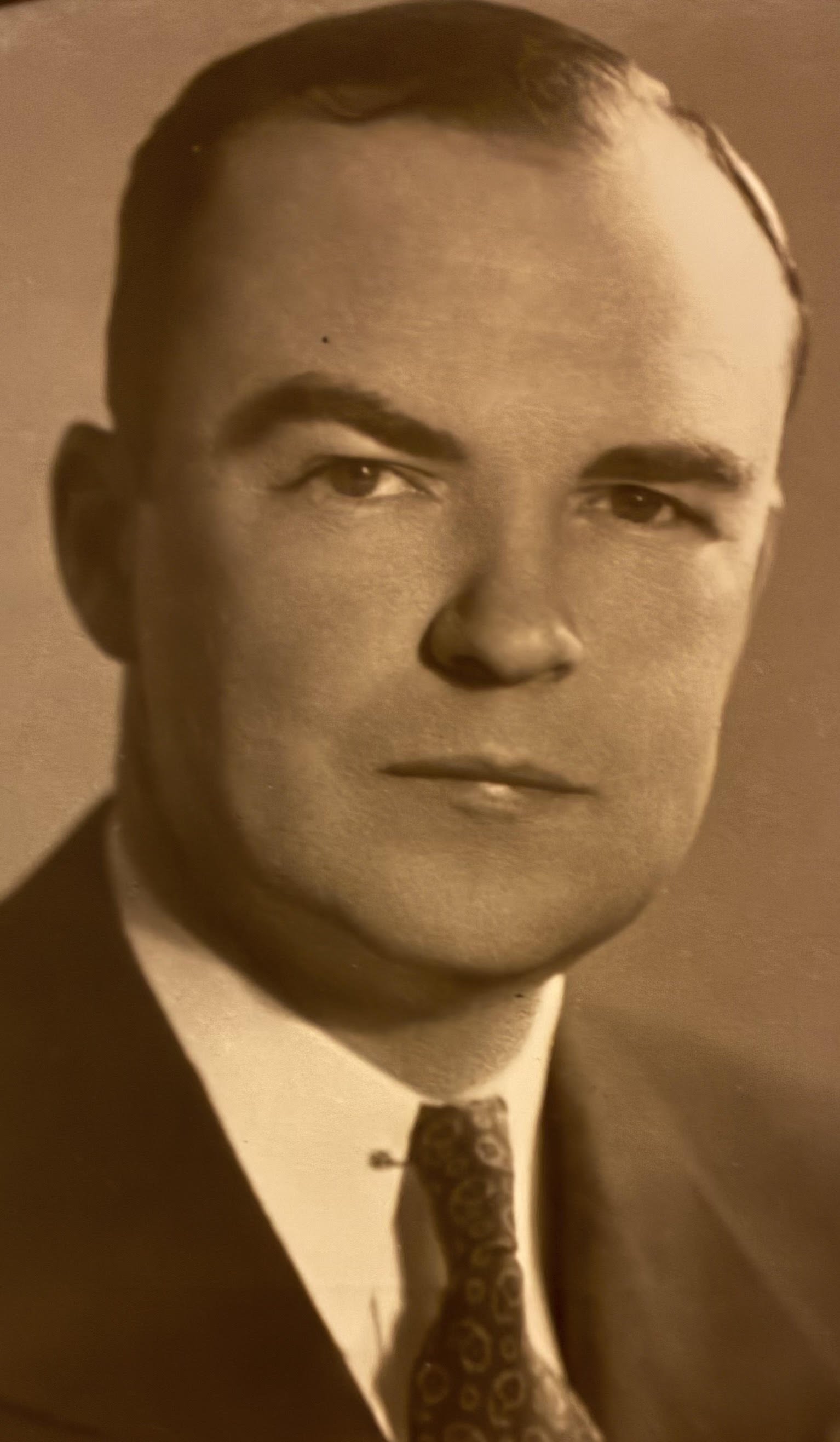
John Hetherington of Advance Lodge No. 635: From Belfast to the Queens Surrogate's Bench
An Irish-born attorney entered Astoria's Advance Lodge No. 635 at thirty. He went on to preside over the lodge as Master, prosecute for Queens County, and serve twelve years as the judge to whom the borough brought its wills.
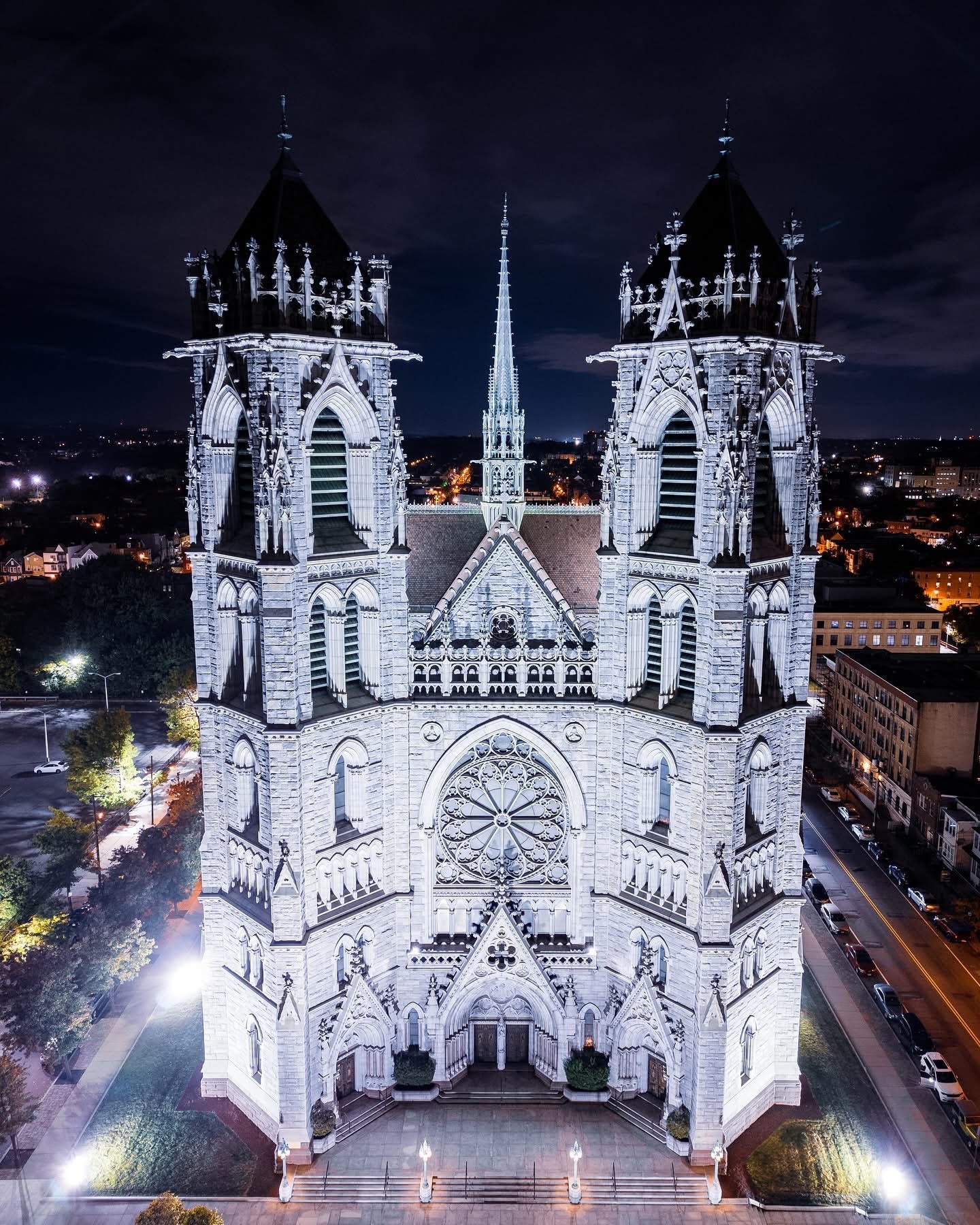
Isaac E. Ditmars of Advance Lodge No. 635: The Nova Scotian Who Helped Build Gilded Age New York
Raised a Master Mason in Astoria's Advance Lodge No. 635 in 1873, a young Nova Scotian named Isaac E. Ditmars went on to run Schickel & Ditmars, one of Gilded Age New York's busiest architectural firms. Its work included St. Ignatius Loyola on Park Avenue, St. Joseph's Seminary at Dunwoodie, and the landmark Macy's annex on 14th Street.
Paton and Wolcott Noble: Brothers of Advance Lodge No. 635 in Long Island City
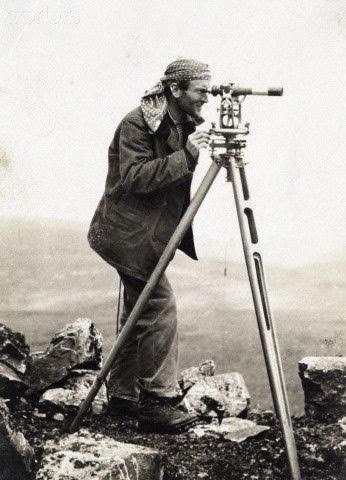
Peter G. Van Alst Jr.: Astoria Surveyor of Advance Lodge No. 635
Raised in Advance Lodge No. 635 in 1904, Peter G. Van Alst Jr. followed his father, the surveyor who drew the first official map of Long Island City, into a trade that had already put the family name on Queens street signs.

Julius von Hunerbein: Prussian Officer Who Mapped Long Island City

Dr. W. Remsen Taylor: Civil War Colonel and Astoria Physician
A Rutgers man who led a New Jersey regiment at Fredericksburg and Chancellorsville, Dr. William Remsen Taylor became Astoria's last village president, a Long Island City public-health officer and an organizer of Astoria Hospital. Raised in Advance Lodge No. 635 in 1880 on the same night as Henry Clay Johnson, he was Master of the lodge in 1884 and 1885.
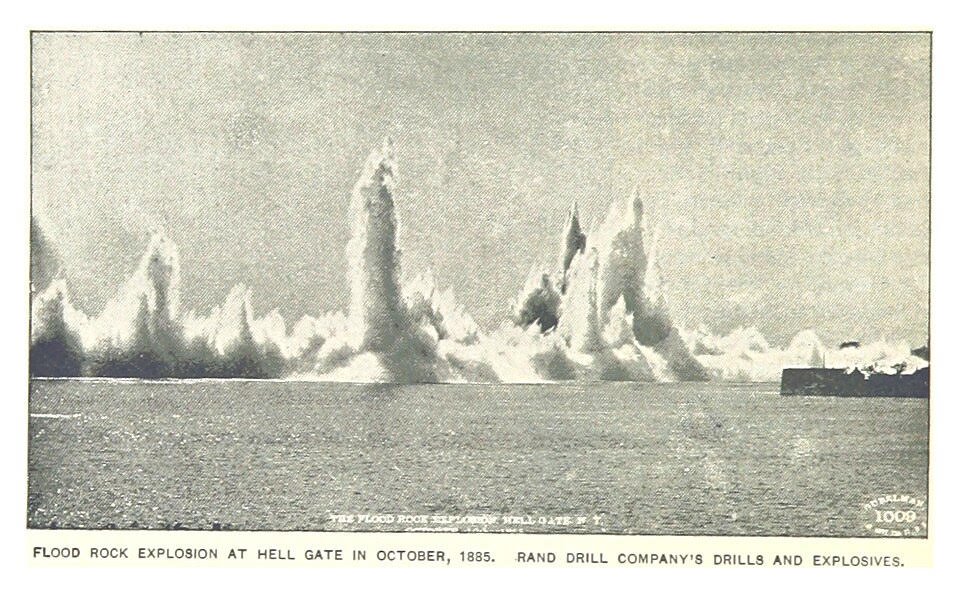
Julius H. Striedinger: Hell Gate Engineer of Advance Lodge No. 635
The "glycerine man" of Hell Gate: how Advance Lodge brother Julius H. Striedinger helped fire the 1876 Hallett's Point blast with a single key.

Dr. Joseph N. Wickham of Mizpah Lodge No. 738
As District Deputy Grand Master of the First Masonic District, Dr. Joseph N. Wickham helped lay and dedicate the new Masonic temples of Queens in 1915 and 1916. He did it while his own Mizpah Lodge No. 738 still met in rented rooms. Four years later, he chaired the cornerstone of Mizpah's Elmhurst temple.
Two Lodges, One Corner: Oscar Coles, Henry C. Atwood and the Road to Harmony
In 1851, Grand Master Oscar Coles installed the officers of a Manhattan lodge bearing his name. Explore its change to Constitution Lodge No. 241, the nearby Atwood Lodge connection and the institutional histories that eventually reached Harmony and Francis Lewis in College Point.

A Man of Signals: Daniel Butterfield, Taps and Metropolitan Lodge No. 273
General Daniel Butterfield helped shape Taps, earned the Medal of Honor at Gaines’ Mill and became embroiled in the Black Friday gold scandal. His membership in Metropolitan Lodge No. 273 connects this complicated Civil War figure to the history Francis Lewis Lodge carries today.
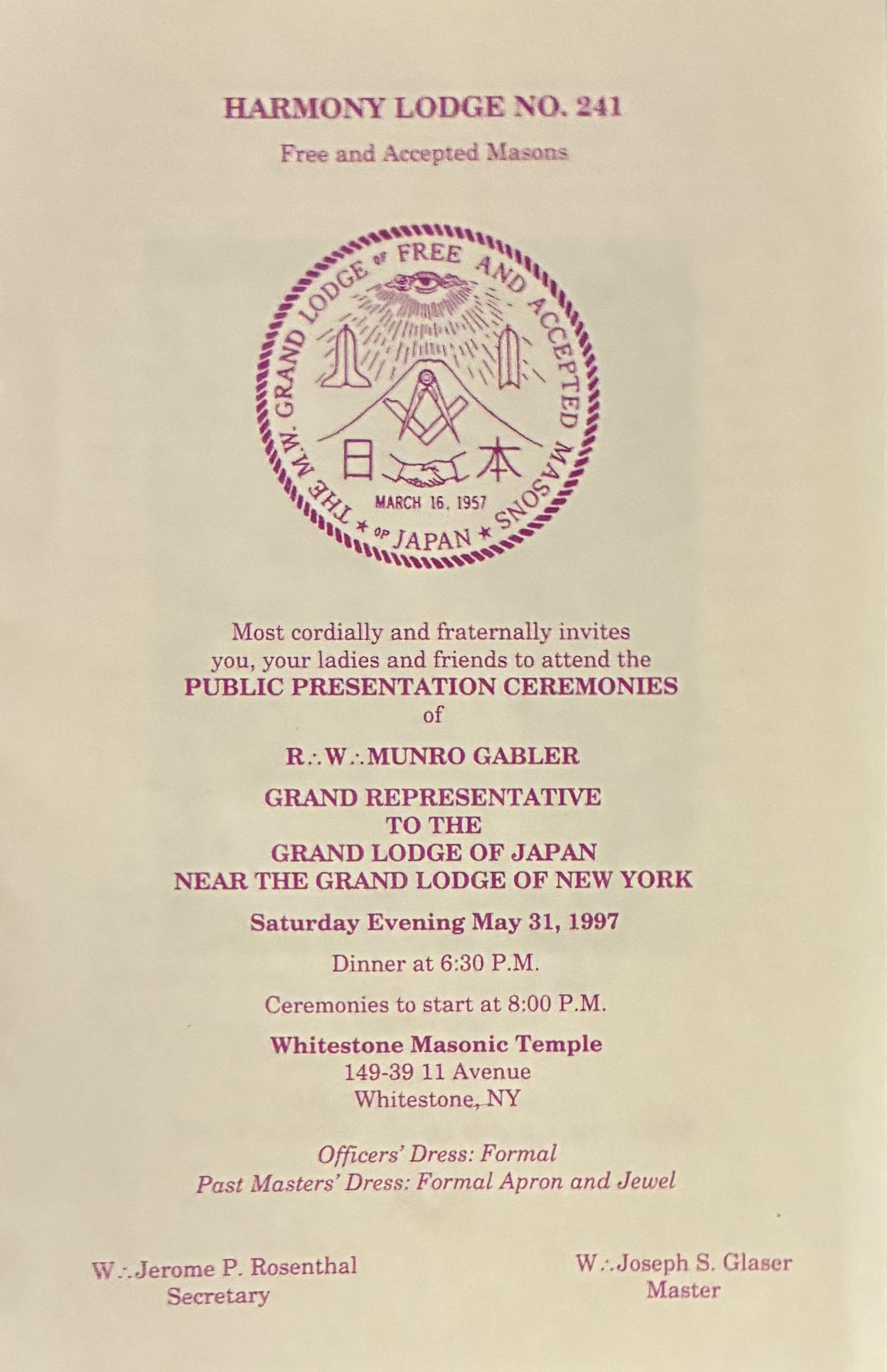
Harmony Lodge No. 241: A Historical Members Directory
A growing research directory for Harmony Lodge No. 241 and its six constituent lodge histories: Constitution, King David, Maspeth, Rufus King, North Shore and Cardozo. Explore founding connections, documented offices, biographical notes and related articles, with combined-lodge affiliations and unresolved details clearly distinguished.
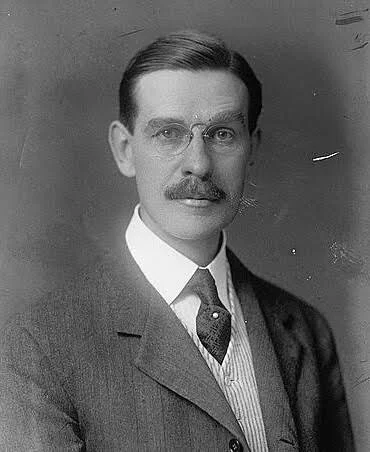
At the Pulpit and the Dedication: Arthur B. Rhinow and Townsend Scudder
Two short profiles explore connections beyond the lodge room. The Rev. Arthur B. Rhinow linked Tadmor with Ridgewood Presbyterian Church through services and neighborhood activities, while former Grand Master Townsend Scudder presided at the dedication of Advance’s Astoria temple.
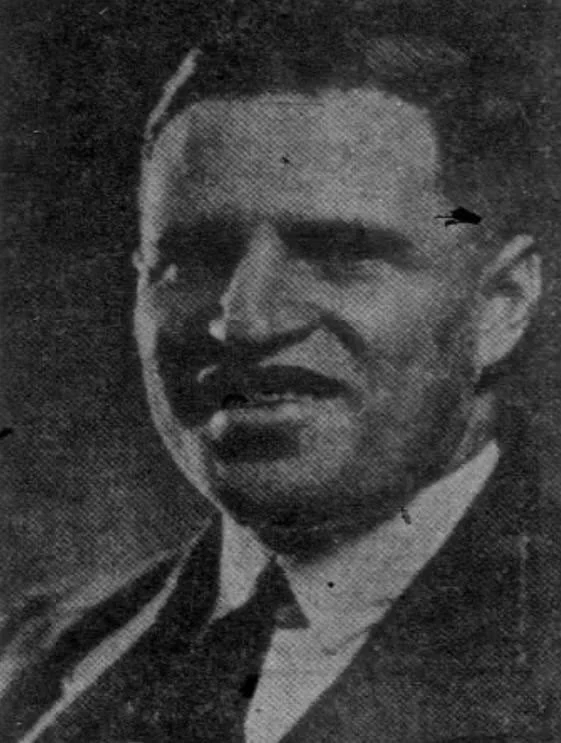
From Host to Guest: George U. Harvey and the Queens Lodge Room
George U. Harvey hosted public officials as Cornucopia Lodge’s Master in 1922 and returned as an invited borough president at Rufus King Lodge in 1929. Follow the meetings, speaking engagements and lodge connections that reveal how Queens Masonic rooms also served as settings for civic life.
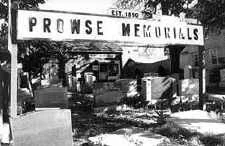
Two James Prowses: A Father, a Son and Two Astoria Lodges
Father and son, both named James Prowse, belonged to Advance Lodge No. 635. The son gave its 1915 cornerstone; the father, a past master, helped found Astoria Lodge No. 963, which the son led in 1926.
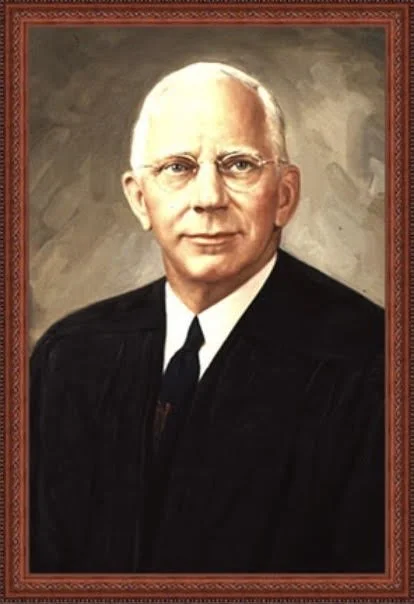
From Tadmor’s East to the Grand East: Charles W. Froessel
Charles W. Froessel served as Tadmor Lodge’s Master, Grand Master of New York and a judge of the state’s highest court. Follow his parallel Masonic and legal careers, from a Ridgewood ceremony for his five brothers to the constitution of three Queens lodges and the 1964 World’s Fair.
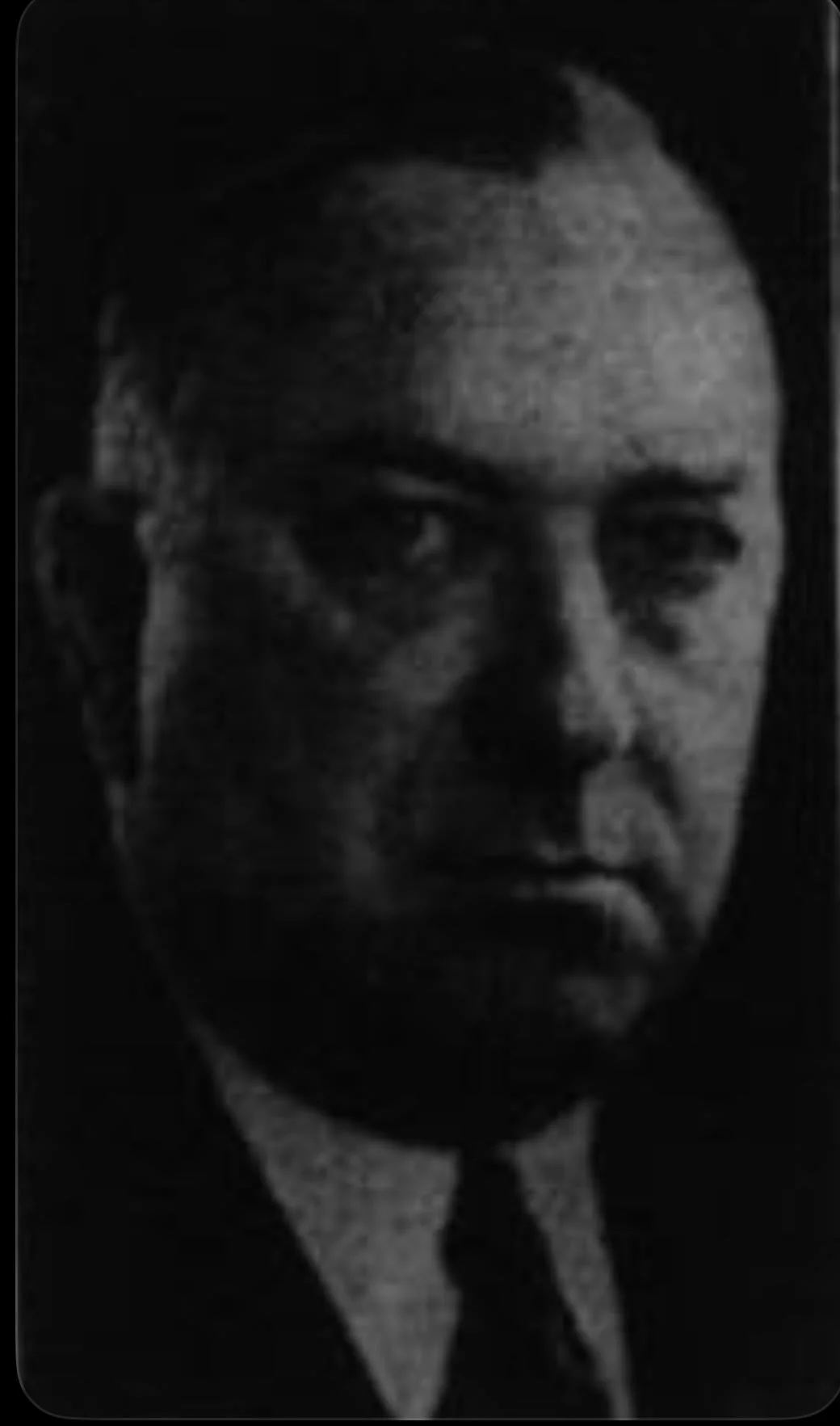
Mr. Mason of Queens: Edward J. Smith and the Work of Starting Lodges
Remembered as “Mr. Mason of Queens,” Edward J. Smith was Tadmor Lodge’s first Master and a familiar figure at other lodges’ beginnings. Follow the borough clerk and judge through the early ceremonies of Geba, Astoria and Wakefield, and the work of connecting Queens’ Masonic institutions.
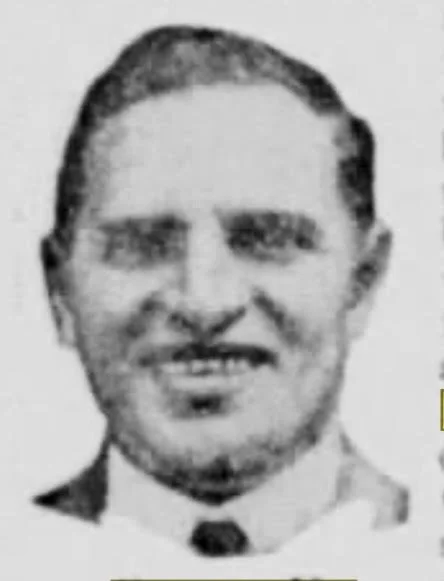
George U. Harvey: Cornucopia’s Master, Queens’ Borough President
George U. Harvey served twice as Master of Cornucopia Lodge No. 563 and also belonged to Mizpah Lodge No. 738. Follow his path from decorated infantry captain to Queens borough president through public-servants’ nights, combative politics and the joint Masonic rites that brought both lodges together at his death.
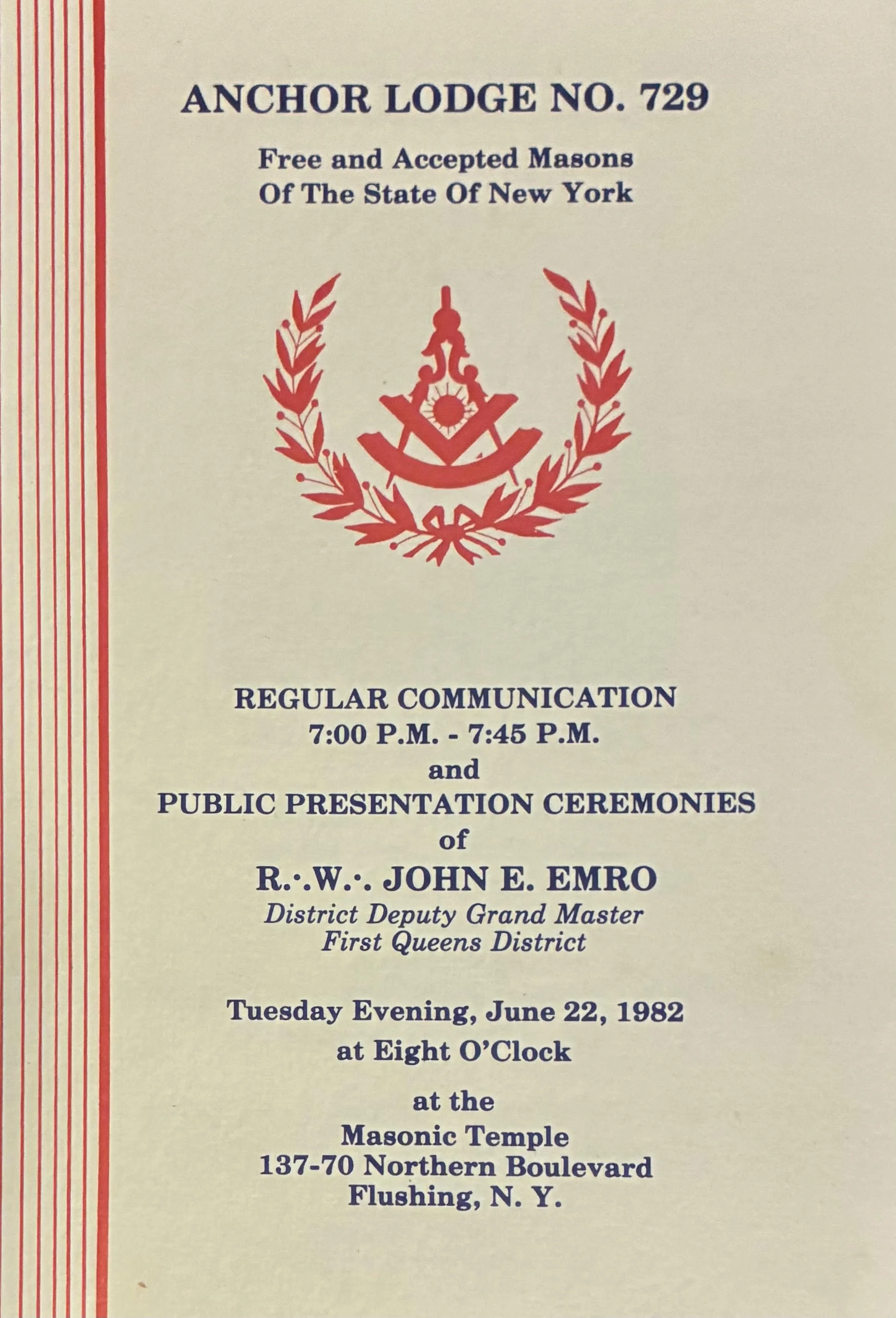
Henry C. Buncke of Anchor Lodge No. 729: A Ledger-Keeper Between Two Villages
Henry C. Buncke lived in Whitestone, served as Master of College Point’s Anchor Lodge No. 729 and built a public career with New York’s Board of Water Supply. Explore his brief tenure as Commissioner of Accounts, local banking and transportation interests, and reported assistance to Whitestone’s Masons in 1922.
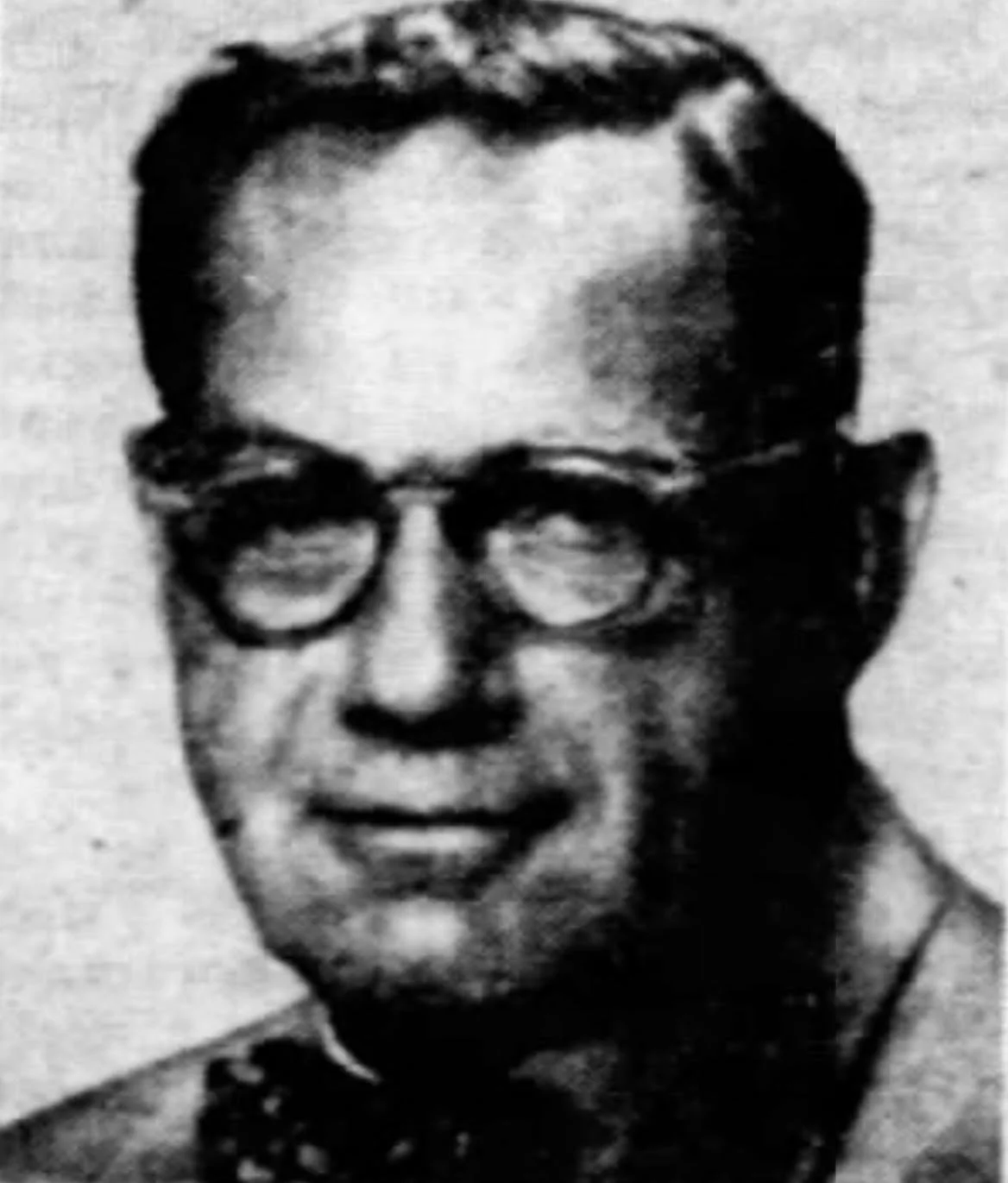
William J. Gottlieb of City Lodge No. 408: The Mason Who Fought for the American Driver
William J. Gottlieb served as Master of City Lodge No. 408 while building a career as one of the American motorist’s most persistent advocates. From taxicabs to toll disputes, gasoline rationing and school safety, his story follows the growth of the Automobile Club of New York—and the battles over who should pay for the road.