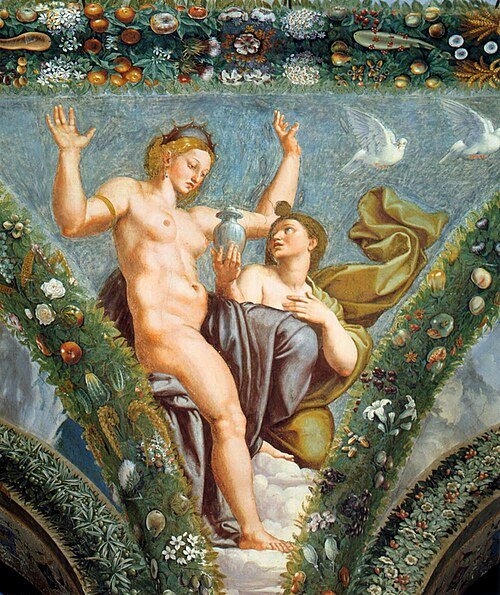
Venus Gives the Soul Impossible Work
Psyche’s labors are not punishment for being human. They are the work required to become capable of carrying the soul she already possesses.
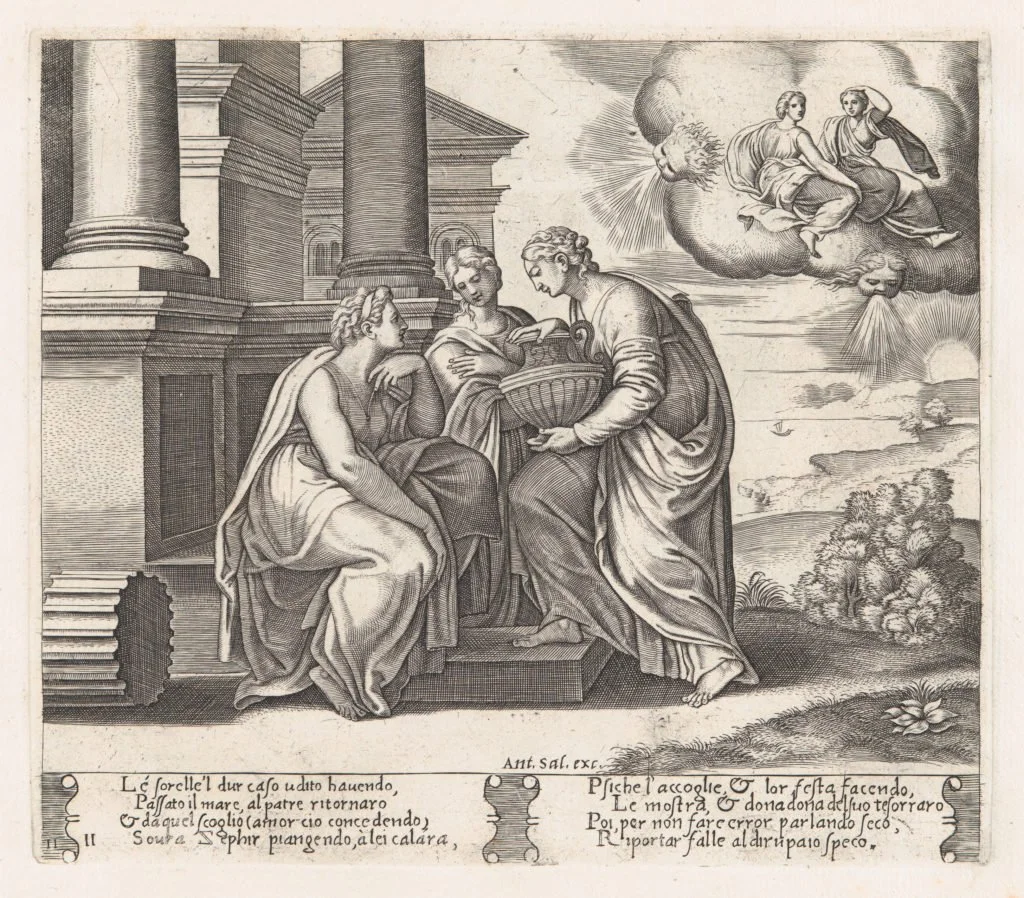
The Sisters Who Explain Everything
Envy rarely says, “I want what you have.” It says, “I am worried about you.”
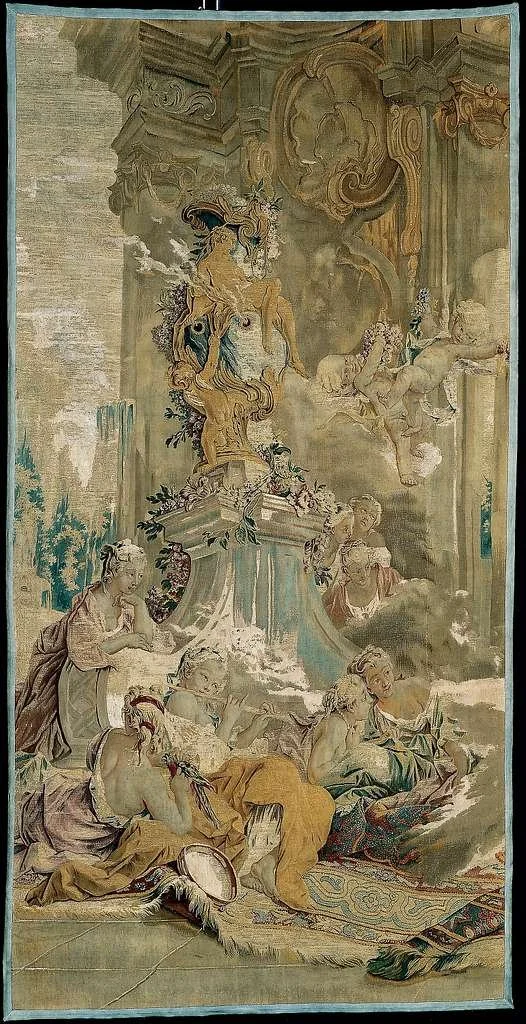
Why Psyche Was Told Not to Look
Psyche does not fail because she wants knowledge. She fails because she wants knowledge without trust, patience, or the discipline to bear what she sees.
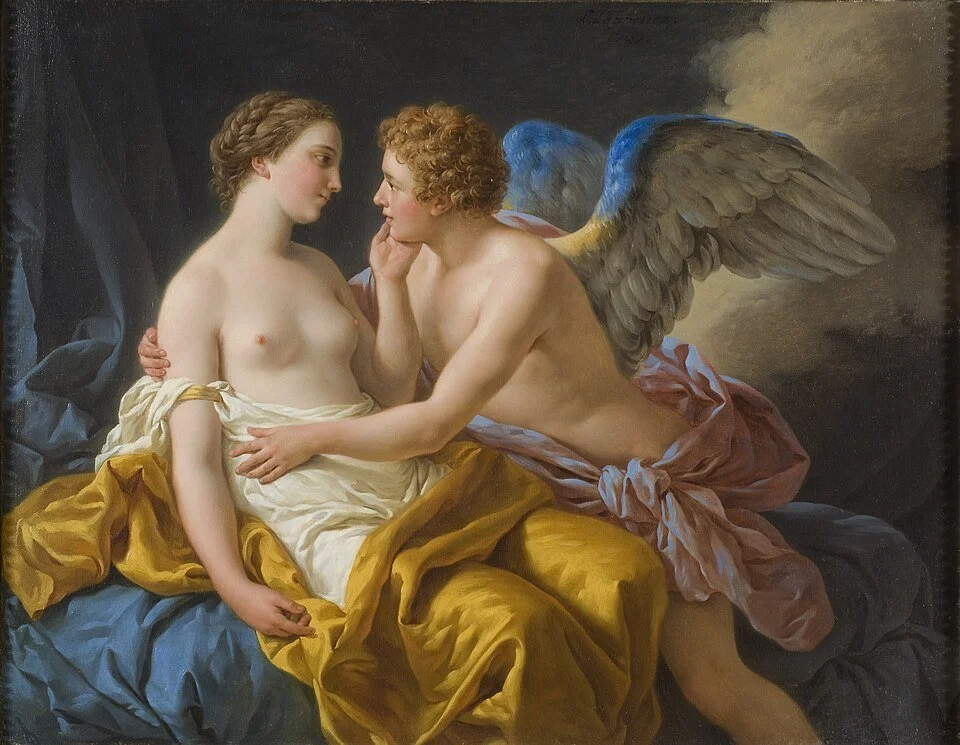
The Soul and Love
A six-part philosophical series on Cupid and Psyche, Apuleius, Platonism, love, curiosity, envy, suffering, impossible tasks, and the education of desire.
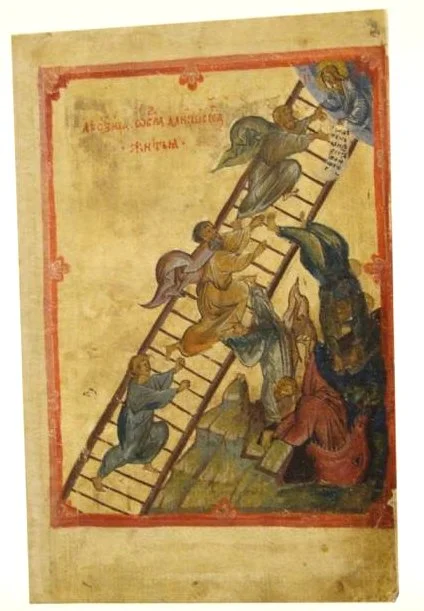
Love as a Ladder, Not a Trap
Desire begins by wanting to possess what is beautiful. Education teaches it to become worthy of beauty instead.
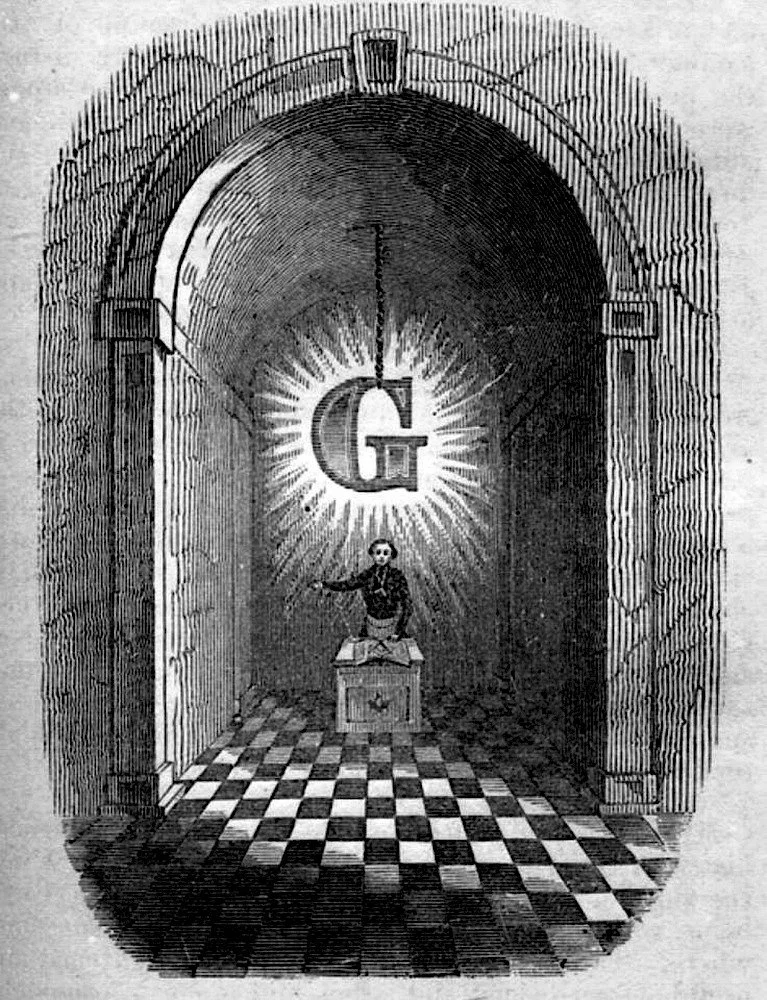
The Middle Chamber of the Mind
A staircase is not an education. But no education begins until a person admits that he has been standing on the lower floor.
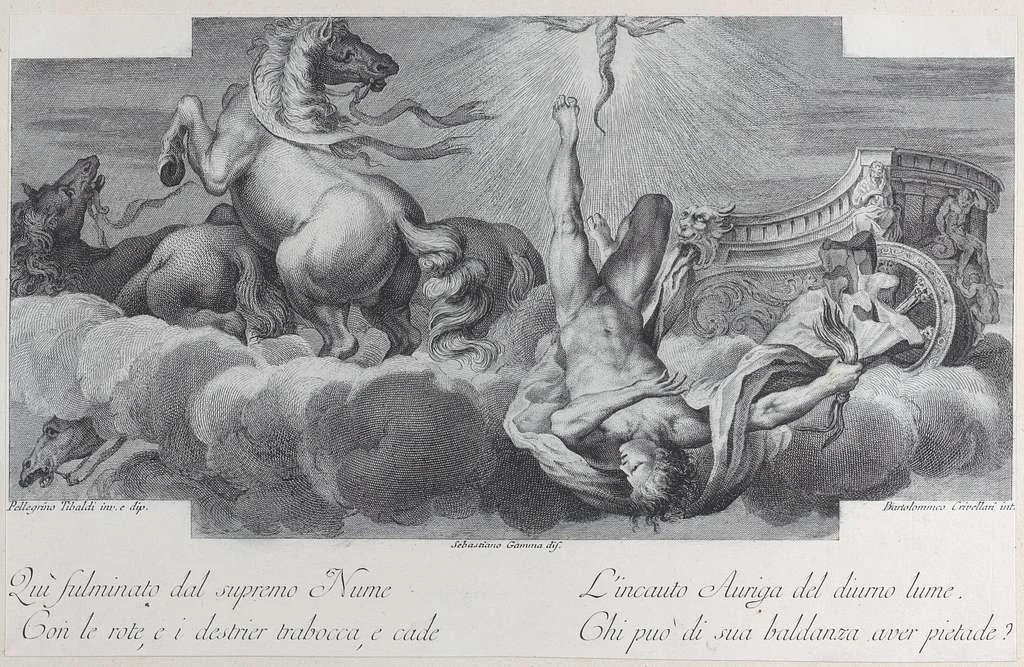
The Fall of the Chariot
The soul falls not because it is alive in a body, but because its powers cease to move together. Recovery begins when it stops mistaking confusion for fate.

Why the Soul Has Wings
Beauty can make a person want to possess. It can also make him remember. Plato’s question is whether he can learn the difference.
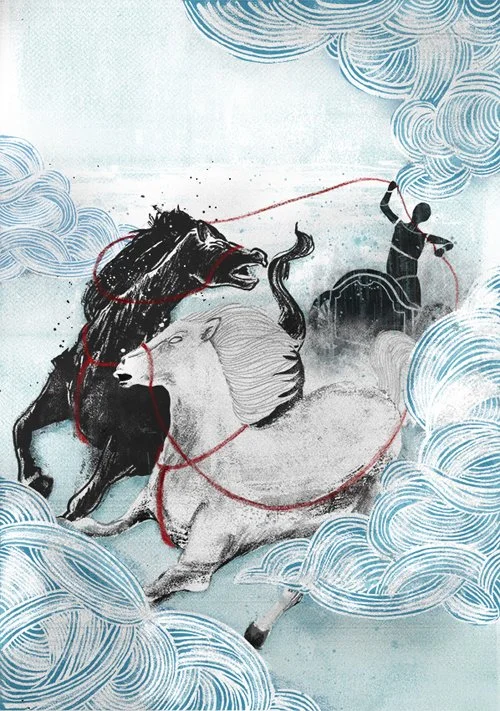
The Black Horse Is Not the Enemy
Discipline is not the murder of desire. It is the education of desire until it can pull in the same direction as the soul.
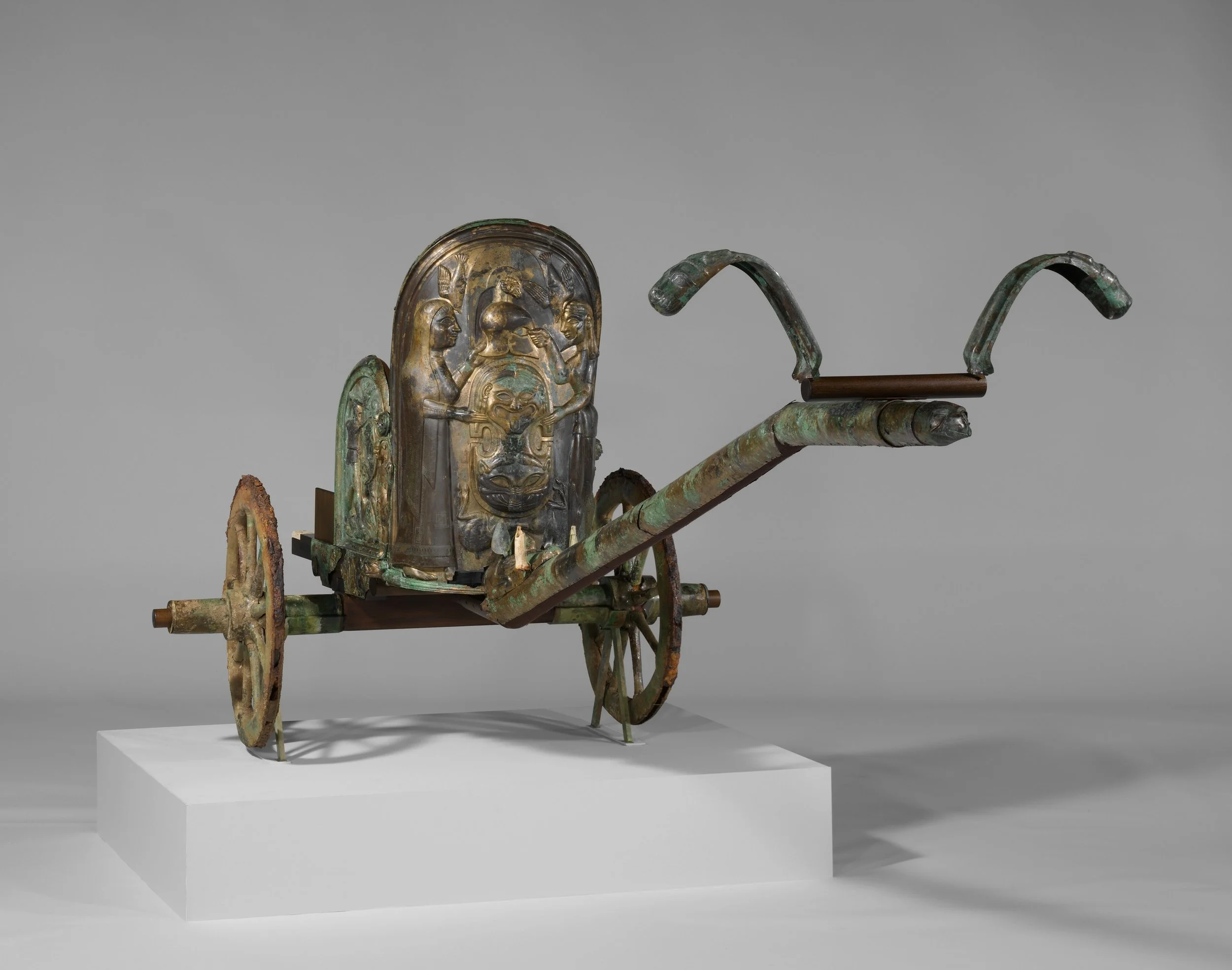
The Chariot Is Not a Car
Plato’s chariot has one driver and two horses. That is not a transportation problem. It is a picture of what it feels like to be human.
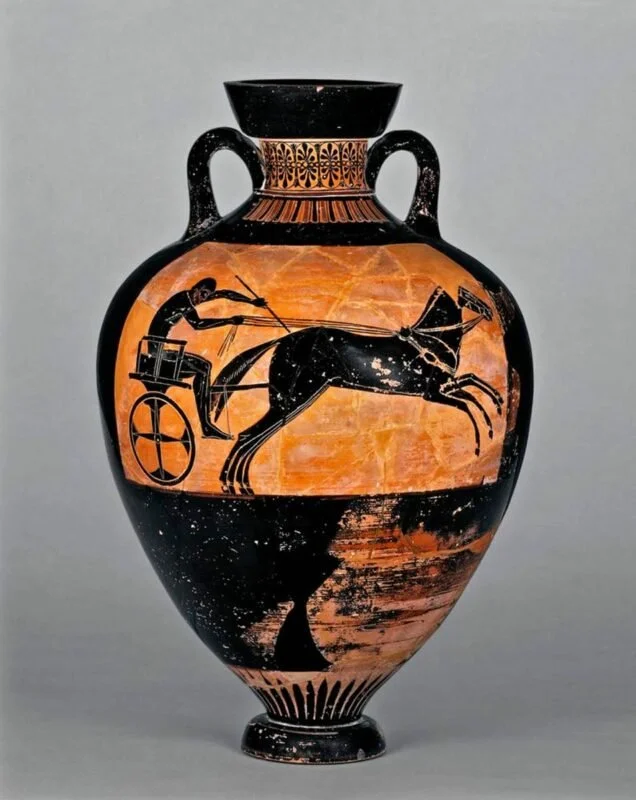
The Chariot Within
A six-part series on Plato’s winged chariot, desire, beauty, moral education, the liberal arts, and the soul’s ascent—read through Plato, Hermias, and a careful Masonic lens.
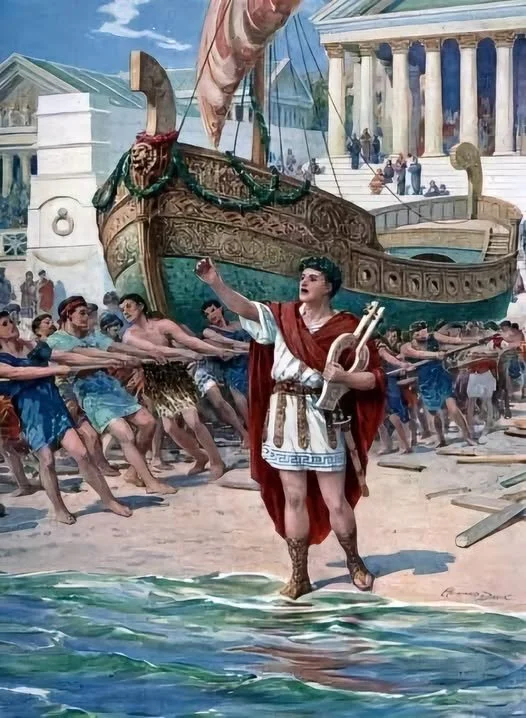
The Argo After the Voyage
A fellowship is not measured only by what it acquires together. It is measured by the character, memory, responsibility, and service it produces after the voyage ends.
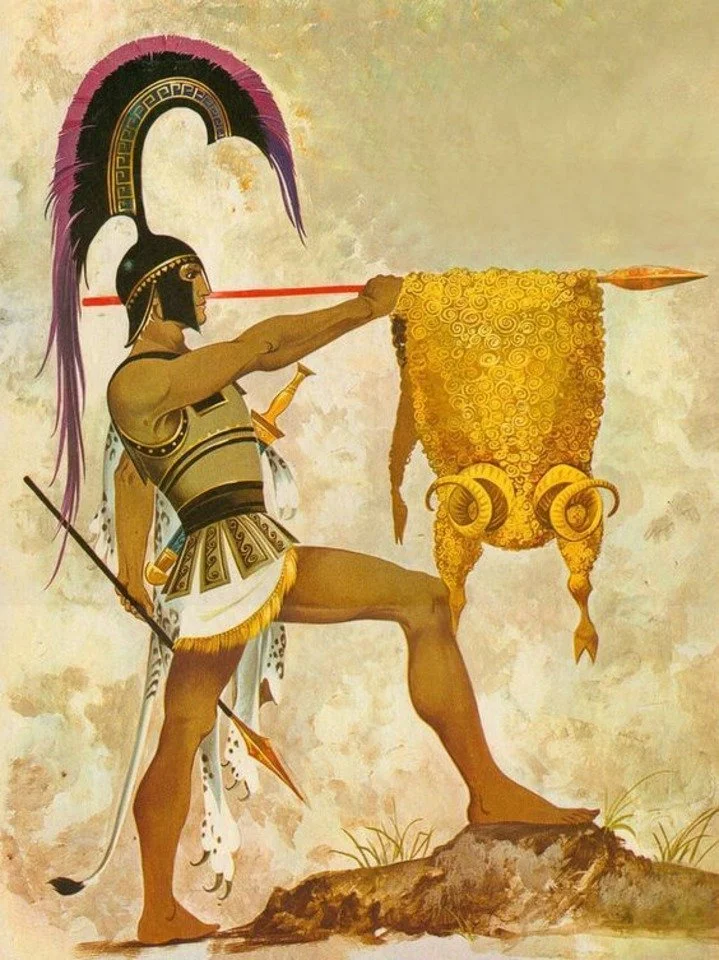
The Golden Fleece Is Not the Prize You Think It Is
The Golden Fleece is magnificent, prestigious, and morally silent. It can prove that Jason completed his quest. It cannot prove that he became equal to what the quest required.
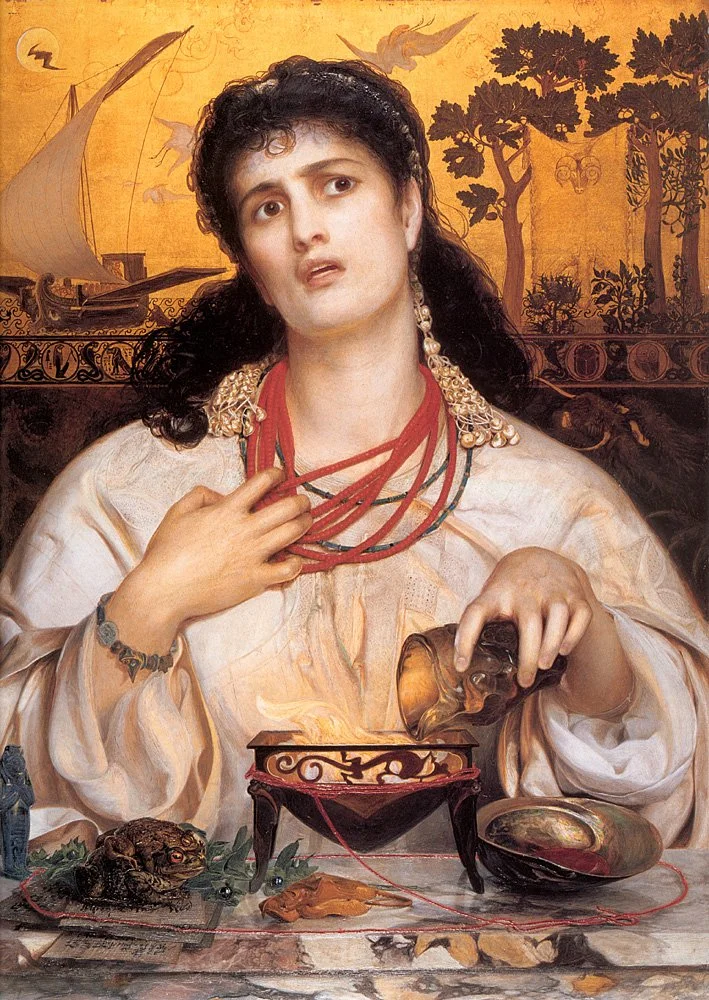
Medea’s Fire
Jason’s great heroic achievement has a complication: Medea does most of the impossible part. The Golden Fleece is never merely his trophy. It carries a moral debt.
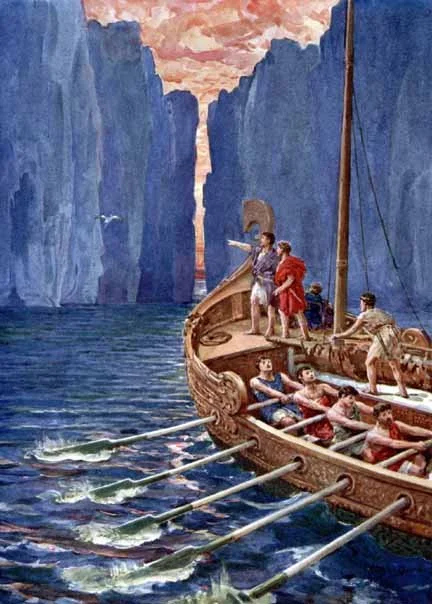
The Clashing Rocks
Some problems cannot be solved by pushing harder. The Clashing Rocks teach that courage needs counsel, timing, and the discipline to test reality before committing everything.
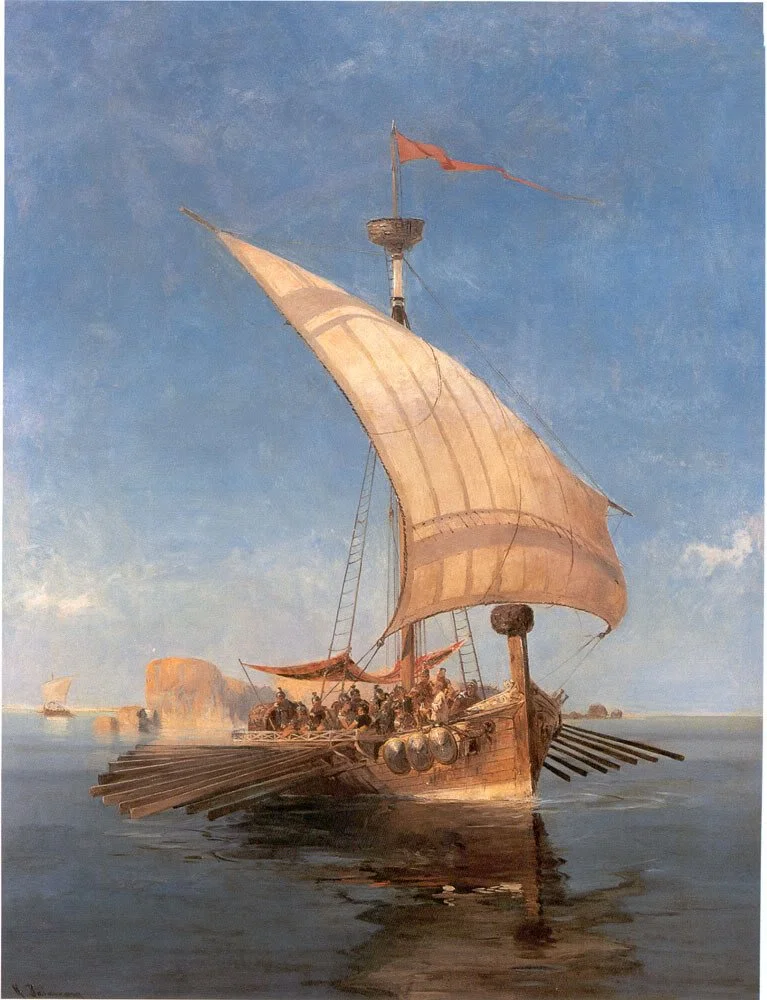
The Argo Is Not a Solo Project
Jason leads heroes more famous than himself. The Argo teaches that fellowship is not the gathering of impressive people, but the difficult work of making different gifts move toward one purpose.
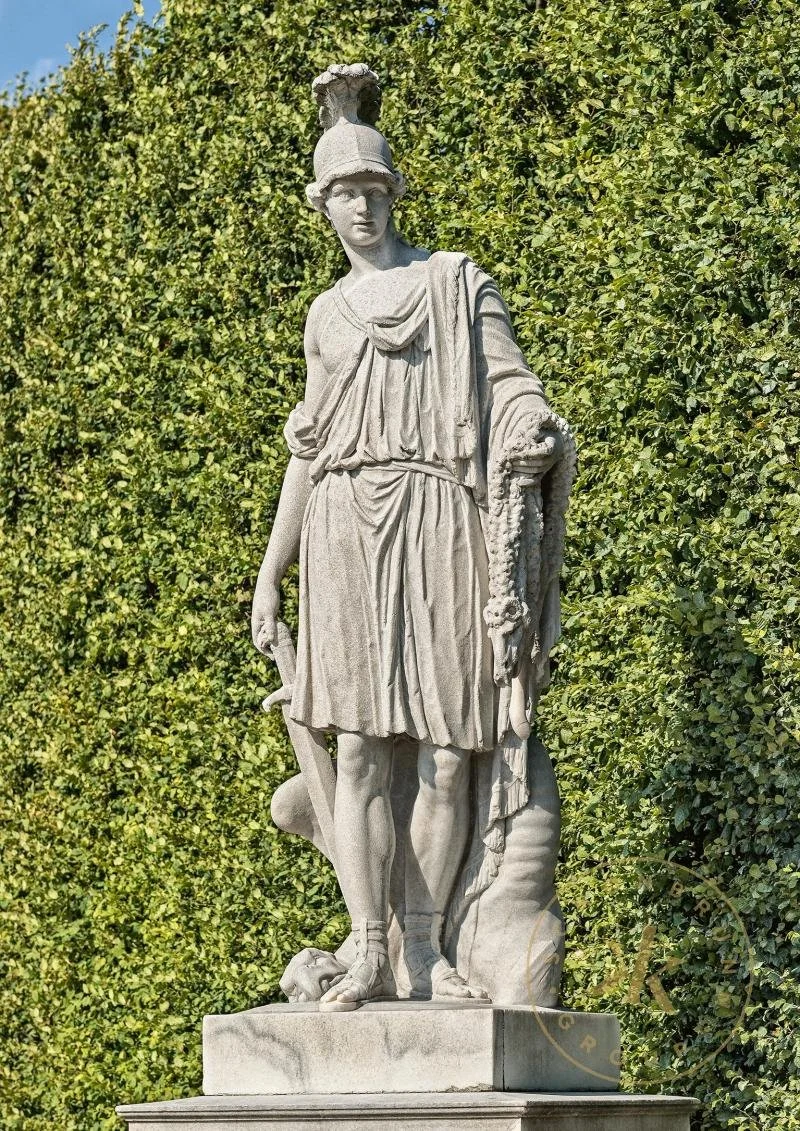
Before the Fleece
Jason is sent to retrieve the Golden Fleece because another man has taken what belongs to his family. His story begins with a familiar human problem: someone else made a mess, and now it is his turn to deal with it.
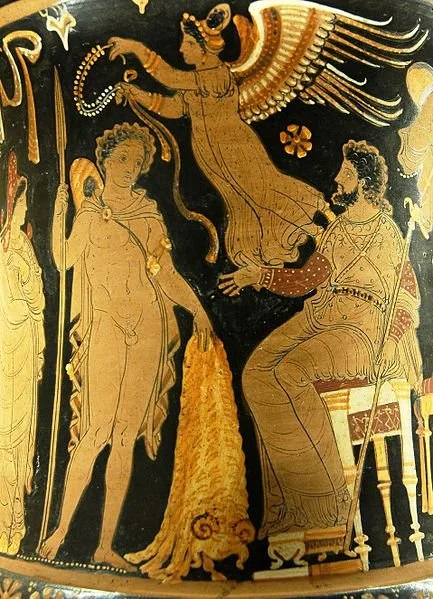
The Golden Fleece Within
A six-part philosophical series on Jason and the Argonauts: leadership, fellowship, desire, moral debt, achievement, and the hard work of becoming worthy.

Penelope’s Loom, the Middle Chamber, and the Art of Returning Home
Ulysses’ voyage is not complete when he reaches Ithaca. The household must still be put in order. Penelope’s loom shows why: the soul returns not merely to a place, but to the patient work of making a life coherent.
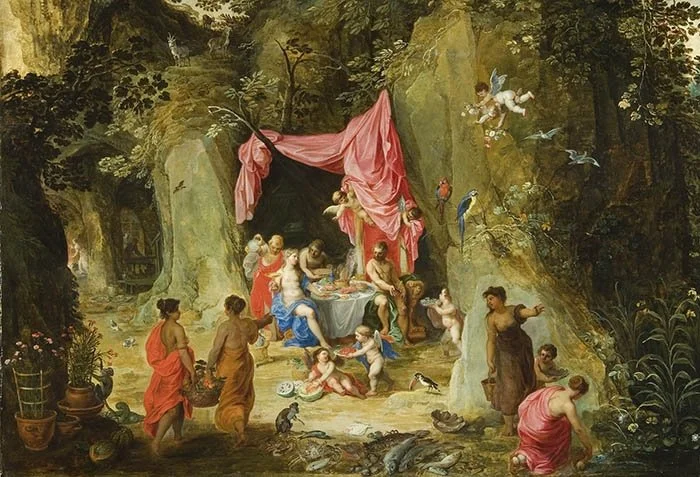
Calypso’s Island and the Most Dangerous Gift in the World
Calypso offers Odysseus what many people say they want: safety, beauty, eternal youth, and freedom from death. He chooses Ithaca instead. The decision is stranger—and wiser—than it first appears.