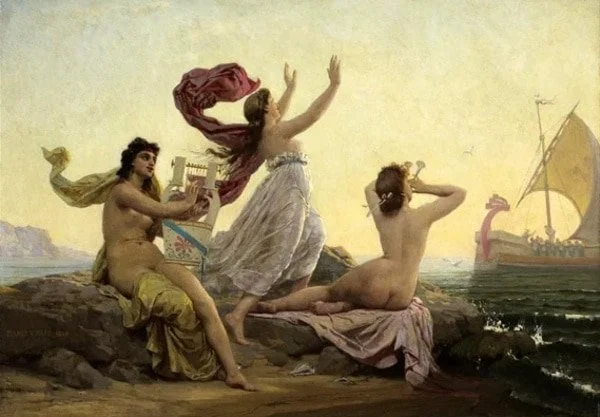
The Sirens, the Cyclops, and Other Things That Want Your Attention
The Sirens promise knowledge. The Cyclops has one enormous eye. Neither is what a philosopher would call a healthy intellectual life.
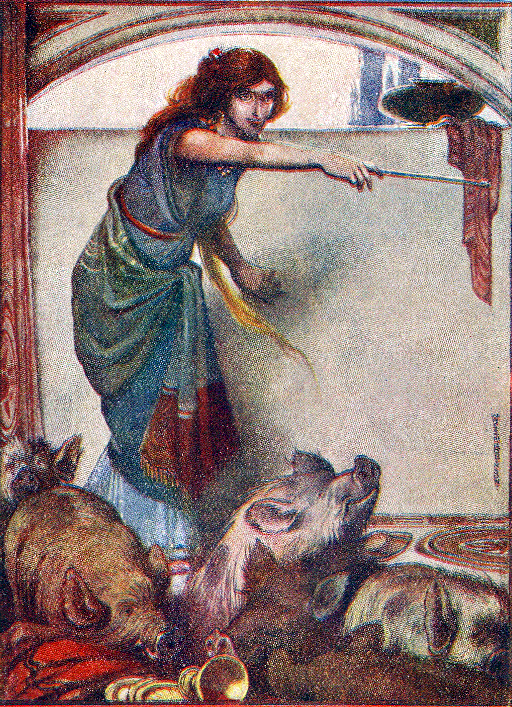
Circe’s Pigs and the Problem of Becoming What You Eat
Circe’s magic is not powerful because it changes men into pigs. It is powerful because it makes visible a possibility most people prefer not to consider: that the soul can become like whatever it serves.
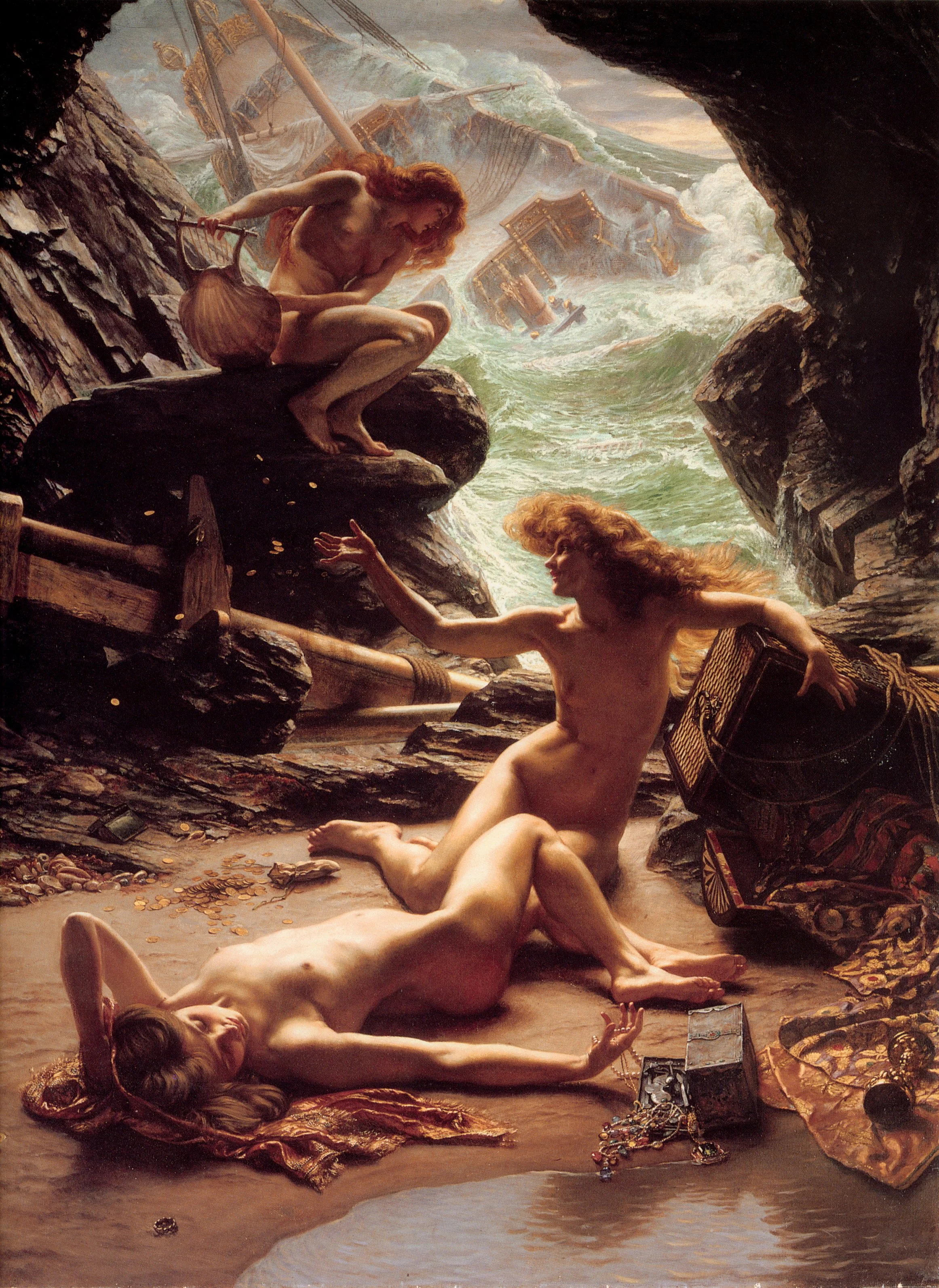
The Cave at Ithaca: Porphyry’s Map of the Cosmos
Why does Homer describe a cave with such exactness? Porphyry’s answer was radical: because the cave is not only a cave. It is the world, the body, and a threshold in the soul’s journey.
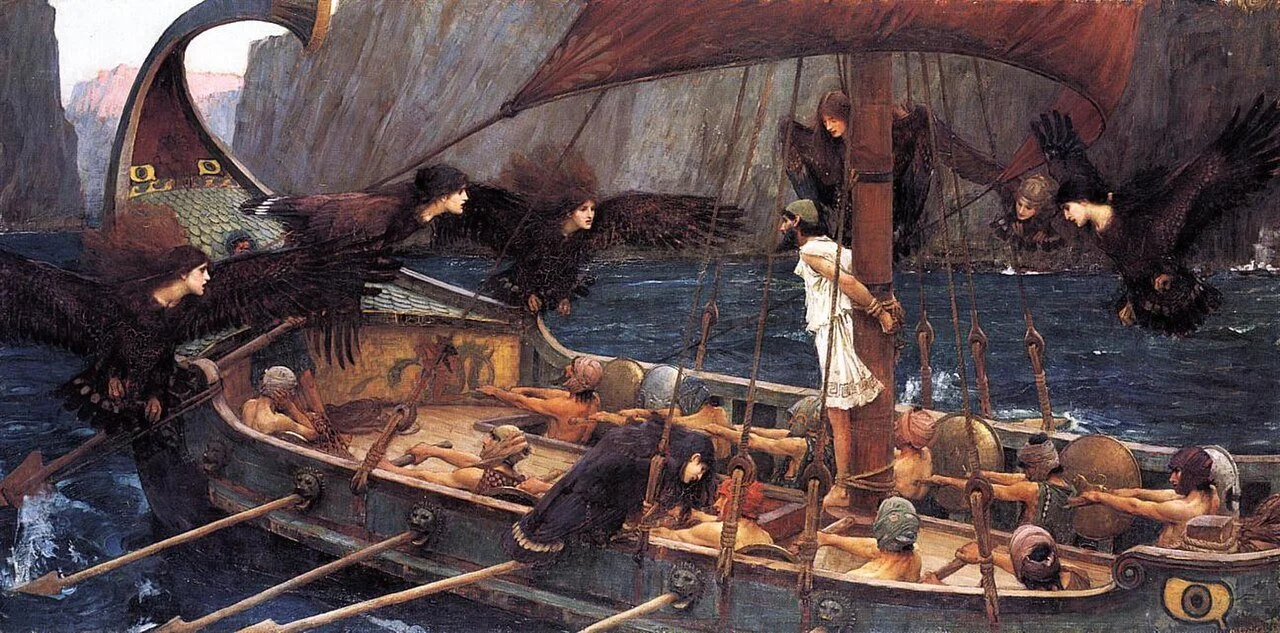
Ulysses Was Not Lost at Sea: Thomas Taylor and the Soul’s Long Voyage
The Odyssey may be the oldest story about a difficult trip home. Thomas Taylor believed it was also a map of the soul’s voyage through the dangerous waters of ordinary life.
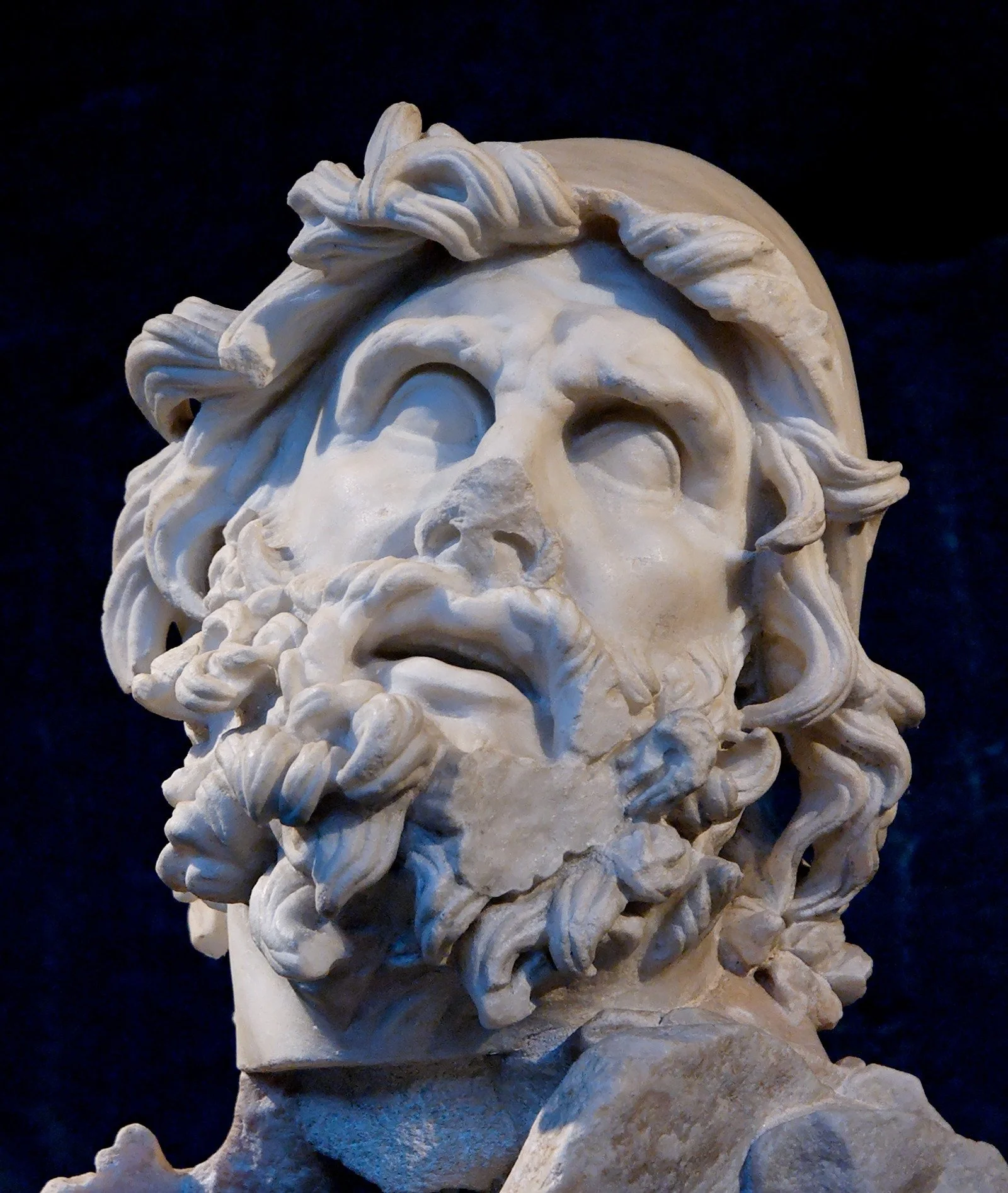
The Long Way Home: Ulysses, the Soul, and the Philosophy of Return
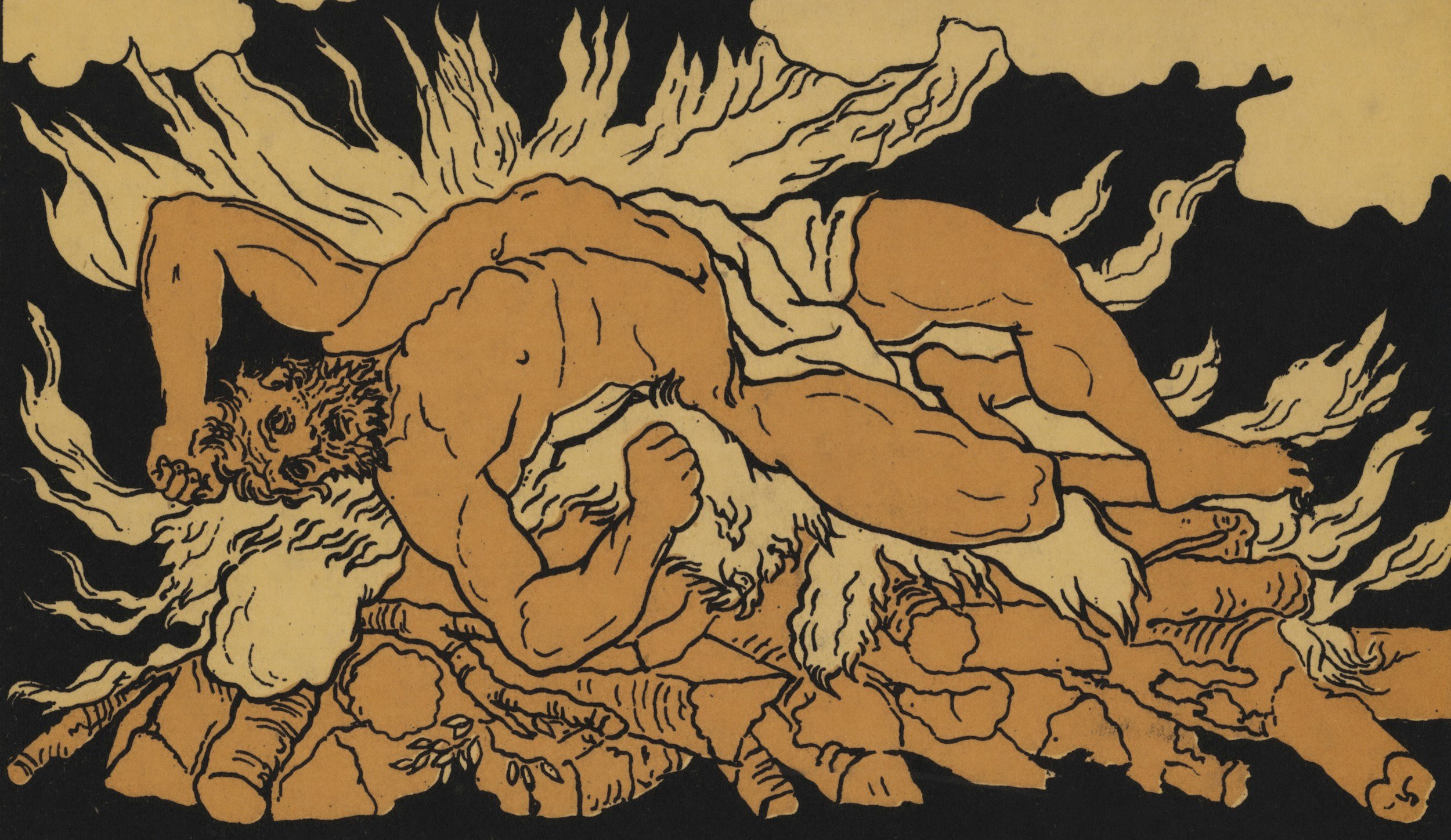
The Pyre on Oeta: What Heracles Leaves Behind
The fire on Mount Oeta does not need to be read as a fantasy of escaping life. In a Neoplatonic frame, it becomes an image of shedding the mortal claim that pain, fear, and appetite are the whole self.
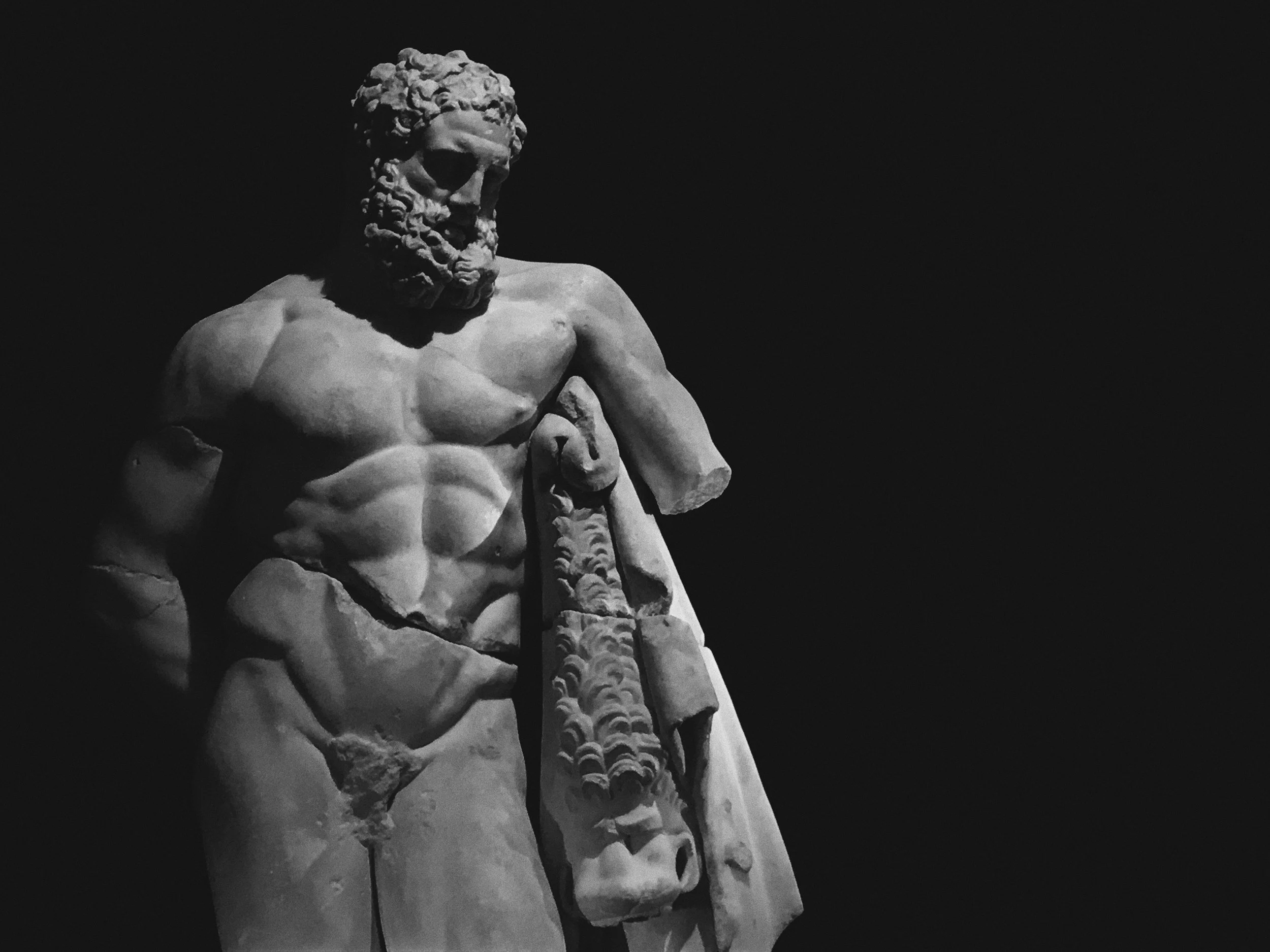
From Good Citizen to Contemplative: Plotinus’ Ladder of Virtue
Plotinus did not dismiss courage, moderation, justice, or practical wisdom. He simply insisted that they are the beginning of the soul’s work, not its last word.
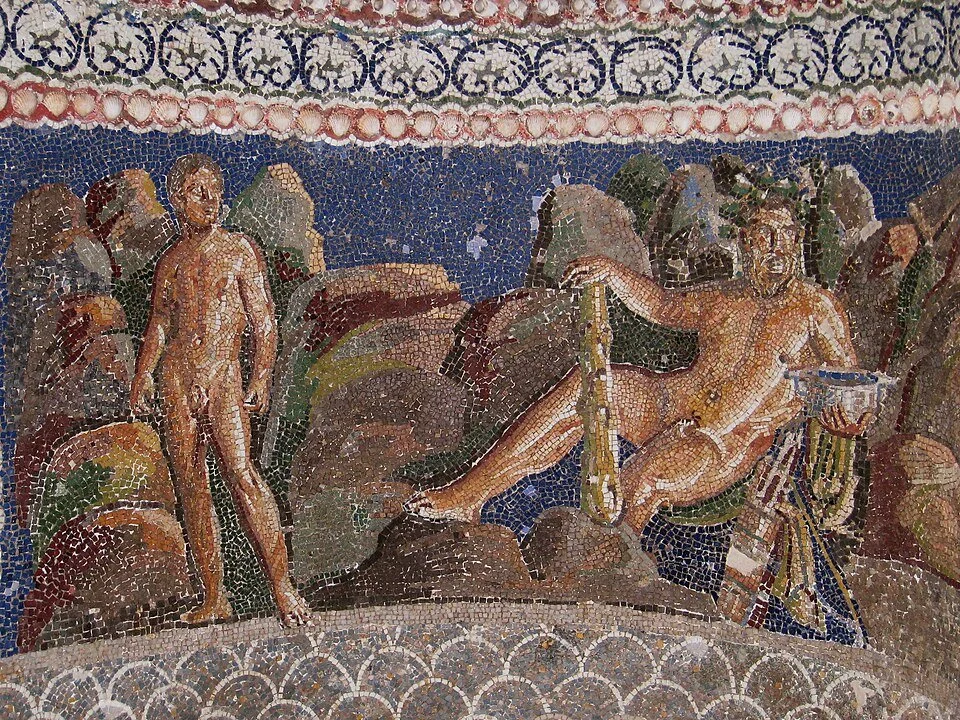
Hercules Had Two Addresses: Plotinus and the Divided Soul
Heracles is in Hades and among the gods. Plotinus took this apparent contradiction as a map of human experience: part of us is caught in mortal life, while another part remains oriented toward what is higher.
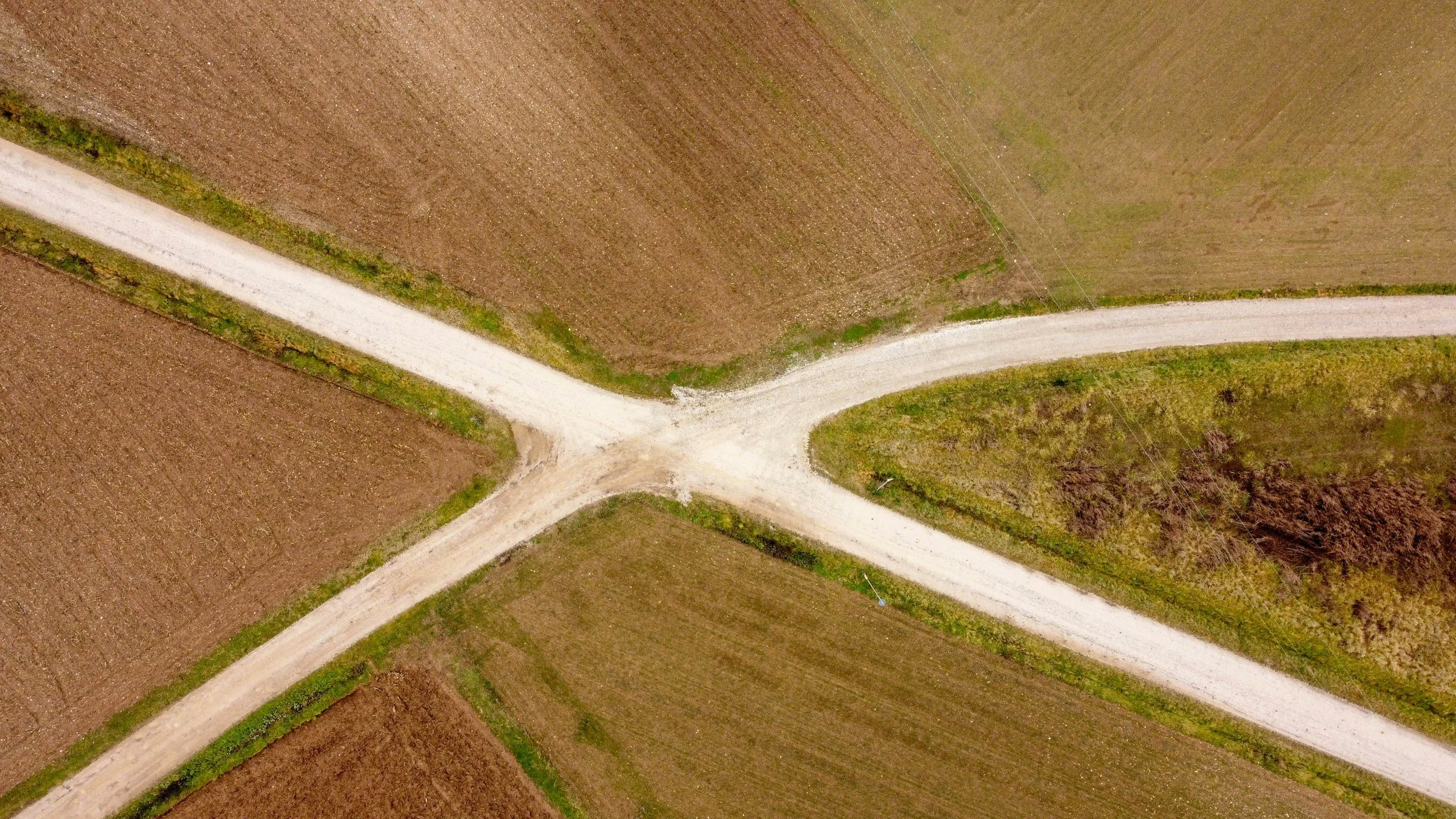
Heracles at the Crossroads: Why Virtue Never Promises an Easy Route
Heracles’ greatest decision came before any lion, Hydra, or underworld dog: whether to choose a pleasant life without worth or a difficult life made meaningful by labor.

The Soul as Wilderness: Dio Chrysostom’s Heracles
The soul, Dio Chrysostom wrote, is a wilderness crowded with savage beasts. Heracles matters because he does not merely begin the clearing. He finishes it.
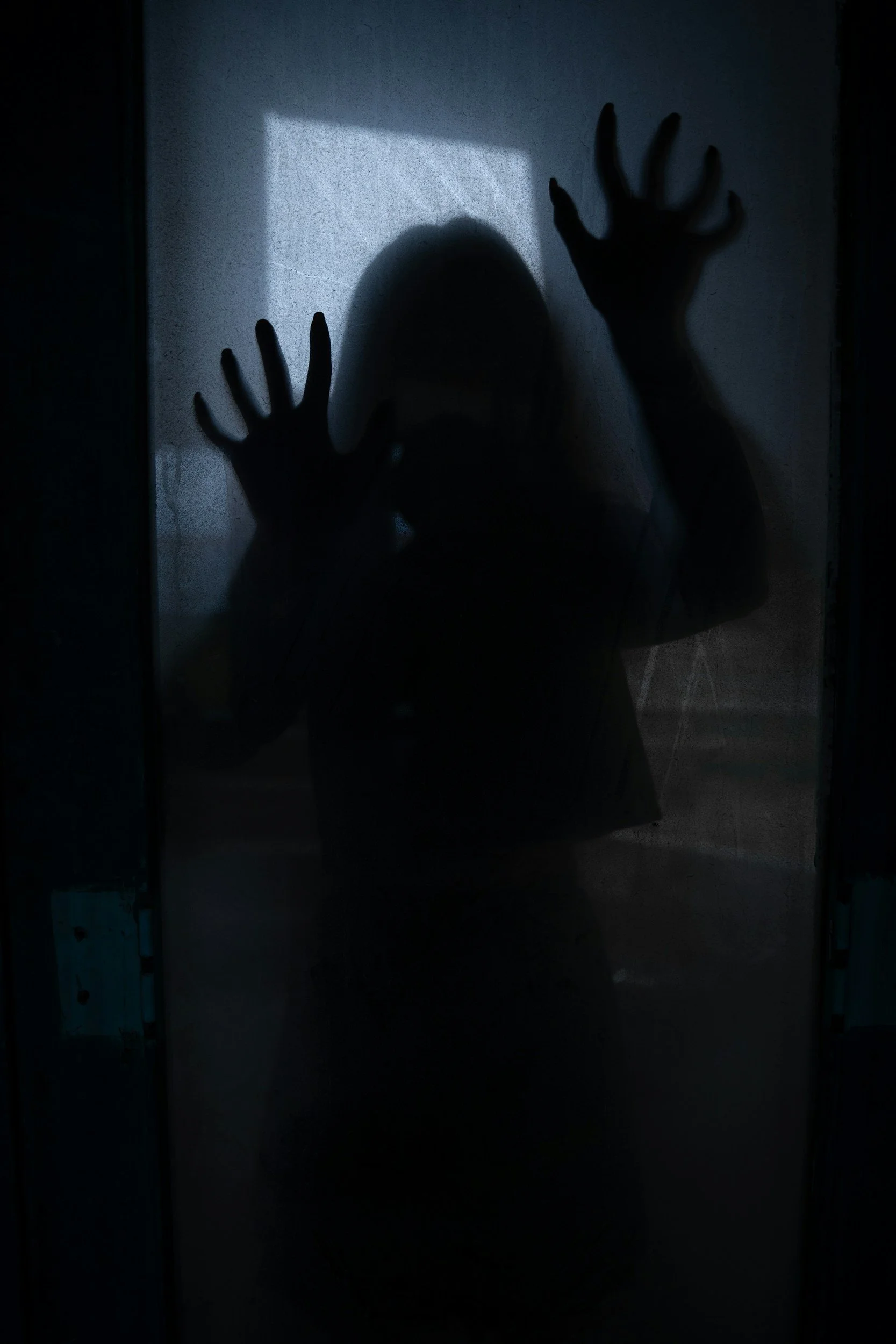
The First Monster Is Already Inside the House
Heracles did not only clear Greece of monsters. Ancient allegorists argued that he cleared the human soul of its more dangerous inhabitants: uncontrolled desire, irrational passion, cowardice, and the habit of chasing the wrong things.
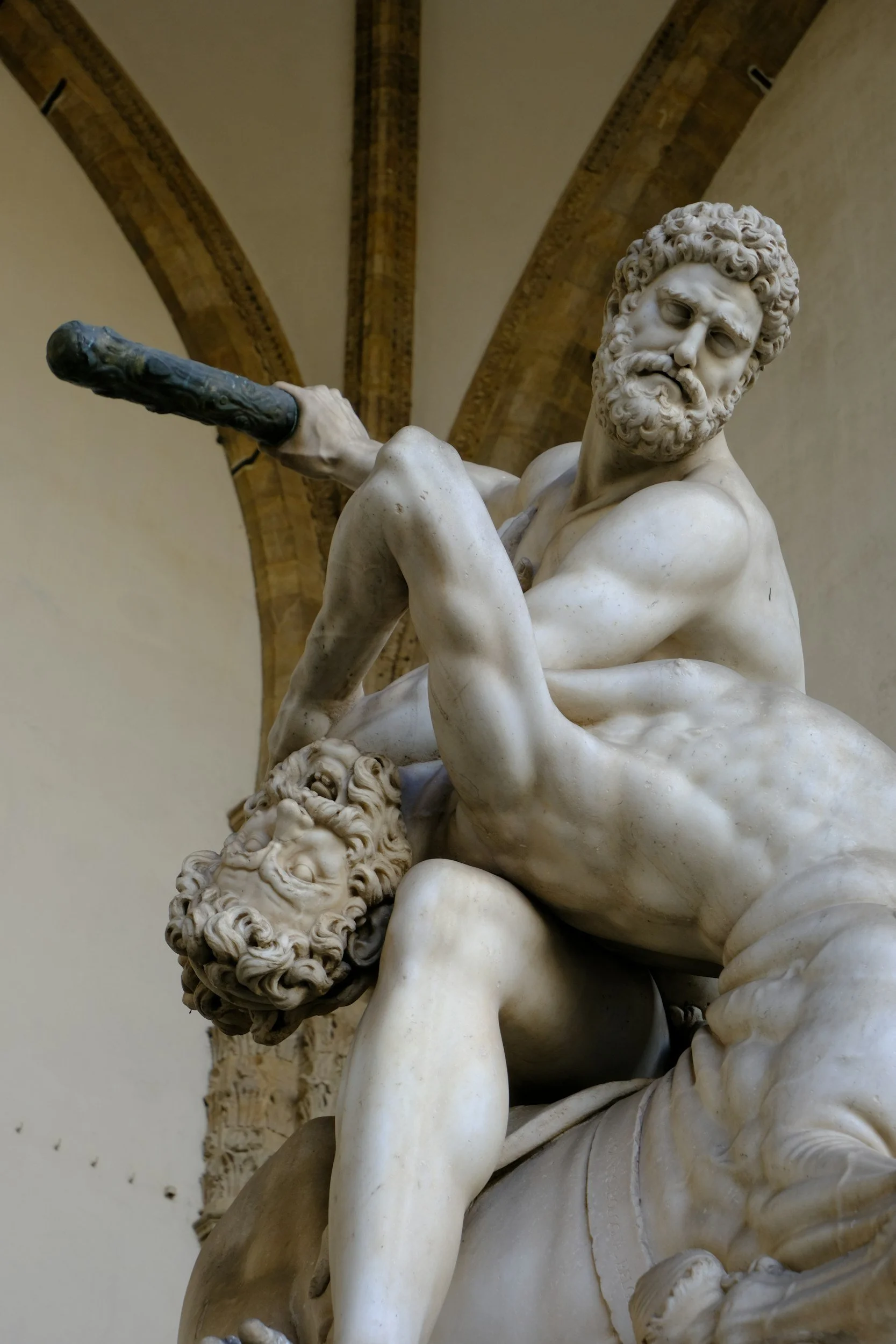
Heracles Within: The Labors of the Soul
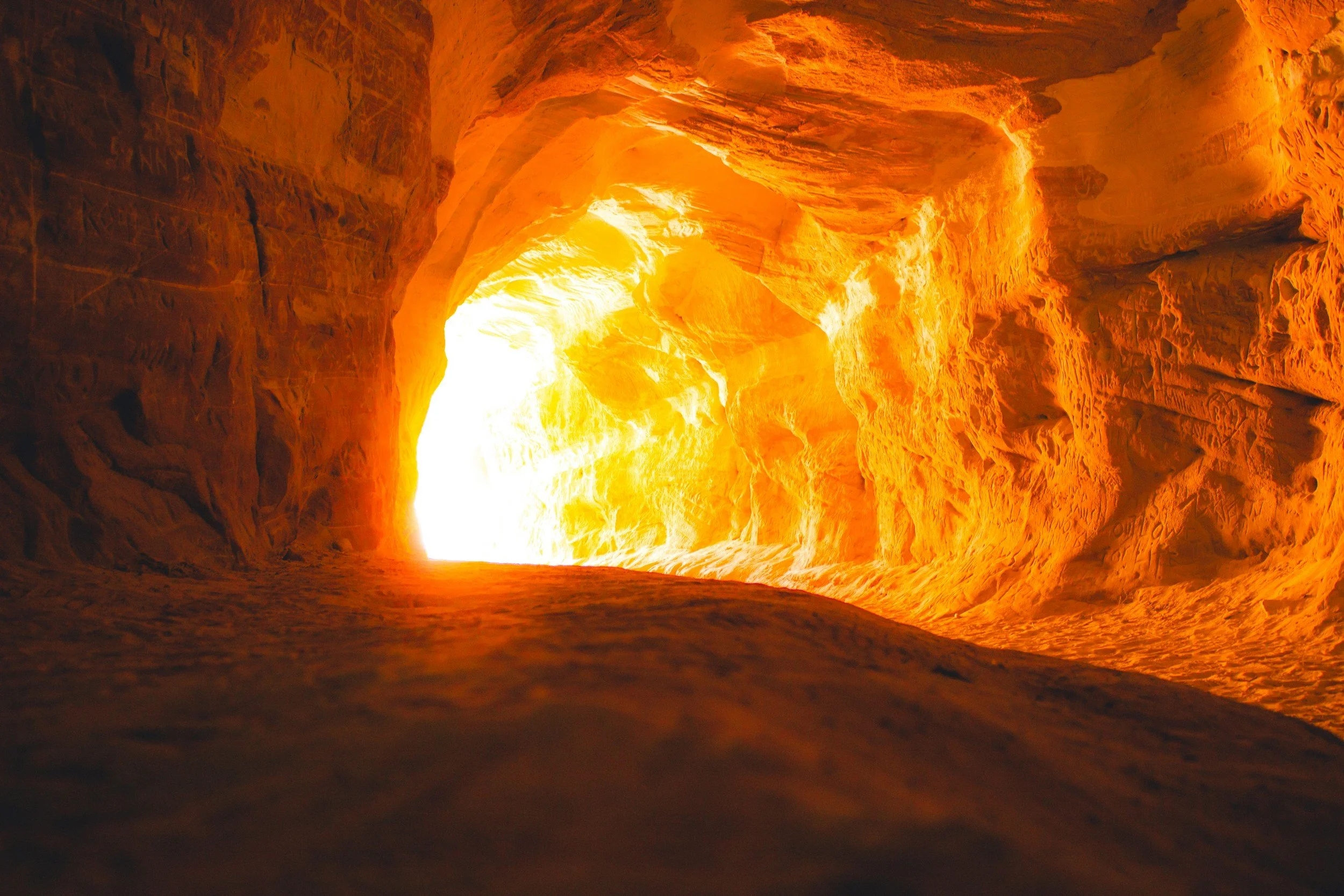
The Two Caves and the Work of Light
What do Plato’s Cave and Porphyry’s Cave of the Nymphs have to do with Freemasonry? This essay explores Masonic Light, self-knowledge, symbolism, and the daily work of learning to see clearly.
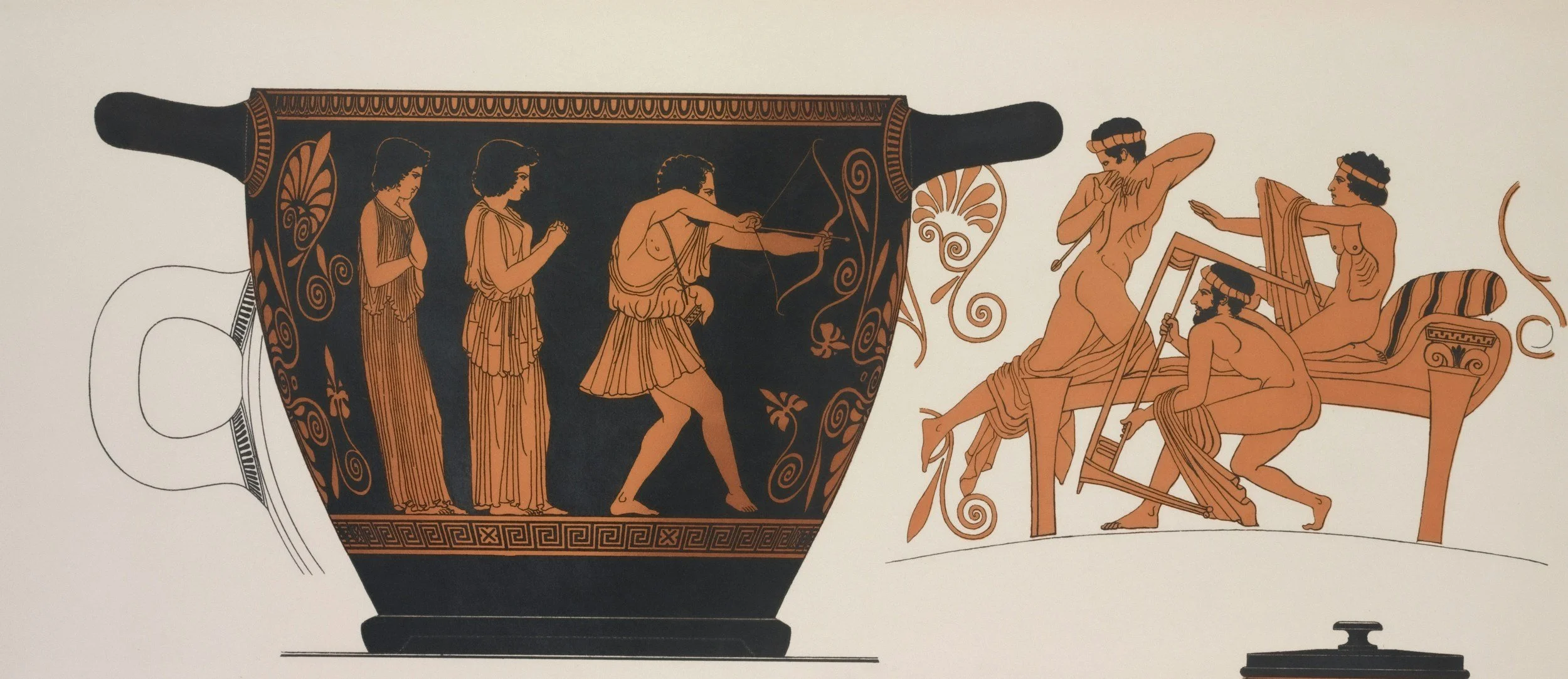
Ulysses on Tuesday Afternoon
The voyage of the soul is rarely dramatic. More often, it is a Tuesday afternoon and a decision about what will be allowed to govern the next hour.
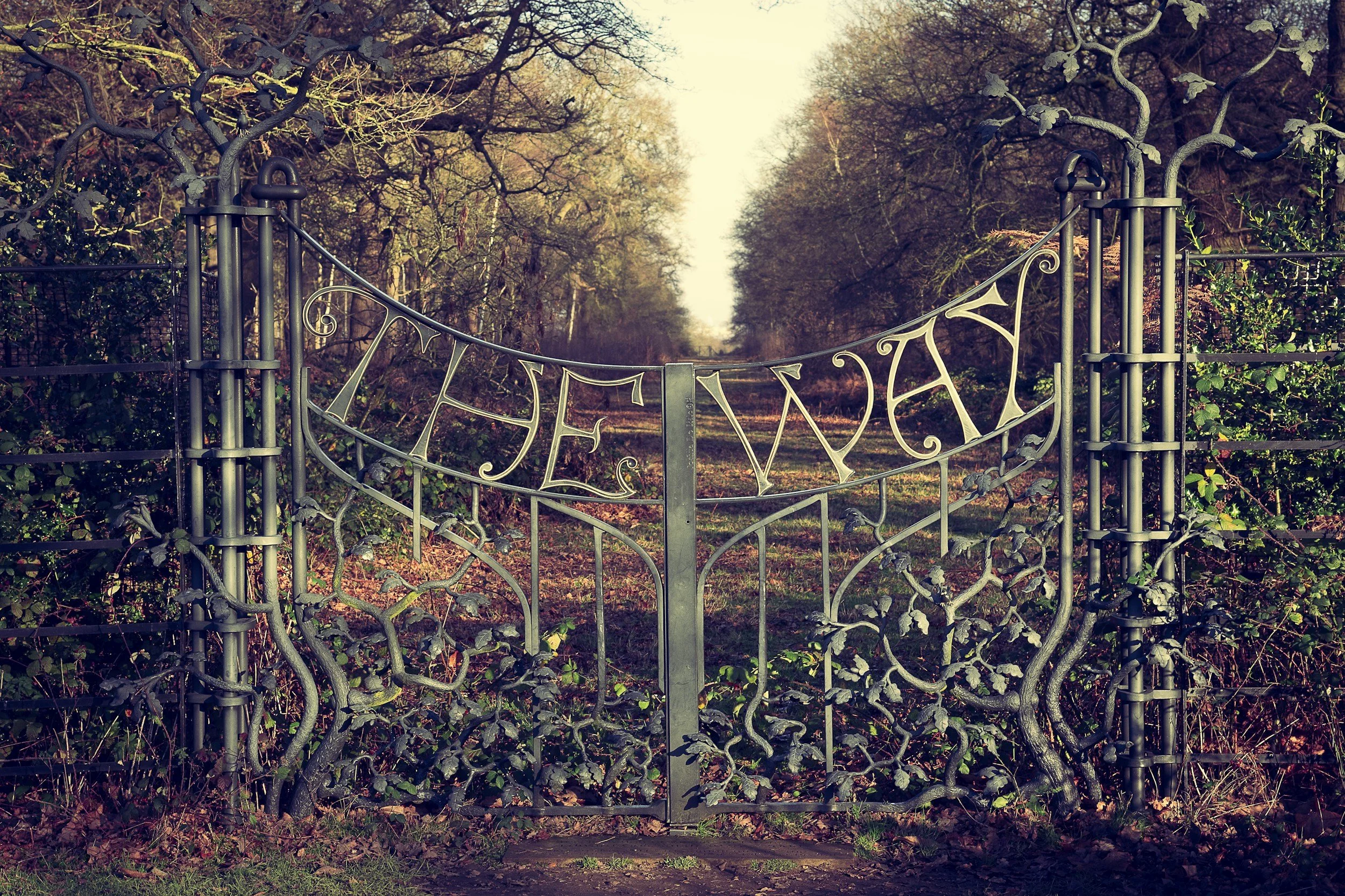
The Two Gates of the Soul
The gates of the soul are not on a compass. They open every time we decide whether appetite or judgment will lead
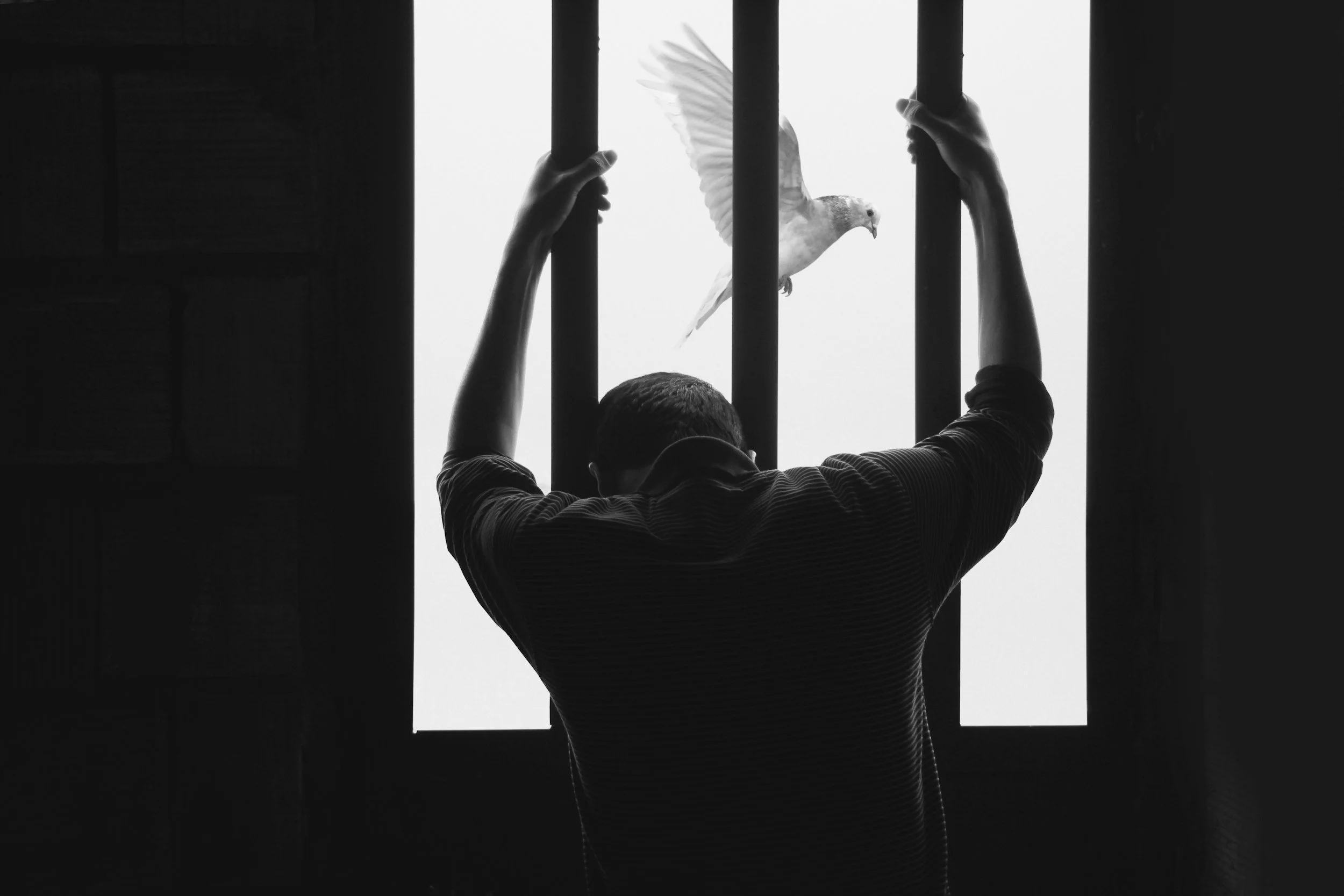
Why the Prisoner Must Return
The sun is not a private possession. If it does not change how a man behaves in the cave, he has only taken a scenic walk.
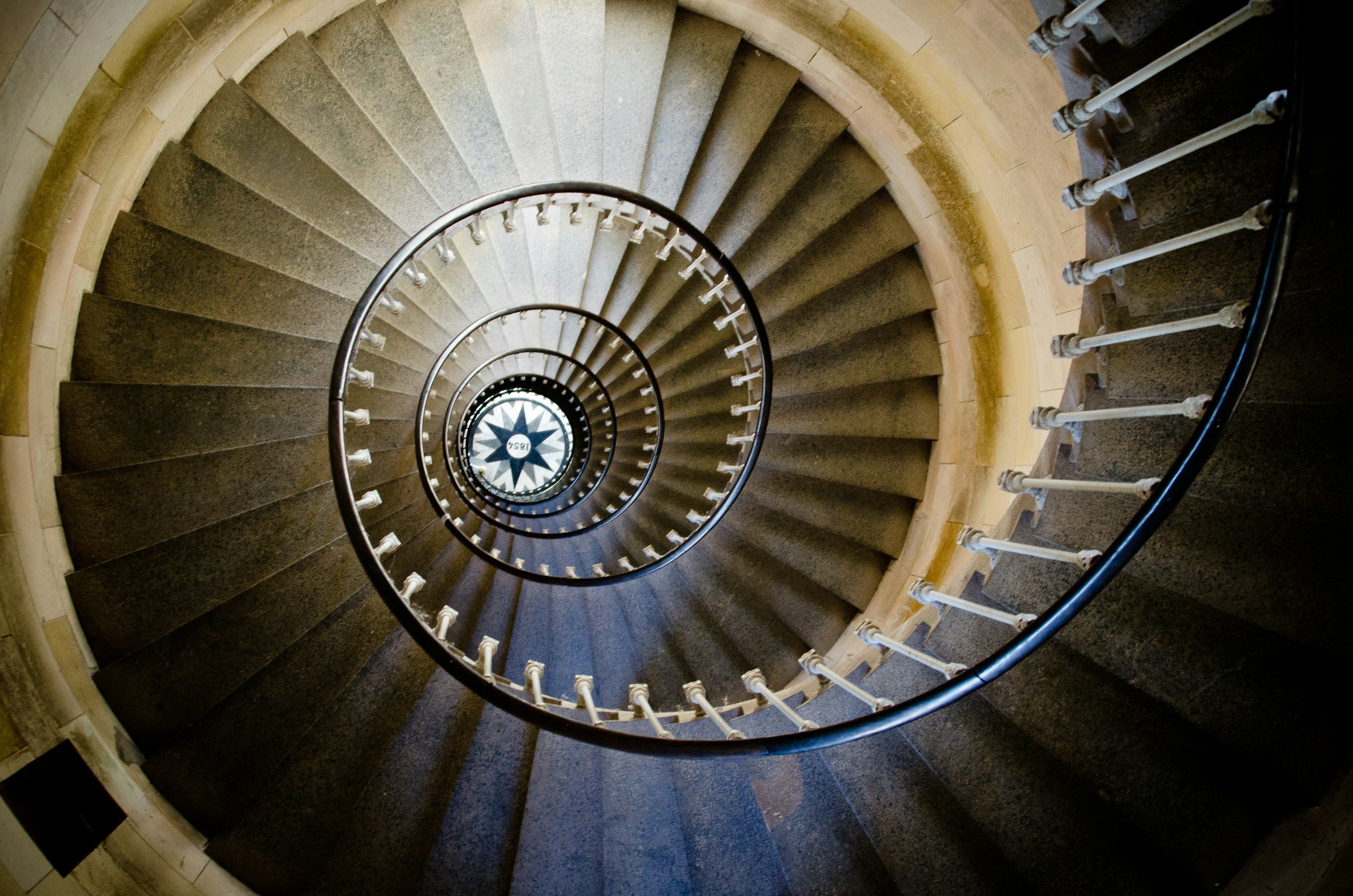
The Middle Chamber of the Mind
A staircase is not an education. But no education begins until a man admits that he has been standing on the lower floor.

The Sun Is Not a Brighter Shadow
The first light a man sees after darkness may still be only a fire behind him. Plato’s Cave asks whether we seek truth—or simply a more flattering version of the shadows.
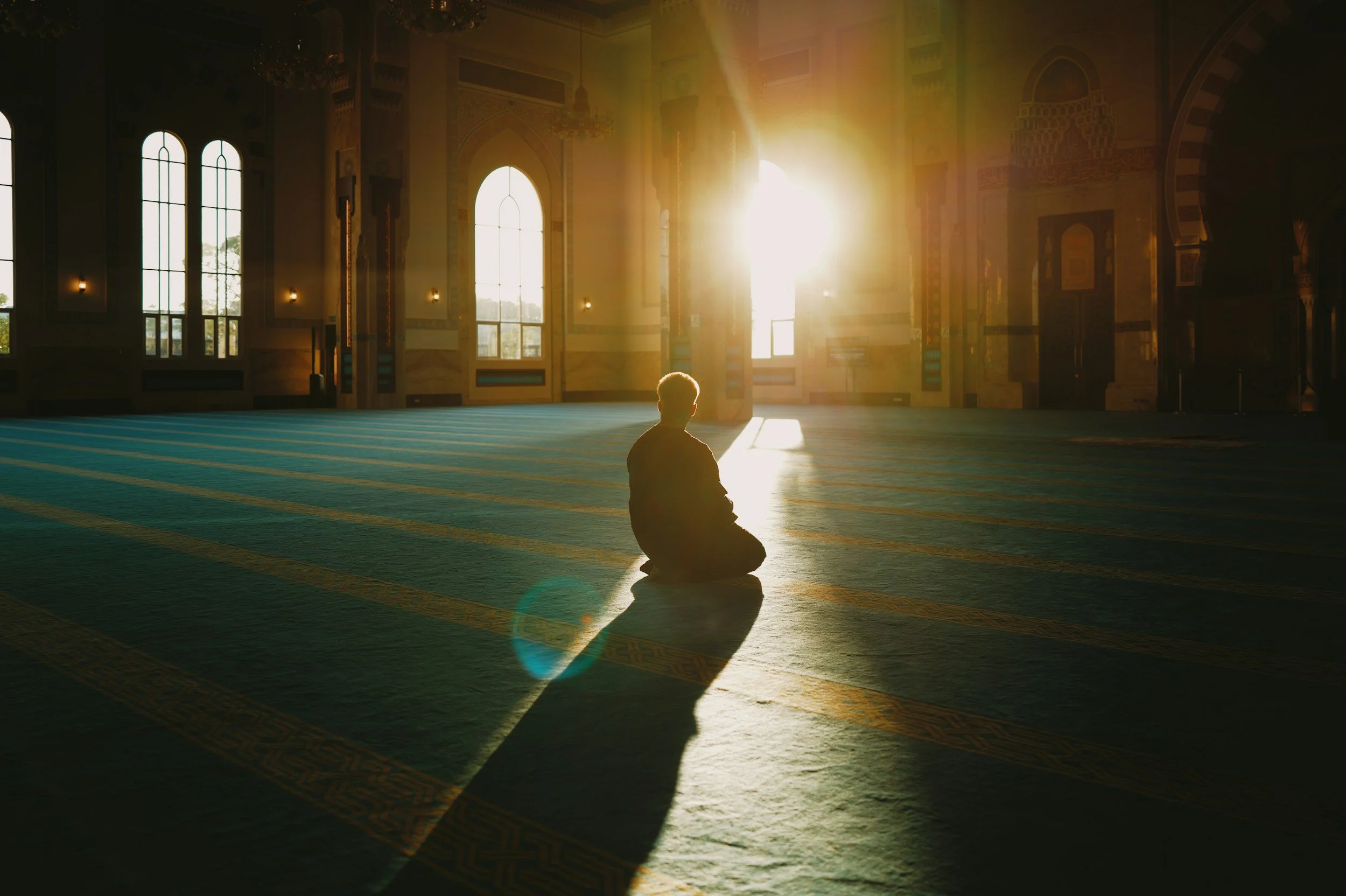
The Work of Light Series
When Far Rockaway Became a Village
Far Rockaway’s incorporation as a village marked a turning point in its development from resort edge to organized community with institutions, streets, and local identity.