Bowery Bay and the Poor Bowery: Queens Before the Airport
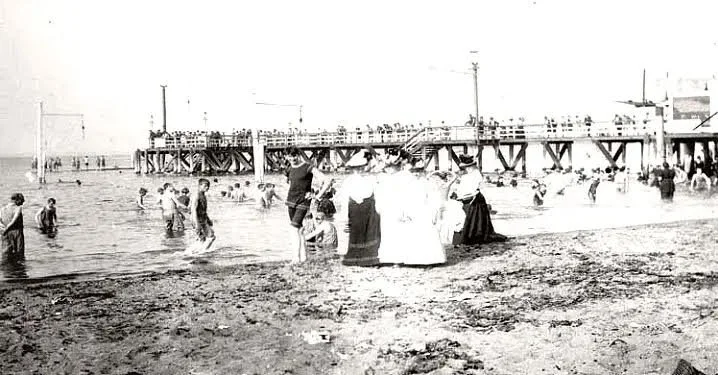
Before LaGuardia Airport, Bowery Bay was a landscape of colonial farms, mills, orchards, shoreline estates, and the Dutch poor farm known as the Poor Bowery.
Why the Lodge Room Is Laid Out Like a Map of the Mind
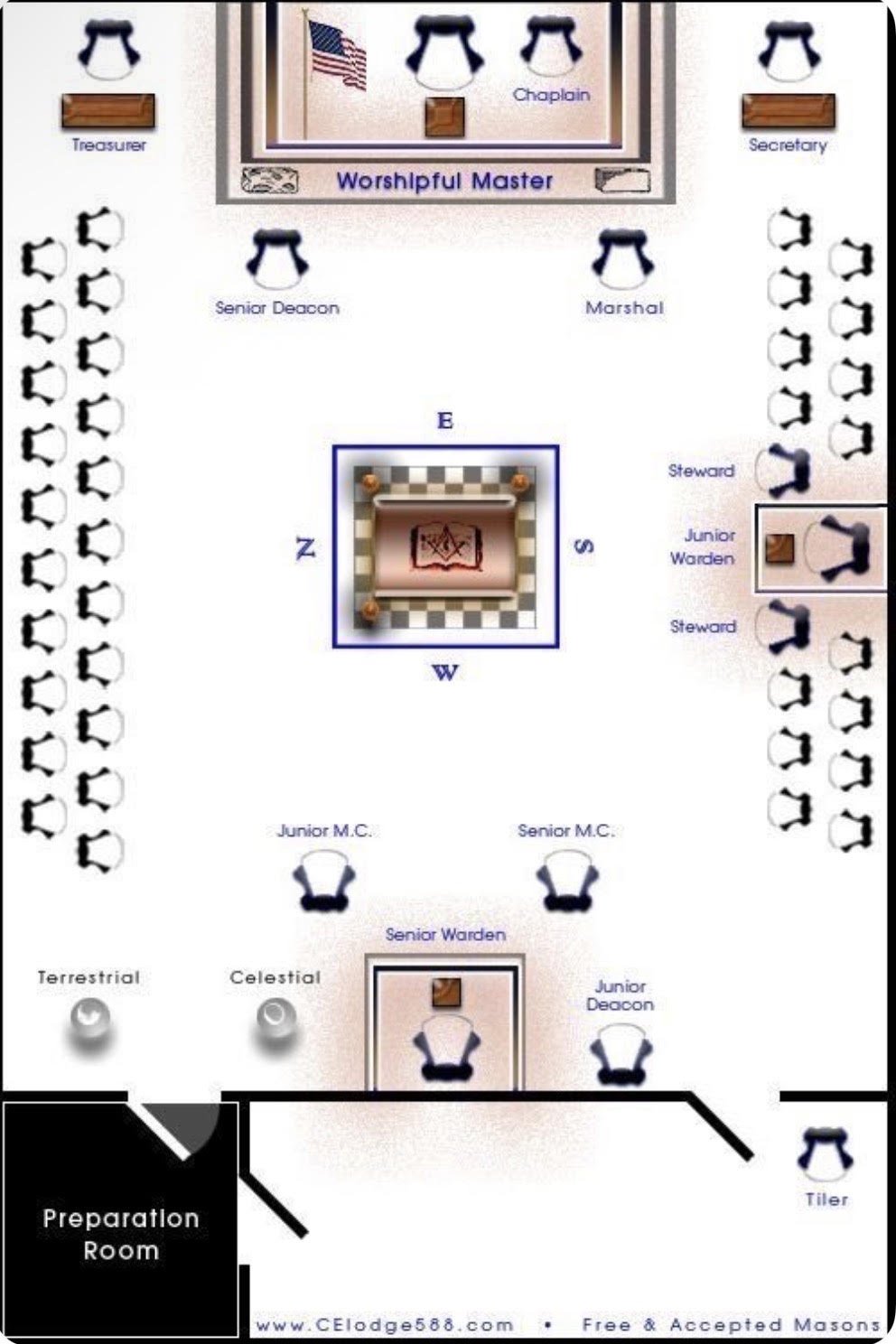
Why is a Masonic lodge room arranged with fixed stations, symbolic directions, and a meaningful center? This essay explains how lodge-room layout teaches moral order, inner discipline, and symbolic orientation.
The Ferry and the Forgotten Places
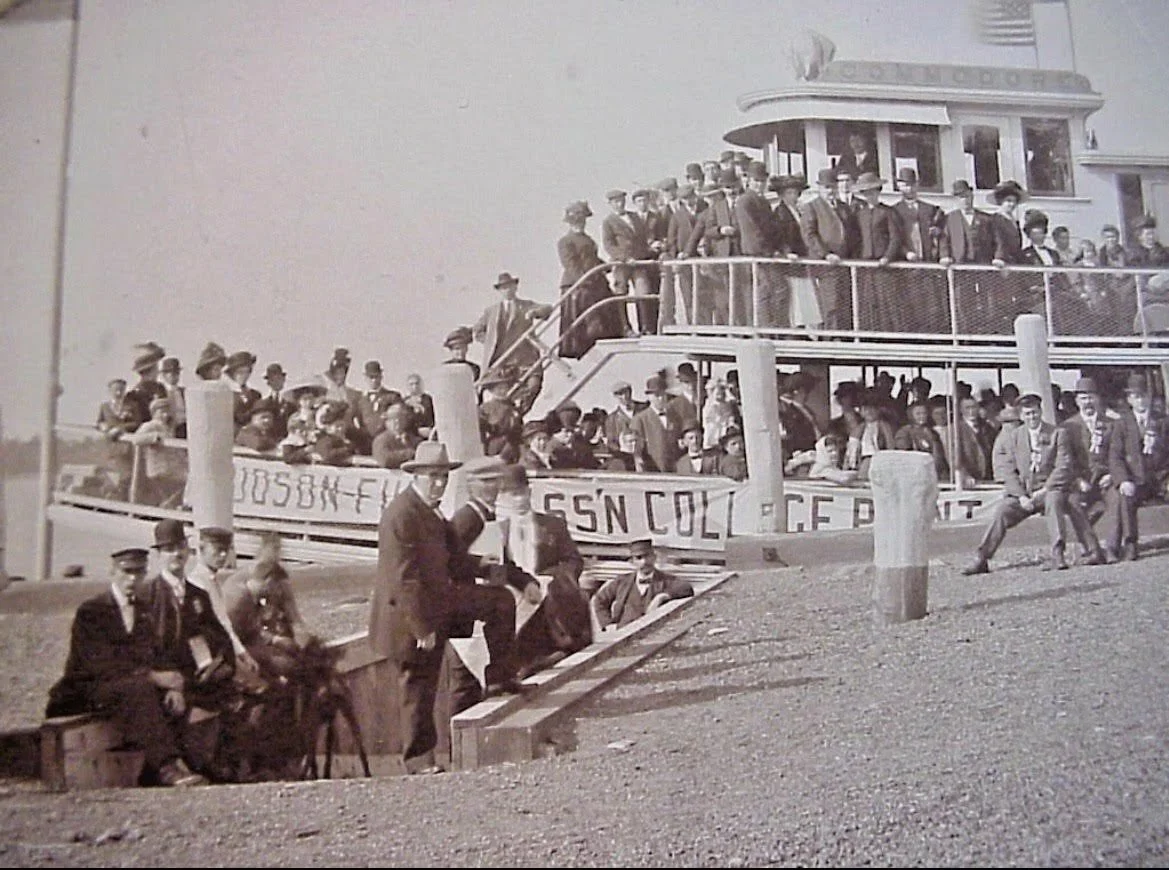
Some transportation histories leave landmarks. Others leave only traces. This article recovers forgotten ferry routes and vanished connections that once shaped how Queens neighborhoods related to one another.
Hunter’s Point to Rockaway
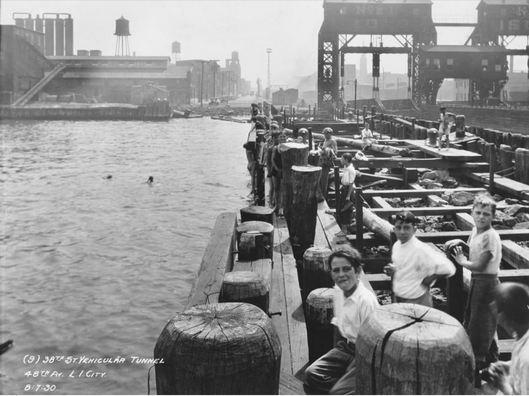
From Hunter’s Point to the Rockaways, ferry service helps reveal where Queens is being redeveloped, revalued, and reconnected. The waterfront is no longer just an edge—it is increasingly treated as a front door.
The Return of the Ferry
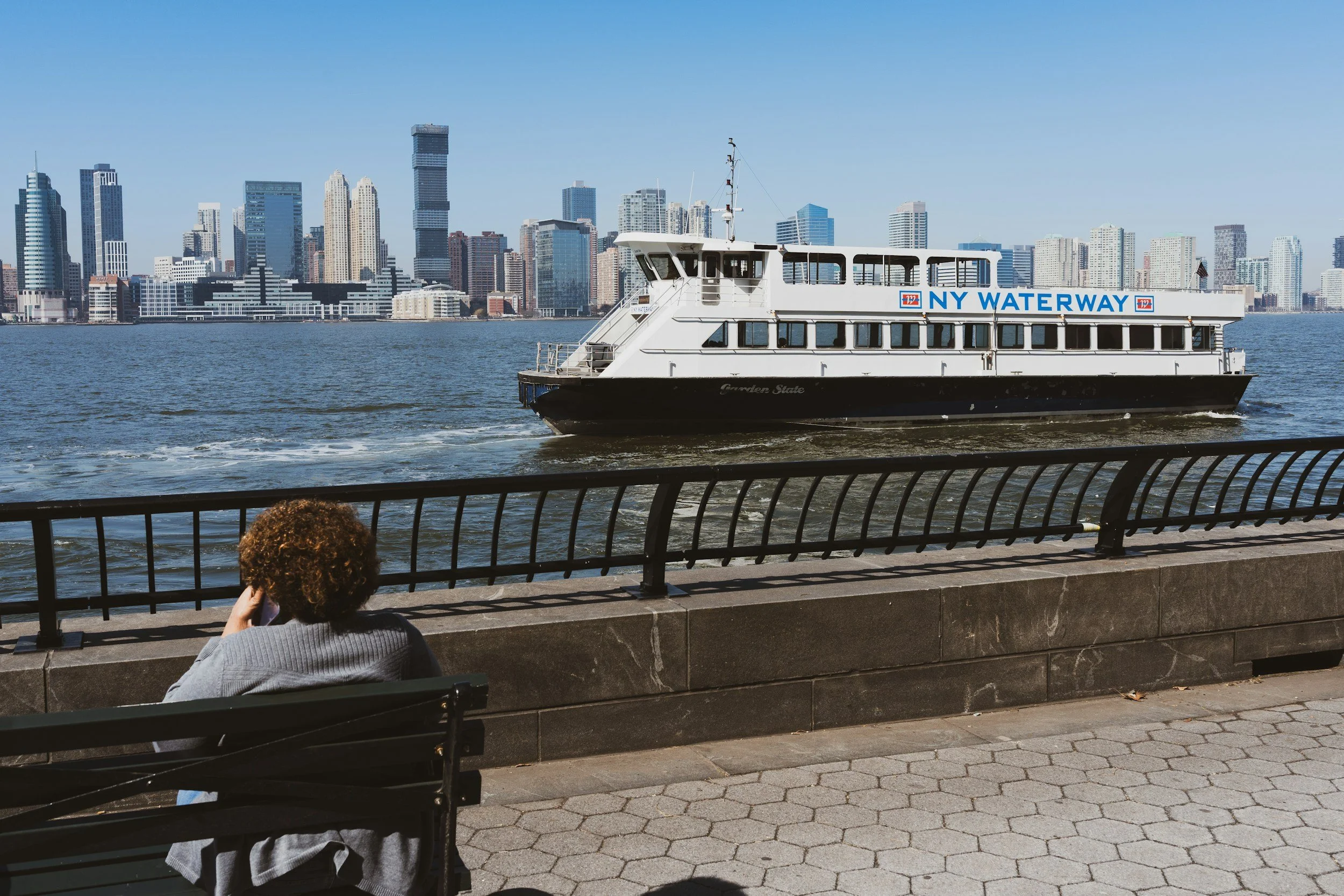
The ferry is back in Queens, but not in the same city it once served. This article looks at what modern ferry service reveals about growth, class, commuting, and waterfront redevelopment.
When Bridges Killed Ferries
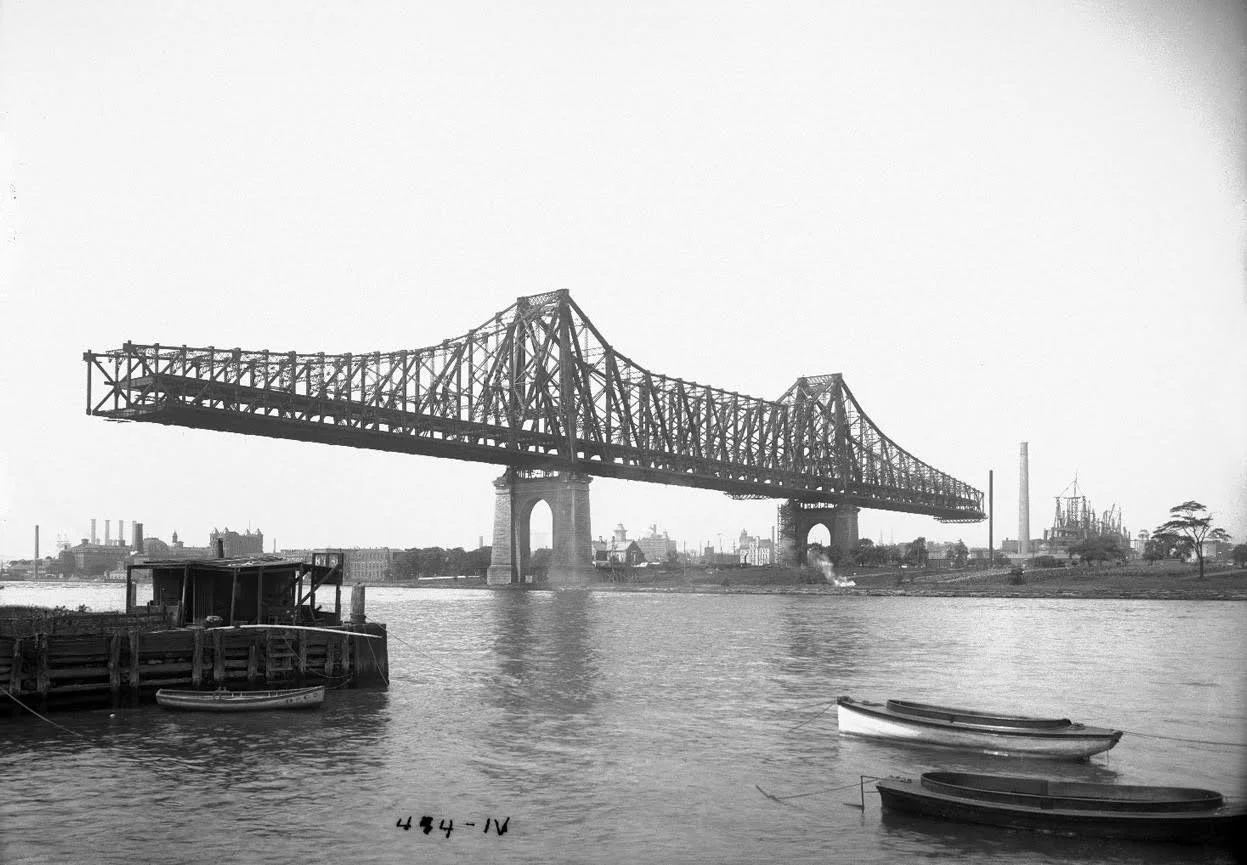
Ferries once structured daily life along the Queens waterfront. Then bridges, tunnels, and rail transit arrived, changing land values, movement patterns, and the shape of the borough itself.
The Water Was the First Street
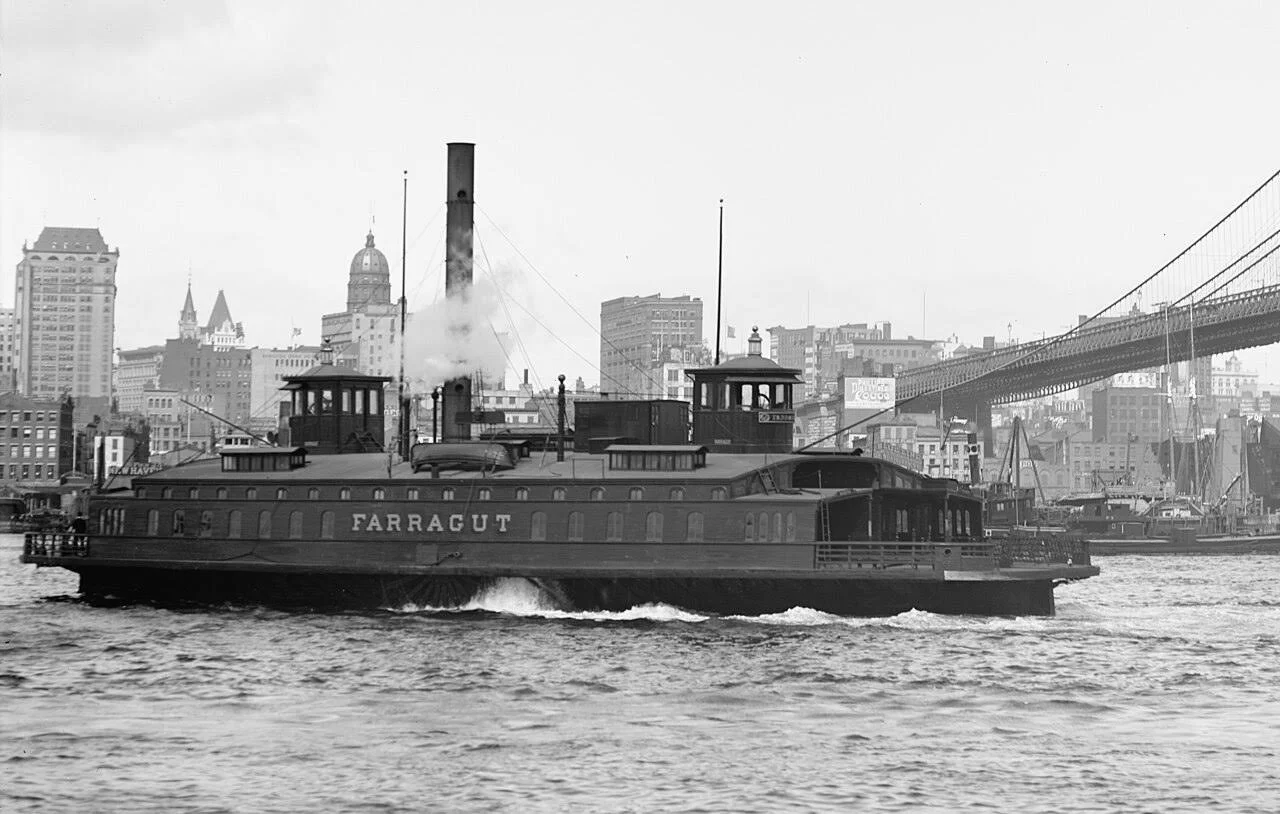
Long before bridges and subways reorganized Queens, ferries and shore landings connected its early communities to trade, work, and city life. This article explores how water functioned as the borough’s first transportation network.
Queens in Motion
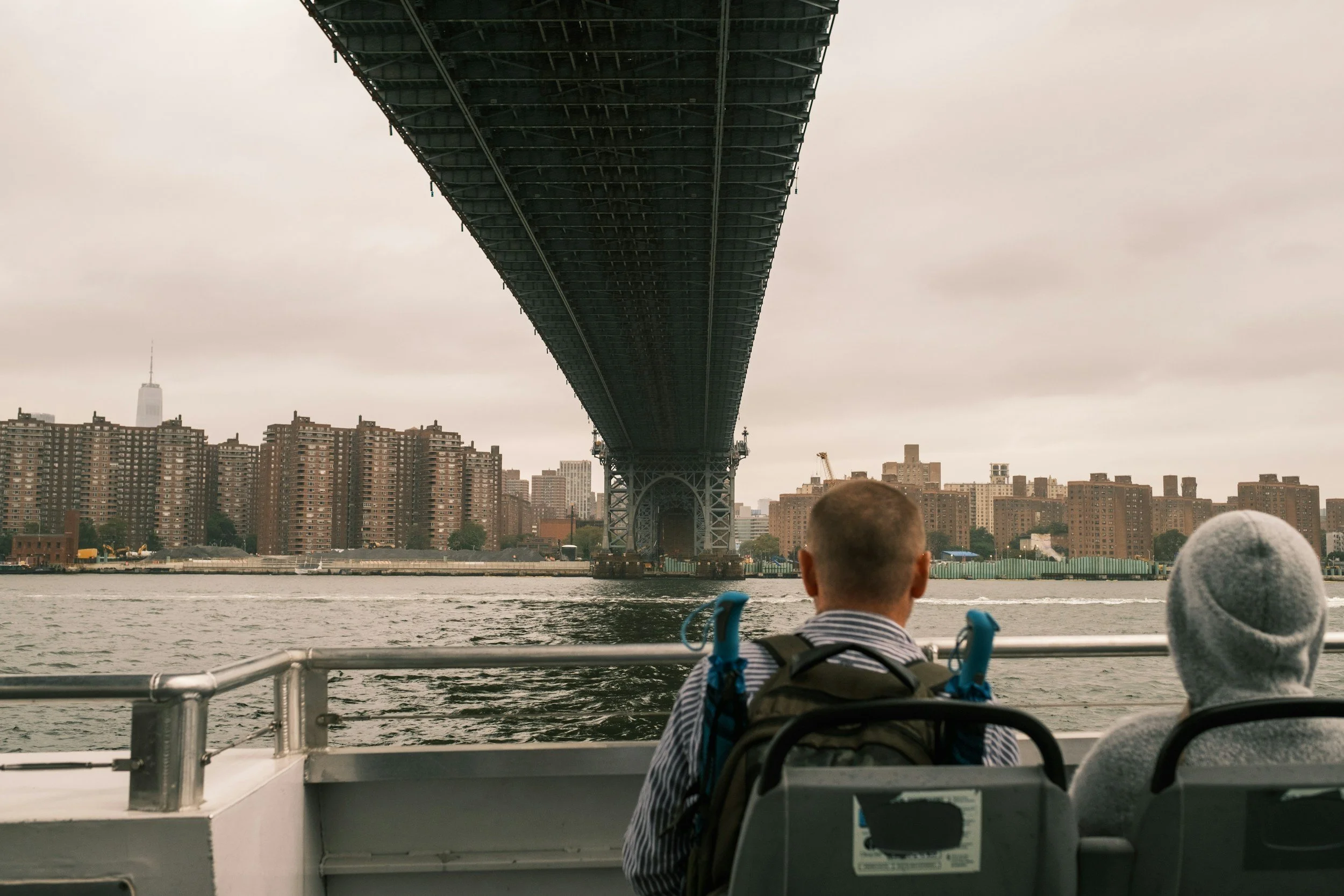
A six-part Queens history series exploring how ferries, bridges, railroads, subways, and waterfront development shaped the borough from early settlement to the present.
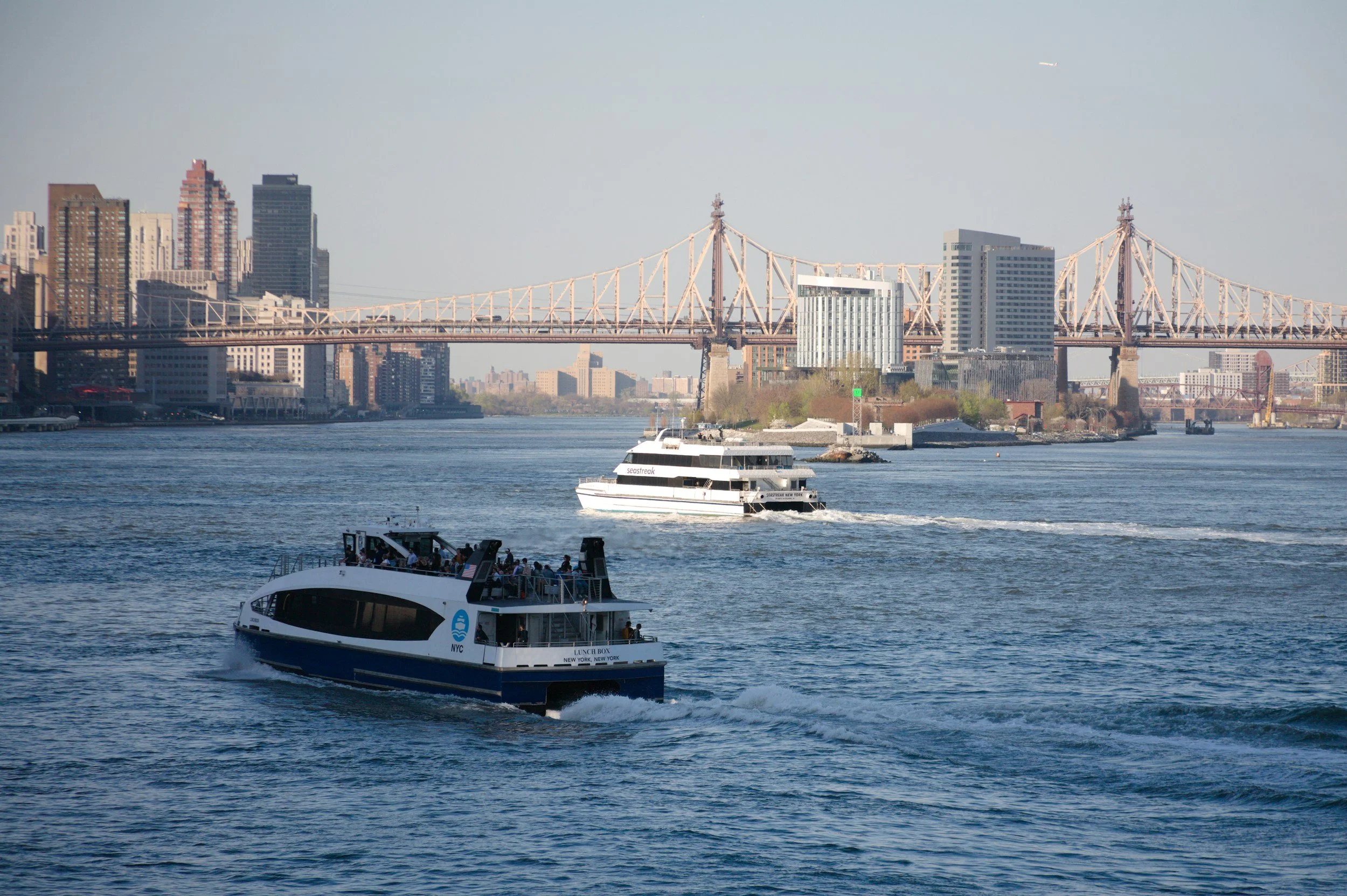
The Rockaways and the Politics of Partial Connection
The Rockaways are often described as isolated, but their history is better understood as a pattern of repeated and incomplete reconnection. Ferries, railroads, bridges, subways, and storm recovery each changed how the peninsula related to the rest of New York.
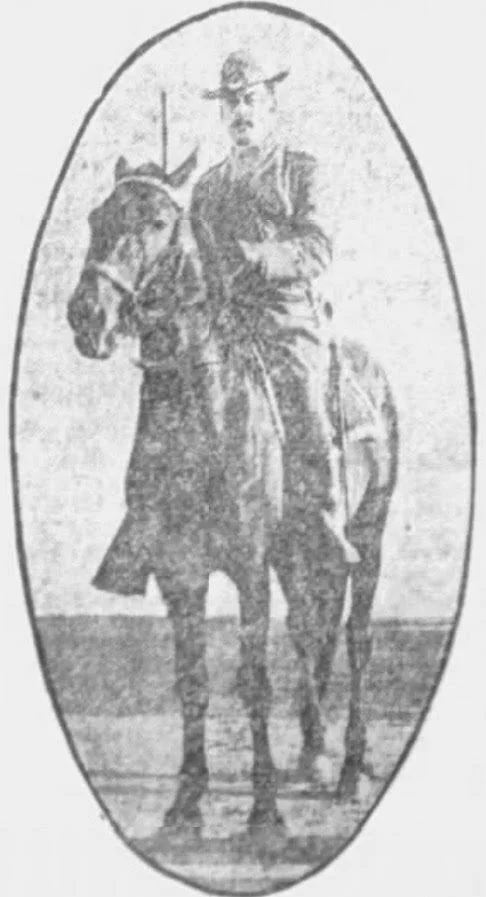
Arthur E. Wenige and the Room That Became Three
Arthur E. Wenige was more than a Queens Mason. Raised in Advance Lodge in 1903, he helped shape the lodge-room design that appears to have carried from Astoria to Hillside and Bayside, leaving a shared Masonic interior across three lodges
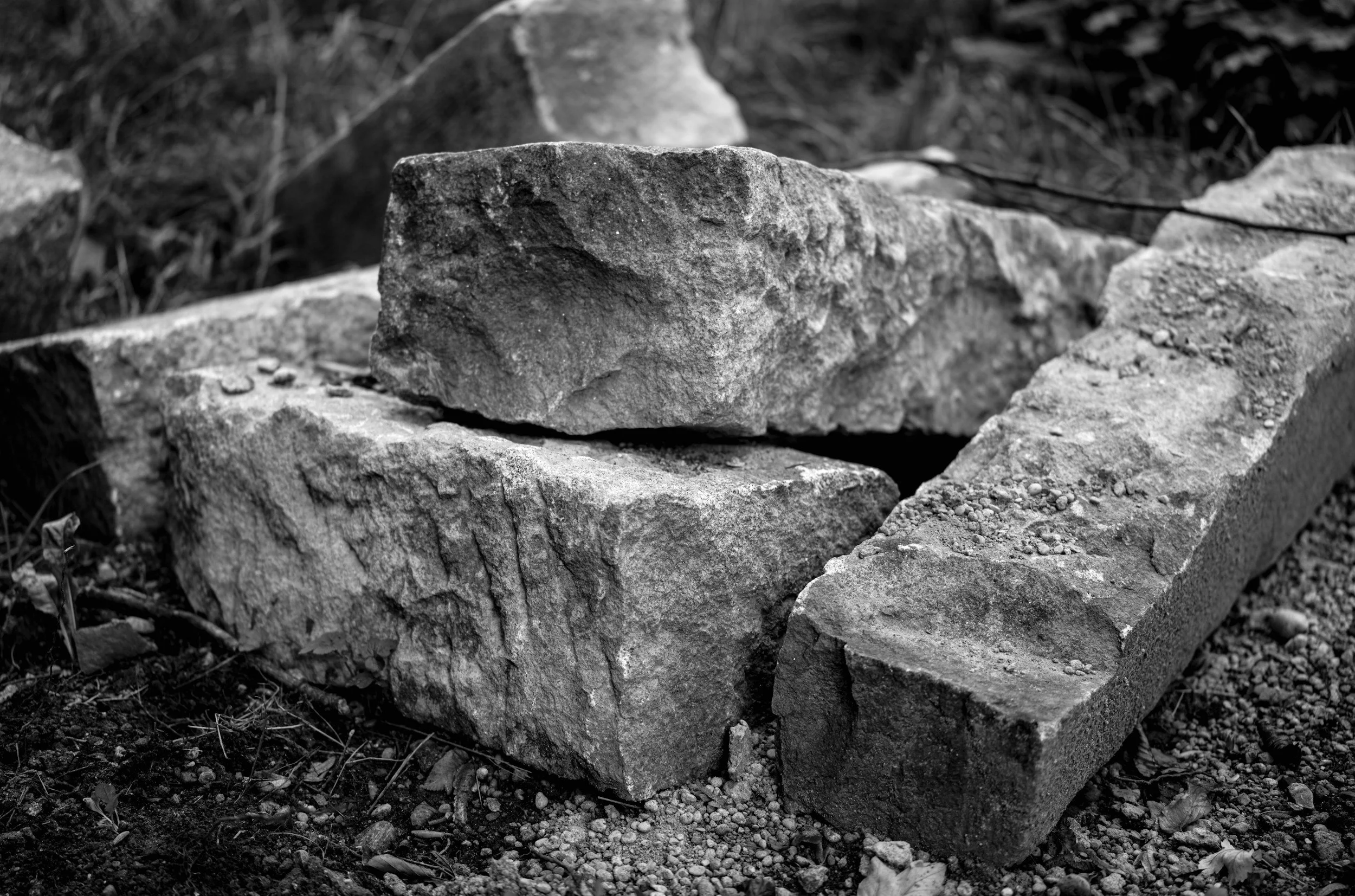
Rough and Perfect Ashlar: The Masonic Work of Self-Improvement
What do the rough and perfect ashlars mean in Freemasonry? This essay explains how stone, labor, discipline, and form become a powerful symbol of moral growth and self-improvement.
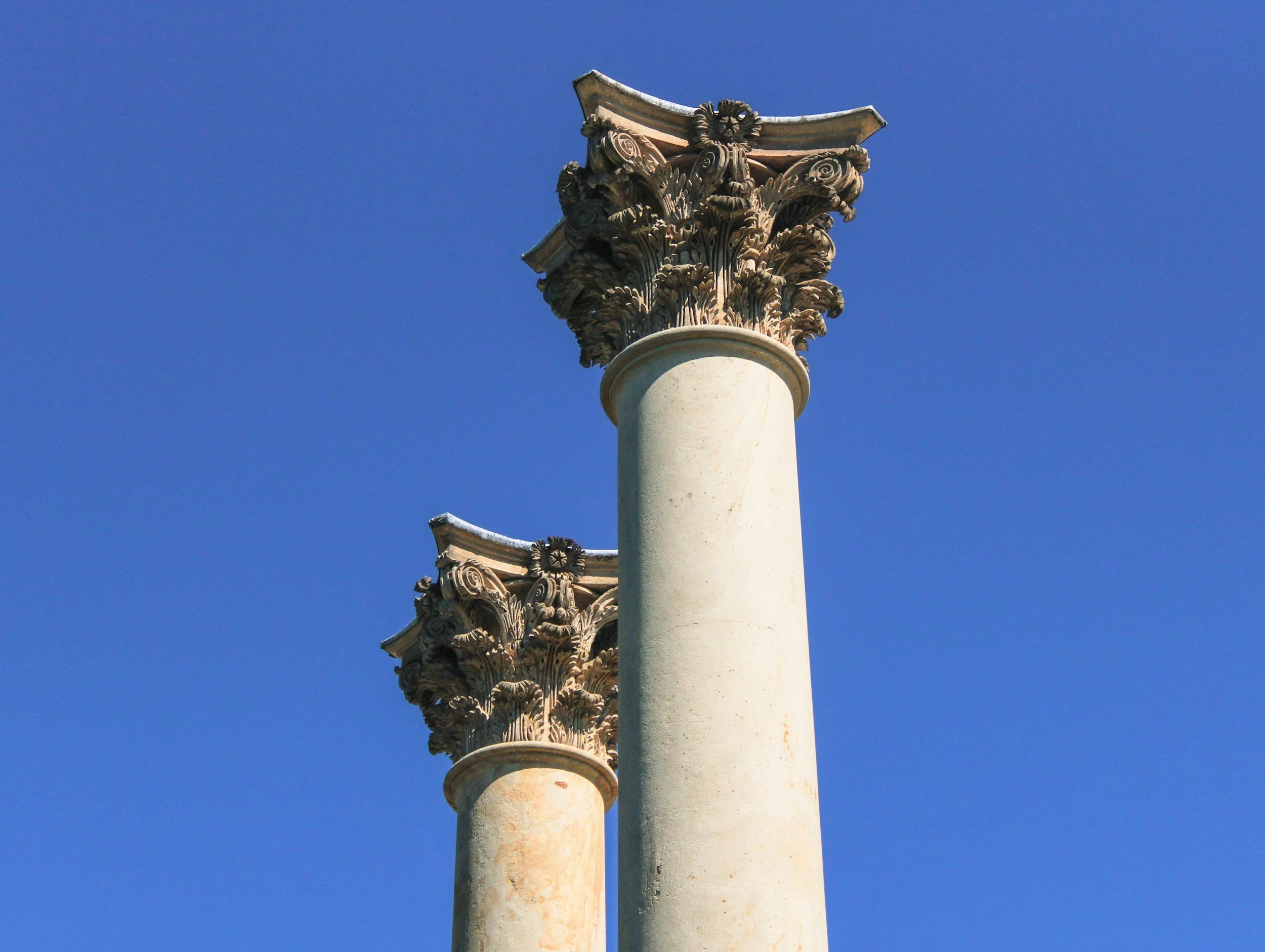
The Two Pillars: Strength, Established, and the Architecture of Meaning
What do the two pillars in Freemasonry symbolize? This essay explains how the pillars represent threshold, balance, support, and entry into ordered moral space.

Some Men Want Light. Some Just Want a Title: Office, Ambition, and the Inward Life
What does “light” mean in Freemasonry, and why do some men chase titles instead of transformation? This essay explores Masonic light, ambition, office, and the difference between appearance and inward growth.
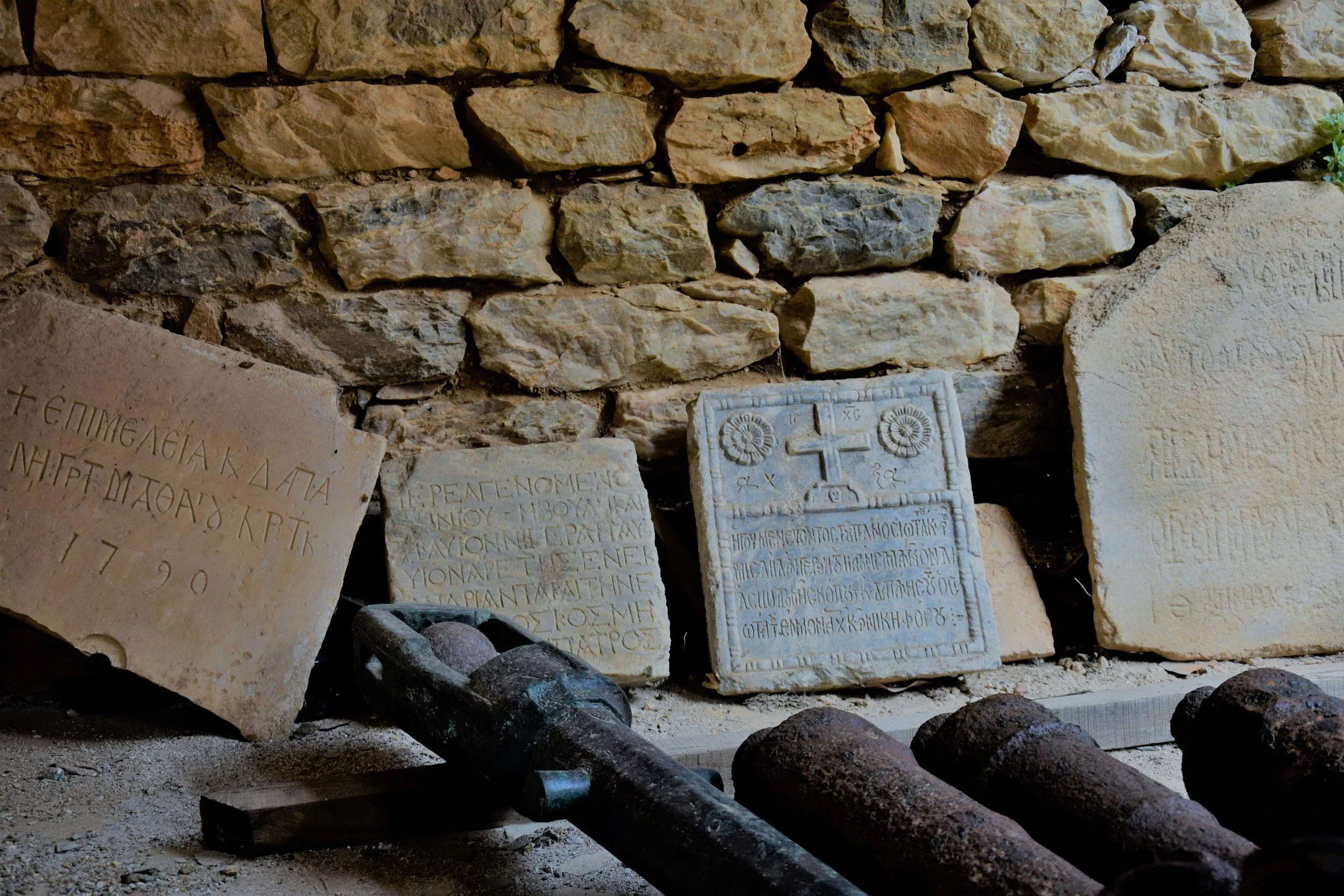
Why Masons Talk in Stones, Tools, and Symbols: From Working Tools to Inner Work
Why does Freemasonry teach through stones, tools, and symbols instead of plain statements? This essay explains how Masonic symbolism turns moral instruction into memory, practice, and inner work.
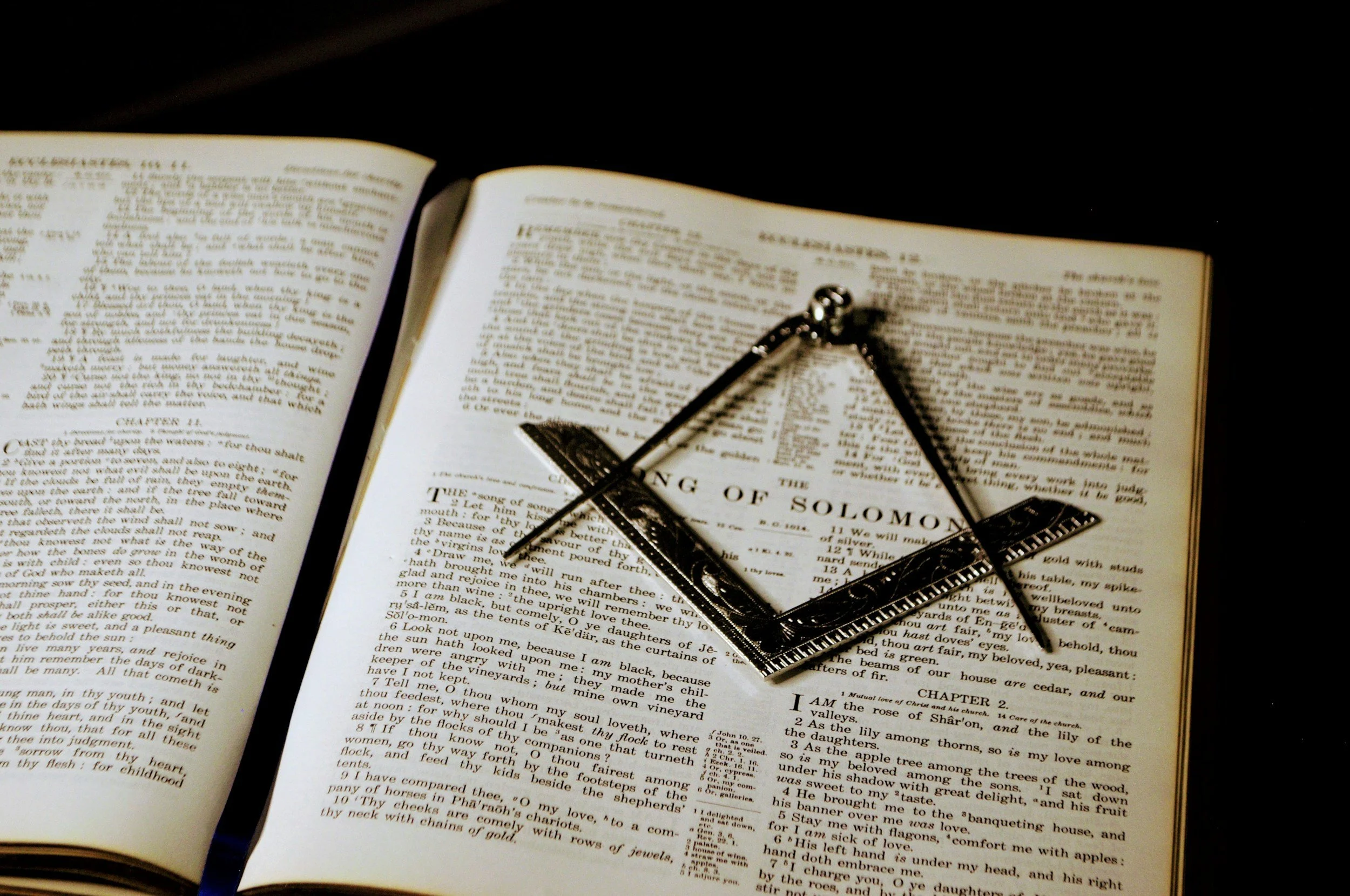
What Freemasonry Is: Ritual, Symbol, and Moral Formation
What is Freemasonry, really? This essay explains Freemasonry as a voluntary brotherhood that teaches through ritual, symbols, moral instruction, and shared forms of fellowship.
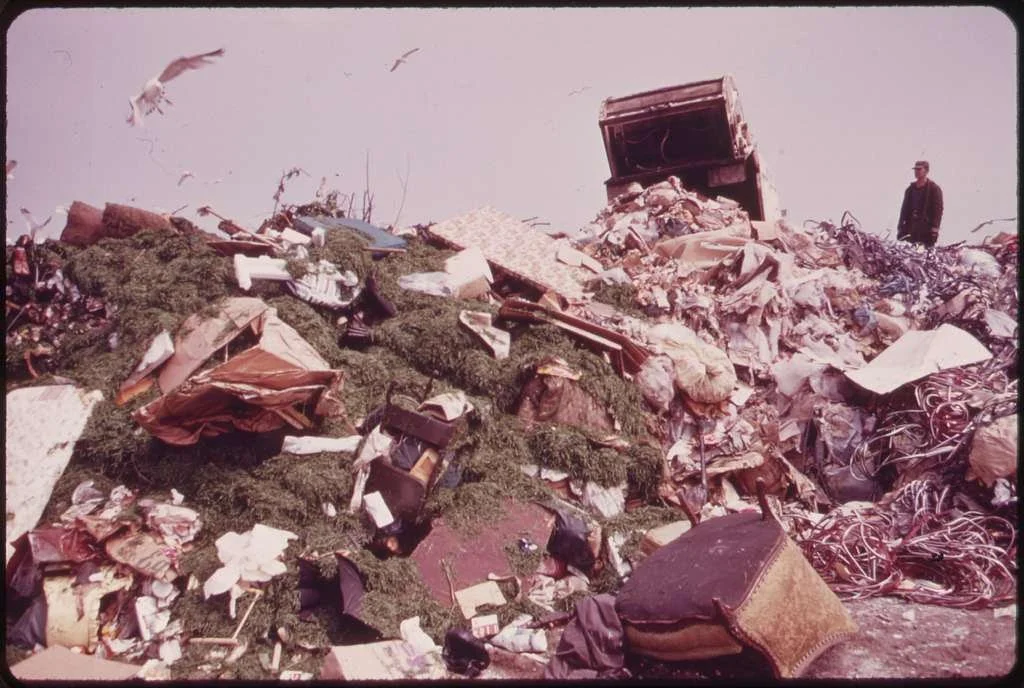
The Smell of Progress: How Jamaica Bay Became a Dumping Ground
How Jamaica Bay became New York’s dumping ground: a history of waste, marsh filling, noxious industry, and environmental inequality at the city’s edge.
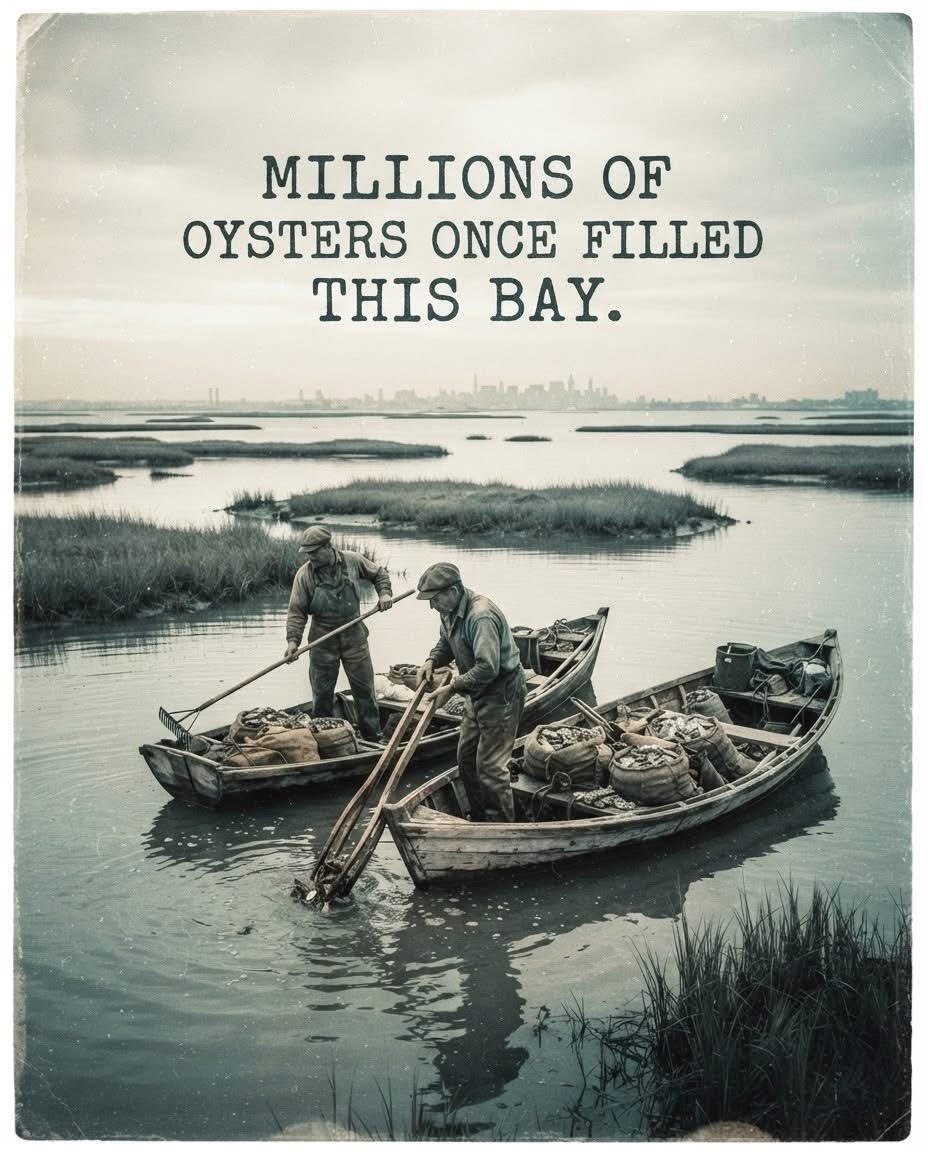
The Rise and Ruin of Jamaica Bay Oysters
Jamaica Bay’s oyster beds once helped define its economy, but pollution, disease, and urban growth turned one of the bay’s richest resources into a public-health hazard.
When Jamaica Bay Was New York’s Waterside Playground
Excerpt: In the late nineteenth century, Jamaica Bay became one of the metropolitan region’s recreational frontiers, drawing anglers, hunters, boaters, hotel guests, and summer visitors to the city’s marshy edge.
Before the Airport: The Many Lives of Jamaica Bay
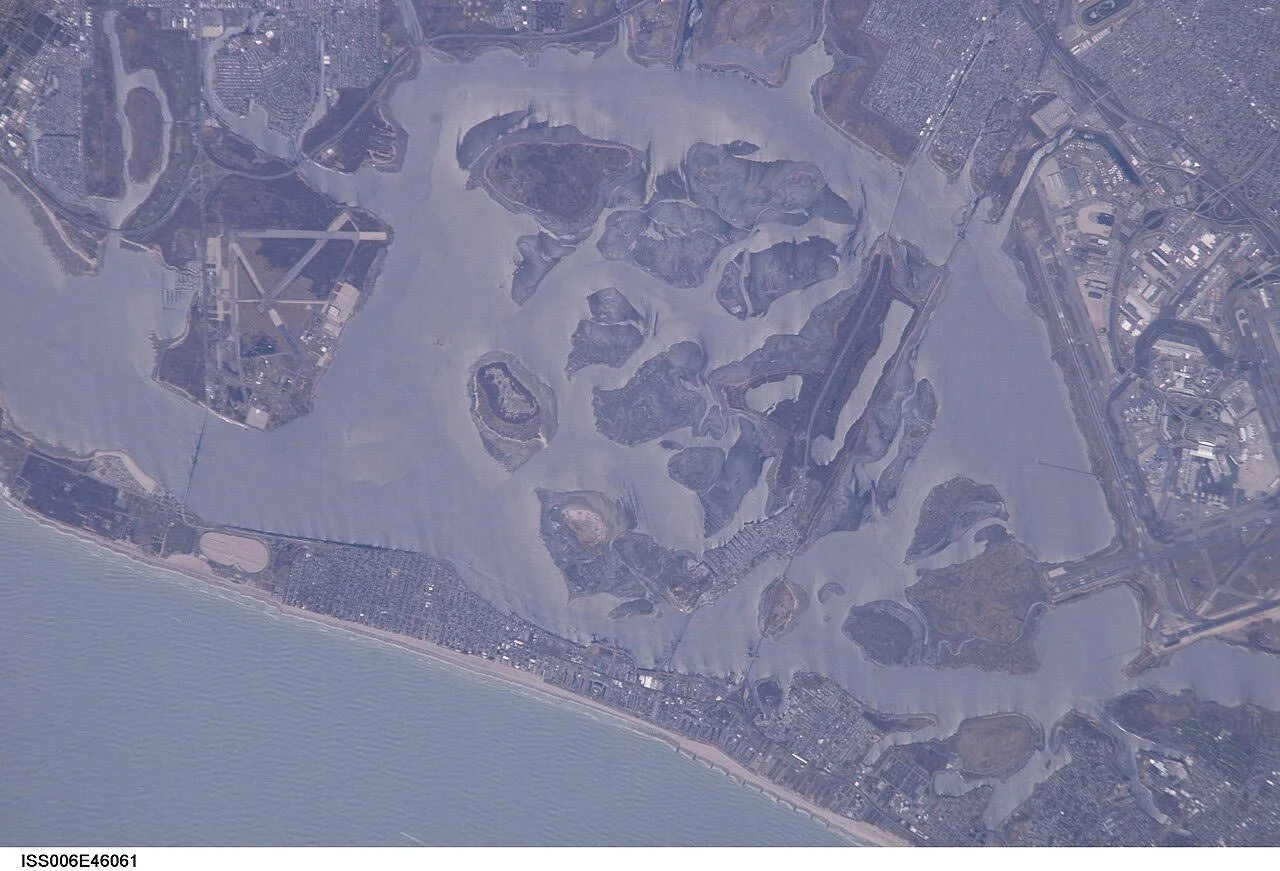
Excerpt: Long before airports and parkways, Jamaica Bay was a productive estuary shaped by Indigenous use, colonial settlement, fishing, and maritime life. This article introduces the deeper history of one of New York’s most transformed landscapes.
Jamaica Bay: Nature, Industry, and the Lost Edge of New York
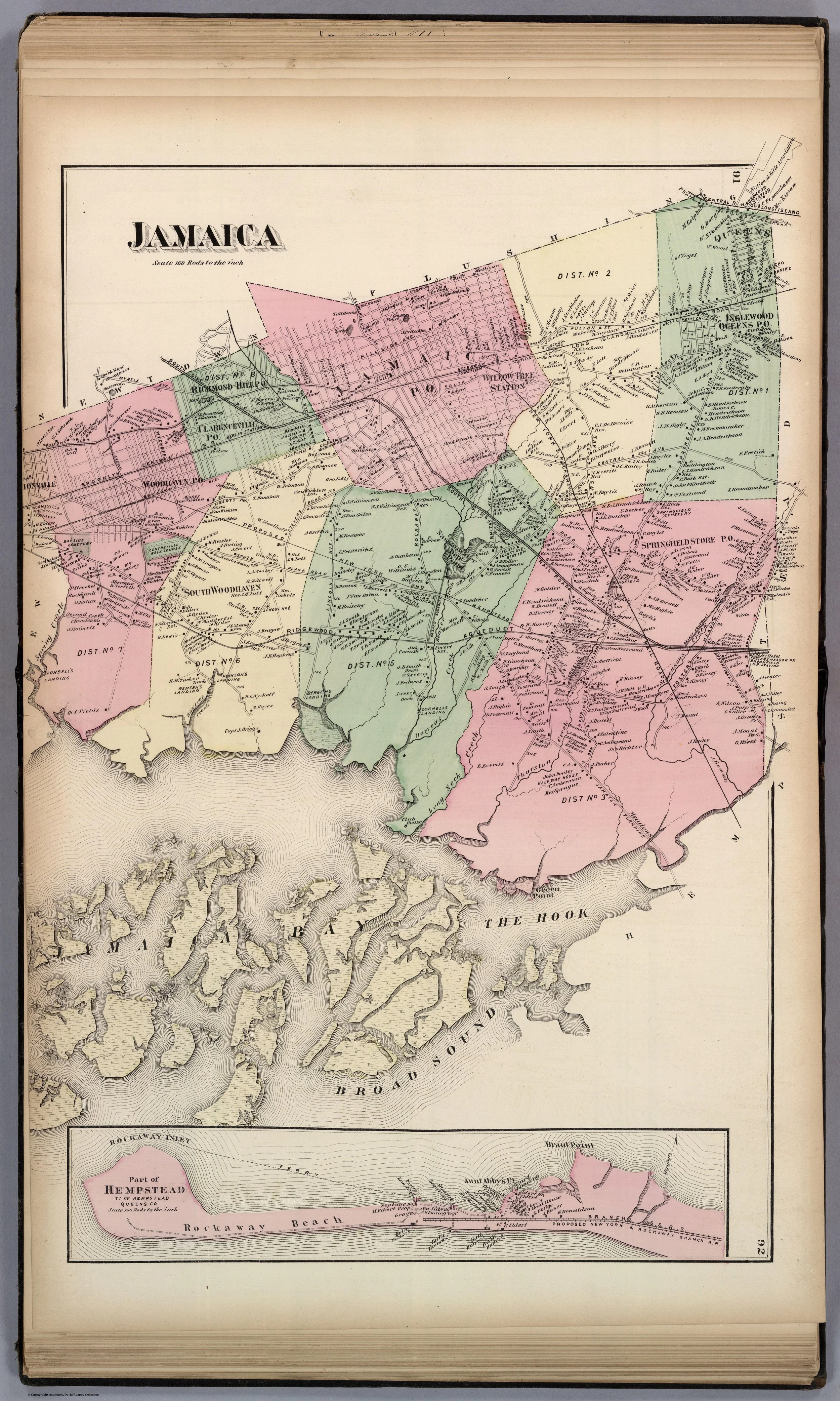
A five-part series on the environmental history of Jamaica Bay, tracing its transformation from productive estuary to recreational frontier, oyster economy, dumping ground, and restoration landscape.