Rough and Perfect Ashlar: The Masonic Work of Self-Improvement
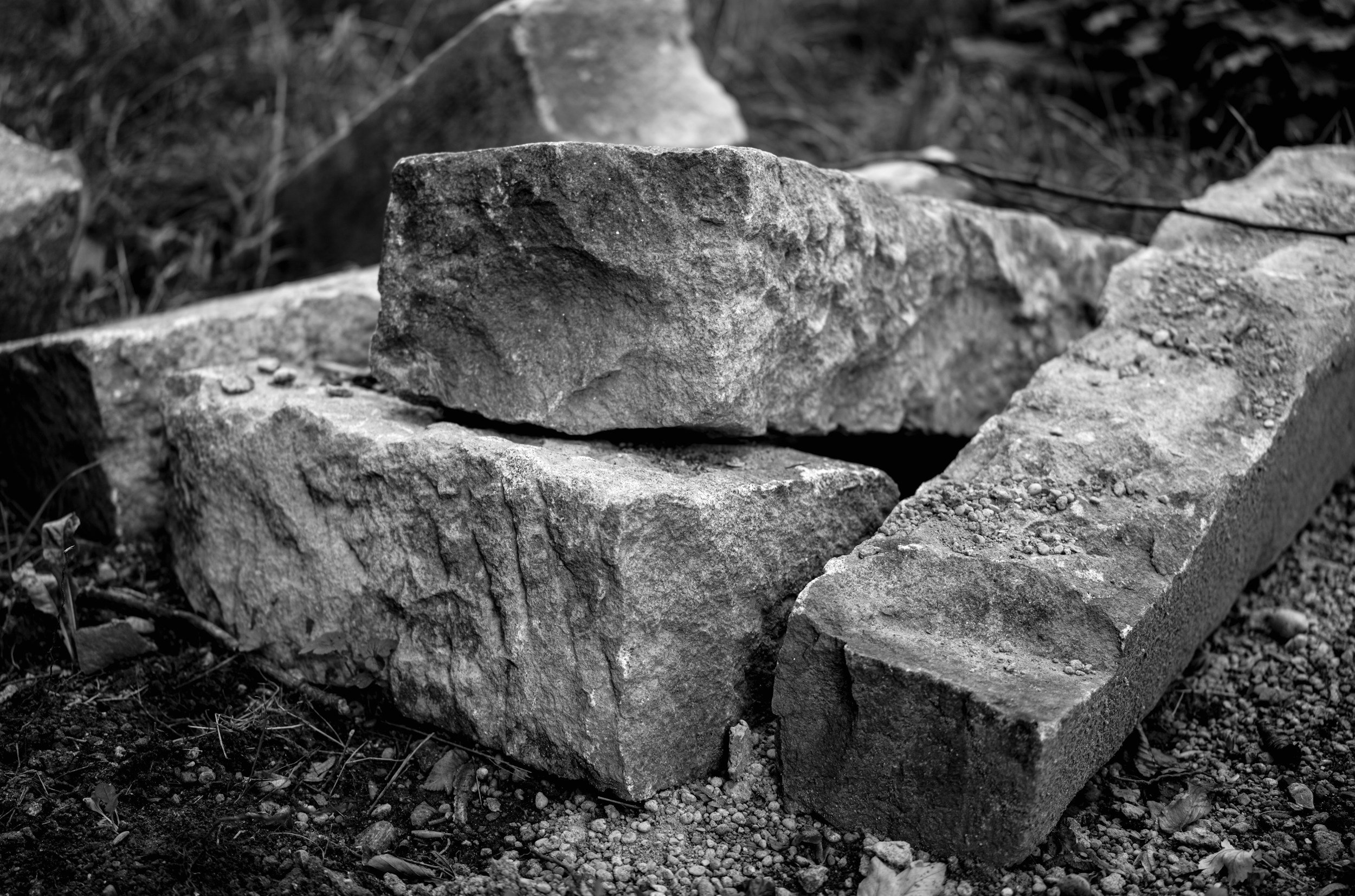
If you had to choose one Masonic symbol that explains almost the whole moral project of Freemasonry, the ashlar would be a strong candidate.
It does not look dramatic. It is just stone.
No flames. No celestial visions. No secret machinery. Just a block from the quarry, and a block that has been shaped for use. Yet that plain contrast carries one of the most durable lessons in the whole tradition.
Human beings begin unfinished.
That is the rough ashlar.
What they may become through labor, discipline, instruction, and correction is the perfect ashlar.
That is the basic idea. Almost everything else is commentary.
First, what is an ashlar?
In ordinary architectural language, an ashlar is a stone that has been worked or dressed for building.[1] In Masonic symbolism, the term is used in a more pointed way. The rough ashlar represents stone in its crude or unshaped condition. The perfect ashlar represents stone brought into form, squared, measured, and made fit for its place in a structure.
You do not need much imagination to see why this became such a powerful moral emblem.
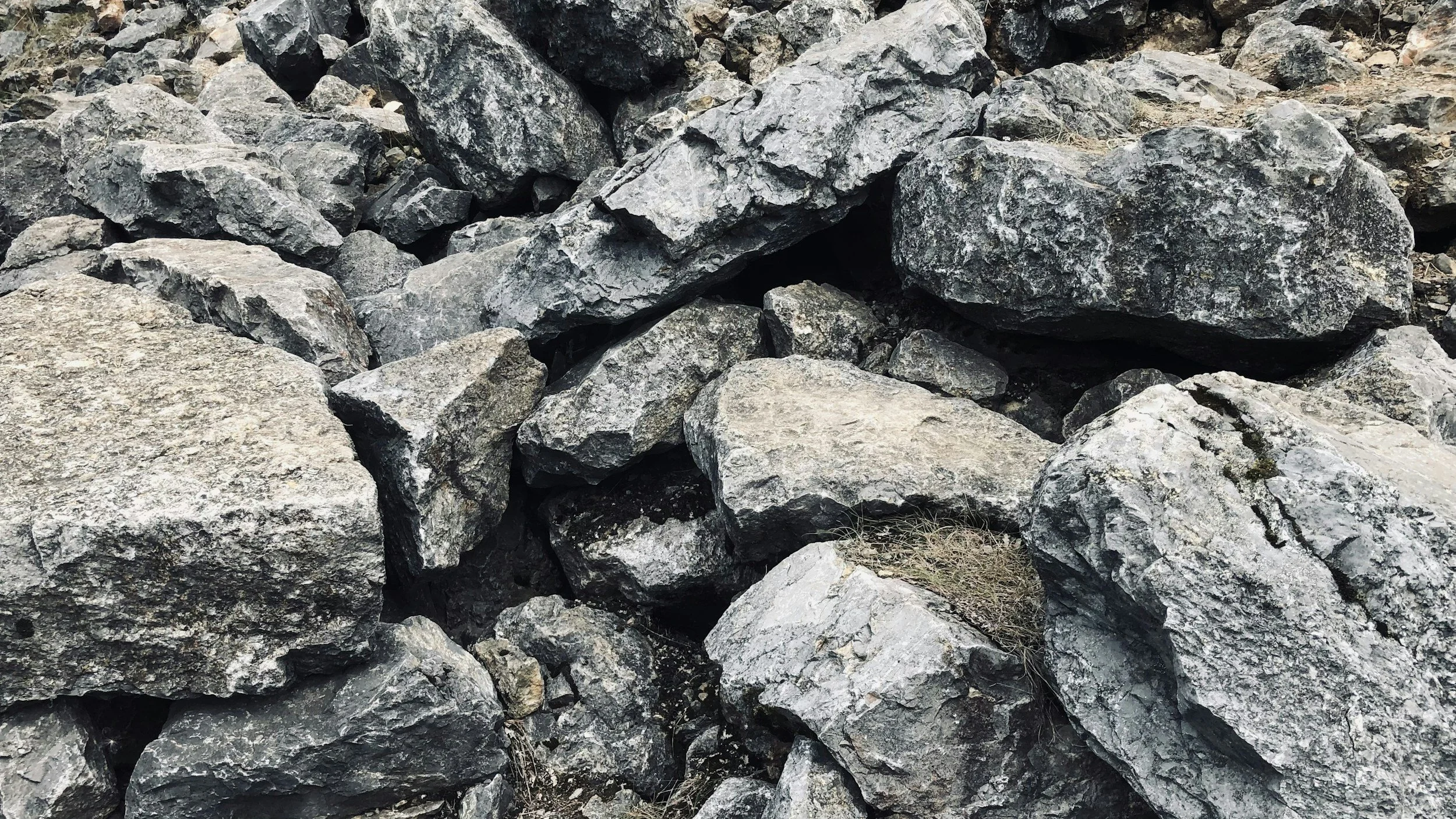
Take a block of stone fresh from the quarry. It is real, substantial, and full of possibility, but it is not yet ready. It still bears irregularities. It has not been fitted, measured, or refined. It must be worked upon.
So too with the human being.
Freemasonry did not invent this idea. Versions of it appear everywhere: in religion, philosophy, education, and even ordinary parenting. But Masonry gives the idea a concrete image that sticks in the mind. A person is not born finished. He is shaped.[2]
Why this symbol works so well
Because it avoids two opposite errors at once.
The first error is flattery. It refuses to pretend that the human being is already complete. The rough ashlar says plainly: there is work to do. You are not yet what you could be.
The second error is despair. It refuses to say that roughness is ruin. The rough ashlar is not trash. It is material. It can be formed. It belongs to a process.
That balance is one reason the symbol has such force.
Freemasonry is not built on the assumption that man is perfect by nature.
Neither is it built on the assumption that improvement is hopeless.
It assumes instead that people are capable of being shaped, though not without labor.
That is a much saner anthropology than either self-worship or cynicism.
Stone is the right material
The more you think about it, the better the metaphor becomes.
Stone resists.
It has weight.
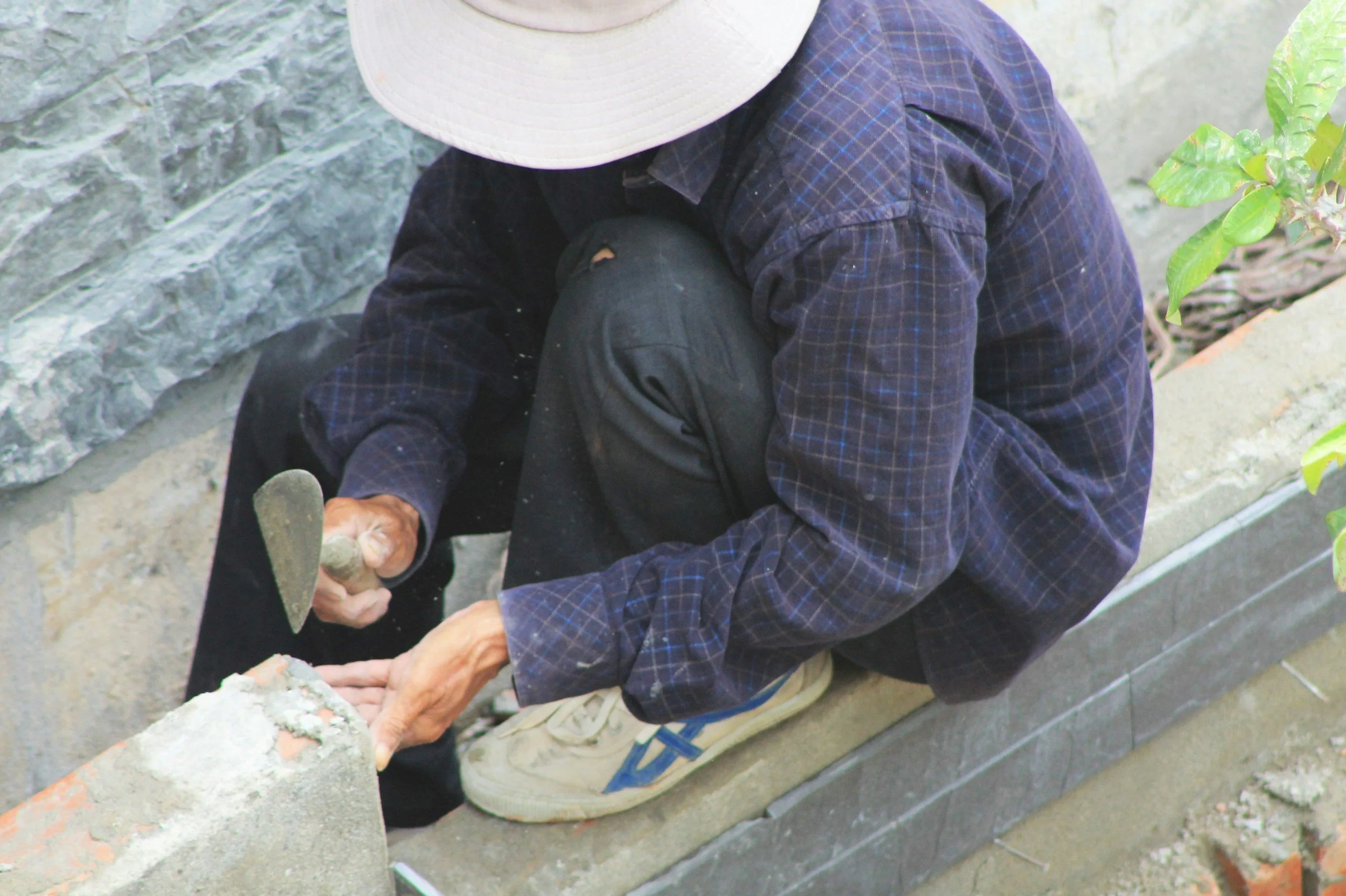
It must be worked patiently.
If shaped badly, the fault shows.
If shaped well, it can bear weight and join a larger structure.
This makes stone a nearly ideal image for character.
Character also resists easy change.
It has habits, density, and stubbornness.
It cannot be transformed by slogans.
It requires repeated effort.
And when well formed, it becomes capable of supporting responsibilities beyond itself.[3]
This last point is especially important. Freemasonry is not only interested in private self-improvement as a kind of vanity project. The ashlar is not shaped merely to sit alone and admire its own geometry. It is made fit for building. In other words, the improved person becomes more useful, more dependable, more capable of taking his place in a moral and social structure.
Improvement is not for display. It is for service.
Roughness is not evil
This needs saying, because some readers hear “rough” and imagine condemnation.
But the rough ashlar is not a symbol of wickedness in the melodramatic sense. It is a symbol of incompletion.
A child is rough in this sense.
An undisciplined adult is rough in this sense.
A talented but vain man is rough in this sense.
A decent man who has never really examined himself is rough in this sense.
The point is not that he is monstrous.
The point is that he is unworked.
That is a gentler, and in some ways stricter, judgment. It does not excuse faults, but it places them in a developmental frame. It says: here is something real, potentially useful, perhaps even noble in substance, but not yet fitted to its highest purpose.
That is how the symbol preserves dignity while demanding effort.
What makes the rough ashlar rough?
Not one thing. Many things.
Ignorance can make a man rough.
Impulsiveness can make him rough.
Pride can make him rough.
Carelessness, laziness, dishonesty, vanity, self-indulgence, resentment, and lack of measure can all leave him morally jagged.
The rough ashlar is therefore not one flaw. It is the condition of needing refinement.
This is why the symbol is so universal. Almost anyone who is honest can see himself in it. You may not share another man’s exact defects, but you know what it is to be partly unformed. You know what it is to discover edges that catch, habits that distort, weaknesses that limit usefulness.
Freemasonry takes that ordinary recognition and ritualizes it. It says, in effect: do not be surprised that you are unfinished. Be responsible about it.
And what is the perfect ashlar?
This is where people can misunderstand the symbol in the other direction.
The perfect ashlar does not mean moral flawlessness in an absolute sense, as though a Mason were expected to become an angel with paperwork. In symbolic usage, “perfect” means fitted, squared, prepared, brought into due form for use.[4]
That is a very different idea from sinless perfection.
A perfect ashlar is not a miraculous stone. It is a worked stone.
It has undergone shaping.
It has been measured.
Its irregularities have been corrected enough for it to serve its place in the structure.
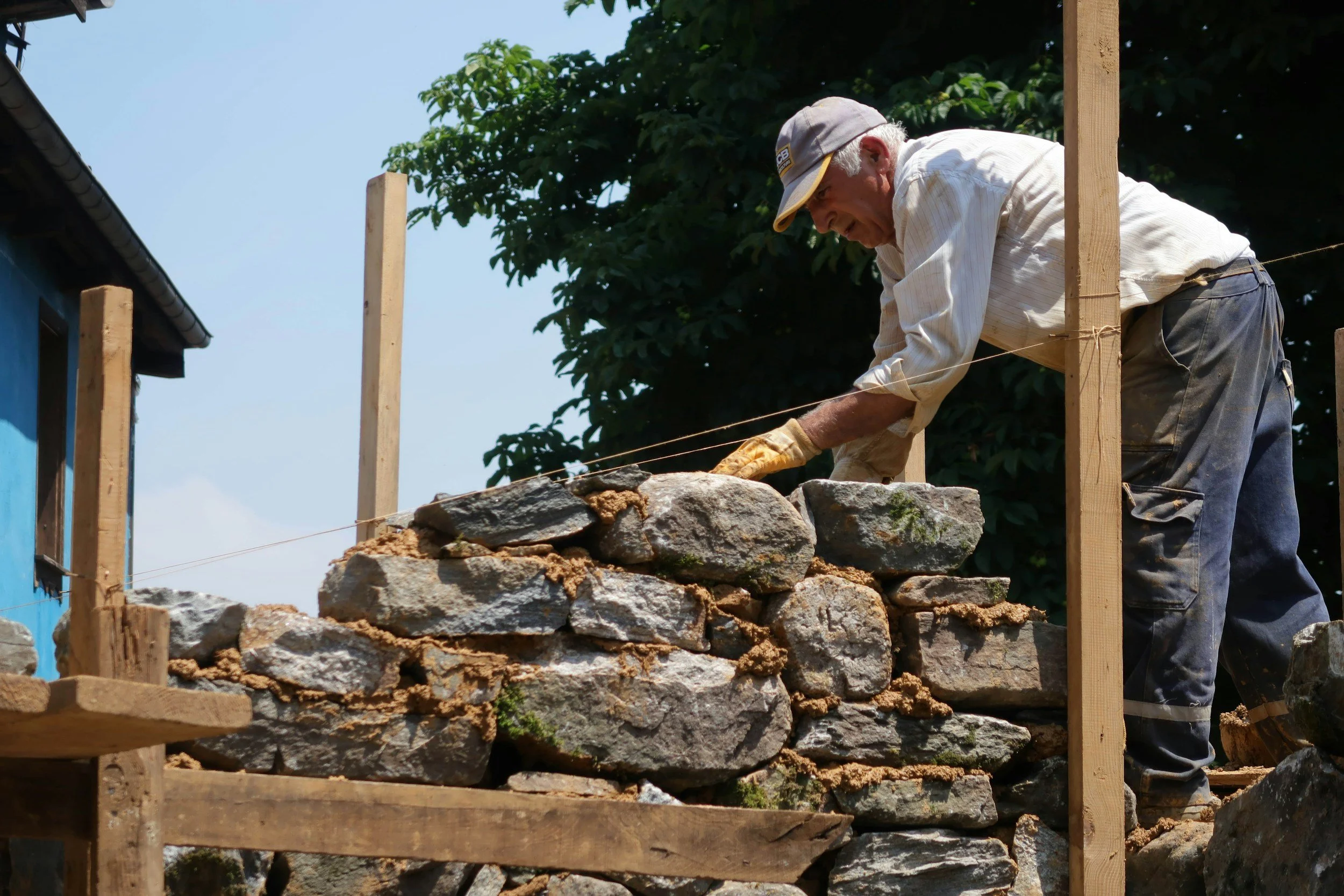
So when the perfect ashlar is applied to human life, the point is not that a person has become beyond criticism. The point is that he has become more disciplined, more reliable, more ordered, more able to fulfill his duties well.
That is “perfection” in the older, practical sense: not impossible flawlessness, but maturity of form.
This matters because otherwise the symbol would become crushing. If the standard were literal moral impeccability, the lesson would end in discouragement. But if the standard is fitness through labor, the lesson becomes demanding without being absurd.
The tools implied by the symbol
Even when not explicitly shown, the ashlar silently calls up the tools needed to shape it.
No stone refines itself.
No character improves by admiration alone.
The ashlar therefore belongs to a larger Masonic universe of working tools: gauge, gavel, chisel, square, level, plumb, compasses. Each tool suggests a kind of labor. Together they imply that moral life is active, not decorative.
This is one of the strengths of the symbol. It does not let the imagination drift into vague inspiration. The rough ashlar practically asks: by what work do you expect to be shaped?
Through instruction.
Through self-examination.
Through discipline.
Through correction.
Through habit.
Through obedience to principle.
Through repeated efforts to align conduct with standard.[5]
That is how stones are made fit. That is how persons are made steadier.
The danger of loving the roughness
Modern culture sometimes romanticizes the rough ashlar.
It praises being raw, unfiltered, instinctive, untamed, “real.” And there is something understandable in that reaction, because false polish can be insufferable. People are right to dislike artificial virtue and smooth hypocrisy.
But there is a difference between resisting fakery and glorifying immaturity.
A rough stone may be authentic, but that does not mean it is ready.
A man may be “just being himself,” but if himself is vain, careless, cruel, or undisciplined, authenticity is not a defense.
Freemasonry does not worship roughness. It begins there, but it does not stay there.
This is an important corrective. To be unshaped is not freedom. It is limitation. The unworked self is often governed by appetite, vanity, temper, laziness, or confusion. Real freedom requires form. A stone becomes more useful, not less, when it is rightly shaped.[6]
The same is true of a person.
The danger of pretending to be perfect
If one danger is clinging to roughness, the opposite danger is pretending to have reached perfection already.
Institutions with moral language always attract this temptation. People learn the vocabulary of improvement and begin performing maturity instead of acquiring it. They talk about discipline, charity, wisdom, and brotherhood while remaining inwardly brittle and self-satisfied.
The perfect ashlar, then, can be abused too. It can be turned into a self-congratulatory image, as though one had already become neatly squared and beyond serious criticism.
But that misses the whole point. The ashlar is a reminder of work, not a certificate of arrival.
Indeed, the more formed a person becomes, the more clearly he usually sees how much remains to be corrected. Real refinement tends to increase humility, not vanity. It teaches proportion. It teaches that fitness is ongoing, and that the structure one hopes to support is greater than oneself.
So the perfect ashlar, properly read, should not make a man proud. It should make him responsible.
The social meaning of the symbol
There is another lesson here that often gets overlooked.
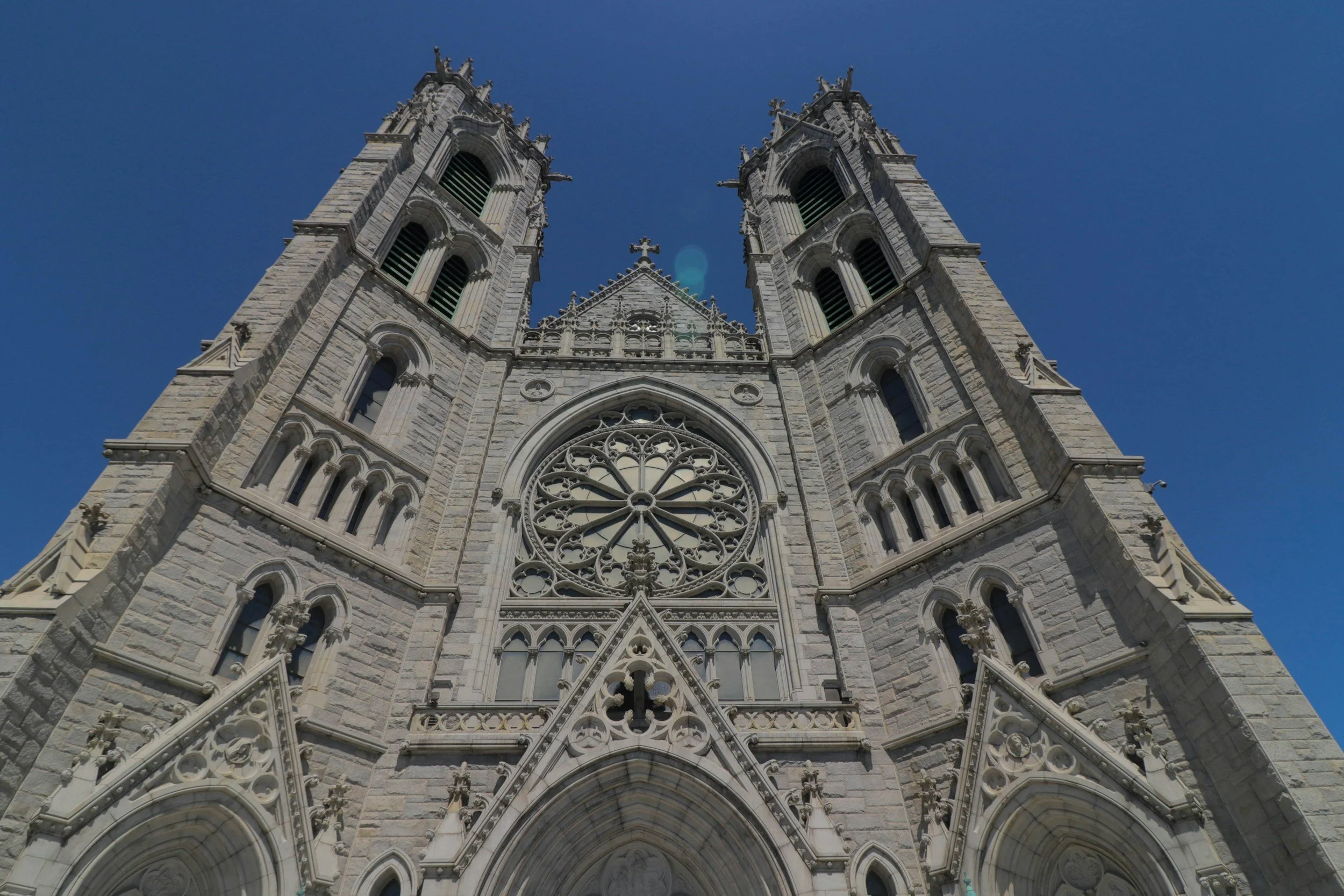
A stone in architecture is not shaped only in relation to itself. It is shaped in relation to the whole building. Its lines matter because it must join with other stones, bear weight with them, and contribute to something larger than its own separate existence.
This carries naturally into moral life.
To refine oneself is not just to become privately admirable. It is to become easier to live with, more trustworthy in fellowship, more reliable in duty, more capable of cooperating in common work. The unmannered, selfish, impulsive man is like an ill-cut stone: awkward to place, hard to rely on, costly to the structure.
By contrast, the well-formed person strengthens the institutions and relationships around him. He fits. He bears weight well.[7]
This is one reason Freemasonry links self-improvement with fraternity. The ashlar is not the symbol of isolated spiritual vanity. It belongs to a building.
Why this image lasts
The rough and perfect ashlar endure because they join clarity with depth.
Anyone can understand them.
A child can grasp the basic contrast.
Yet the older one gets, the more one sees in them.
At twenty, the symbol may mean obvious self-improvement.
At forty, it may mean correction of pride.
At sixty, it may mean patience, humility, and the long work of becoming fit for responsibilities one once underestimated.
The symbol grows because life deepens it.
And that is usually the sign of a good symbol: it remains simple without becoming exhausted.
So what do the rough and perfect ashlars mean?
They mean that the human being begins unfinished.
They mean that moral and intellectual formation require labor.
They mean that discipline is not punishment but shaping.
They mean that fitness matters because life is lived in relation to others and to duties larger than the self.
And they mean that improvement is possible, though never effortless.
The rough ashlar says: you are not yet formed.
The perfect ashlar says: you can be made more fit.
Between them lies the whole work of character.
That is why this plain block of stone carries so much of Freemasonry within it.
Endnotes
Author’s note:
I write as an individual Freemason, historian, and researcher. This article reflects my personal research and interpretation and does not represent an official statement of Advance Service Mizpah Lodge No. 586, the Grand Lodge of New York, or any other Masonic organization.
[1] For the architectural sense of ashlar and its adaptation into Masonic symbolism, see standard dictionaries of architecture and Albert G. Mackey, The Symbolism of Freemasonry (New York, 1882), which gives the classic internal symbolic reading.
[2] David Stevenson, The Origins of Freemasonry: Scotland’s Century, 1590–1710 (Cambridge: Cambridge University Press, 1988), and Douglas Knoop and G. P. Jones, The Genesis of Freemasonry (Manchester: Manchester University Press, 1947), provide background on how operative building language was transformed into speculative moral symbolism.
[3] W. Kirk MacNulty, Freemasonry: Symbols, Secrets, Significance (London: Thames & Hudson, 2006), is especially useful on why material objects like stones and tools became durable carriers of moral instruction.
[4] Mackey, The Symbolism of Freemasonry; see also John Hamill, The Craft: A History of English Freemasonry (Wellingborough: Crucible, 1986), for general symbolic and institutional context.
[5] James Anderson, The Constitutions of the Free-Masons (1723), together with mainstream Grand Lodge educational materials, reflects the Craft’s longstanding concern with conduct, discipline, and character rather than mere ceremonial participation.
[6] Margaret C. Jacob, Living the Enlightenment: Freemasonry and Politics in Eighteenth-Century Europe (Oxford University Press, 1991), gives helpful wider context for eighteenth-century ideals of self-command, order, and improvement that shaped Masonic culture.
[7] Steven C. Bullock, Revolutionary Brotherhood: Freemasonry and the Transformation of the American Social Order, 1730–1840 (Chapel Hill: University of North Carolina Press, 1996), is valuable for understanding how Masonic ideals of personal formation were tied to sociability, fraternity, and public character.