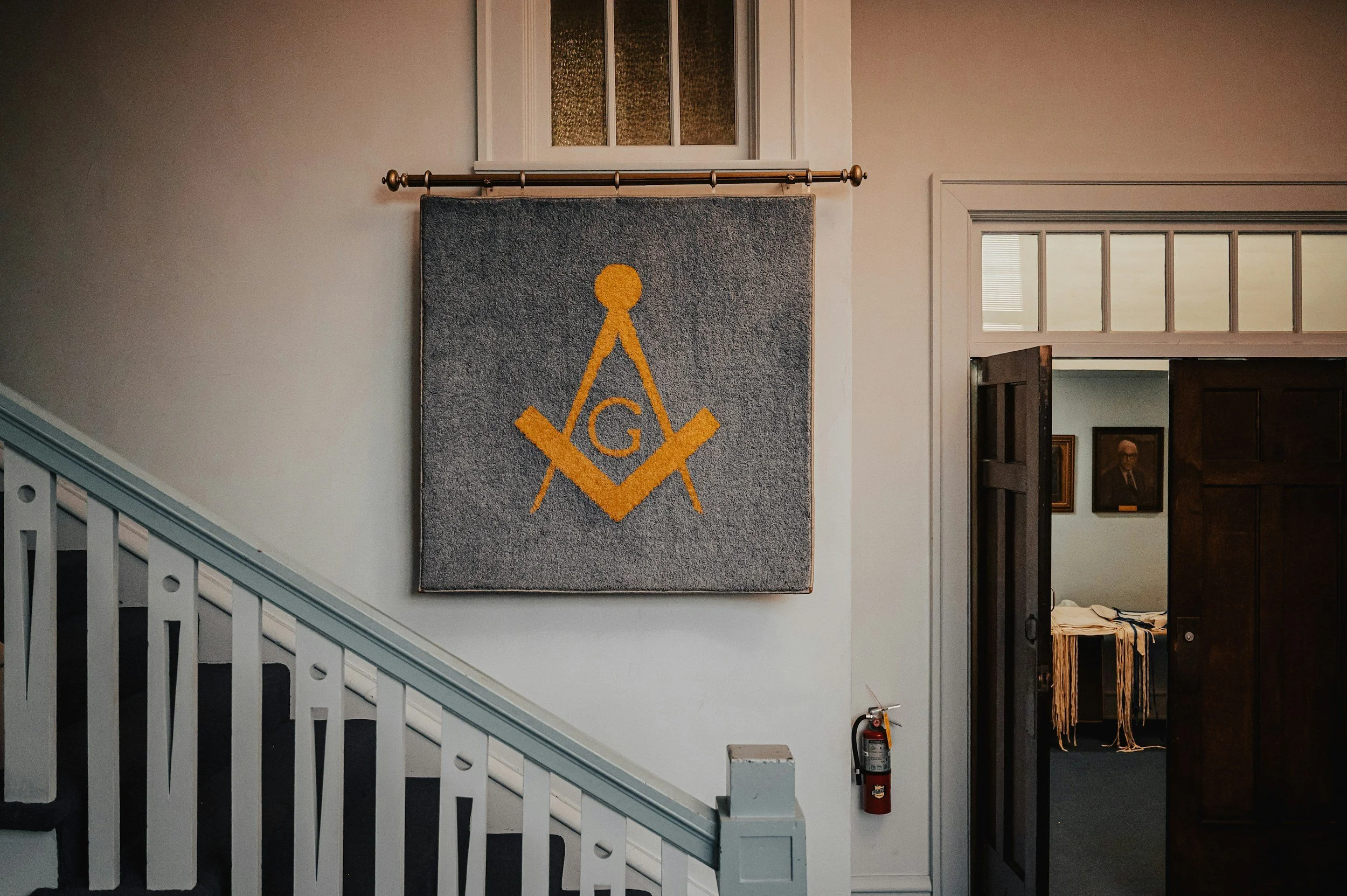
Stones, Tools, and the Work of Character
A rough stone. A pair of pillars. A measuring rule. A room arranged with deliberate care.
Why does Freemasonry use these things to speak about human life?
This series explores the symbolic language of the Craft and the questions it raises about character, responsibility, learning, and fellowship. Begin with the introductory essays, then follow the reading paths through the ashlars, pillars, working tools, and symbolic setting of the lodge.
No background in Freemasonry or symbolism is required.
Begin the Series: From Working Tools to Inner Work
Start Here: Why Freemasonry Uses Symbols
Before exploring individual symbols, begin with the language behind them. These introductory essays offer two starting points: a personal introduction to Masonic symbolism and a broader discussion of the relationship between working tools and inner work.
- Why Masons Talk in Stones, Tools, and Symbols: A Personal Introduction
- Why Masons Talk in Stones, Tools, and Symbols: From Working Tools to Inner Work
For additional background on the Craft, read:
- What Freemasonry Is: Ritual, Symbol, and Moral Formation
- What Freemasonry Is: From Anderson’s Constitutions to the Symbolic and Observant Lodge
The Ashlars: Working on the Unfinished Self
Begin with the stone.
The rough and perfect ashlars provide a starting point for considering personal formation: the work of recognizing what remains unfinished and shaping ourselves for a useful place in a larger structure.
As you read, consider: What does improvement require beyond the desire to think well of ourselves?
The Two Pillars: Strength, Support, and the Threshold
Move from the stone to the entrance.
The pillars invite a different set of questions. What supports the work? What makes a threshold meaningful? How might entering a space become an act of attention rather than a movement we make without thinking?
The Twenty-Four-Inch Gauge: Measuring the Use of Time
Turn next to the measure of a day.
This essay brings the twenty-four-inch gauge into conversation with Benjamin Franklin and the problem of time. Read it with a practical question in mind: How closely does the use of our hours resemble the priorities we claim to hold?
The Lodge Room: Symbols in Relationship
Individual symbols do not have to be read in isolation. The lodge room offers a setting in which objects, directions, positions, and movement can be considered together.
Begin with the room itself, then continue into the related essays on the Middle Chamber.
- Why the Lodge Room Is Laid Out Like a Map of the Mind
- The Middle Chamber of the Mind — Plato and the Liberal Arts
- The Middle Chamber of the Mind — The Work of Light Reading Path
Related Reading: Light, Caves, and Understanding
Continue beyond the physical objects of the lodge into the imagery of light, shadows, caves, and return.
These connected readings offer a wider philosophical setting for questions about learning, perception, and responsibility.
- The Work of Light Series
- The Two Caves and the Work of Light
- The Sun Is Not a Brighter Shadow
- Why the Prisoner Must Return
Related Reading: Geometry, Harmony, and the Liberal Arts
For readers interested in the relationship between symbolic learning and education, continue with these essays on geometry, music, language, reason, and order.
Geometry, Music, and Order
- Geometry, Architecture, and Moral Proportion
- Music in the Lodge
- The Quadrivium and the Recovery of Order
Language, Reason, and Judgment
- What the Liberal Arts Are For
- Grammar and the Moral Life
- Logic Against the Lie
- Rhetoric and the Responsible Tongue
Further Explorations: Symbolic Maps and the Inner Life
These essays extend the reading path into other symbolic images and questions about inward work.
- The Tree, the Ladder, the Road, and the Labyrinth
- Penelope’s Loom, the Middle Chamber, and the Art of Returning Home
- Solitude, Silence, and the Inner Chamber
Related Discussion: The Lodge, the Mind, and the Egregore
These articles belong to a companion discussion rather than the main sequence on ashlars, pillars, and working tools. Read them as a separate path into the language used to describe shared thought and lodge life.
- What an Egregore Really Is
- The Lodge, the Thoughtform, and the Work
- The Lodge Mind
- Stop Blaming the Egregore
A Suggested First Reading Path
If you prefer a short introduction before exploring the wider collection, follow this sequence:
- Why Masons Talk in Stones, Tools, and Symbols: From Working Tools to Inner Work
- Rough and Perfect Ashlar: The Masonic Work of Self-Improvement
- The Two Pillars: Strength, Established, and the Architecture of Meaning
- The Twenty-Four-Inch Gauge, Benjamin Franklin, and the Problem of Time
- Why the Lodge Room Is Laid Out Like a Map of the Mind
Then choose the related reading path that interests you most: light and understanding, geometry and harmony, the liberal arts, or the inner life.
How to Read These Essays
Keep three questions nearby:
- What is this object or image in its ordinary setting?
- How does the essay connect it with a moral or philosophical question?
- What might that question ask of my own conduct?
The purpose is not simply to collect meanings. It is to consider how a familiar image might become an occasion for closer attention, better judgment, and useful action.
A Note on Interpretation
These essays bring together historical context, philosophical reflection, and personal interpretation. They are not official statements of a lodge, grand lodge, or other Masonic organization.
Where I develop a symbolic reading, I offer it as an invitation to reflection—not as a claim that every Freemason must understand a symbol in precisely the same way.
Continue Exploring
For the broader introduction to this subject, visit Freemasonry: A Reader’s Guide.
For connected readings on myth, character, and the examined life, explore Philosophy & Classical Stories.
Begin the Masonic Symbols Reading Path
Begin the Reading Path
Masonic Symbols: Stones, Tools, and the Work of Character brings together essays on the ashlars, pillars, working tools, and symbolic lodge room. Begin with the introduction to symbolic language, then explore how individual objects can become starting points for questions about conduct, responsibility, learning, and fellowship.
Begin here: Why Masons Talk in Stones, Tools, and Symbols: From Working Tools to Inner Work
Continue through the core readings:
- Rough and Perfect Ashlar: The Masonic Work of Self-Improvement
- The Two Pillars: Strength, Established, and the Architecture of Meaning
- The Twenty-Four-Inch Gauge, Benjamin Franklin, and the Problem of Time
- Why the Lodge Room Is Laid Out Like a Map of the Mind
Related Articles
- What Freemasonry Is: Ritual, Symbol, and Moral Formation — Place the discussion of symbols within a broader introduction to Masonic practice and education.
- The Work of Light Series — Explore a companion reading path through understanding, education, responsibility, and return.
- The Tree, the Ladder, the Road, and the Labyrinth — Continue into other symbolic images used to think about development and direction.
