The Work of Light Series
Short Essays on Symbols, Self-Knowledge, and the Examined Life
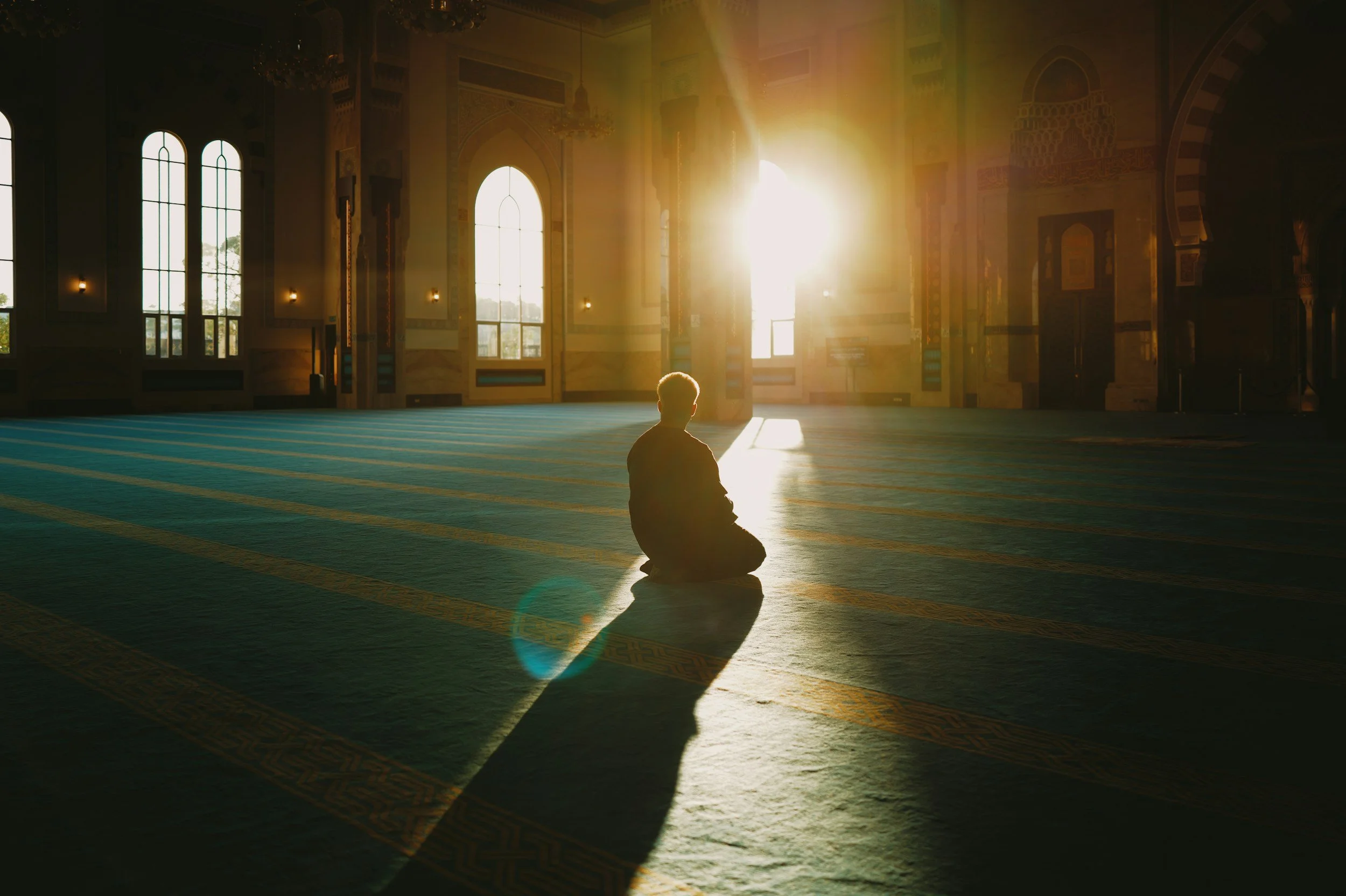
Light does not arrive as a possession. It is practiced through attention, correction, education, labor, friendship, and the daily refusal to confuse a symbol with the work it demands.
This five-part series is designed as a companion to “The Two Caves and the Work of Light,” and as a philosophical bridge between my articles on the Second Degree, the Middle Chamber, the liberal arts, and the inward purpose of Freemasonry.
The argument running through all five essays is simple, though not easy: symbolic instruction can point a man toward wisdom, but it cannot become wisdom for him. The work begins when the lodge closes, the book is shut, the lecture is over, and ordinary life resumes with its familiar collection of appetites, duties, distractions, and opportunities to behave badly.
Article I
The Sun Is Not a Brighter Shadow
Plato’s Cave, Masonic Light, and the danger of mistaking certainty for truth
A man may leave one illusion only to become enchanted by a more impressive illusion. Plato’s Cave offers a stern test for every seeker of Light: does a new belief reveal reality, or merely flatter the believer with better scenery?
Article II
The Middle Chamber of the Mind
The liberal arts, Plato’s ascent, and why education is more than information
The Middle Chamber is not merely a destination in a degree. Read philosophically, it is a condition of mind: the patient ascent from memorized words toward judgment, proportion, and self-knowledge.
Article III
Why the Prisoner Must Return
Plato, service, and the test of whether enlightenment has become useful
The liberated prisoner in Plato’s Cave does not remain in the sunlight. He returns to the cave. The hardest test of Light is not what a person sees alone, but what he becomes useful for among others.
Article IV
The Two Gates of the Soul
Porphyry, descent and return, and the daily choice between appetite and judgment
Porphyry’s cave has two gates: one for descent into mortal life and another for ascent toward the divine. The ancient cosmology is remote. The experience is not.
Article V
Ulysses on Tuesday Afternoon
Thomas Taylor, the ordinary voyage, and the daily practice of coming home
Most of us do not encounter Sirens, Cyclopes, or enchantresses before lunch. We do meet distraction, vanity, resentment, comfort, fear, and the endless temptation to call delay “preparation.” Ulysses remains useful because the voyage is ordinary.