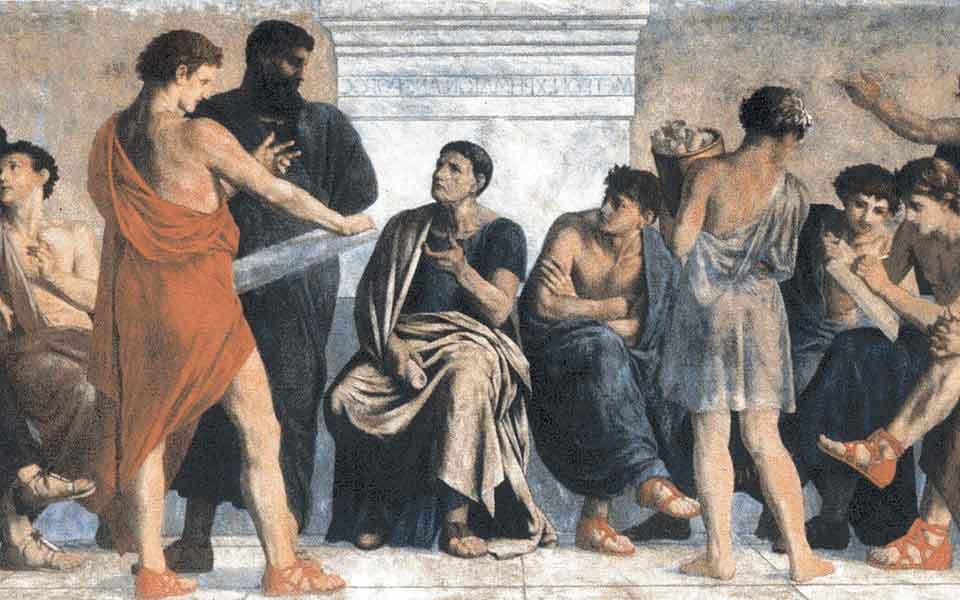
Greek Paideia and the Christian School of the Soul
Christianity did not simply inherit Greek education or reject it. It argued with it, borrowed from it, baptized parts of it, and tried to turn its formative power toward another end.
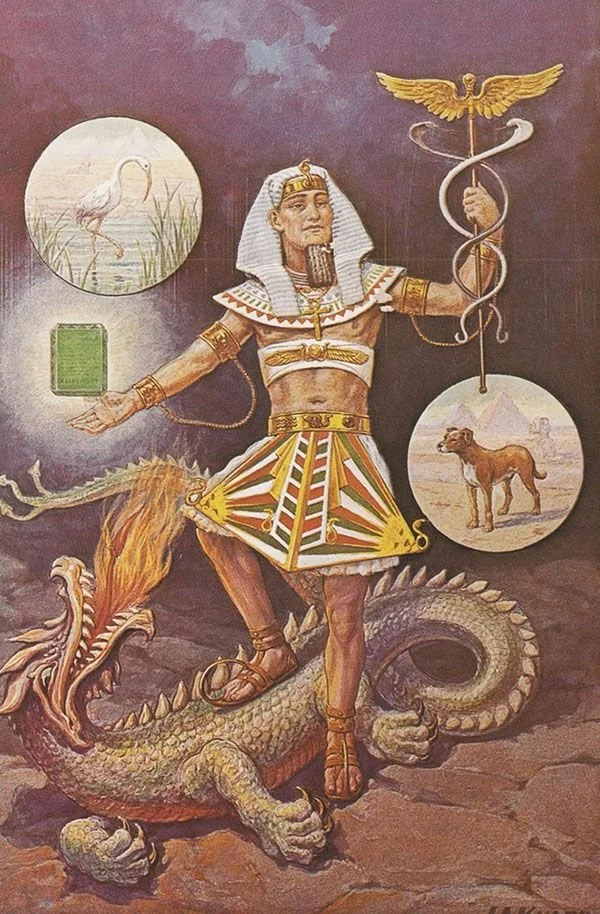
Hermes Trismegistus
Hermes Trismegistus never existed as a single ancient sage. His influence is real because cultures often need a wise ancestor through whom knowledge can travel.
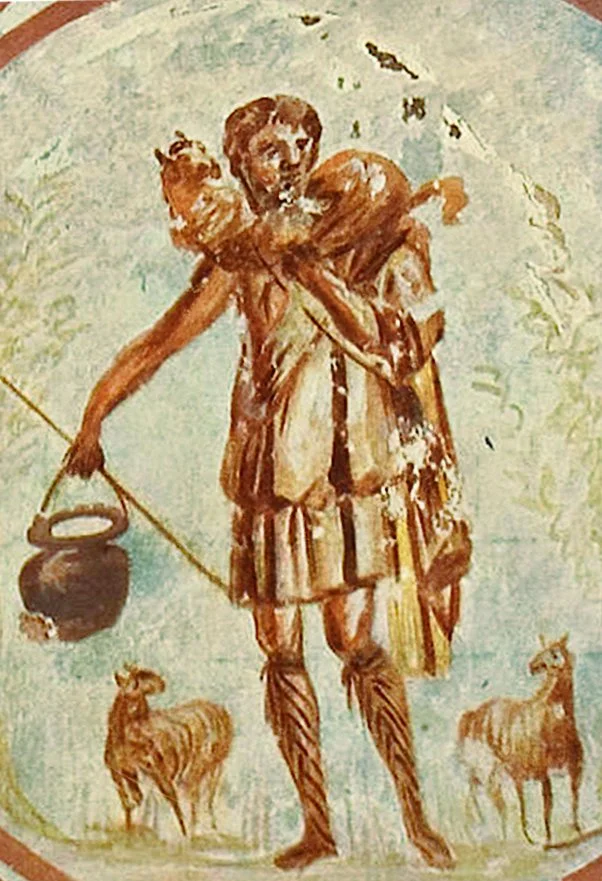
Hermes Before Hermeticism
Hermes does not become less clever when he receives an office. He becomes answerable for what cleverness is now allowed to do.
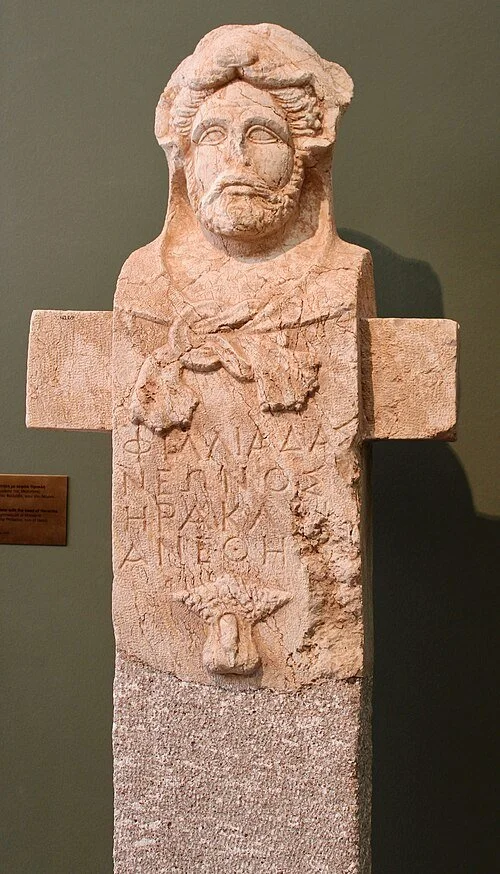
Hermes at the Crossroads
A six-part series on Greek Hermes, Hermes Trismegistus, Hermeticism, Greek education, early Christianity, Jewish and Kabbalistic traditions, and the shared human work of symbolic self-formation.
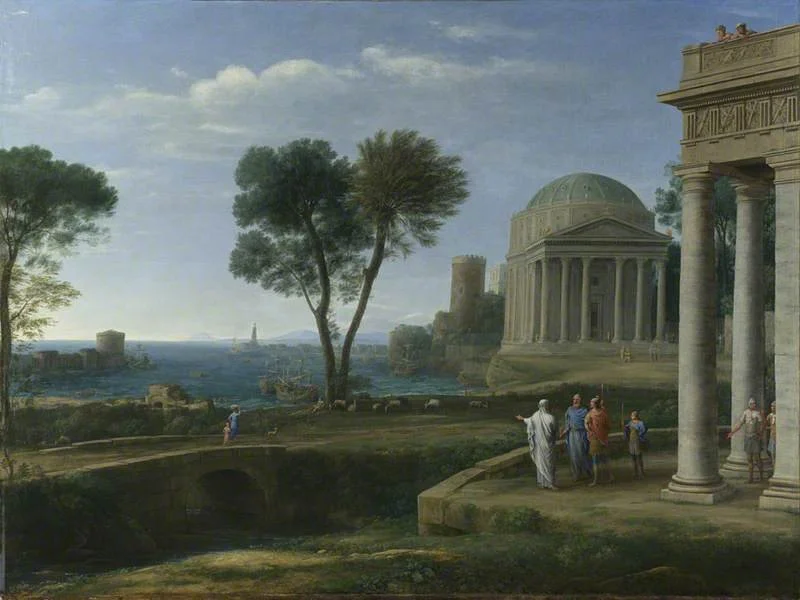
The City Is Not Yet Built
Aeneas returns from the underworld not with a completed city, but with the harder task of becoming one of its builders.
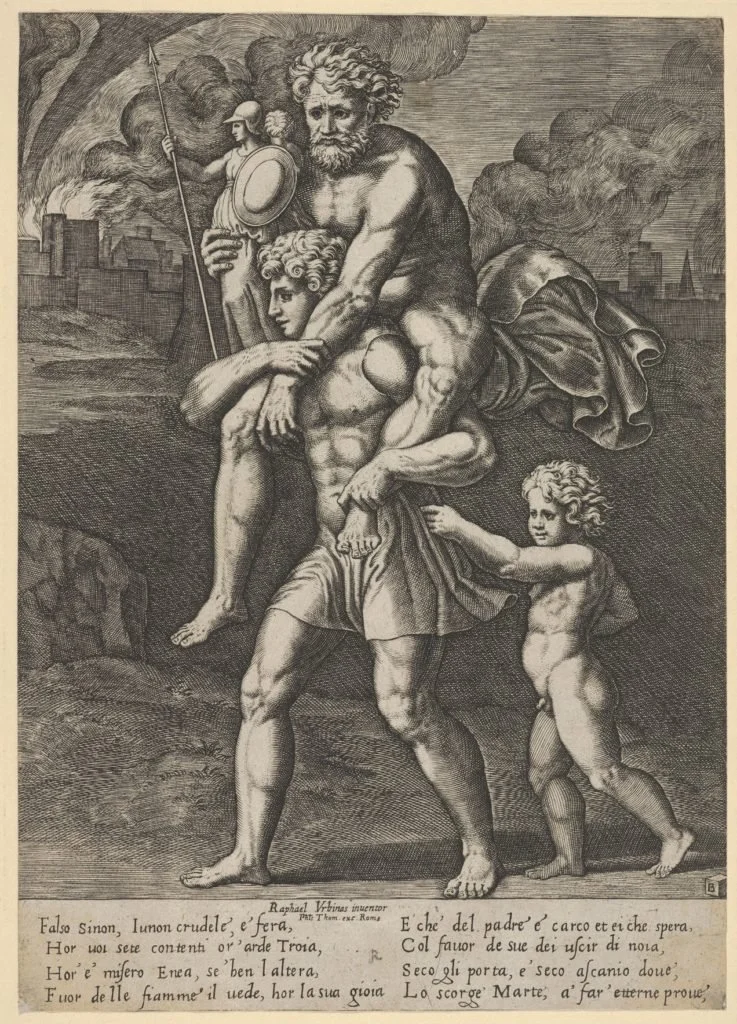
Pietas Is Not Obedience
Pietas does not mean obeying every voice from the past. It means carrying forward what the past has placed in our care without becoming its prisoner.
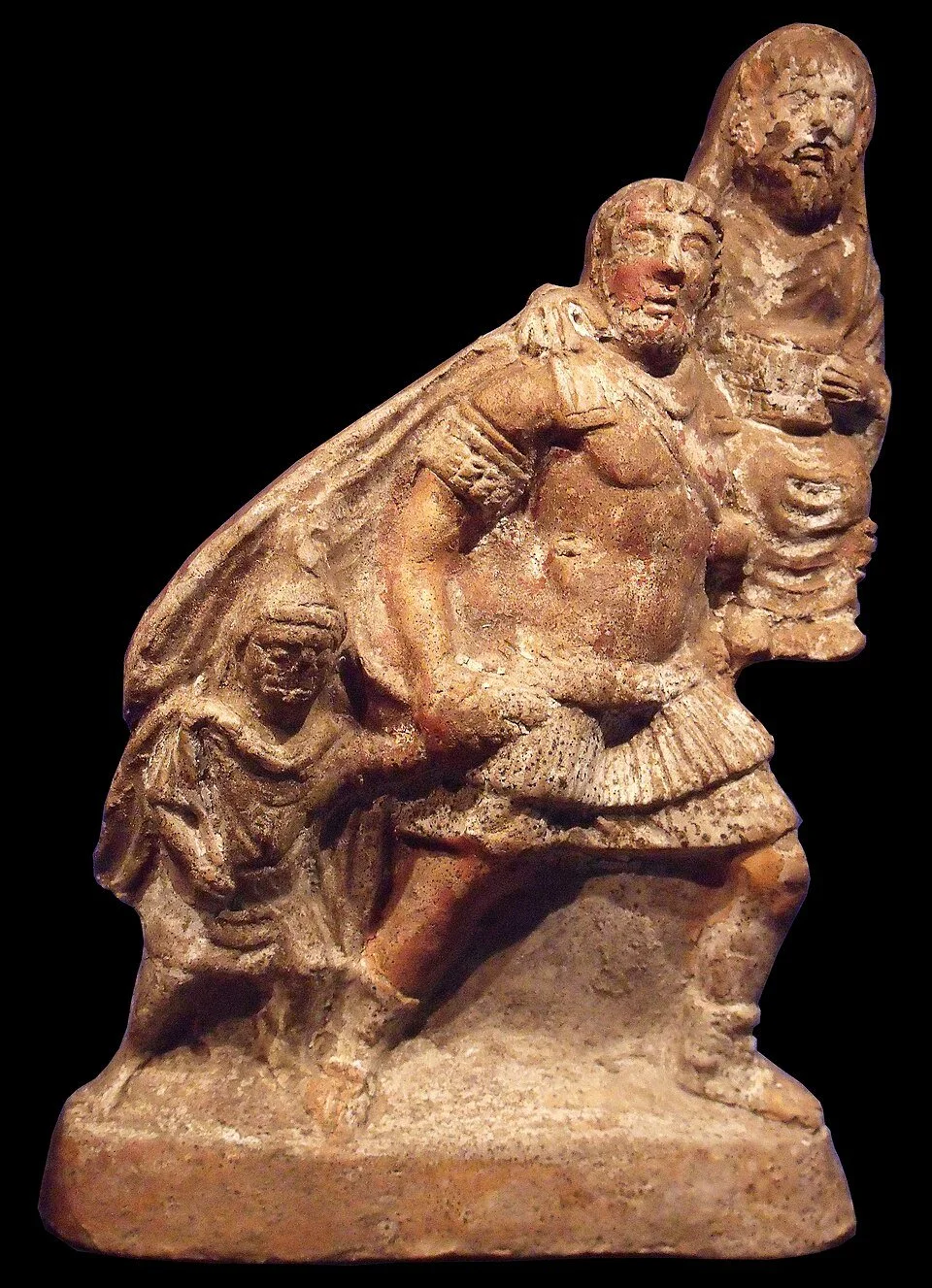
Anchises and the Burden of the Future
The future does not ask us to predict it. It asks whether we will leave it better material to build with.

Dido in the Fields of Mourning
Aeneas may have been called onward, but Dido’s silence reminds him that being necessary is not the same as being blameless.
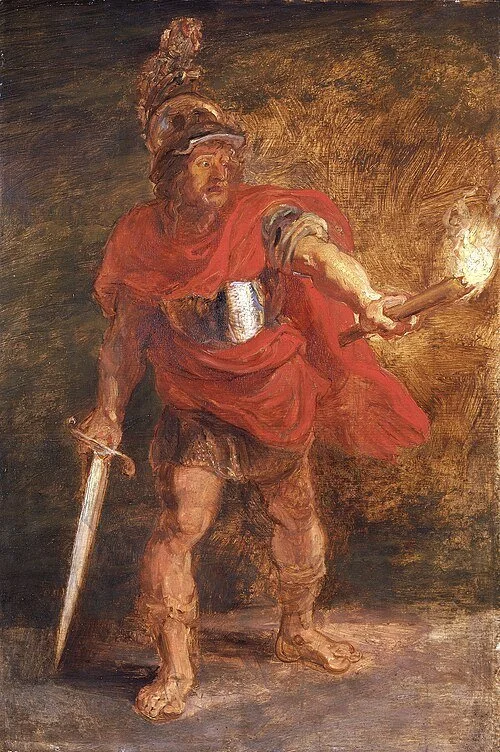
The Underworld Is a Moral Archive
The underworld is where every simplified story becomes complicated again.

The Golden Bough Is Not a Shortcut
The Golden Bough does not make Aeneas wise. It proves that he has come prepared to enter a world where wisdom cannot be taken by force.
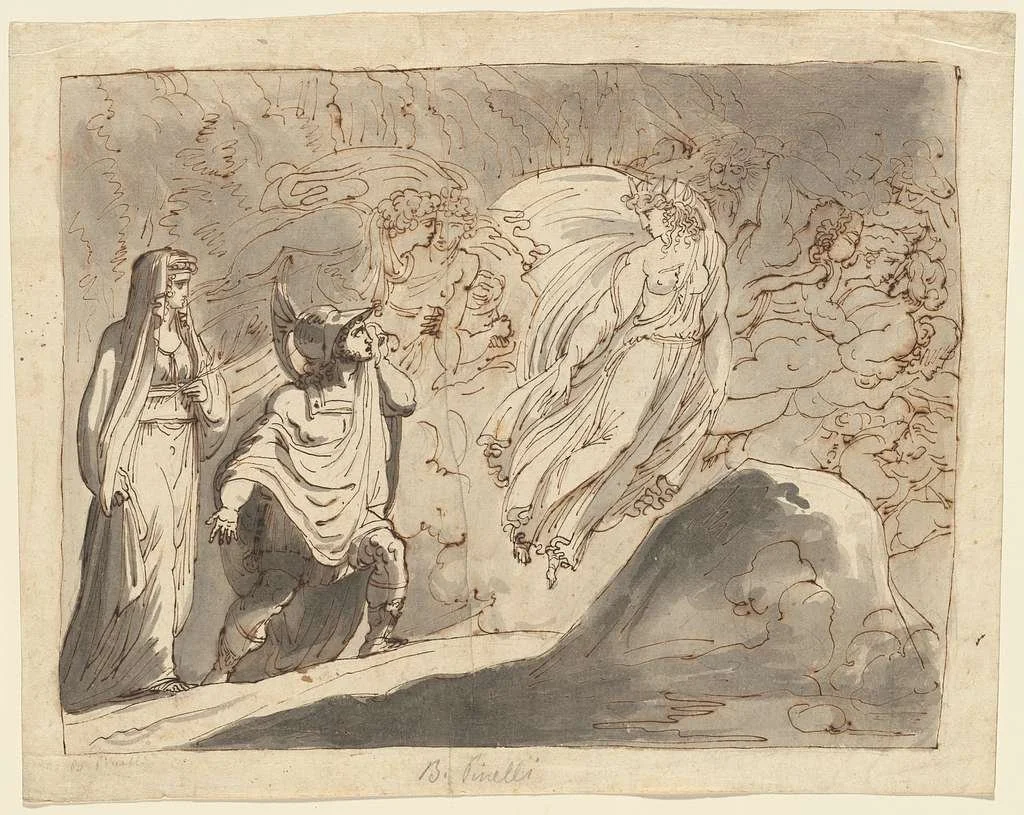
Aeneas Below the Earth
A six-part series on Virgil’s Aeneid VI, the underworld, Roman duty, memory, moral consequence, civic responsibility, and the work of building for future generations.
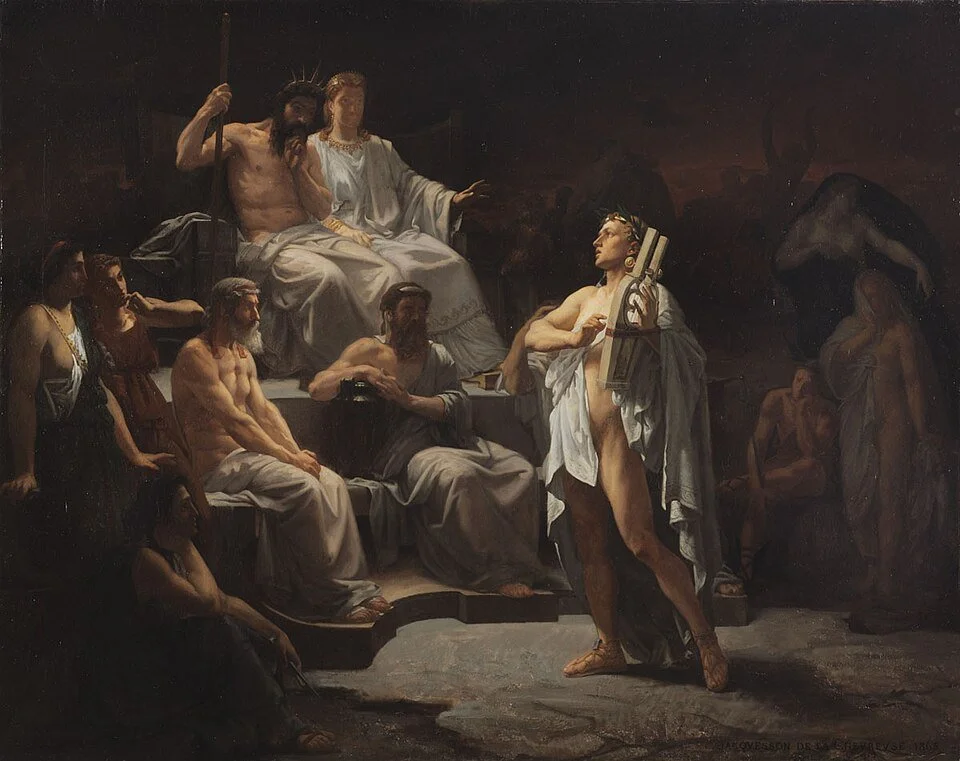
Music in the Lodge
Harmony is not the absence of difference. It is the achievement of relation.
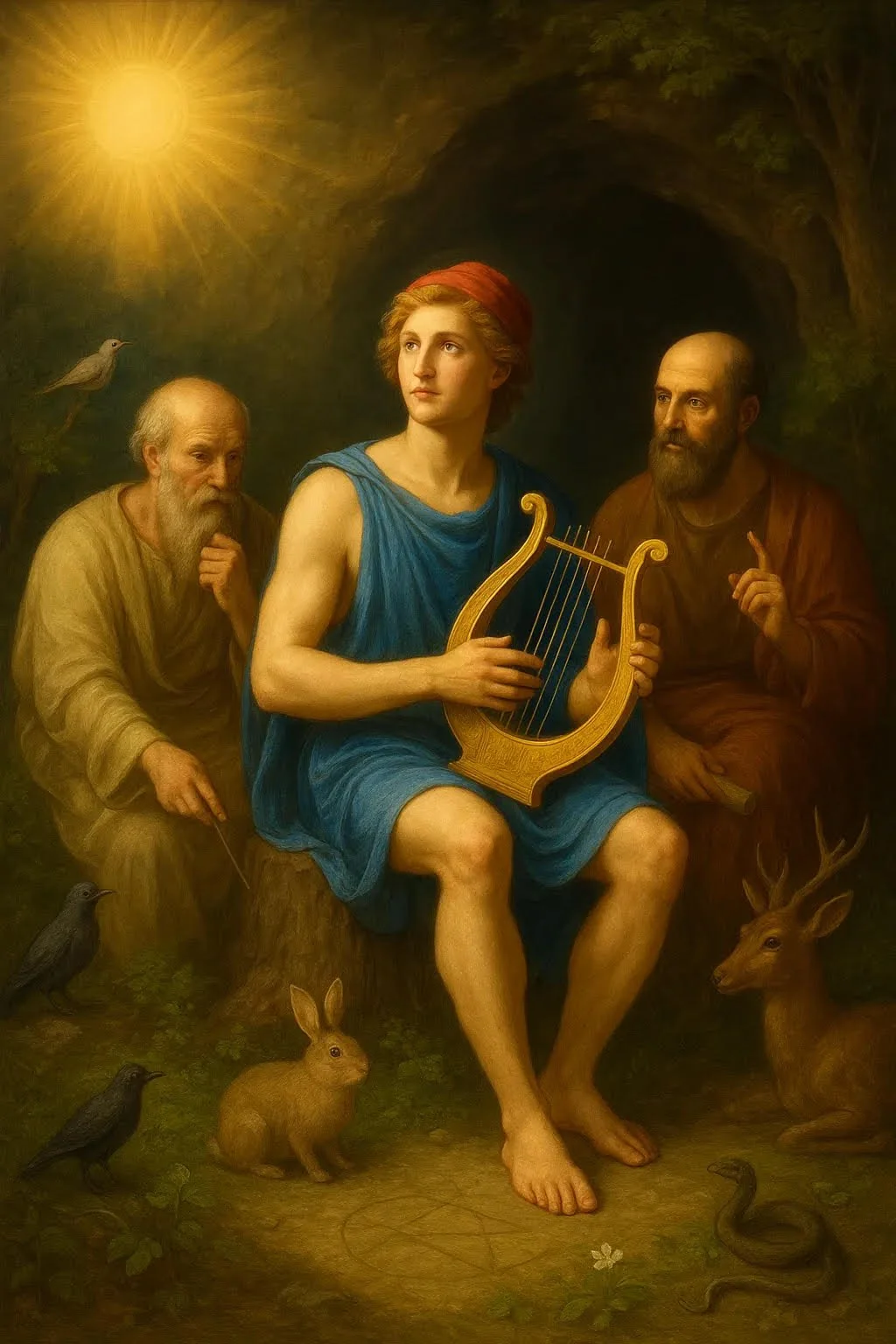
Orpheus, Plato, and the Afterlife
Orpheus became a name under which Greeks imagined the soul’s long journey. But a name is not a single doctrine, and a mystery is not improved by pretending it was simple.
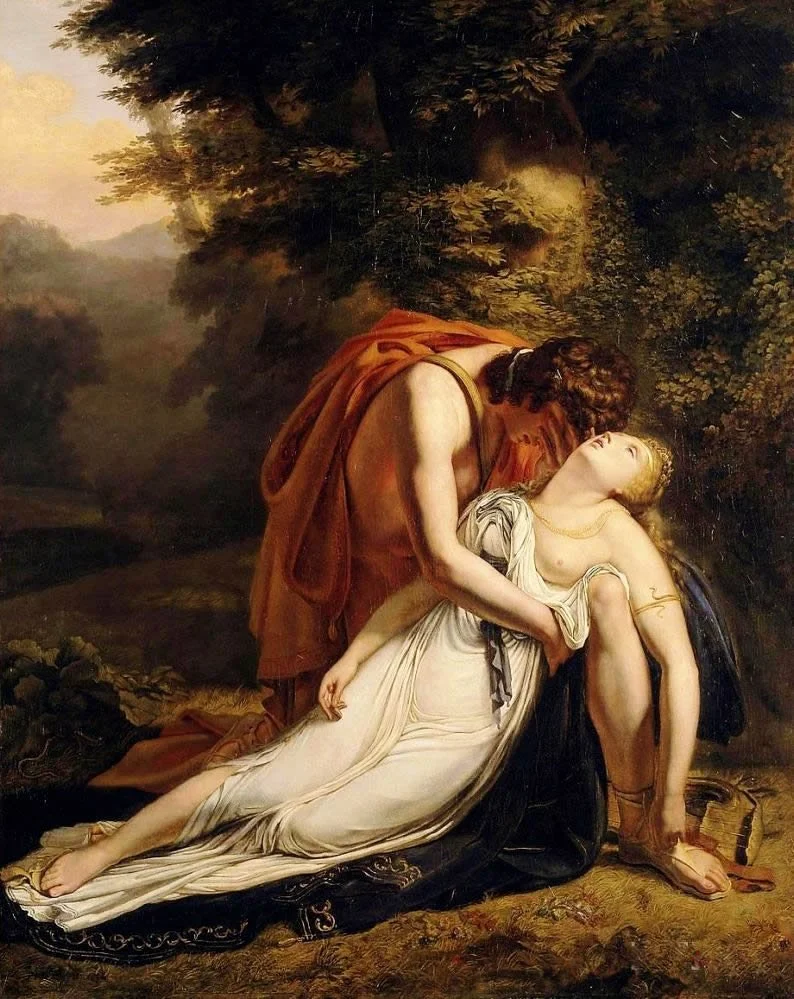
Eurydice and the Lost Part of the Soul
Some things return only when we stop trying to seize them. Others do not return at all, but become part of the music by which we learn to live.
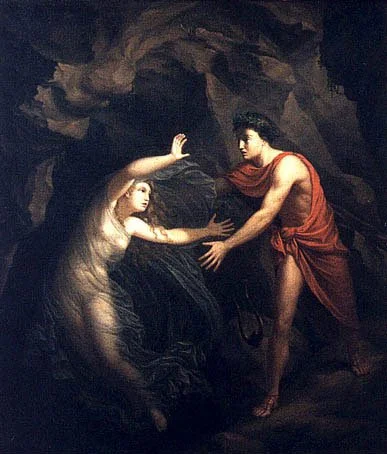
Why Orpheus Looked Back
Orpheus does not look back because he does not love Eurydice. He looks back because love has not yet learned how to trust what it cannot possess.
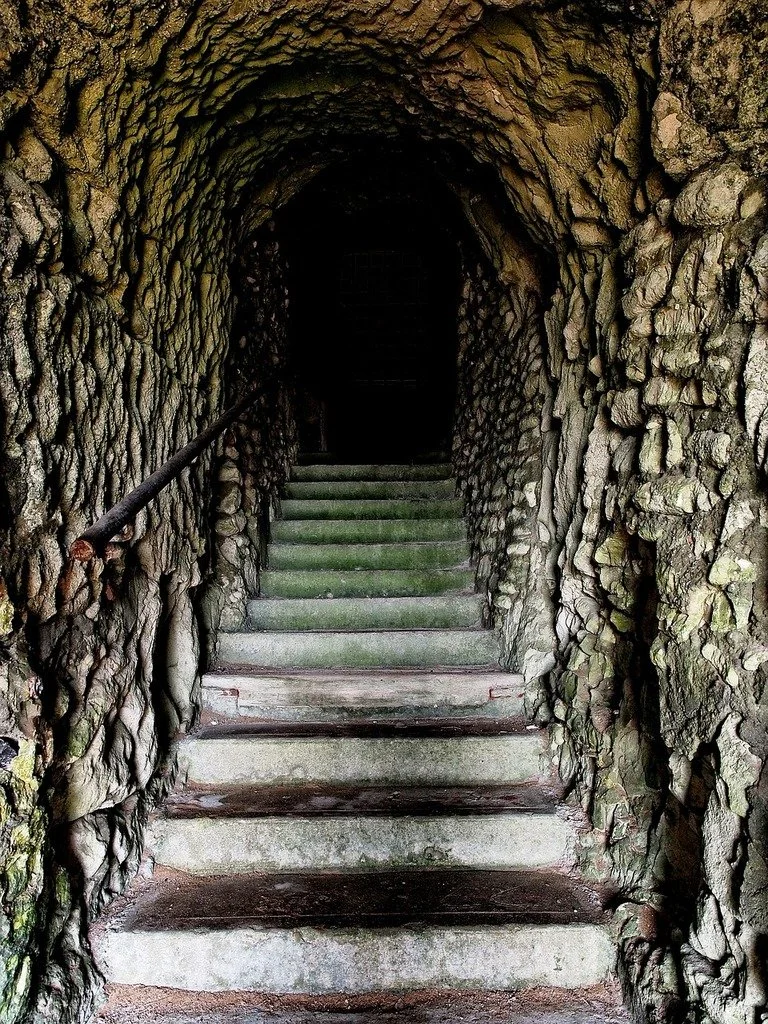
Descent Is Not Defeat
Descent is not defeat when it is undertaken to face what has been lost without allowing loss to become the whole of life.

The Music That Moves Stones
Orpheus does not make the world obey him by shouting louder. He gives it a pattern strong enough for disorder to recognize.
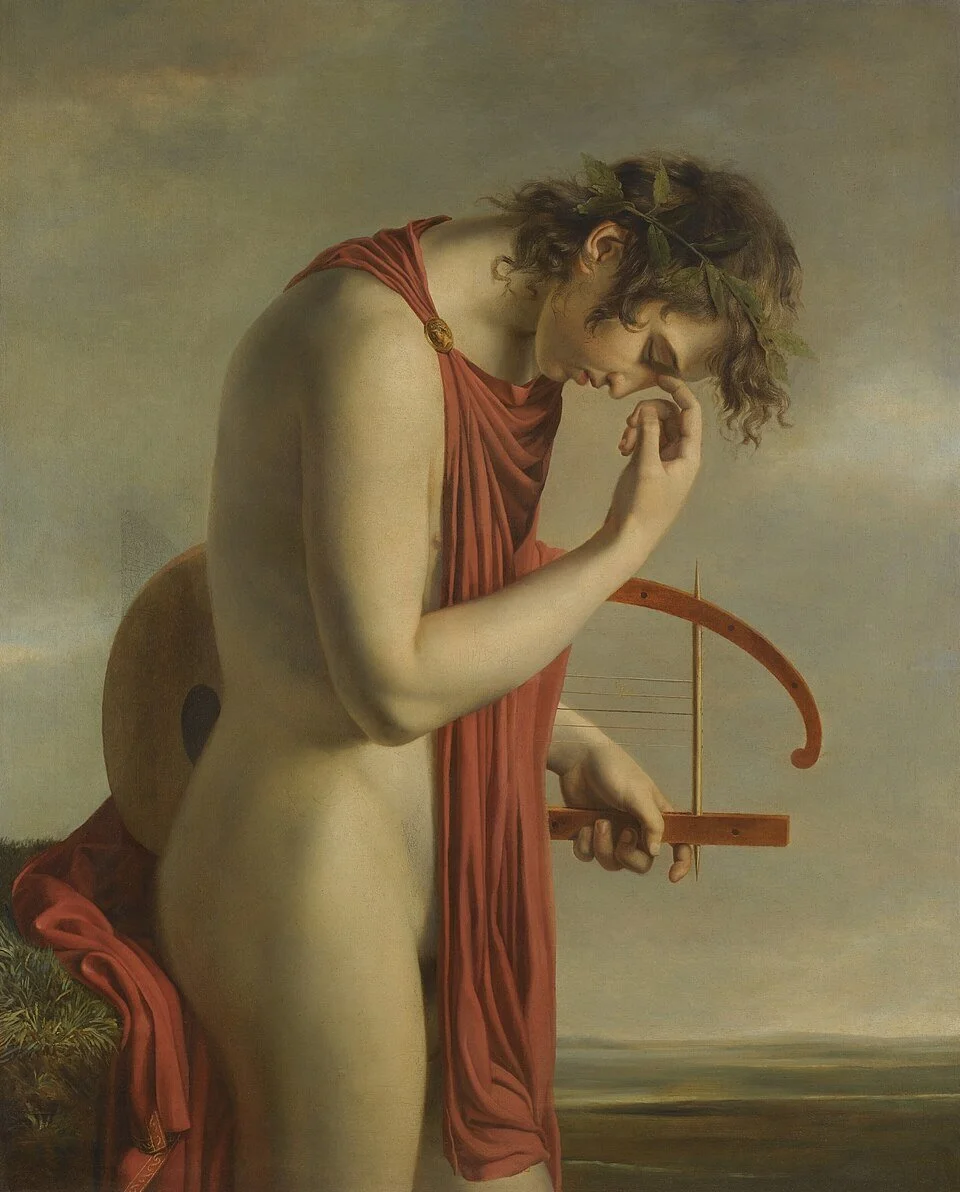
Don’t Look Back Yet
A six-part philosophical series on Orpheus and Eurydice: music, grief, descent, trust, memory, the soul, ancient Platonism, and the discipline of return.
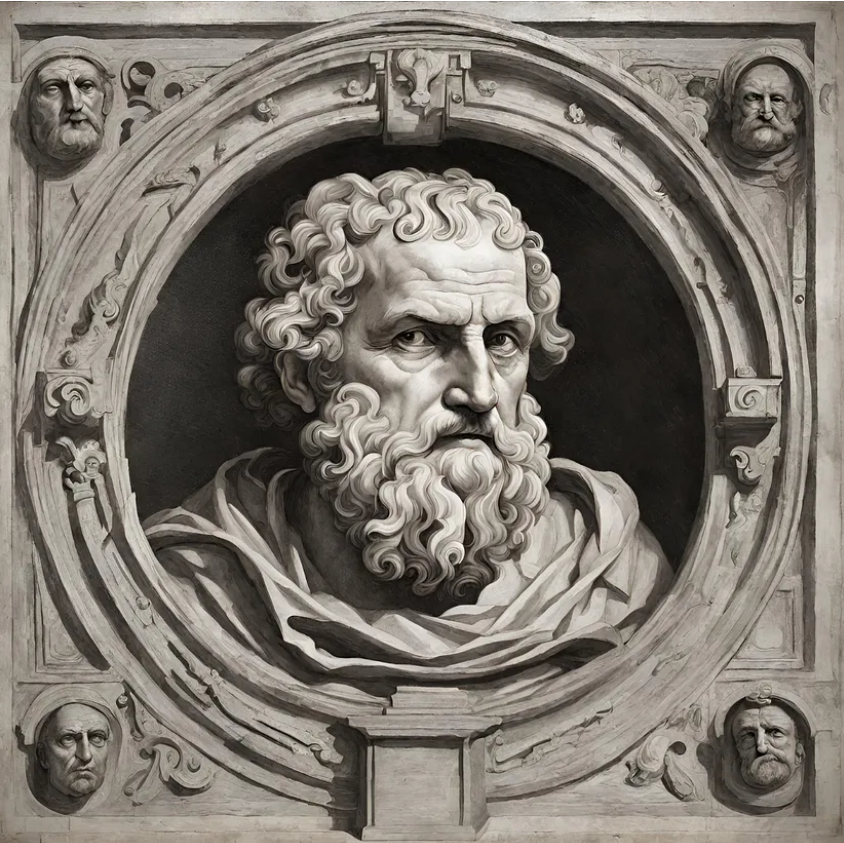
What Damascius Saw in the Chain
Damascius did not read the chain as a metaphor to be solved. He read it as a condition of soul to be understood.
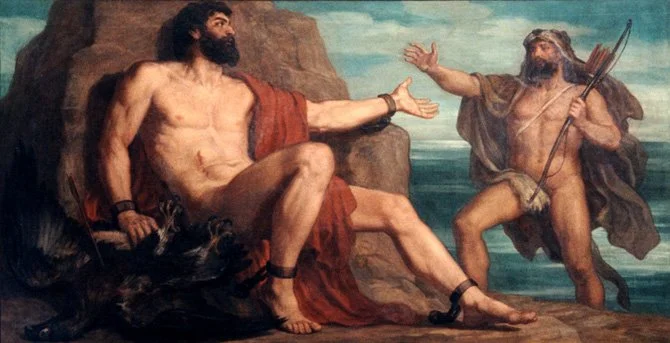
Heracles Frees Forethought
The strongest act is not domination. It is the freeing of what suffering has bound.