Descent Is Not Defeat
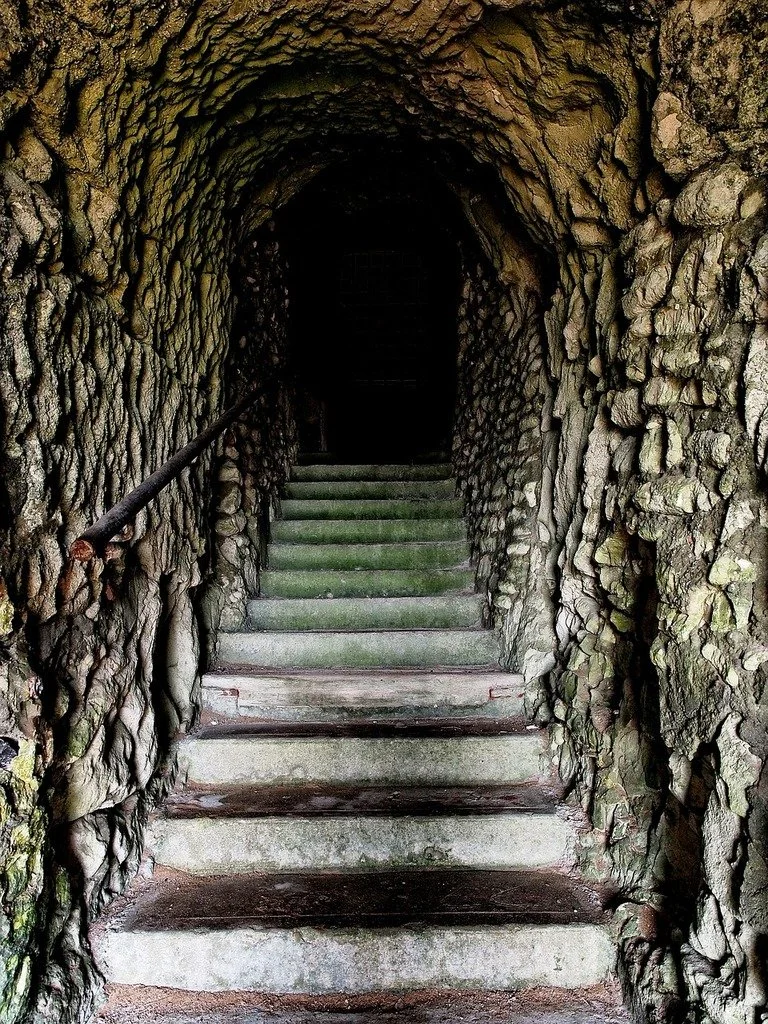
Orpheus in the underworld and the courage to face what has been lost
Orpheus goes below ground not because he wishes to die, but because he refuses to let loss remain unexamined. His descent offers a demanding image of grief: the courage to enter darkness without pretending it is light.
Orpheus descends into the underworld because Eurydice has died.
There is no clever detour around this fact.
He does not go below for adventure. He does not seek hidden knowledge for prestige. He does not want a magical object, a title, a prophecy, or a second career as a famous visitor to Hades.
He goes because he has lost the person he loves.
This makes his descent different from the heroic descents of Heracles, Odysseus, Aeneas, and Psyche.
Orpheus enters the world of the dead because grief has made the world of the living insufficient.
The courage to go below
There are losses that people avoid examining.
A death. A broken relationship. A betrayal. A vanished future. A failure. A place that no longer exists. A version of oneself that cannot be recovered.
The ordinary temptation is to keep moving.
Stay busy.
Make a joke.
Change the subject.
Acquire something new.
Insist that everything happens for a reason.
Tell everyone that you are fine.
These may be useful survival strategies for a time. But they do not necessarily heal grief. They often build a small wall around it and call the wall strength.
Orpheus does something harder.
He goes below.
This is not a recommendation that every grieving person should descend into a cave with a lyre. It is a philosophical image of willingness to face what has been lost rather than merely flee its absence.
Descent is not defeat when it is undertaken to face what has been lost without allowing loss to become the whole of life.
The underworld as memory
The underworld is a place of memory.
The dead remain themselves in some sense. Names, loves, injuries, unfinished duties, and old identities endure. Yet they are no longer available in the ordinary way. They cannot simply be brought back into daylight by force of will.
This is what grief feels like.
The lost person remains present inwardly. A voice, habit, phrase, room, object, smell, song, or date can suddenly make the absent person feel close again. Yet the relation has changed. Memory is real. Possession is gone.
Orpheus’ descent is therefore not merely a rescue mission.
It is an encounter with the limits of possession.
He loves Eurydice. He cannot make death unreal.
He can sing.
He can plead.
He can be granted a condition.
But he cannot command the underworld as though it were a broken door in need of repair.
Courage without denial
The descent teaches a particular kind of courage.
Courage is not pretending that death is painless.
It is refusing to let pain make the world meaningless.
Orpheus sings before Hades and Persephone. His song moves the rulers of the dead. The ancient sources differ in details, but the central tradition is clear: music gives form to grief. It makes suffering communicable. It does not erase loss, but it allows loss to become something other than silence.
This is one reason art matters.
A poem, song, monument, photograph, building, ritual, or shared story may not bring the dead back. It can keep grief from becoming formless.
It can give sorrow a place to stand.
The Masonic tradition understands something of this through memorial language, remembrance, charity, and the symbolic confrontation with mortality. It does not deny loss. It gives loss a moral and communal form.
The descent and the return
Every descent raises a question.
Will the person return?
A person may enter grief and become trapped there. He may make loss his only identity. He may allow the underworld to become the only place that feels real.
Orpheus must return.
The condition given to him is demanding because return requires trust. He must walk forward. He must not turn the whole journey into a permanent act of looking backward.
This is not easy.
It may be impossible in the strictest human sense.
But the myth’s demand is clear: love must find a way to carry memory forward without remaining forever imprisoned by what cannot be restored.
The descent is necessary.
It is not meant to be permanent.
Endnotes and further reading
Virgil, Georgics 4.453–527, a major surviving Latin account of Orpheus and Eurydice.
Ovid, Metamorphoses 10.1–85, on Eurydice’s death, Orpheus’ descent, and the condition imposed by the rulers of the dead.
Plato, Phaedo, on the soul, death, philosophy, and the relation between embodied life and what lies beyond it.
Related reading: “The Two Gates of the Soul” and “The Box From the Underworld.”