The Long Way Home: Ulysses, the Soul, and the Philosophy of Return
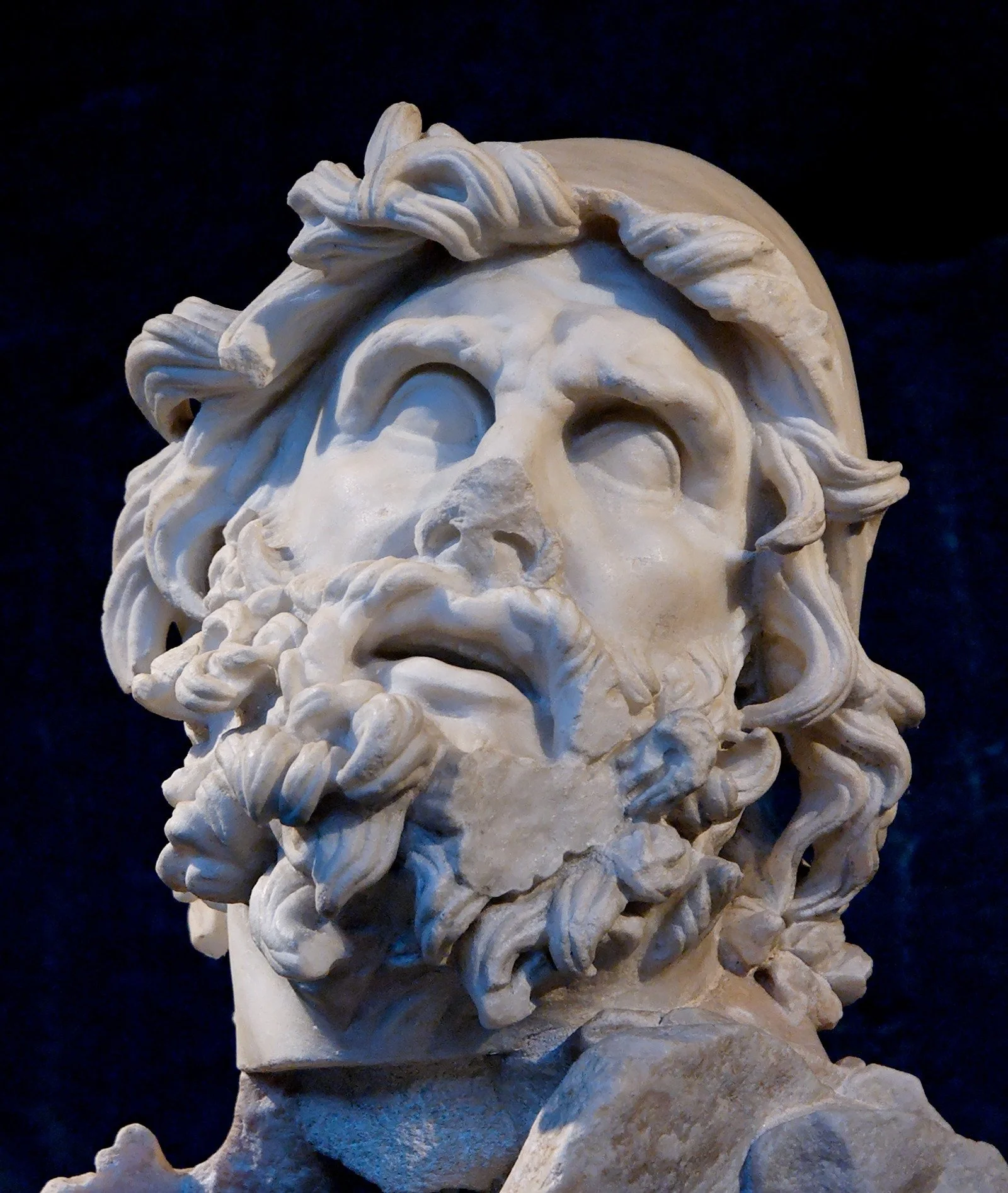
For Thomas Taylor, Homer’s Odyssey was not only a tale of shipwrecks, monsters, enchantresses, and a man with an exhausting commute. It was a map of the soul’s life in a world of change: how we become lost, what keeps us lost, and how we learn to return.
Odysseus spends ten years trying to get home. This is usually told as a triumph of nerve, wit, endurance, and the ability to survive dinner invitations from supernatural women.
The ancient and later Platonic tradition found a second story underneath it. The sea became the changing world of birth, death, pleasure, pain, and accident. The islands became conditions of the soul. Circe’s swine, the Sirens’ song, the Cyclops’ cave, and Calypso’s island became philosophical pictures of appetite, illusion, isolation, forgetfulness, and false immortality.
Thomas Taylor, the English Platonist and translator, gathered these possibilities into his “Allegory of the Wanderings of Ulysses,” appended to his 1823 translations of Porphyry. Taylor’s interpretation is not Homer’s only meaning, nor is it a recovered secret catechism from antiquity. It is a later Platonist reading—ambitious, imaginative, and often electrifying—built from Porphyry, Plotinus, Numenius, Proclus, and the long afterlife of Homeric allegory.
This series follows the voyage as a philosophical inquiry into self-knowledge. It asks why a soul wanders, why it mistakes pleasure for home, and what it means to return—not backward, but inward.
**Article 1 **
Ulysses Was Not Lost at Sea: Thomas Taylor and the Soul’s Long Voyage
Thomas Taylor read the Odyssey as more than an adventure story. For him, Ulysses was the rational soul crossing the unstable sea of embodied life, trying—against appetite, illusion, and divine inconvenience—to get home.
Article 2
The Cave at Ithaca: Porphyry’s Map of the Cosmos
A cave, two gates, stone jars, bees, looms, water, and an olive tree: Porphyry thought Homer had built a philosophical diagram. The cave at Ithaca became, in his reading, the cosmos, the body, and the soul’s difficult route in and out of mortal life.
Article 3
Circe’s Pigs and the Problem of Becoming What You Eat
Circe does not merely turn men into animals. In the Platonic tradition, she reveals what happens when appetite takes command and the rational self agrees to become a passenger.
Article 4
The Sirens, the Cyclops, and Other Things That Want Your Attention
The Odyssey is full of monsters. The Platonic reader notices that nearly all of them are also failures of attention: fascination without judgment, appetite without limit, and isolation without wisdom.
Article 5
Calypso’s Island and the Most Dangerous Gift in the World
Calypso offers Odysseus immortality, youth, comfort, and freedom from ordinary human trouble. He declines. The Platonic explanation is not that he dislikes a good deal; it is that a pleasant captivity is still captivity.
Article 6
Penelope’s Loom, the Middle Chamber, and the Art of Returning Home
Penelope weaves by day and unweaves by night. Ulysses wanders at sea. Between them lies one of the oldest philosophical questions: how does a life remain faithful to order while everything around it changes?