
Office Without Light: Ambition, Rank and the Inward Life of a Mason
What does “light” mean in Freemasonry, and why do some men chase titles instead of transformation? This essay explores Masonic light, ambition, office, and the difference between appearance and inward growth.

Why Masons Talk in Stones, Tools, and Symbols: From Working Tools to Inner Work
Why does Freemasonry teach through stones, tools, and symbols instead of plain statements? This essay explains how Masonic symbolism turns moral instruction into memory, practice, and inner work.

What Freemasonry Is: Ritual, Symbol, and Moral Formation
What is Freemasonry, really? This essay explains Freemasonry as a voluntary brotherhood that teaches through ritual, symbols, moral instruction, and shared forms of fellowship.

The Smell of Progress: How Jamaica Bay Became a Dumping Ground
How Jamaica Bay became New York’s dumping ground: a history of waste, marsh filling, noxious industry, and environmental inequality at the city’s edge.

The Rise and Ruin of Jamaica Bay Oysters
Jamaica Bay’s oyster beds once helped define its economy, but pollution, disease, and urban growth turned one of the bay’s richest resources into a public-health hazard.
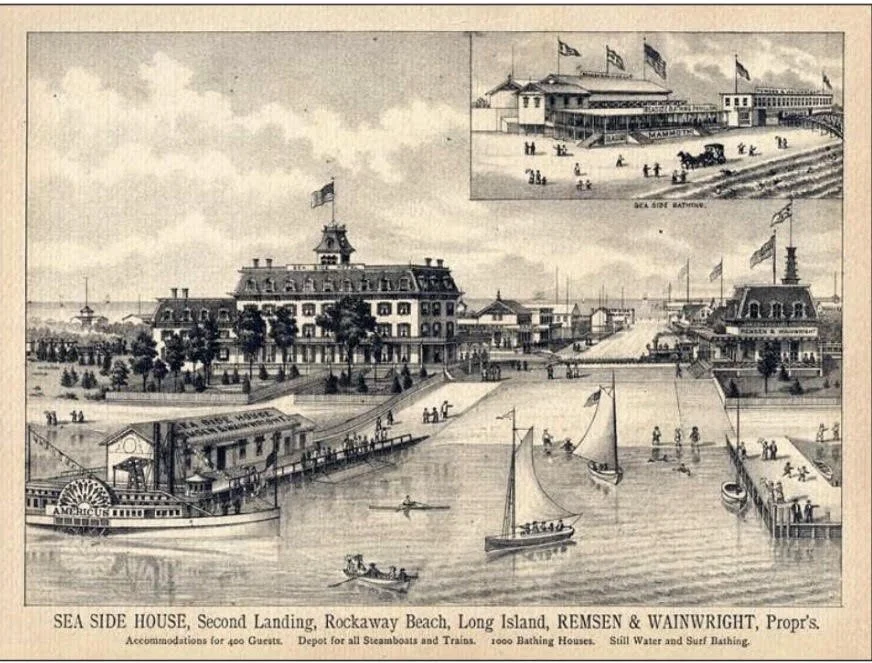
When Jamaica Bay Was New York’s Waterside Playground
Excerpt: In the late nineteenth century, Jamaica Bay became one of the metropolitan region’s recreational frontiers, drawing anglers, hunters, boaters, hotel guests, and summer visitors to the city’s marshy edge.

The Many Lives of Jamaica Bay: An Estuary Before the City.
Excerpt: Long before airports and parkways, Jamaica Bay was a productive estuary shaped by Indigenous use, colonial settlement, fishing, and maritime life. This article introduces the deeper history of one of New York’s most transformed landscapes.

Jamaica Bay: Nature, Industry, and the Lost Edge of New York
A five-part series on the environmental history of Jamaica Bay, tracing its transformation from productive estuary to recreational frontier, oyster economy, dumping ground, and restoration landscape.

Benjamin Franklin, Commonplace Books, and the Discipline of Keeping Useful Notes
This essay explores commonplace books, note-keeping, and Benjamin Franklin’s larger habits of self-education, reading, and written discipline.

Benjamin Franklin’s Daily Routine: Journaling, Virtue Tracking, and Self-Improvement
Benjamin Franklin built self-improvement through routine, virtue tracking, and written review. His method still offers a practical model for daily discipline.

Benjamin Franklin’s Self-Education and the Discipline of Learning for Yourself
Franklin had little formal education, but he built a powerful system of self-education through reading, writing, imitation, and disciplined practice.

The Twenty-Four-Inch Gauge, Benjamin Franklin, and the Problem of Time
What can an old measuring tool teach us about time? This essay connects the twenty-four-inch gauge, Benjamin Franklin’s schedule, and journaling as tools for order and self-examination.

Benjamin Franklin, Journaling, Time, and Self-Education
A hub essay connecting Benjamin Franklin’s daily routine, virtue tracking, journaling, and methods of self-education into one practical framework.

Brother John Anderson Leach of Advance Lodge No. 635
From his family’s Astoria nursery to Police Headquarters, John Anderson Leach built a career in law and civic service. Raised in Advance Lodge No. 635 in 1905 and later remembered as a past master, he became the trial commissioner known to generations of New York policemen as “Uncle John.”

Rikers Island Before the Jail
Before incarceration defined Rikers Island, it was a colonial farm and family estate connected to Bowery Bay, the Poor Bowery, and the agricultural history of Queens.

Before Far Rockaway: The Rockaway Peninsula Before the Resorts
Before the hotels and the railroad, the Rockaway Peninsula was dunes, marsh and shifting shoreline, used by Indigenous communities and then claimed by Dutch and English settlers, the Cornell family above all.

John Bowne
John Bowne opened his home in Flushing to Quaker worship, defied Peter Stuyvesant, and won a transatlantic fight that helped shape early American religious liberty.

Charles Wesley Hallett, Sr.
Discover the life of Charles Wesley Hallett, Sr.—Civil War veteran, Advance Lodge No. 635 Mason, banker, and civic leader whose story reflects the transformation of Hallett’s Cove into modern Astoria.

Brother Frederick T. Hallett: The Measure of an Astorian
Merchant, undertaker, civic organizer and the 209th member of Advance Lodge No. 635, Frederick T. Hallett helped shape Astoria as it entered the age of the Queensboro Bridge. His story connects an old waterfront family to the shops, lodge rooms and public institutions of a changing Queens.
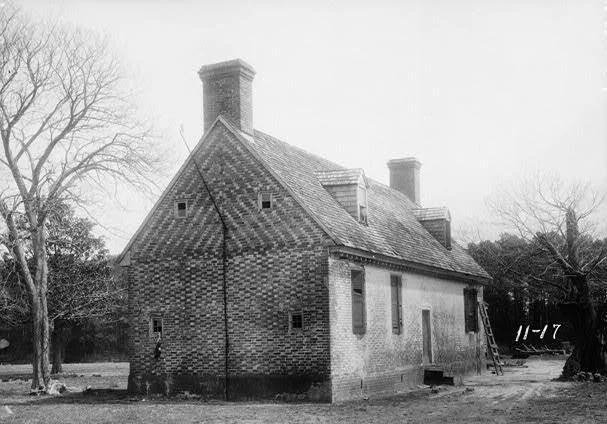
The First House on the Sand: How the Cornells Made Rockaway
In 1690, Richard Cornell established the first permanent European homestead on the Rockaway peninsula, creating the foundation for centuries of land ownership, settlement, and local history in Rockaway, Queens.