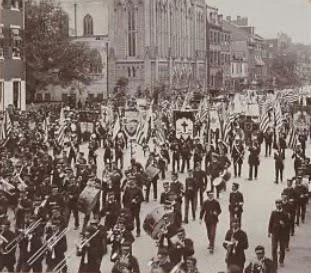
The Templars, Chivalry, and the Masonic Imagination
Did the Knights Templar become the Freemasons? Explore how Crusader legends, chivalric rituals and claims of hidden succession shaped Masonic identity—and why adopting Templar symbols does not prove descent from the medieval order.
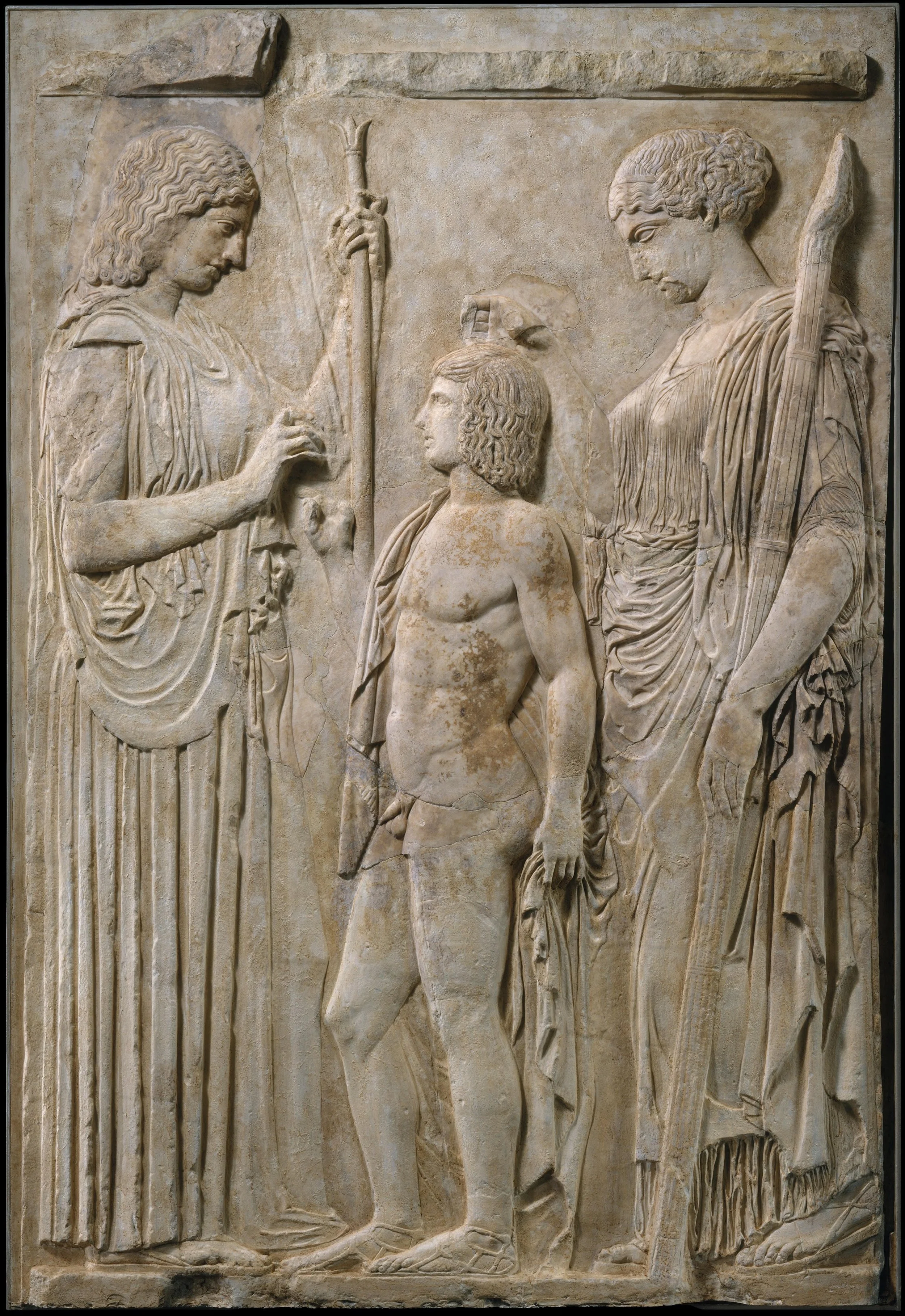
Did Freemasonry Descend From the Ancient Mysteries?
Did Freemasonry descend from the ancient mystery cults? Explore how Masonic writers linked lodge initiation to Eleusis, Isis and Mithras—and why parallels, borrowing and revival do not establish an unbroken ancient lineage.
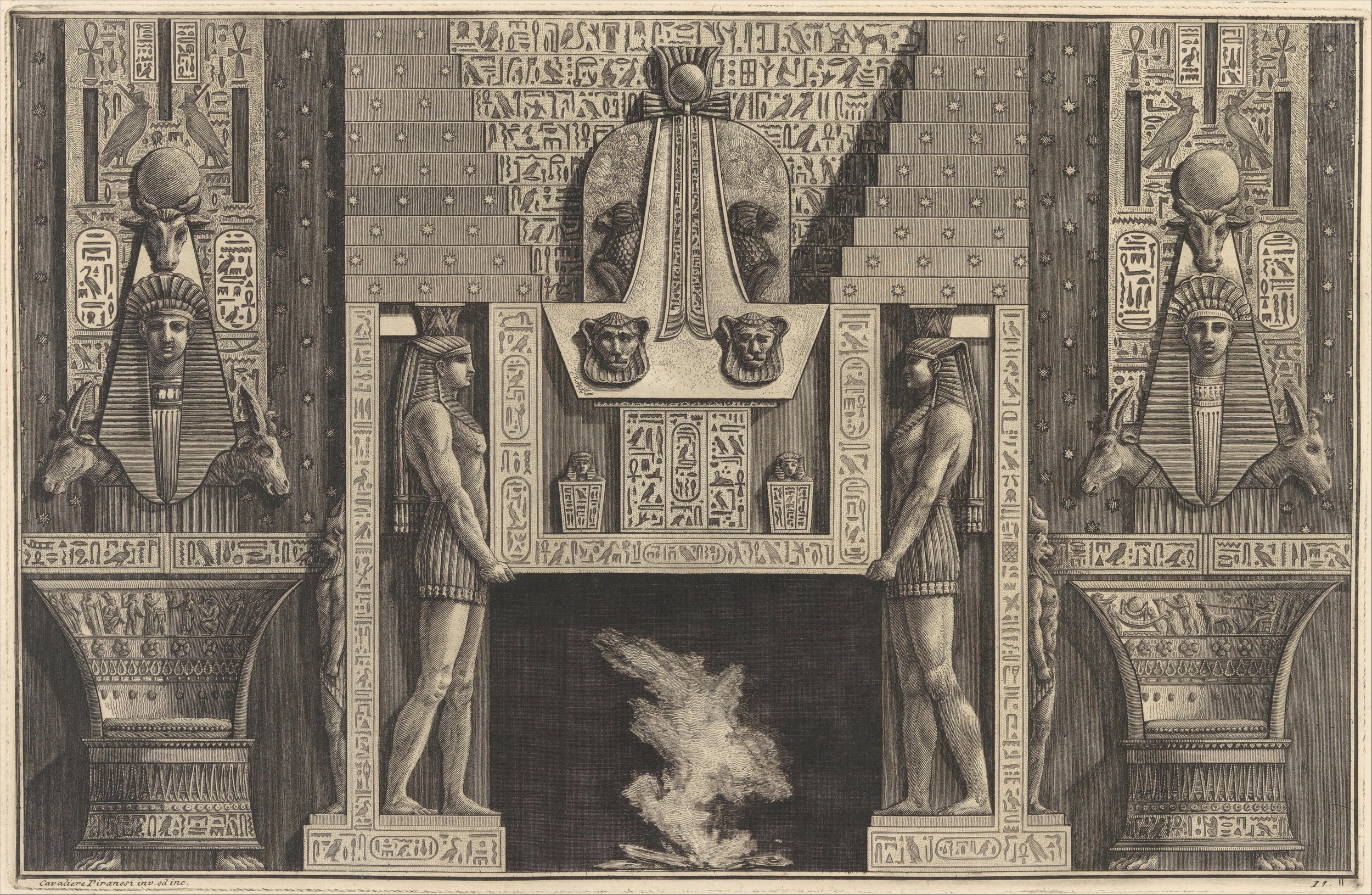
Why Freemasons Looked to Ancient Egypt
Why did Freemasons look to ancient Egypt for wisdom, symbols and a sense of ancestry? Explore how Enlightenment scholarship, fictional initiations and Egyptian revival architecture shaped Masonic culture—without proving descent from Egypt’s ancient priesthoods.
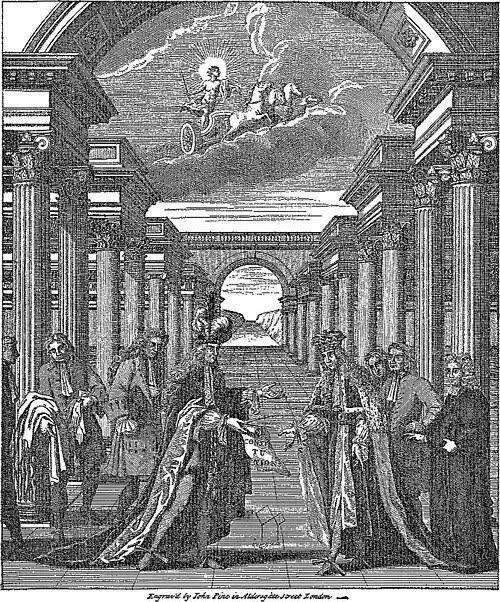
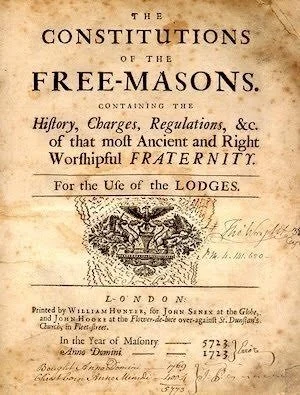
How Freemasonry Wrote Its Ancient History
In 1723, James Anderson helped give Freemasonry a printed ancient past. Explore how the Old Charges, biblical genealogy and the authority of print shaped the fraternity’s identity—and why an institutional origin story is not proof of historical descent.
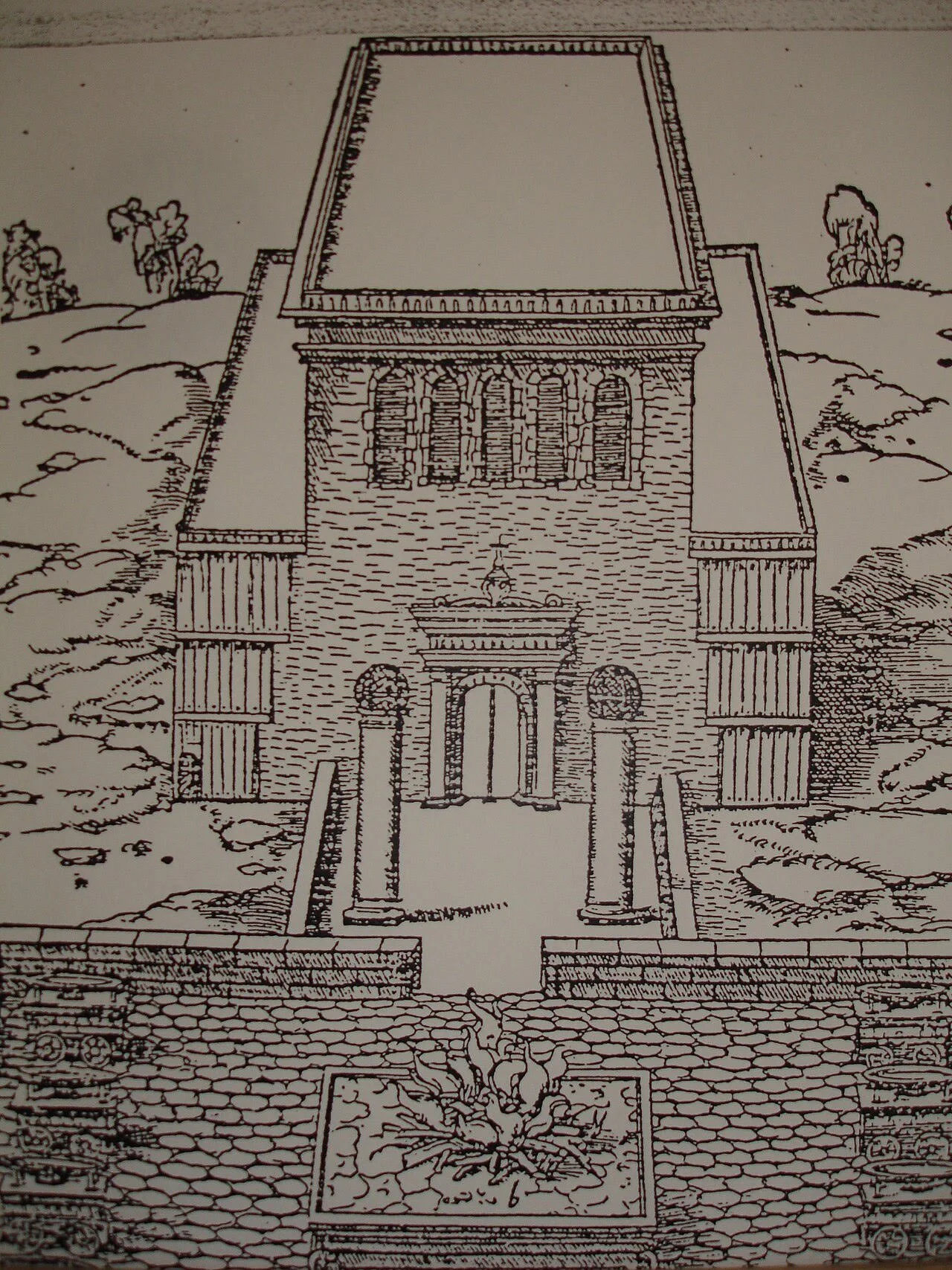
Why Solomon’s Temple Matters to Freemasonry
Why does Solomon’s Temple stand at the center of Freemasonry? Explore how biblical architecture, Hiram Abiff and eighteenth-century ritual gave the fraternity a symbolic setting for moral instruction—not proof of ancient descent.
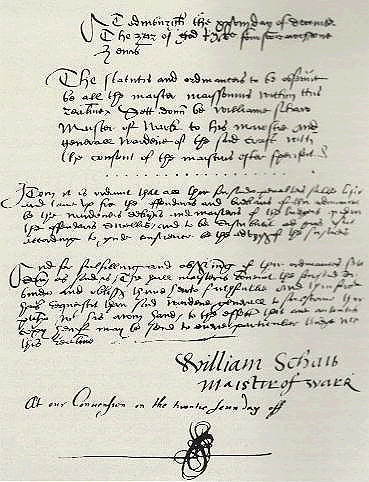
Where Did Freemasonry Come From?
Freemasonry did not begin all at once in 1717. Its roots lie in medieval building guilds, Scottish lodge records, early ritual texts, and the later rise of Grand Lodge organization. This article traces how those strands came together, and why Freemasonry came to imagine itself as far older than its modern institutions.
More Light
Start here to explore Freemasonry’s origins and the ancient ancestors it claimed. This eight-part series follows Solomon’s Temple, Egyptian wisdom, mystery cults, Templar legends and occult interpretations—separating documented history from symbolic inheritance.

Corn, Wine, and Oil
Before they became symbols, corn, wine, and oil were goods someone had to grow, process, store, and carry. This eight-essay series follows them through labor, scripture, public Masonic ceremony, and philosophical reflection—keeping historical evidence distinct from interpretation.
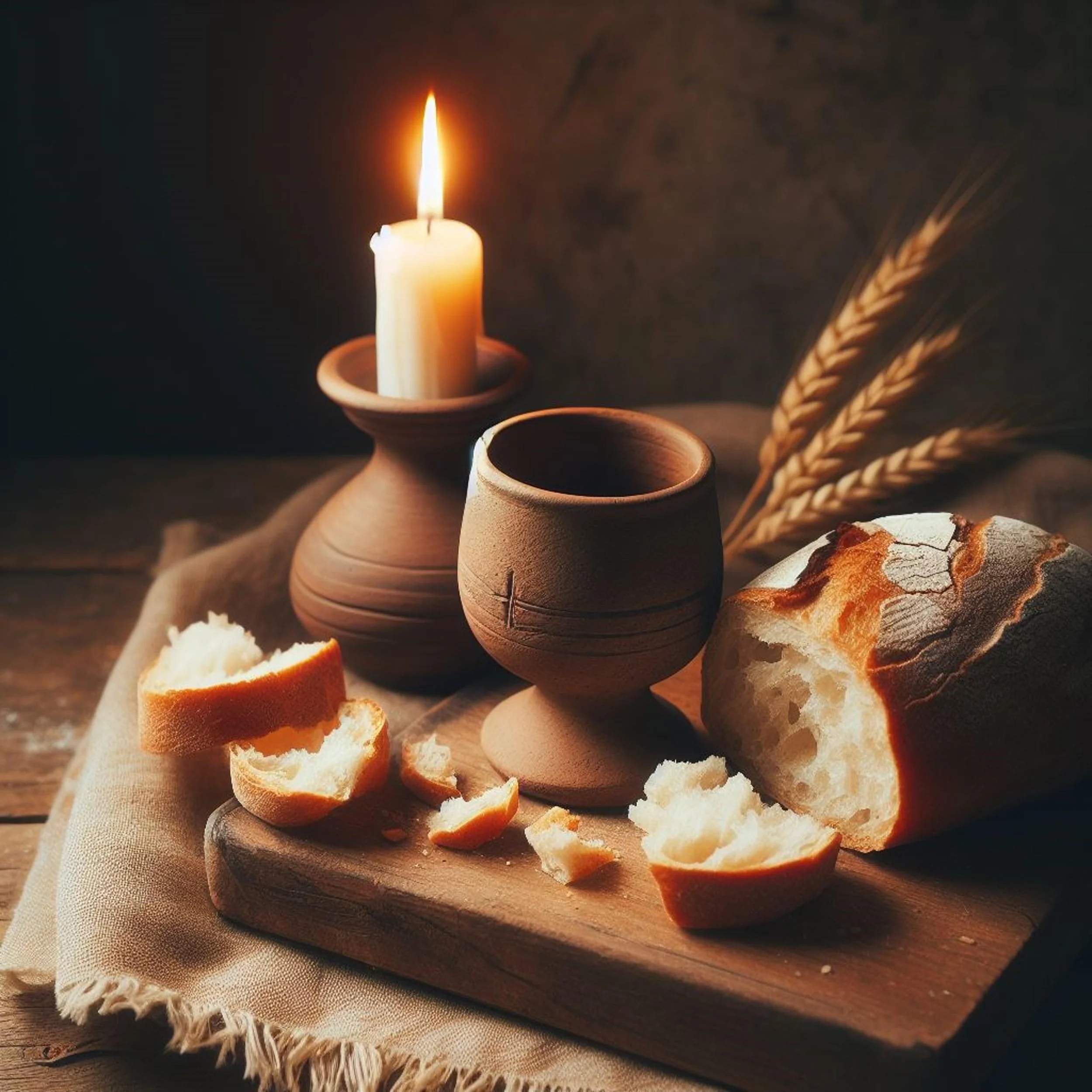
After the Symbols
A loaf divided, a drink poured, a flame tended: ordinary goods reveal the work and dependence behind daily life. The closing essay in the Corn, Wine, and Oil series explores gratitude, measure, and three questions about what sustains us, what we enjoy, and what we keep going.

Readings, Not Equations
Three goods, three principles, one tempting table—but resemblance is not proof. This essay explores what transformation-minded readings of corn, wine, and oil can illuminate, while marking the point where analogy begins to say more than the evidence allows.
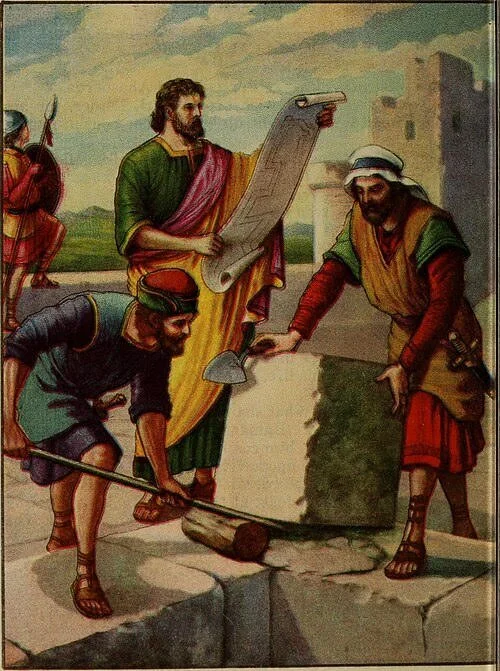
A loan, and what it was charged in
Grain, wine, and oil appear in scripture as more than blessings. They are goods borrowed against, portions owed, harvests lost, and provisions shared. Beginning with Nehemiah’s demand for restitution, this article follows the three materials through biblical passages and neighboring Qur’anic imagery—and asks what symbolism leaves out when it keeps only abundance.
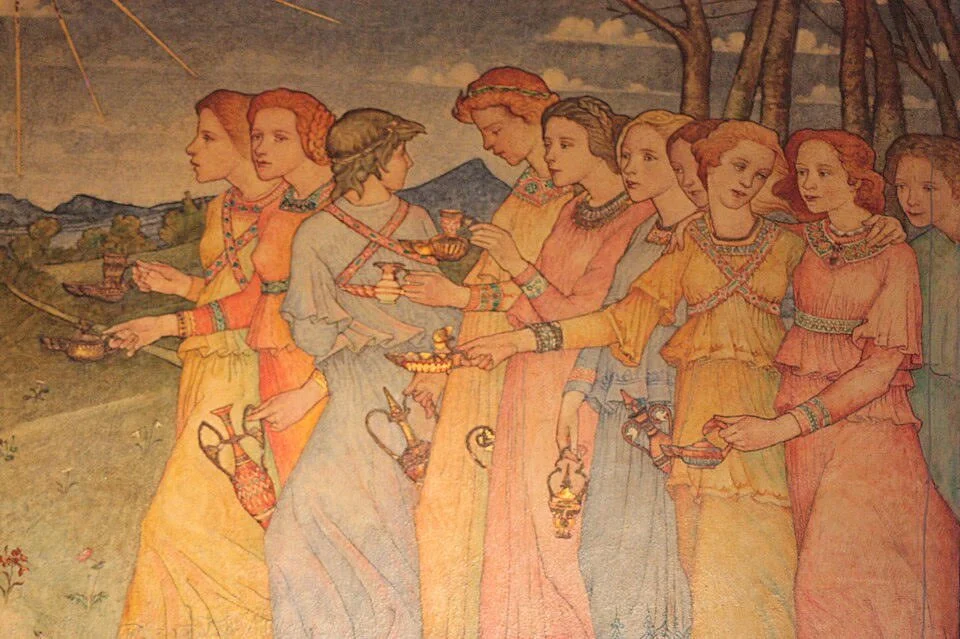
The lamp, the wick, and the person who forgot
A lamp stays lit only because someone tends it. From ancient olive presses to biblical anointing and public Masonic cornerstone ceremonies, this article follows oil as fuel, provision, and an emblem of joy, peace, and comfort—and asks whose unnoticed work keeps our households, friendships, and institutions going.
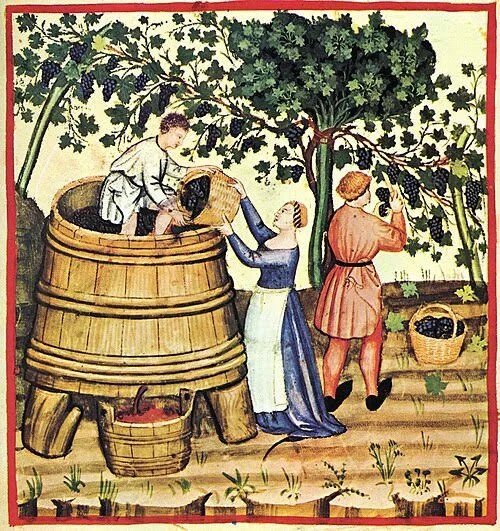
A crop that makes its own decisions
Wine begins with sugar and yeast, but its meanings reach beyond fermentation. From ancient winemaking to scripture and public Masonic cornerstone ceremonies, this article follows wine as a source of refreshment, gladness, and risk—and considers what a cup can teach about hospitality, restraint, and the boundaries we give pleasure.
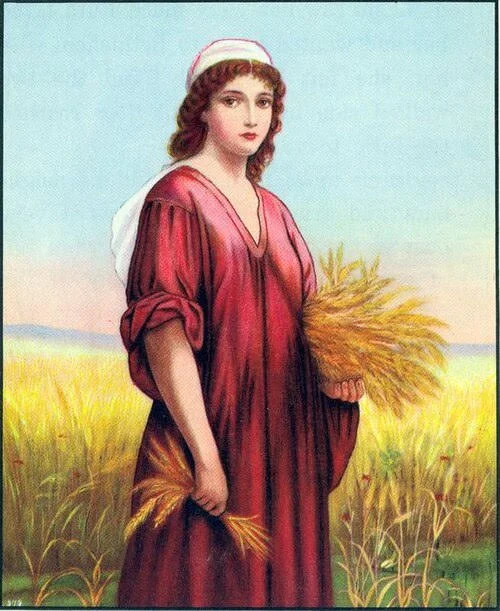
Ears of corn, an ephah of barley
Before corn became a Masonic symbol, it was grain somebody grew, carried, and ground. From Ruth’s gleaning to Britain’s Corn Laws and an 1871 cornerstone ceremony in Albany, this article follows the work behind nourishment—and asks what a symbol of abundance means when food is never equally secure.
A wet day in Albany
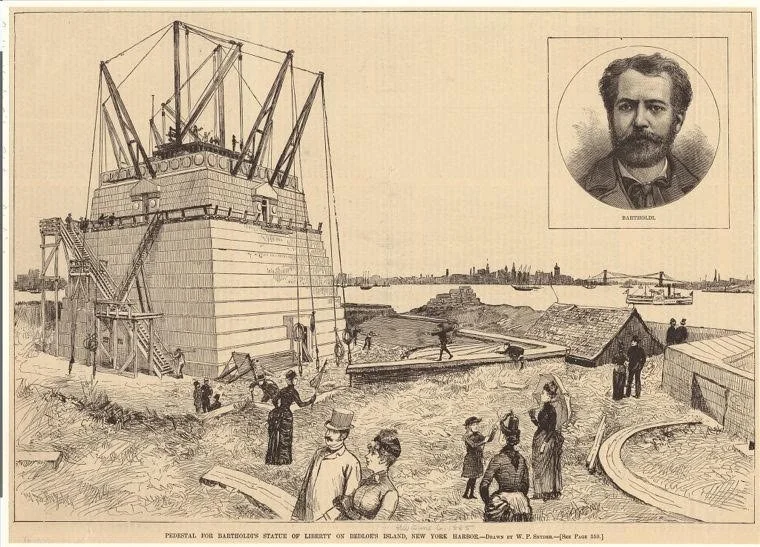
What did corn, wine, and oil mean at a Masonic cornerstone ceremony? An 1871 account from Albany offers a starting point. Following the evidence through public ceremonies at the U.S. Capitol and the Statue of Liberty, this article separates documented practice from symbolic interpretation—and considers what public ritual can, and cannot, tell us.
Masonic Symbols: Guided Readings (A Section of Masonic Symbols & Symbolic Thinking)
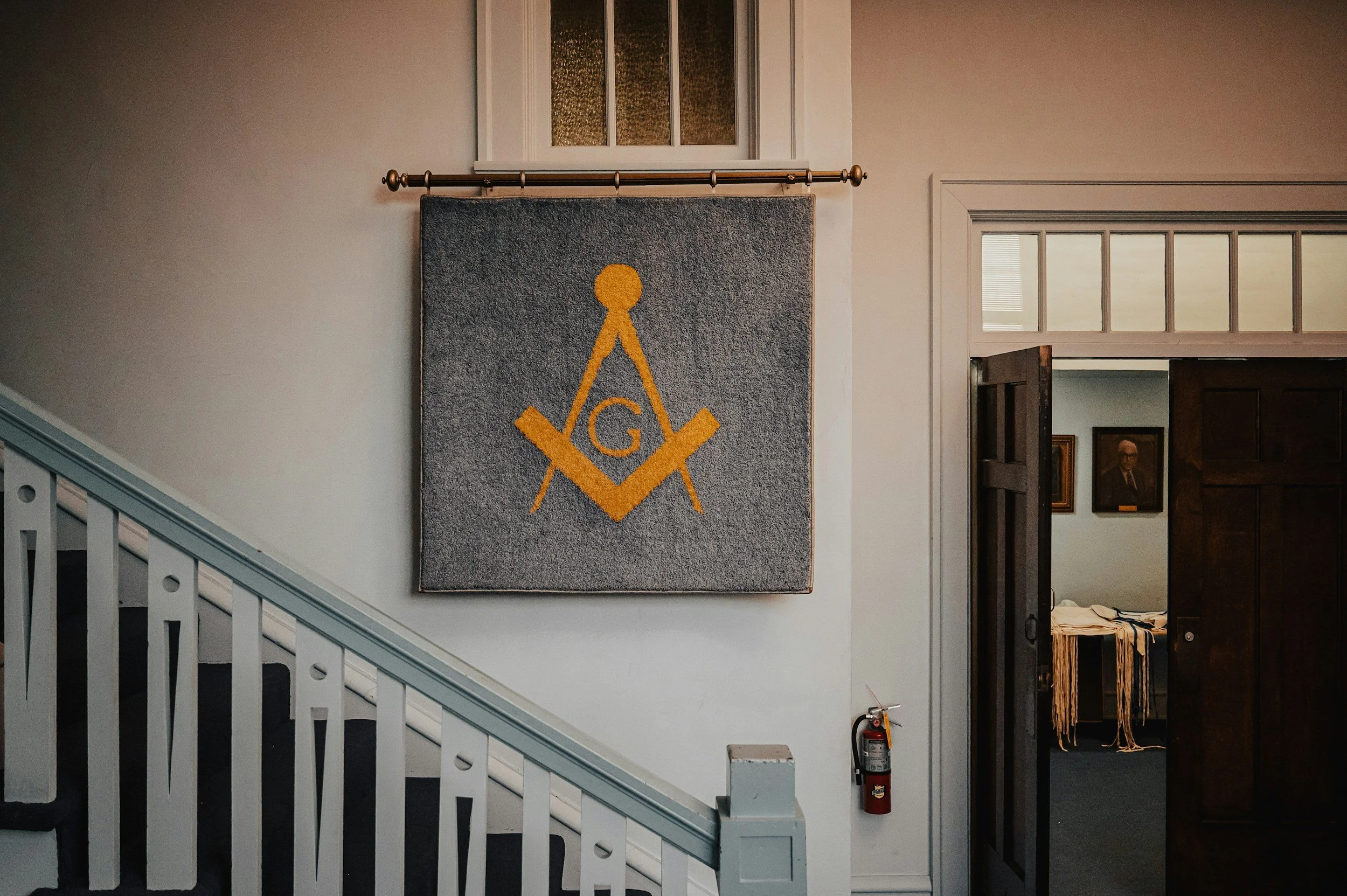
Why does Freemasonry teach through stones, tools, pillars, and carefully arranged spaces? Explore Brete Murphy’s guided reading series on the ashlars, the two pillars, the twenty-four-inch gauge, and the lodge room, with related essays on light, geometry, and the liberal arts.

Stop Blaming the Egregore
If a Lodge wants a healthier inner life, it cannot wait for invisible forces to fix what the brethren refuse to address. This essay turns practical, showing how ritual, governance, correction, discipline, and honest participation shape the real atmosphere of the Lodge.

The Lodge Mind
This essay applies the concept of the egregore directly to Lodge life, arguing that a Lodge’s inner atmosphere is not automatically healthy, wise, or self-correcting. It becomes what the brethren repeatedly feed through ritual, conduct, discipline, avoidance, and aspiration.

What an Egregore Really Is
What is an egregore? This essay introduces the old occult term and shows why it still matters today, offering a clear framework for understanding how shared symbols, beliefs, attention, and ritual create powerful collective forces in religion, politics, branding, and institutions.

The Lodge, the Thoughtform, and the Work
This three-part series explores the concept of the egregore across occultism, psychology, religion, and social life, then applies it directly to Freemasonry and the question of how a Lodge’s inner atmosphere is actually formed, sustained, corrupted, or renewed.