Far Rockaway: A Queens History Hub
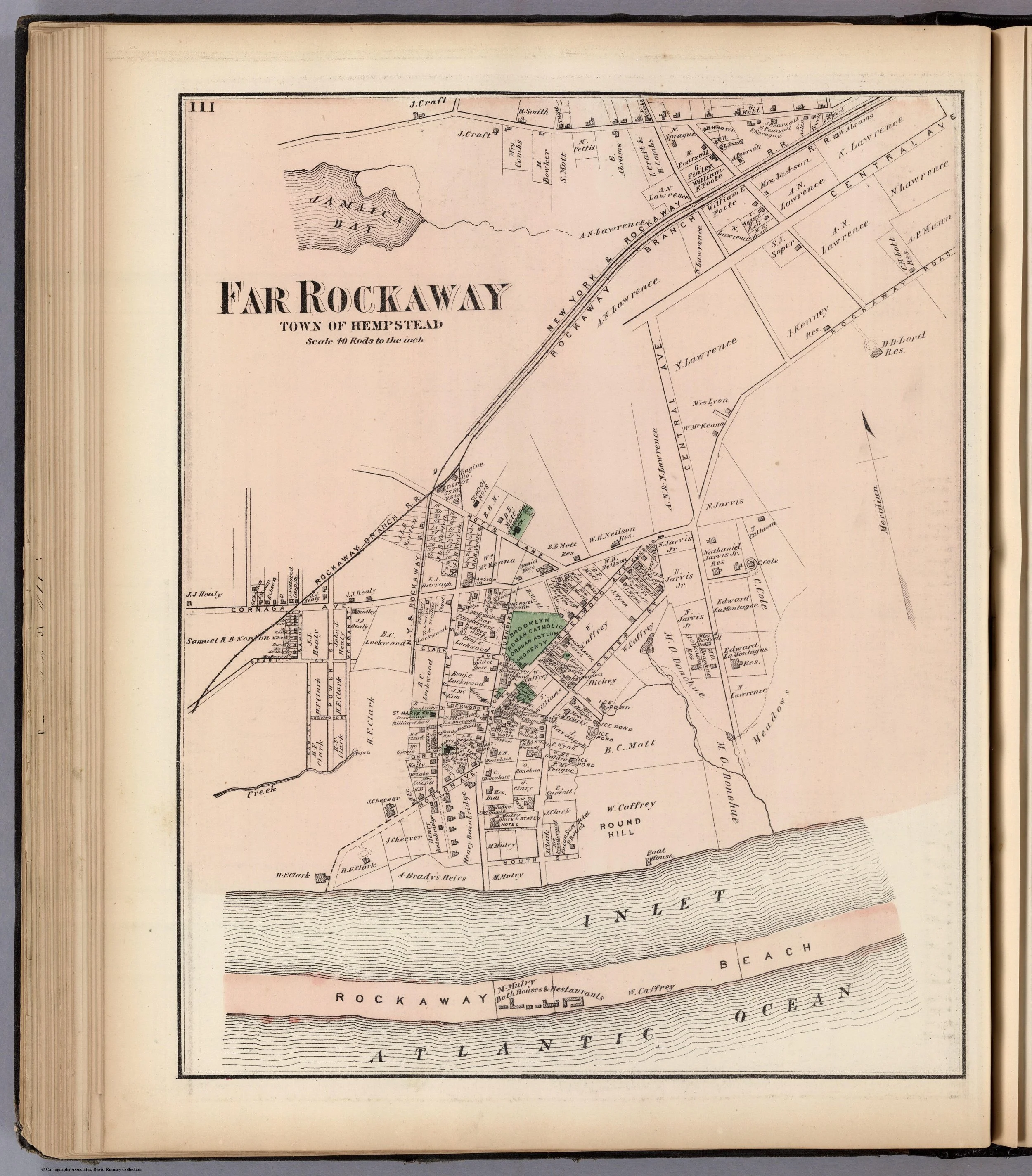
Far Rockaway, Town of Hempstead, L.I., by F.W. Beers, 1873. David Rumsey Map Collection.[11]
Far Rockaway is the easternmost neighborhood on the Rockaway Peninsula in Queens, New York City. Long associated with shoreline development, resort culture, rail transit, religious institutions, and neighborhood reinvention, it offers a rich lens into the history of Queens.
This page serves as a central hub for my research, writing, and archival work on Far Rockaway, including neighborhood history, architecture, transportation, notable residents, and primary sources.
Historical Overview | Timeline | Research Index | Sources | Contact
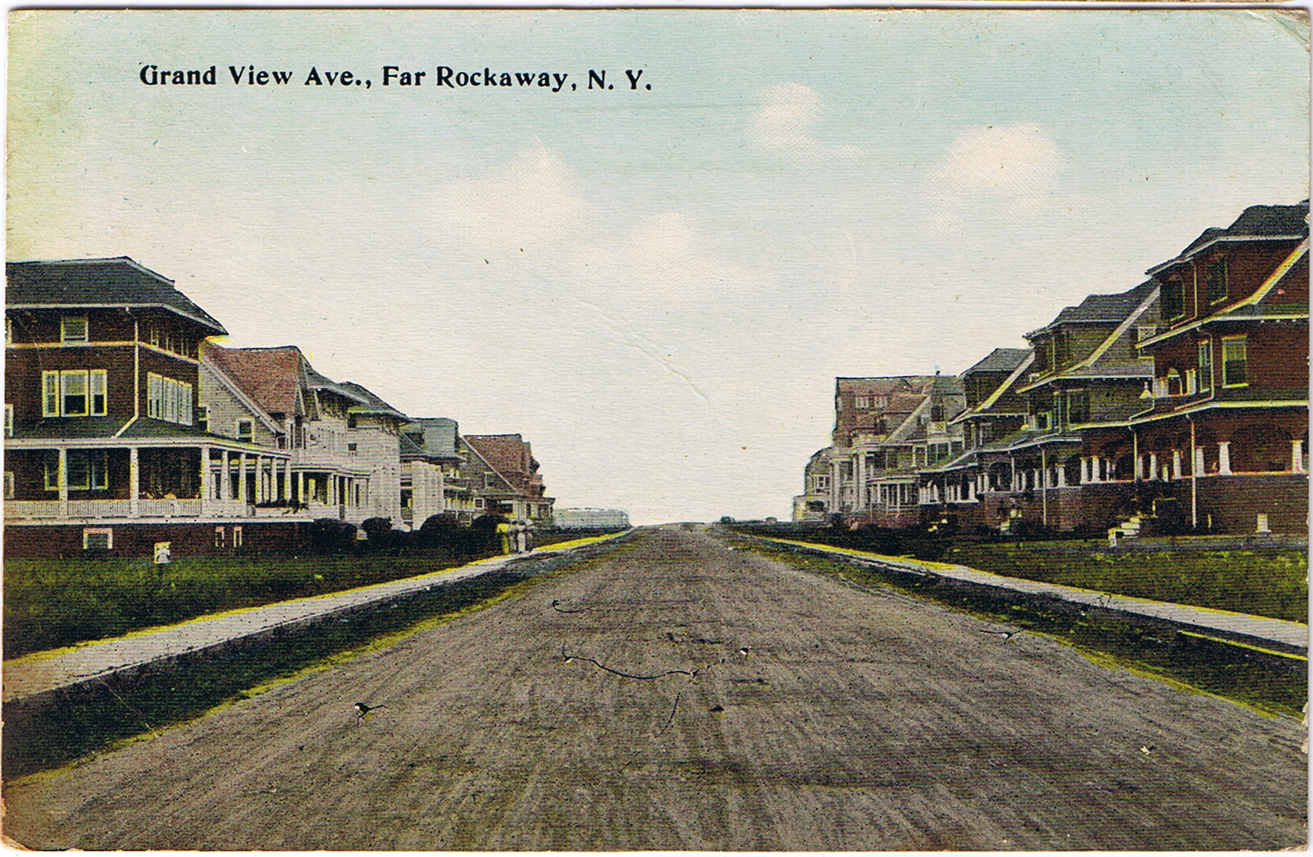
Historic view of Far Rockaway
Historical Overview
Far Rockaway has passed through several major historical phases: Indigenous occupation, colonial land transfer, nineteenth-century resort growth, incorporation into New York City, twentieth-century transformation, and recent redevelopment. Once known for hotels, beach communities, and rail access, it later became a year-round residential neighborhood with distinctive religious, educational, and civic institutions.
Its history reflects many larger themes in Queens history, including shoreline geography, transportation change, immigration, urban planning, and the survival or loss of historic built environments.
Timeline
-
Far Rockaway is part of the Rockaway Peninsula, an area originally inhabited by the Canarsie, whose presence long predates European settlement. In the seventeenth century, the peninsula became entangled in Dutch colonial expansion and later English rule. Like much of Queens, the area’s early recorded history reflects land transfer, shoreline access, and colonial settlement patterns rather than the full depth of its Indigenous past. Any history of Far Rockaway should begin with that longer precolonial presence and the transformations that followed European occupation.
-
In the late nineteenth century, Far Rockaway emerged as a prominent seaside resort for New Yorkers seeking ocean air and seasonal escape from the city. Large hotels, boarding houses, and beachside development helped establish the neighborhood’s reputation as a fashionable summer destination. Among the most notable structures was the Marine Pavilion, which symbolized the scale and ambition of resort-era Far Rockaway. This period marked the beginning of the neighborhood’s wider public identity as both a leisure landscape and a place of investment and growth.
-
The arrival and expansion of rail service transformed Far Rockaway, making the neighborhood more accessible to visitors, commuters, and residents. Improved transportation strengthened its connection to Brooklyn, Manhattan, and the rest of Long Island, helping shift it from a seasonal destination to a more permanent community. Far Rockaway was incorporated as a village in 1888 and became part of New York City in 1898. These changes encouraged residential growth, commercial activity, and the development of local institutions that would shape the neighborhood for decades.
-
During the twentieth century, Far Rockaway experienced major changes in land use, architecture, and public life. The decline of the great resort hotels and older vacation culture altered the neighborhood’s identity, while new housing forms, including public housing, reshaped parts of the area. Transit changes also affected how people moved to and from the peninsula. Even as older landscapes disappeared, Far Rockaway remained a center of religious, educational, and community life, with schools, synagogues, and local institutions becoming increasingly important to its identity.
-
In recent decades, Far Rockaway has undergone another period of transition marked by rezoning, redevelopment, and renewed public attention. New housing, civic projects, and infrastructure investments have reshaped parts of the neighborhood while raising broader questions about preservation, displacement, and historical memory. Today, Far Rockaway remains one of Queens’s most distinctive waterfront communities: a year-round neighborhood with a layered past that includes resort culture, transit history, religious institutions, shoreline geography, and ongoing urban change.
Far Rockaway in Place
Far Rockaway occupies the eastern end of the Rockaway Peninsula, bordered by the Atlantic Ocean, Jamaica Bay, and Nassau County. Its geography shaped its role as a resort district, transit node, and residential neighborhood. The map below situates Far Rockaway within the broader Rockaway Peninsula and eastern Queens waterfront.
Research and Content Index
This page gathers my Far Rockaway research, article series, archival notes, and local history projects.
Architecture and Landmarks
Far Rockaway Beach Bungalow Historic District
Russell Sage Memorial Church
Trinity Chapel in Far Rockaway
Far Rockaway Post Office
The Marine Pavilion and lost resort hotels
Bungalow architecture on the Rockaway Peninsula
Transportation and Infrastructure
The LIRR and the development of Far Rockaway
The Rockaway Beach Branch and changing transit patterns
Mott Avenue and the IND Rockaway Line
Downtown Far Rockaway redevelopment
Libraries, schools, and civic infrastructure
Community and Institutions
The White Shul and Jewish Far Rockaway
Yeshiva of Far Rockaway
Sh’or Yoshuv and local religious institutions
Public schools and educational history
Parks, shoreline, and public space
Notable Residents
Richard Feynman in Far Rockaway
Baruch Blumberg and Far Rockaway
Burton Richter and Far Rockaway
Al Jaffee and Far Rockaway
Nancy Lieberman and Far Rockaway
Writers and musicians from Far Rockaway
Archival Projects
Rockaway memories: oral history and neighborhood recollections
Historic photographs and postcard views
Sanborn maps and land-use research
Transit records and planning documents
Primary-source research notes and bibliography
Far Rockaway in Place
Far Rockaway occupies the eastern end of the Rockaway Peninsula, bordered by the Atlantic Ocean, Jamaica Bay, and Nassau County. Its geography shaped its role as a resort district, transit node, and residential neighborhood.
View an interactive map of Far Rockaway
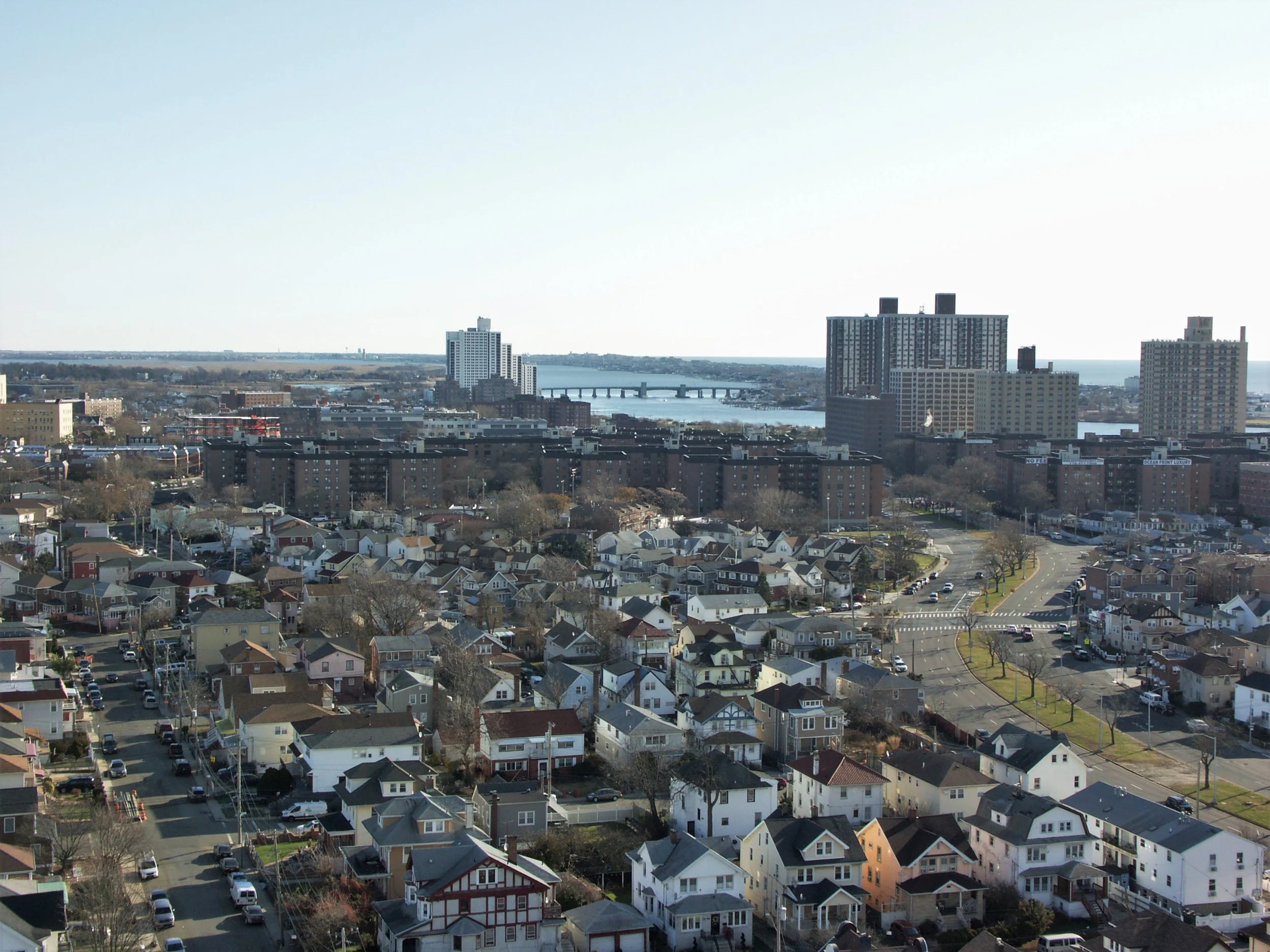
View across Far Rockaway
Share Photos, Stories, or Corrections
If you have historic photographs, family stories, neighborhood memories, or corrections related to Far Rockaway history, I’d be glad to hear from you. This page is part of an ongoing research project, and local knowledge helps strengthen the historical record.
Sources
Selected Sources
Map - [11] "Far Rockaway, Town of Hempstead," by F.W. Beers, published by Beers, Comstock & Cline, 1873, in Atlas of Long Island, New York, from Recent and Actual Surveys and Records under the Superintendence of F.W. Beers (New York, 1873). From the David Rumsey Map Collection, David Rumsey Map Center, Stanford University Libraries. Accessed via: David Rumsey/ Map of Far Rockaway
Far Rockaway - Wikipedia
Far Rockaway - CityNeighborhoods.NYC
History of the Rockaways - QueensBuzz
Downtown Far Rockaway Roadmap for Action - NYCEDC
Ways to Discover Nature and History in Rockaway
Hammel Playground Highlights - NYC Parks
Forgotten New York: Far Rockaway, Queens
Research Note
This page is designed as an evolving research hub. Some linked subjects may lead to completed essays, while others represent articles or archival projects in progress.