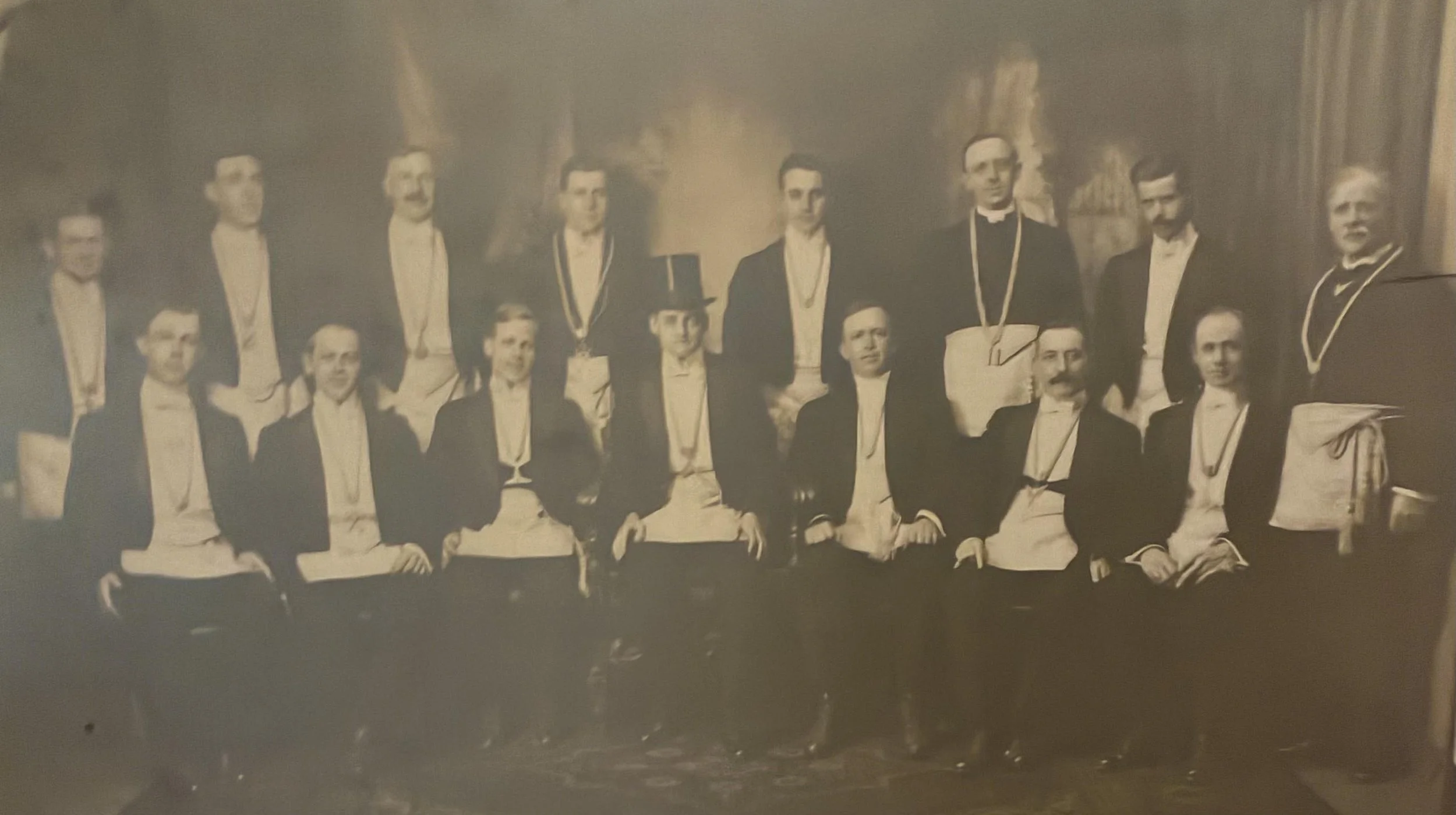
Raised in Queens
Explore Freemasonry in Queens through its lodges, meeting halls, rituals, and surviving records. Raised in Queens explains the three Masonic degrees, Prince Hall Freemasonry, the boundaries of membership, and how to trace Masonic connections in family and neighborhood history.
More Than a Meeting Night
Queens history includes more than bridges, railroads, and housing developments. Discover why lodges, fraternities, and service clubs belong in the borough’s story—and how halls, benefit records, funeral notices, and membership papers can reveal their roles in neighborhood life.
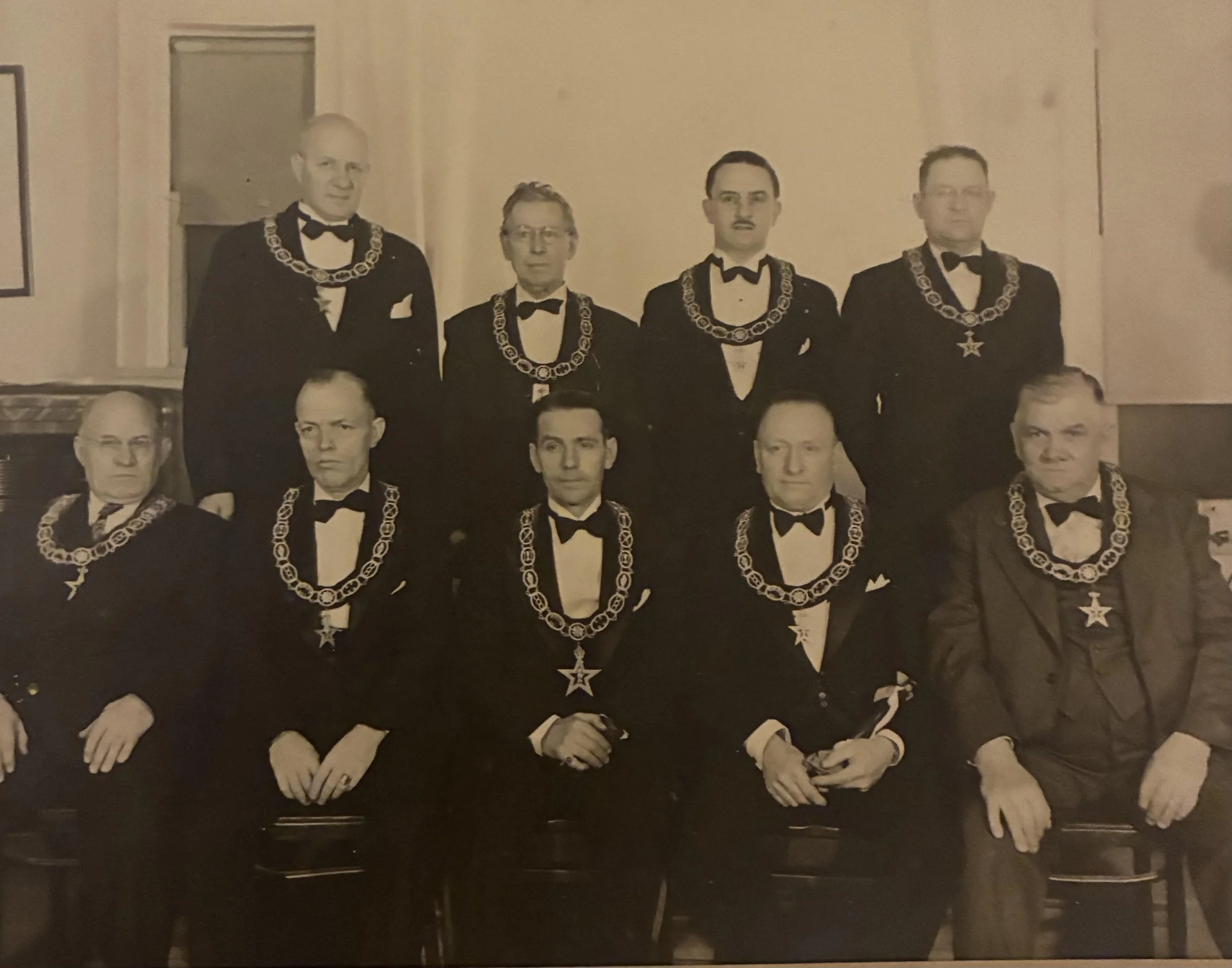
The Lodges That Built Queens
Explore the lodges, fraternities, benefit societies, and service clubs that helped shape Queens. This introduction to The Lodges That Built Queens explains their differences, their boundaries of belonging, and how to trace them through buildings, family papers, and local records.
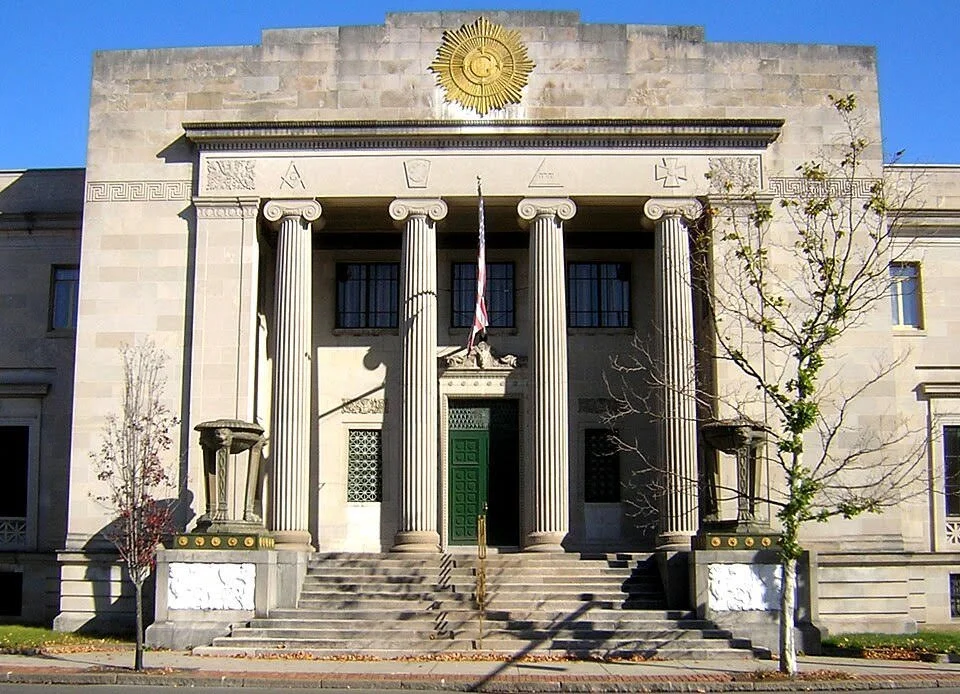
Why Moral Architecture Is More Than a Metaphor
A good intention is not a finished structure. Explore how Freemasonry’s building language connects character with standards, responsibility, maintenance, and shared work.
Why Initiation Is About Transformation, Not Information
Reading about an institution does not make you a member. Explore how Masonic initiation marks an undertaking—and why its promise of transformation depends on what follows.
Why Symbols Say Things Plain Language Cannot
You can explain a wedding ring without replacing it. Explore how Masonic symbols gather meaning through objects, relationships, and experience—and why clear explanations still matter.
Why Brotherhood Is Harder Than Friendship
You do not have to become close friends with every member of a lodge. But what do you owe those you would not have chosen? Explore brotherhood, loyalty, and responsibility across difference.
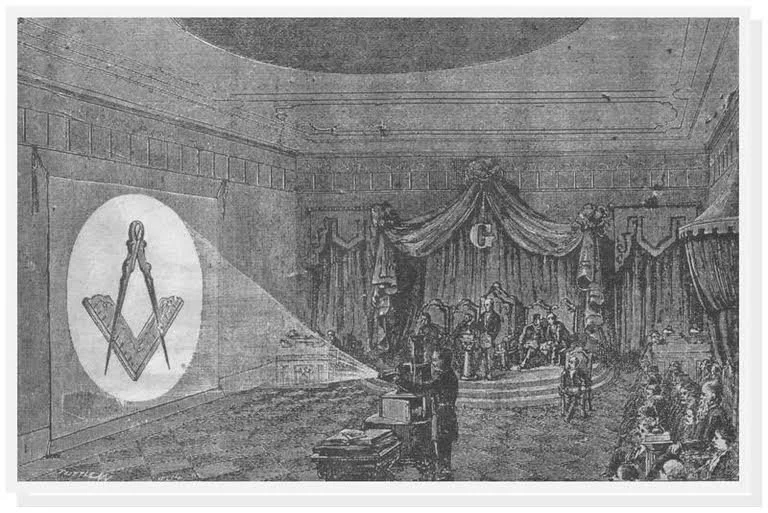
Why Ritual Works Even When You Don’t Fully Understand It
You may remember a ceremony before you can explain it. Explore how Masonic ritual can shape attention and memory—and why being affected is not the same as being improved.
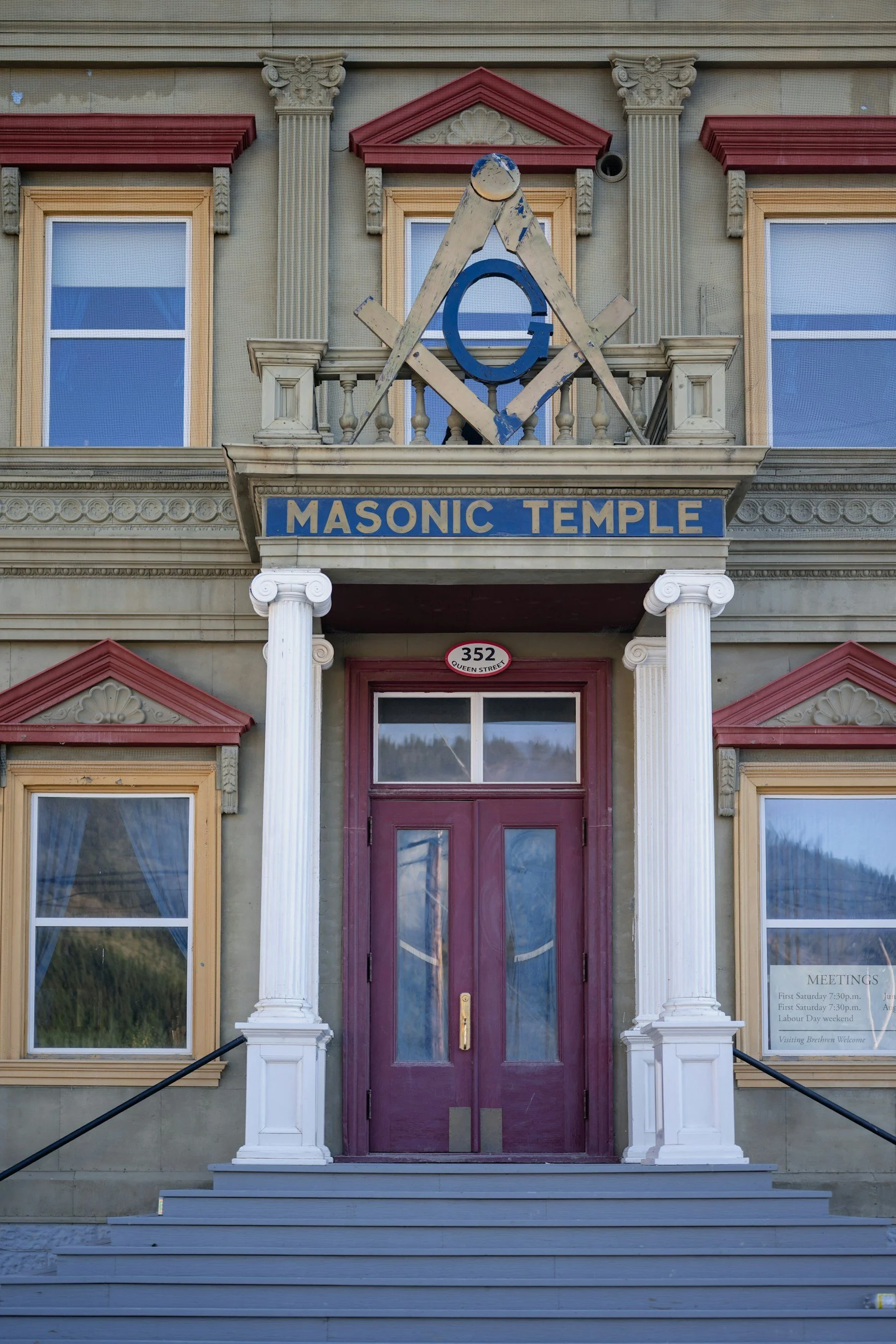
Why Secrecy Is Not the Same as Wisdom
A locked box may contain a jewel—or old receipts. Explore Masonic secrecy, privacy, and silence, and why restricted access tells us little about the wisdom inside.

The Working Tools
A gauge measures. A square tests. Compasses set limits. Explore how Masonic working tools turn general ideas about character into particular questions about conduct.

Masonic Symbols & Symbolic Thinking
Why does Freemasonry teach with stones, tools, and ceremonies? Explore thirteen connected essays on Masonic symbols, symbolic thinking, and the work of character.
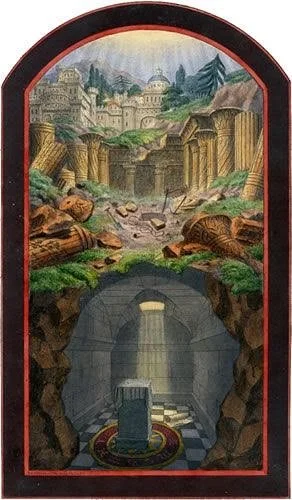
Why Freemasonry Keeps Acquiring Ancient Ancestors
Why does Freemasonry keep acquiring ancient ancestors? Explore how Solomon’s Temple, Egyptian wisdom, mystery cults and Templar legends became part of its identity—and why symbolic inheritance is not proof of historical descent.
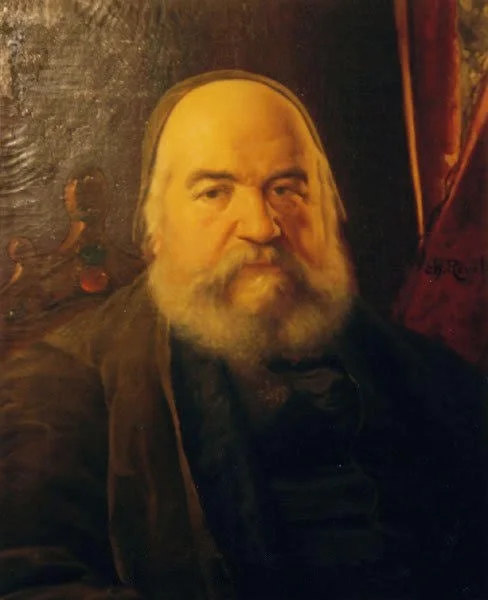
Who Gave Freemasonry Its Occult Reputation?
Who gave Freemasonry its occult reputation? Trace the roles of Éliphas Lévi, Albert Pike, the Golden Dawn and Manly P. Hall—and discover how genuine esoteric traditions, symbolic interpretations and fabricated accusations became entangled.
The Templars, Chivalry, and the Masonic Imagination
Did the Knights Templar become the Freemasons? Explore how Crusader legends, chivalric rituals and claims of hidden succession shaped Masonic identity—and why adopting Templar symbols does not prove descent from the medieval order.
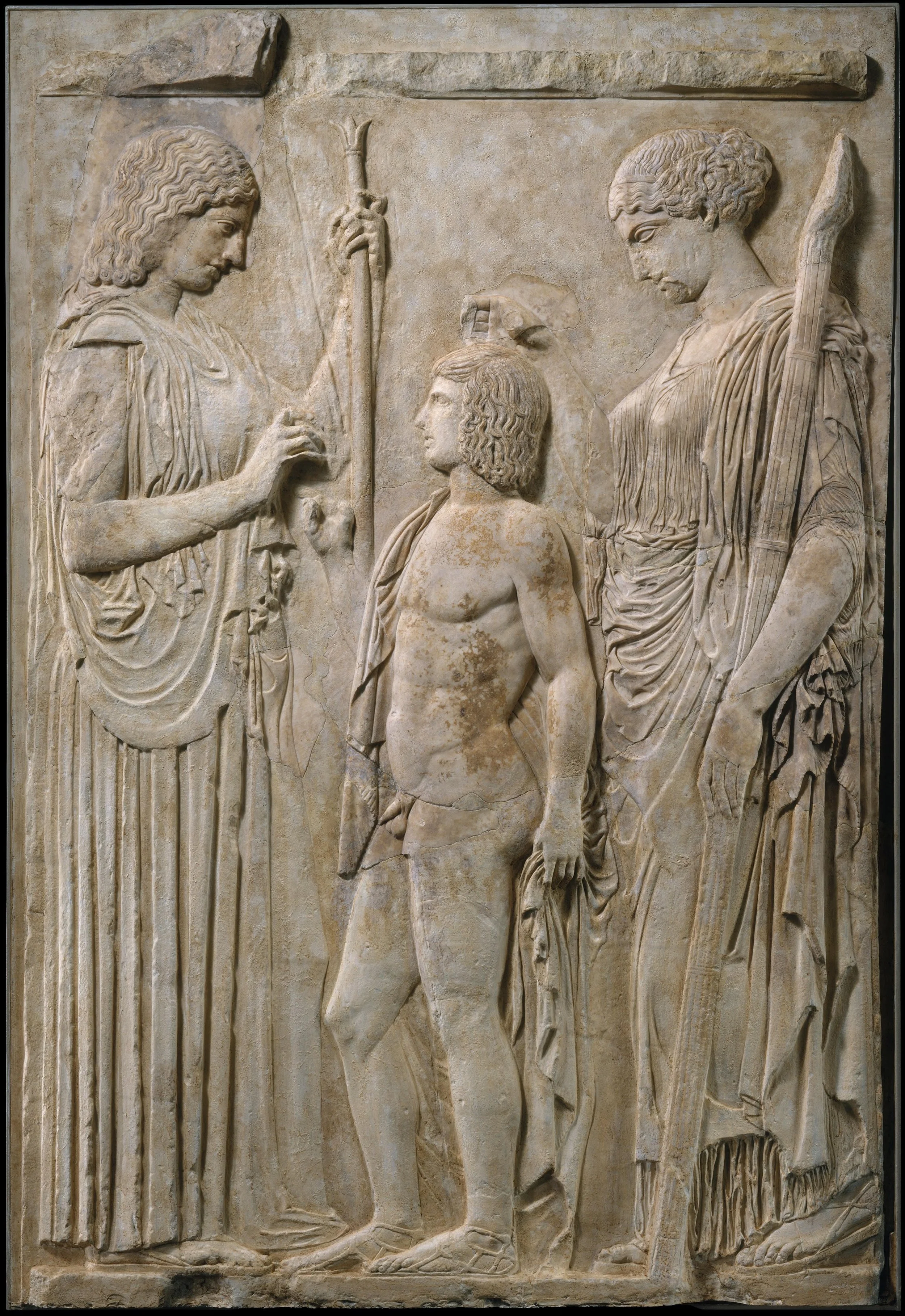
Did Freemasonry Descend From the Ancient Mysteries?
Did Freemasonry descend from the ancient mystery cults? Explore how Masonic writers linked lodge initiation to Eleusis, Isis and Mithras—and why parallels, borrowing and revival do not establish an unbroken ancient lineage.
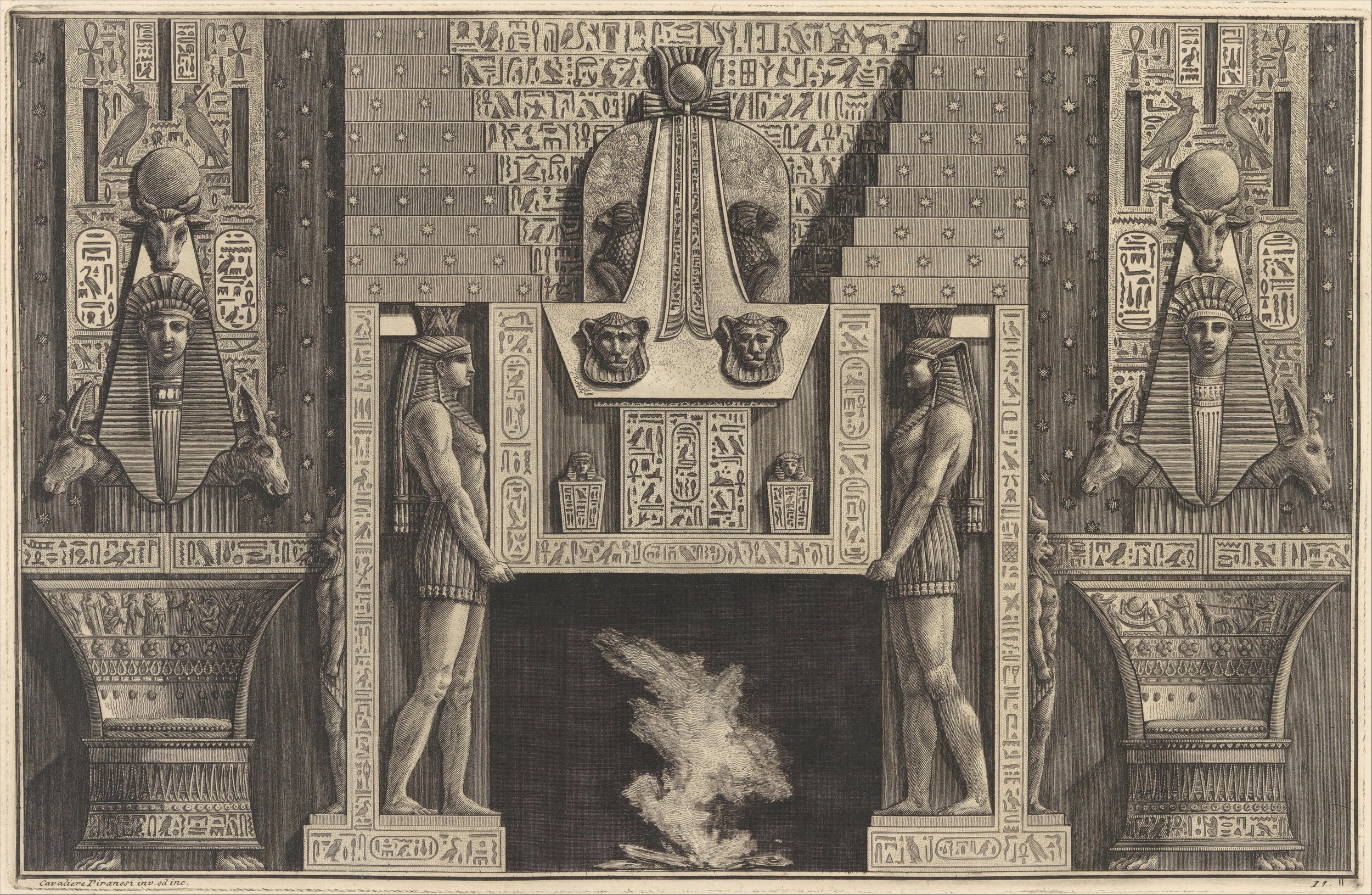
Why Freemasons Looked to Ancient Egypt
Why did Freemasons look to ancient Egypt for wisdom, symbols and a sense of ancestry? Explore how Enlightenment scholarship, fictional initiations and Egyptian revival architecture shaped Masonic culture—without proving descent from Egypt’s ancient priesthoods.
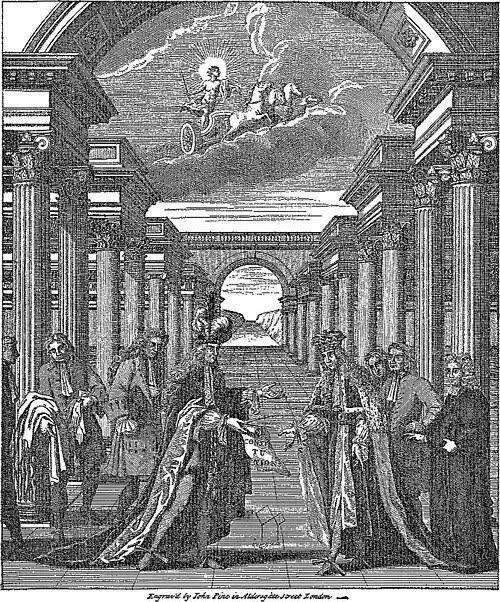
How Freemasonry Wrote Its Ancient History
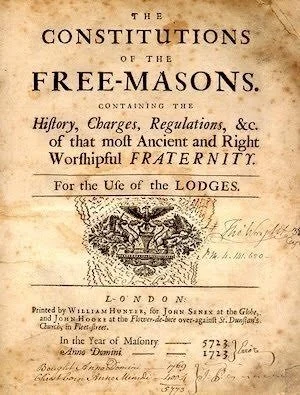
In 1723, James Anderson helped give Freemasonry a printed ancient past. Explore how the Old Charges, biblical genealogy and the authority of print shaped the fraternity’s identity—and why an institutional origin story is not proof of historical descent.
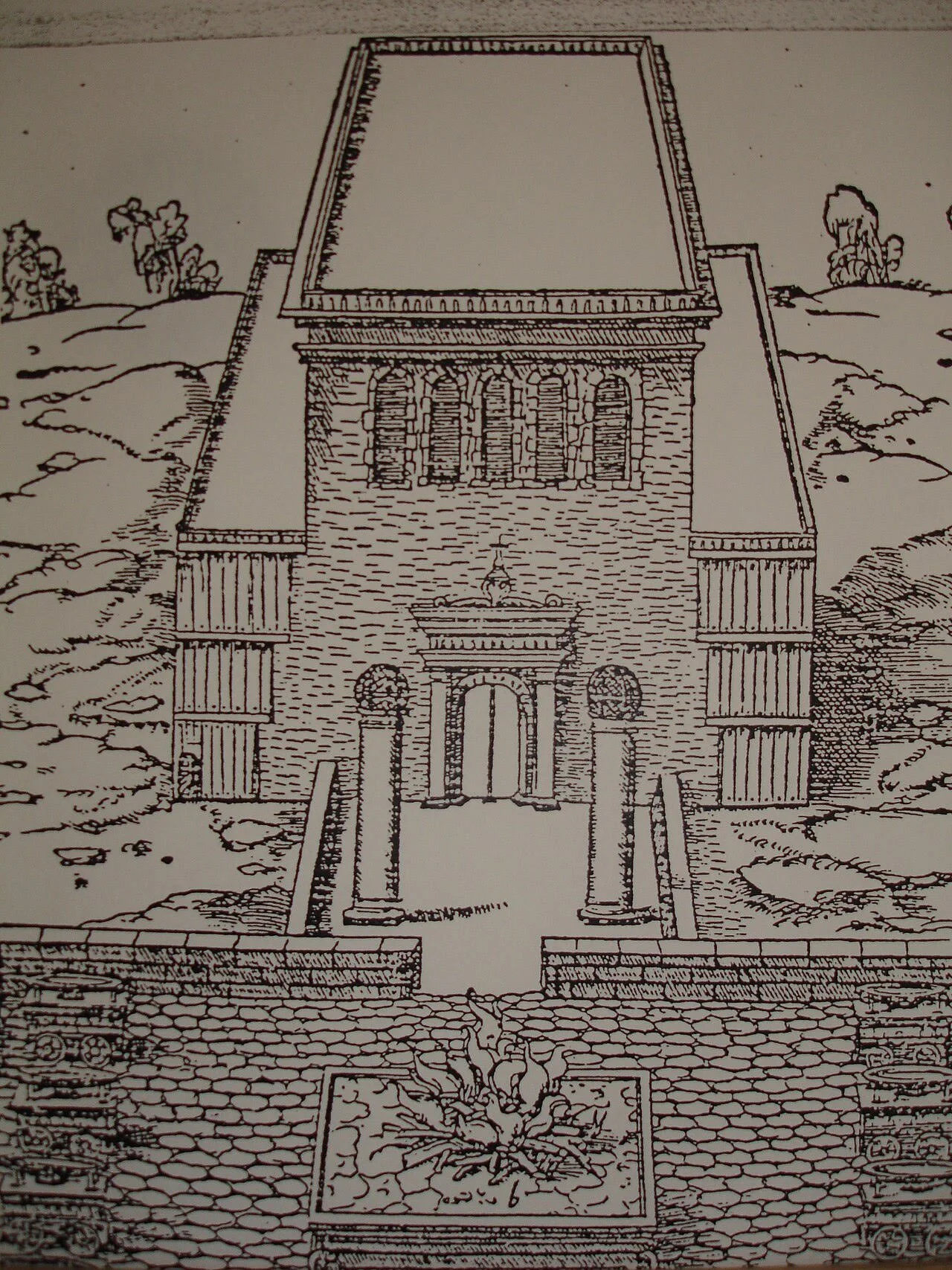
Why Solomon’s Temple Matters to Freemasonry
Why does Solomon’s Temple stand at the center of Freemasonry? Explore how biblical architecture, Hiram Abiff and eighteenth-century ritual gave the fraternity a symbolic setting for moral instruction—not proof of ancient descent.
Where Did Freemasonry Come From?
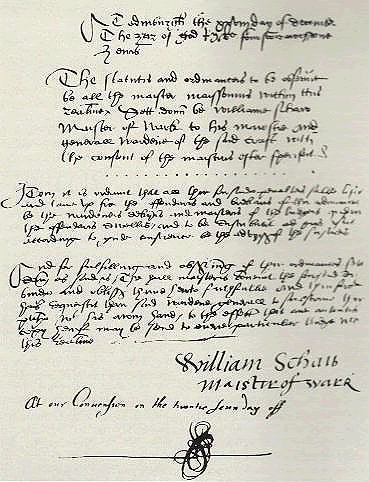
Freemasonry did not begin all at once in 1717. Its roots lie in medieval building guilds, Scottish lodge records, early ritual texts, and the later rise of Grand Lodge organization. This article traces how those strands came together, and why Freemasonry came to imagine itself as far older than its modern institutions.
More Light
Start here to explore Freemasonry’s origins and the ancient ancestors it claimed. This eight-part series follows Solomon’s Temple, Egyptian wisdom, mystery cults, Templar legends and occult interpretations—separating documented history from symbolic inheritance.