
Corn, Wine, and Oil
Before they became symbols, corn, wine, and oil were goods someone had to grow, process, store, and carry. This eight-essay series follows them through labor, scripture, public Masonic ceremony, and philosophical reflection—keeping historical evidence distinct from interpretation.
After the Symbols
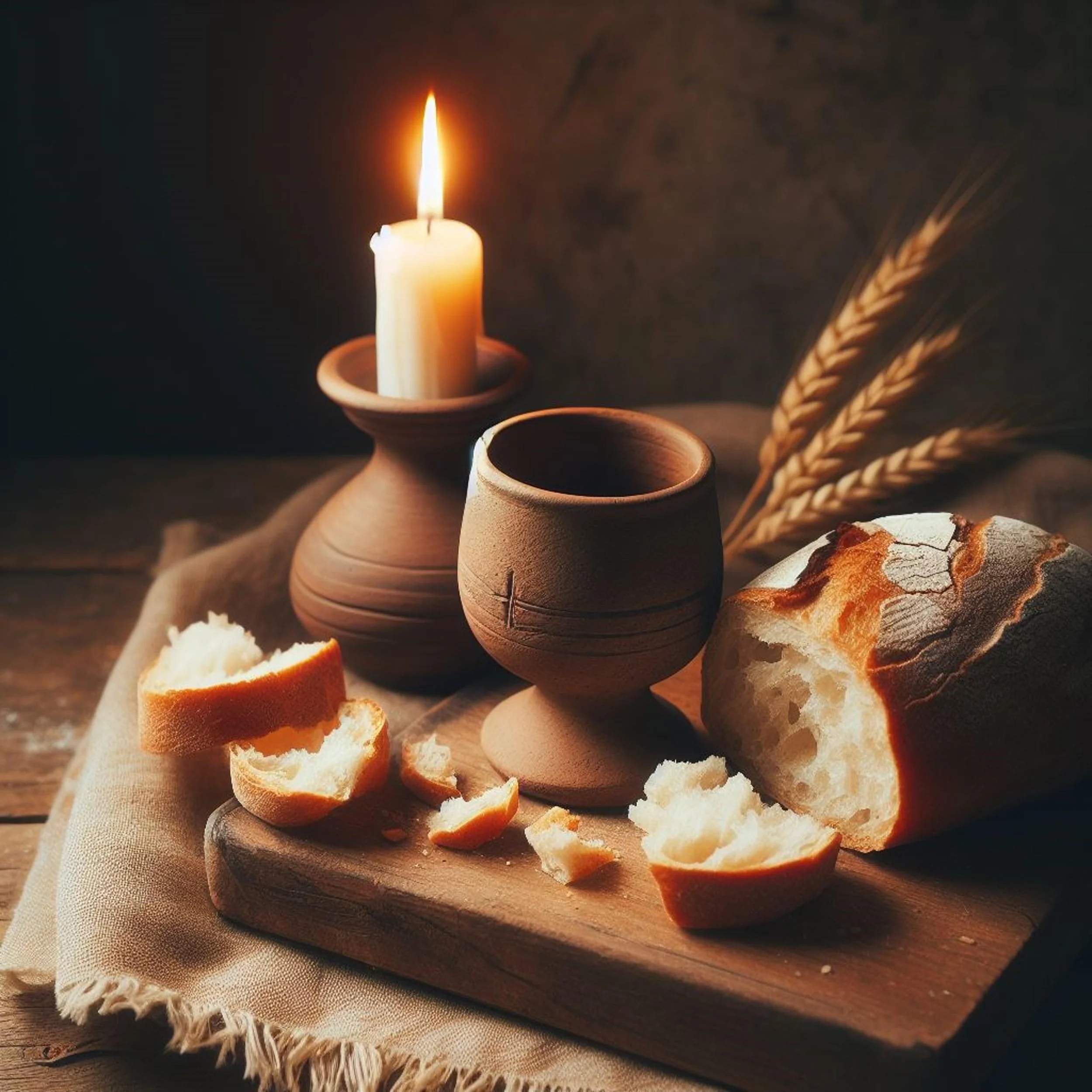
A loaf divided, a drink poured, a flame tended: ordinary goods reveal the work and dependence behind daily life. The closing essay in the Corn, Wine, and Oil series explores gratitude, measure, and three questions about what sustains us, what we enjoy, and what we keep going.

Readings, Not Equations
Three goods, three principles, one tempting table—but resemblance is not proof. This essay explores what transformation-minded readings of corn, wine, and oil can illuminate, while marking the point where analogy begins to say more than the evidence allows.
A loan, and what it was charged in
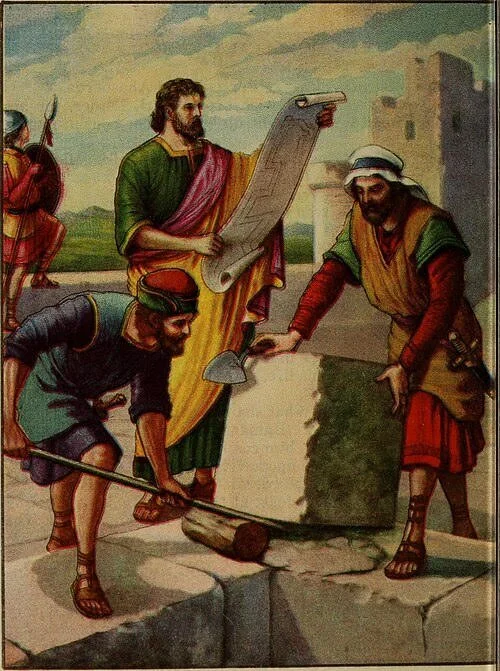
Grain, wine, and oil appear in scripture as more than blessings. They are goods borrowed against, portions owed, harvests lost, and provisions shared. Beginning with Nehemiah’s demand for restitution, this article follows the three materials through biblical passages and neighboring Qur’anic imagery—and asks what symbolism leaves out when it keeps only abundance.
The lamp, the wick, and the person who forgot
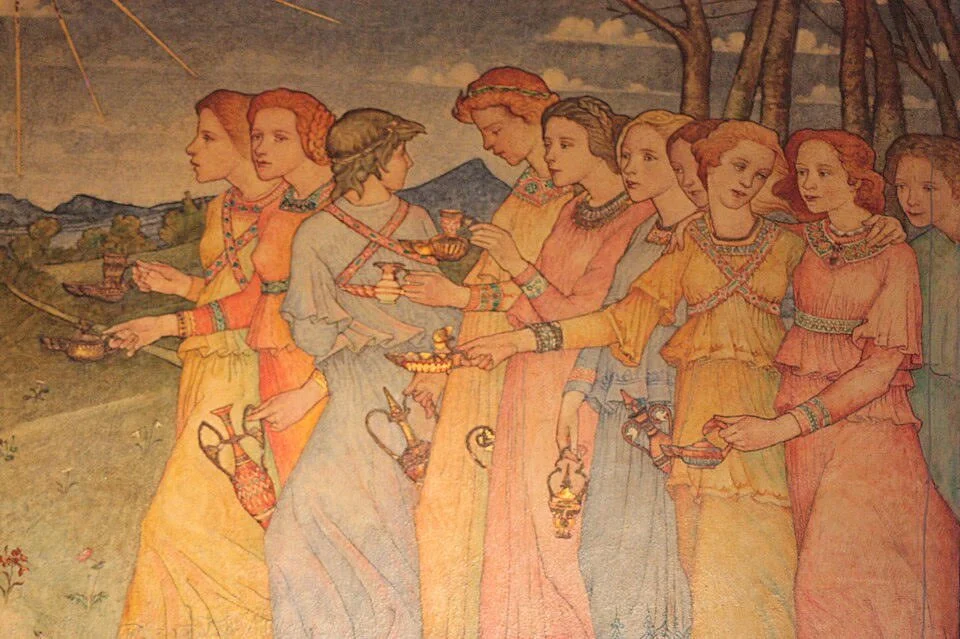
A lamp stays lit only because someone tends it. From ancient olive presses to biblical anointing and public Masonic cornerstone ceremonies, this article follows oil as fuel, provision, and an emblem of joy, peace, and comfort—and asks whose unnoticed work keeps our households, friendships, and institutions going.
A crop that makes its own decisions
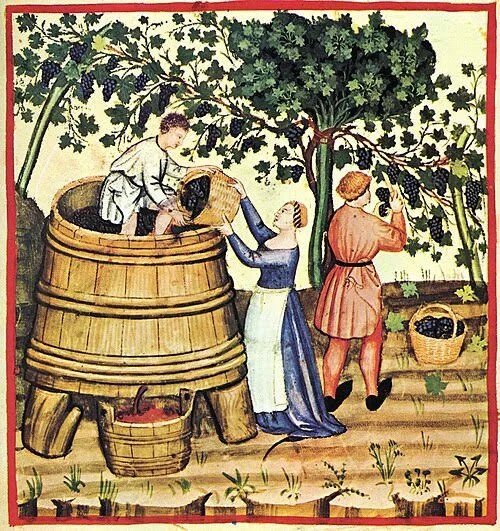
Wine begins with sugar and yeast, but its meanings reach beyond fermentation. From ancient winemaking to scripture and public Masonic cornerstone ceremonies, this article follows wine as a source of refreshment, gladness, and risk—and considers what a cup can teach about hospitality, restraint, and the boundaries we give pleasure.
Ears of corn, an ephah of barley
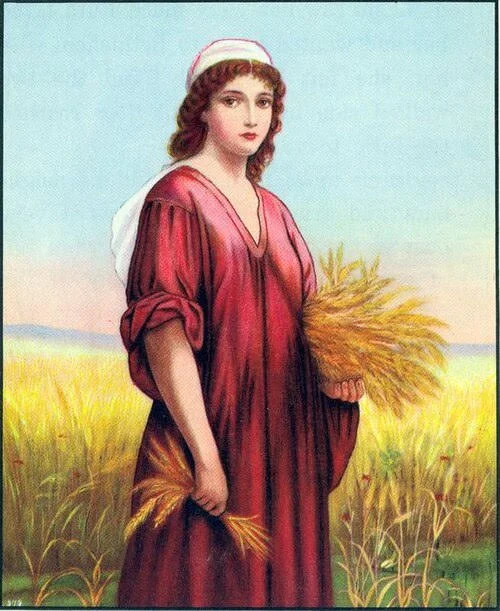
Before corn became a Masonic symbol, it was grain somebody grew, carried, and ground. From Ruth’s gleaning to Britain’s Corn Laws and an 1871 cornerstone ceremony in Albany, this article follows the work behind nourishment—and asks what a symbol of abundance means when food is never equally secure.
A wet day in Albany
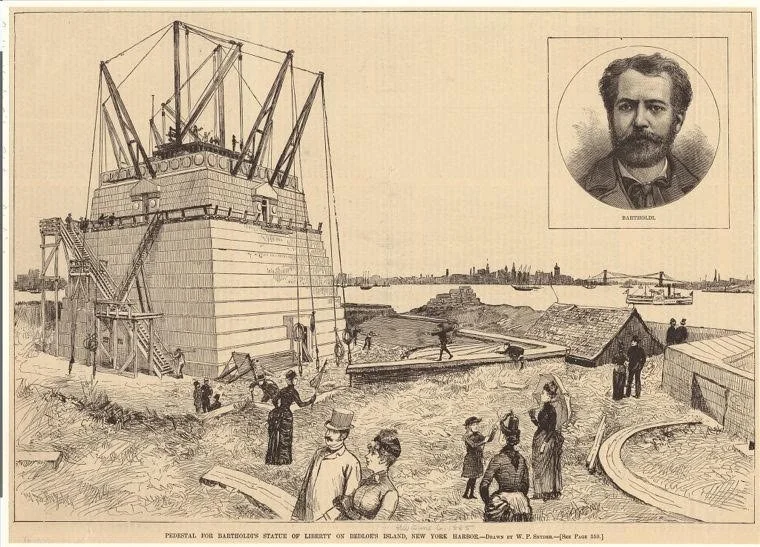
What did corn, wine, and oil mean at a Masonic cornerstone ceremony? An 1871 account from Albany offers a starting point. Following the evidence through public ceremonies at the U.S. Capitol and the Statue of Liberty, this article separates documented practice from symbolic interpretation—and considers what public ritual can, and cannot, tell us.
Masonic Symbols: Guided Readings (A Section of Masonic Symbols & Symbolic Thinking)
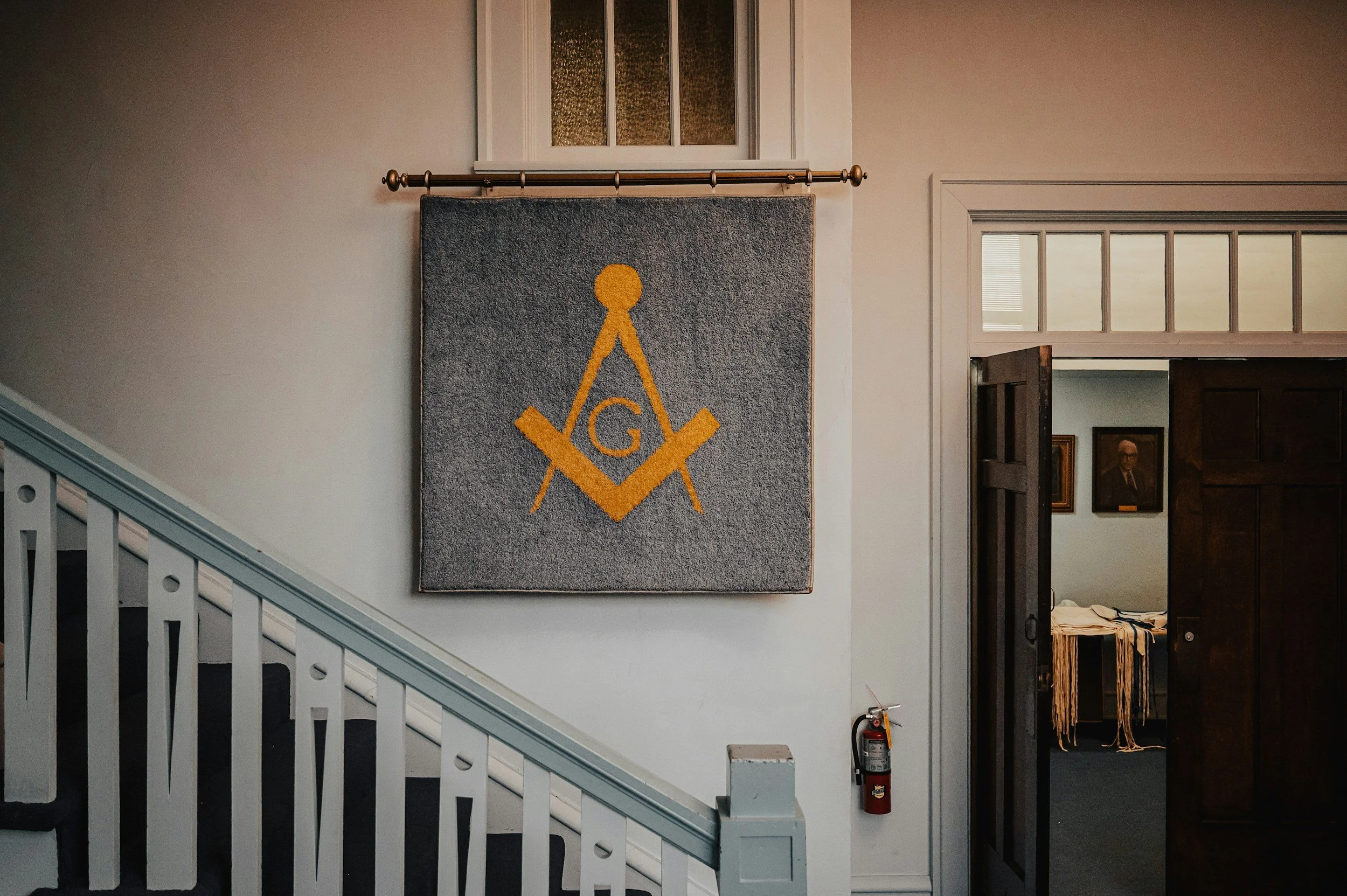
Why does Freemasonry teach through stones, tools, pillars, and carefully arranged spaces? Explore Brete Murphy’s guided reading series on the ashlars, the two pillars, the twenty-four-inch gauge, and the lodge room, with related essays on light, geometry, and the liberal arts.

Stop Blaming the Egregore
If a Lodge wants a healthier inner life, it cannot wait for invisible forces to fix what the brethren refuse to address. This essay turns practical, showing how ritual, governance, correction, discipline, and honest participation shape the real atmosphere of the Lodge.

The Lodge Mind
This essay applies the concept of the egregore directly to Lodge life, arguing that a Lodge’s inner atmosphere is not automatically healthy, wise, or self-correcting. It becomes what the brethren repeatedly feed through ritual, conduct, discipline, avoidance, and aspiration.

What an Egregore Really Is
What is an egregore? This essay introduces the old occult term and shows why it still matters today, offering a clear framework for understanding how shared symbols, beliefs, attention, and ritual create powerful collective forces in religion, politics, branding, and institutions.

The Lodge, the Thoughtform, and the Work
This three-part series explores the concept of the egregore across occultism, psychology, religion, and social life, then applies it directly to Freemasonry and the question of how a Lodge’s inner atmosphere is actually formed, sustained, corrupted, or renewed.

The Work of Becoming Unavailable to the Crowd
The goal is not theatrical nonconformity, but inward substance: becoming the kind of person who cannot be easily absorbed by fashion, fear, vanity, or managed opinion.

Solitude, Silence, and the Inner Chamber
A man who cannot endure silence will eventually be governed by noise. Solitude is not withdrawal from responsibility but one of its necessary conditions.

The Quadrivium and the Recovery of Order
The mathematical arts train the mind in number, proportion, harmony, and measure — reminding us that reality does not bend to appetite, fashion, or opinion.

Bonhoeffer and the Problem of Stupidity
Stupidity is dangerous not because it is mere ignorance, but because it can make a person resistant to evidence, correction, and reality itself.

Hannah Arendt and the Banality of Evil
Evil is not always dramatic. Sometimes it grows through thoughtlessness, cliché, and the failure to judge what one is doing or allowing to be done.

Kierkegaard and the Untruth of the Crowd
The crowd becomes dangerous when it dissolves responsibility. What everyone thinks and says can become a refuge from the burden of becoming a self.

Tocqueville and the Soft Despotism of the Crowd
Tyranny does not always arrive through open force. Sometimes it works through social pressure, dependency, conformity, and the quiet fear of standing alone.