Stop Blaming the Egregore
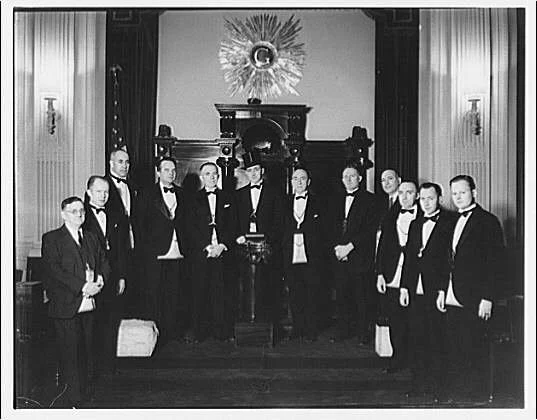
If a Lodge wants a healthier inner life, it cannot wait for invisible forces to fix what the brethren refuse to address. This essay turns practical, showing how ritual, governance, correction, discipline, and honest participation shape the real atmosphere of the Lodge.
Rhetoric and the Responsible Tongue
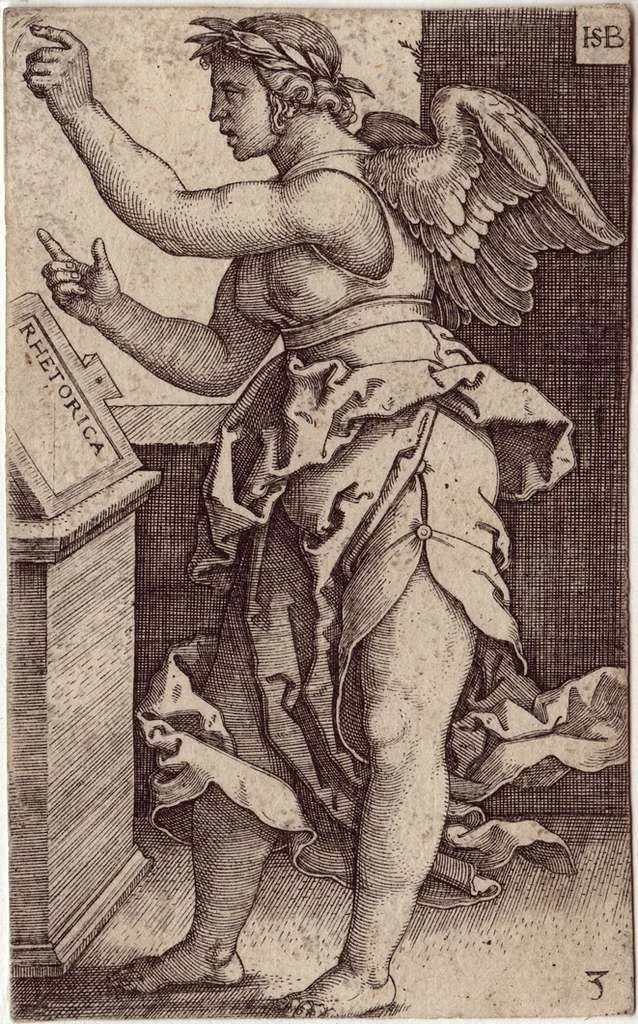
Rhetoric can manipulate, but it can also discipline speech. The real question is whether persuasion is being used carelessly, theatrically, or in the service of truth.
What the Liberal Arts Are For
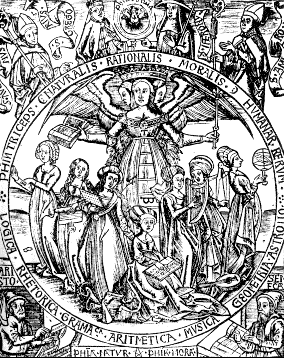
Why the liberal arts were meant to form a free person — one capable of judgment, self-command, and truthfulness — rather than merely produce credentials or cultural polish.
Why the Lodge Room Is Laid Out Like a Map of the Mind
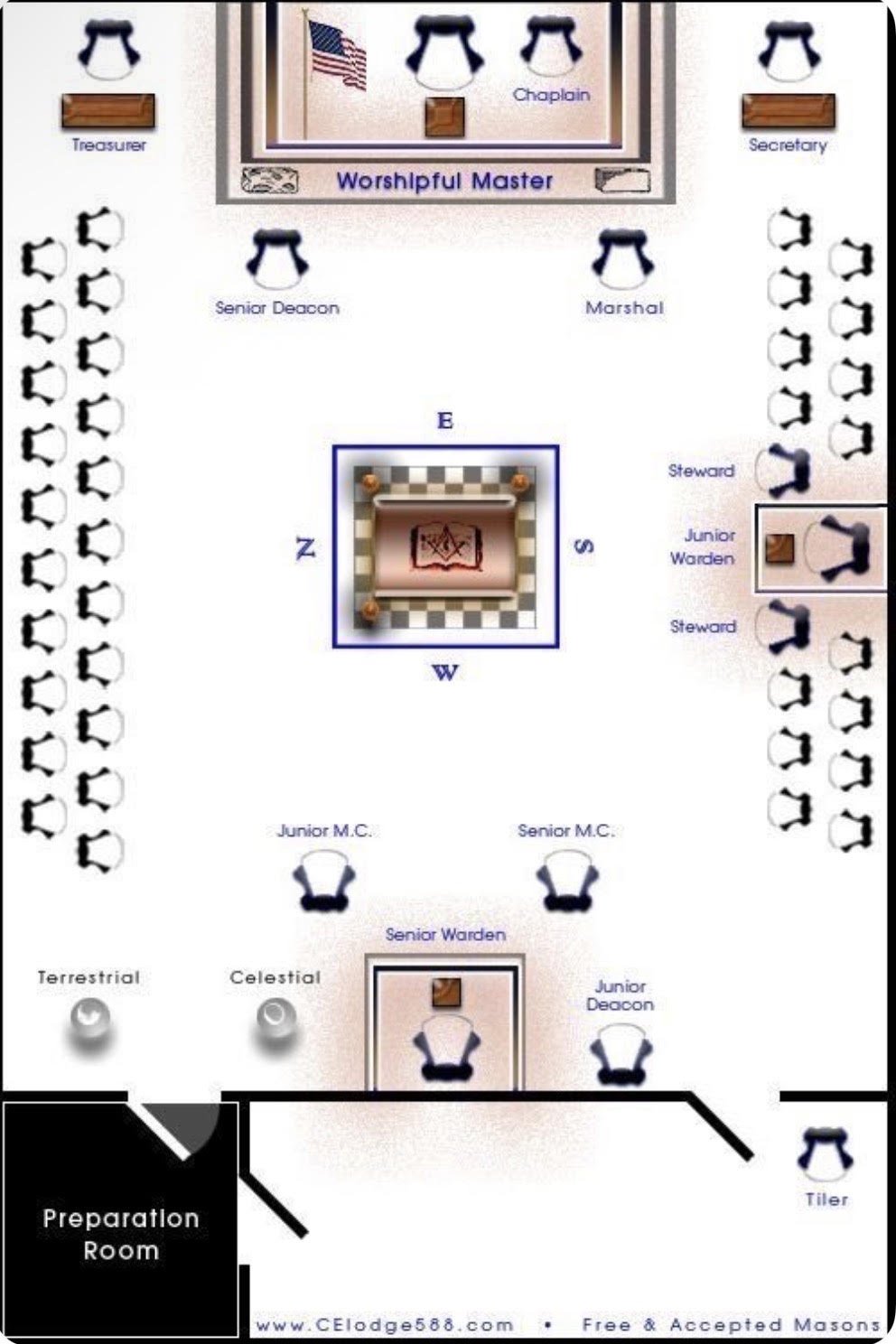
Why is a Masonic lodge room arranged with fixed stations, symbolic directions, and a meaningful center? This essay explains how lodge-room layout teaches moral order, inner discipline, and symbolic orientation.
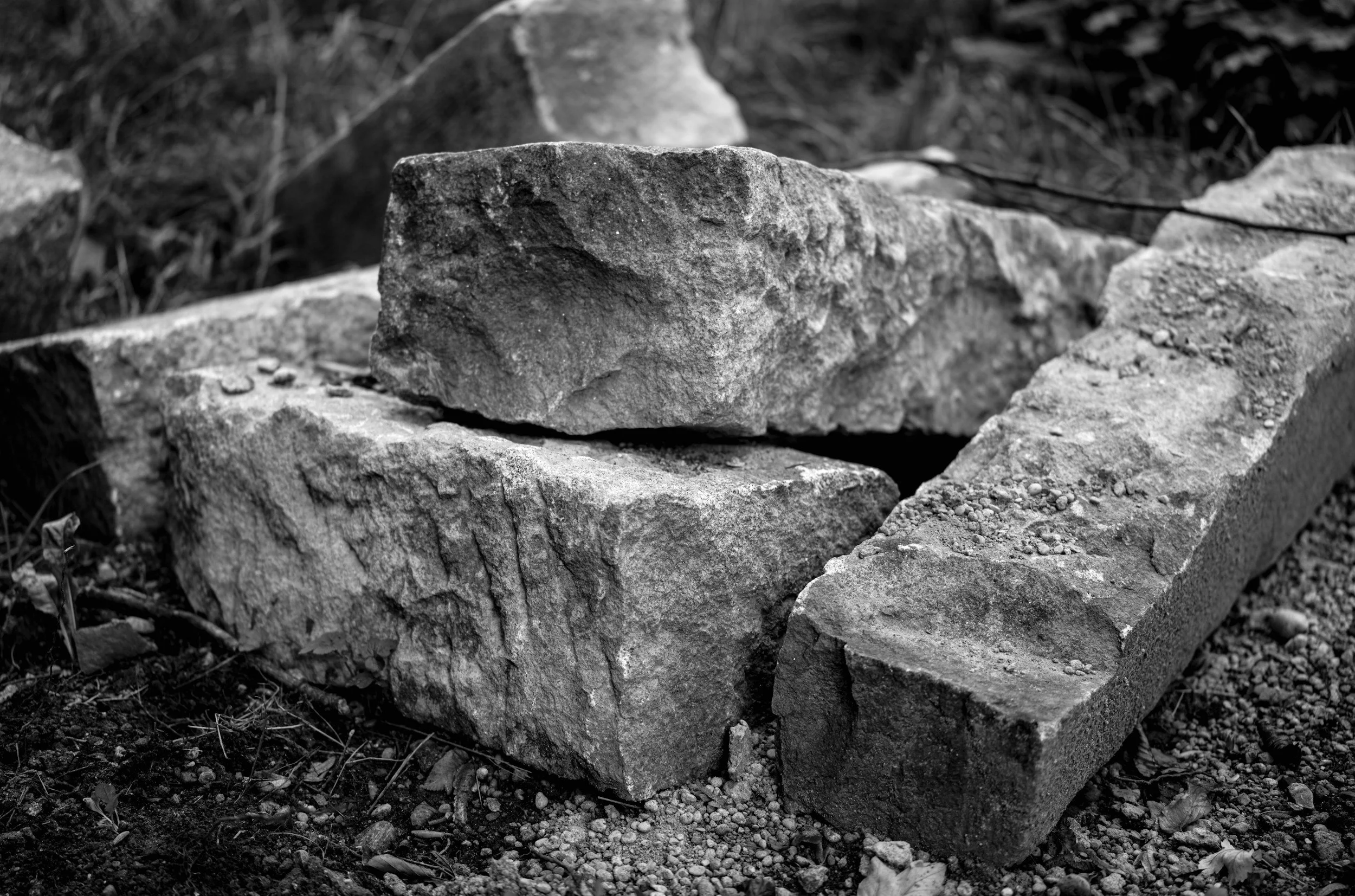
Rough and Perfect Ashlar: The Masonic Work of Self-Improvement
What do the rough and perfect ashlars mean in Freemasonry? This essay explains how stone, labor, discipline, and form become a powerful symbol of moral growth and self-improvement.
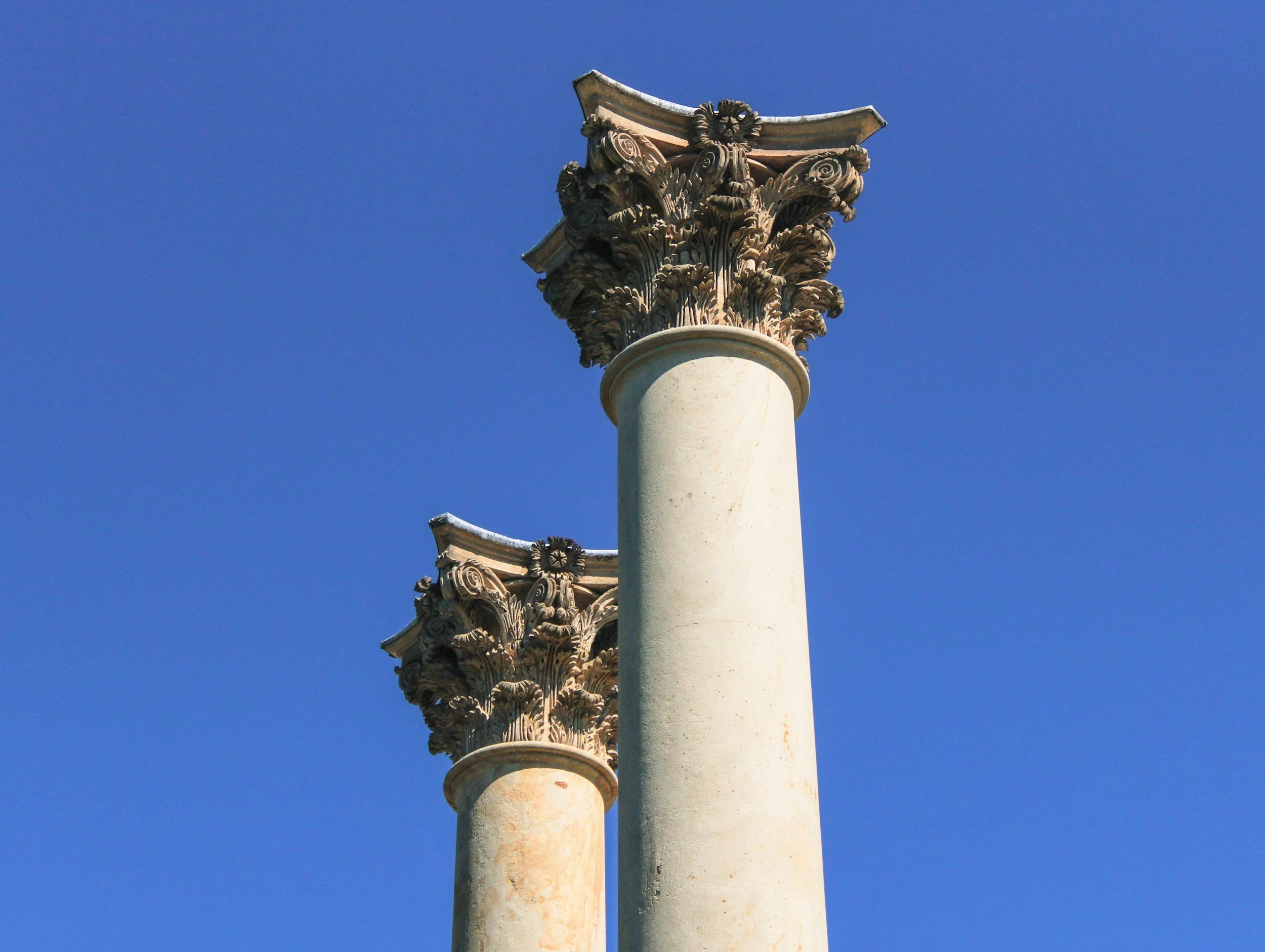
The Two Pillars: Strength, Established, and the Architecture of Meaning
What do the two pillars in Freemasonry symbolize? This essay explains how the pillars represent threshold, balance, support, and entry into ordered moral space.
Some Men Want Light. Some Just Want a Title: Office, Ambition, and the Inward Life
What does “light” mean in Freemasonry, and why do some men chase titles instead of transformation? This essay explores Masonic light, ambition, office, and the difference between appearance and inward growth.
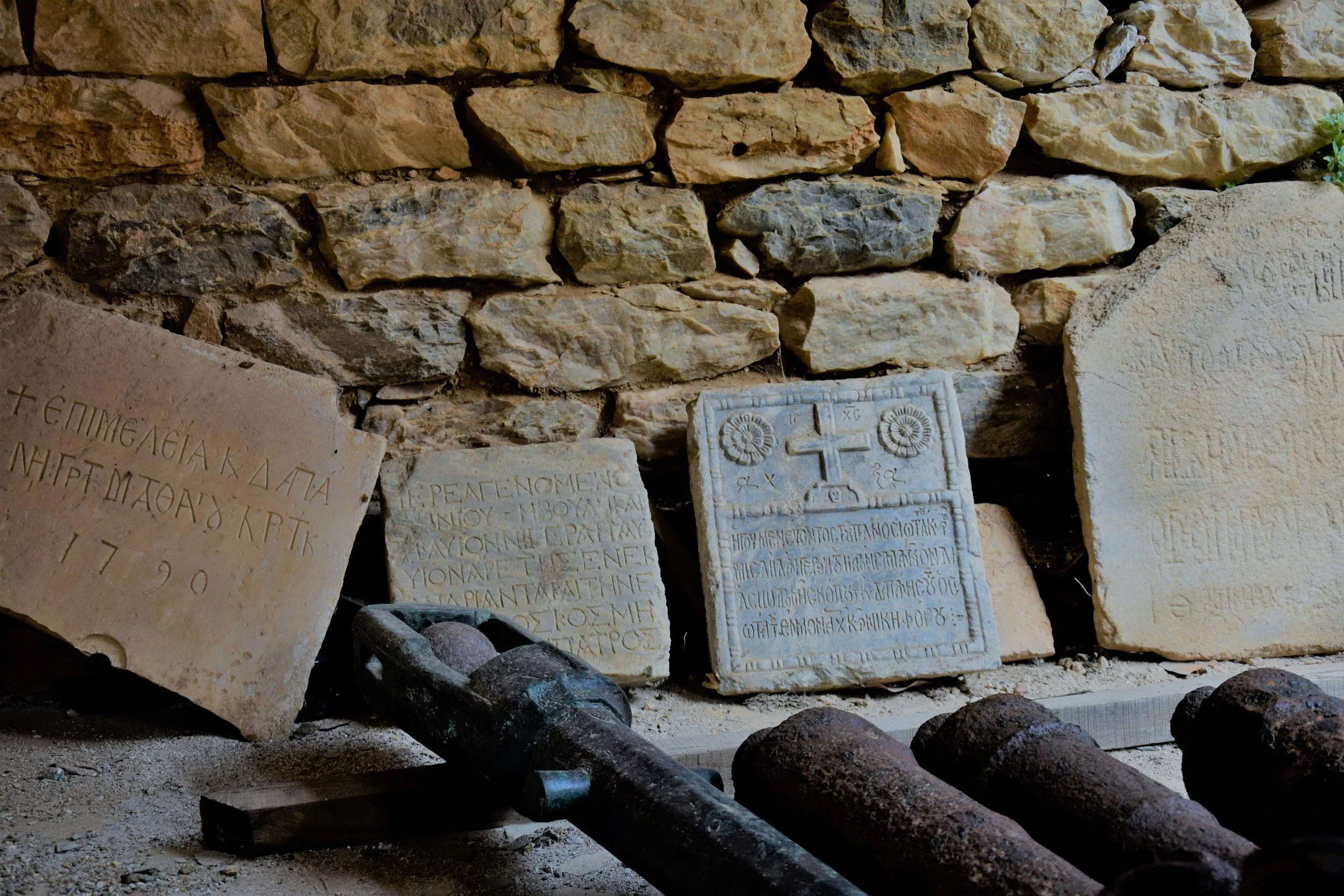
Why Masons Talk in Stones, Tools, and Symbols: From Working Tools to Inner Work
Why does Freemasonry teach through stones, tools, and symbols instead of plain statements? This essay explains how Masonic symbolism turns moral instruction into memory, practice, and inner work.
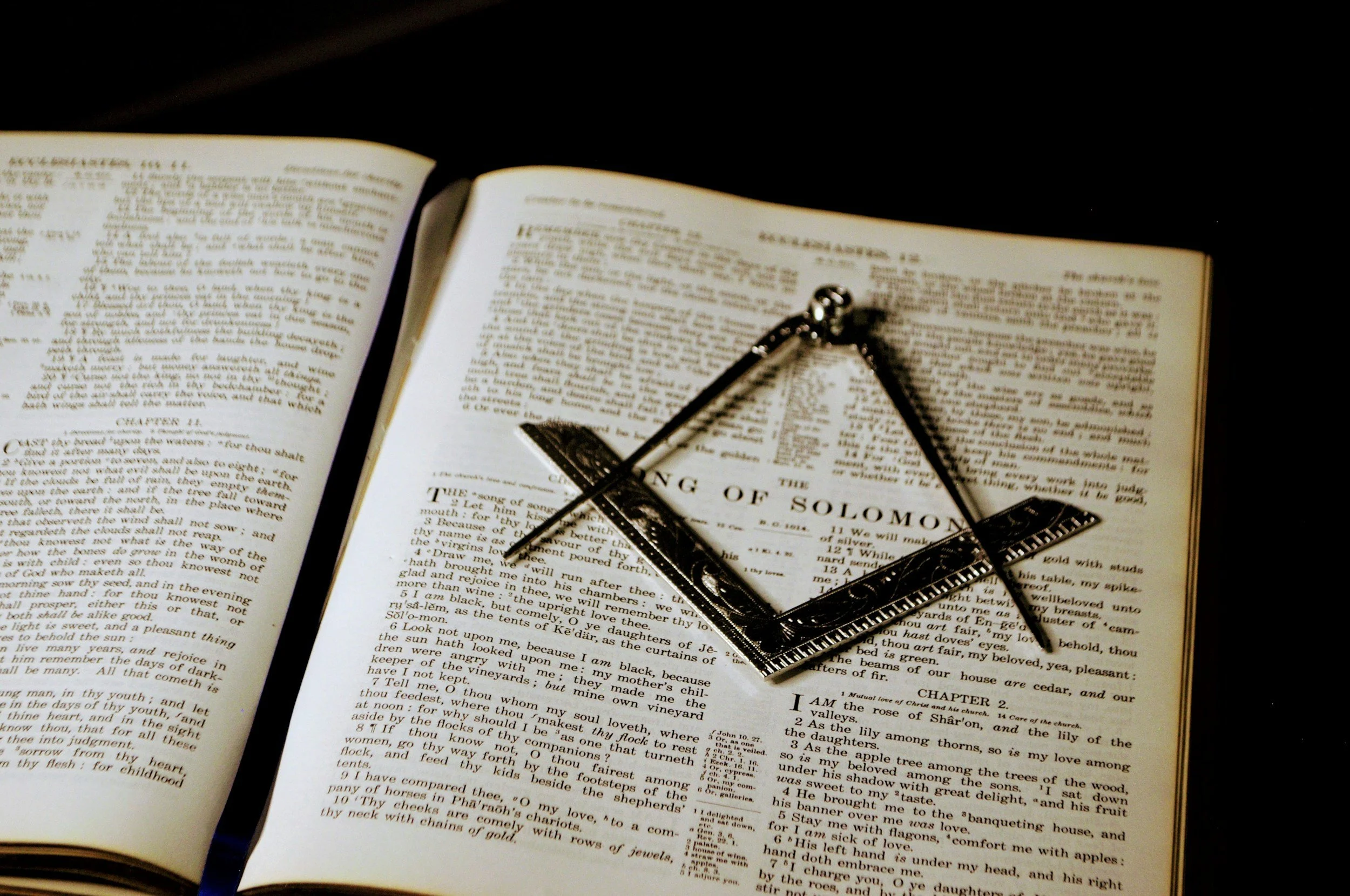
What Freemasonry Is: Ritual, Symbol, and Moral Formation
What is Freemasonry, really? This essay explains Freemasonry as a voluntary brotherhood that teaches through ritual, symbols, moral instruction, and shared forms of fellowship.
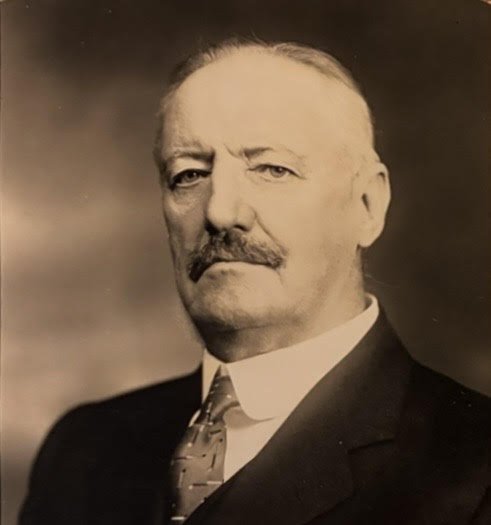
Brother John Anderson Leach of Advance Lodge No. 635
Brother John Anderson Leach of Advance Lodge No. 635 rose from Astoria lawyer to magistrate, civic leader, and senior police official, building a life defined by service, leadership, and Masonic distinction.
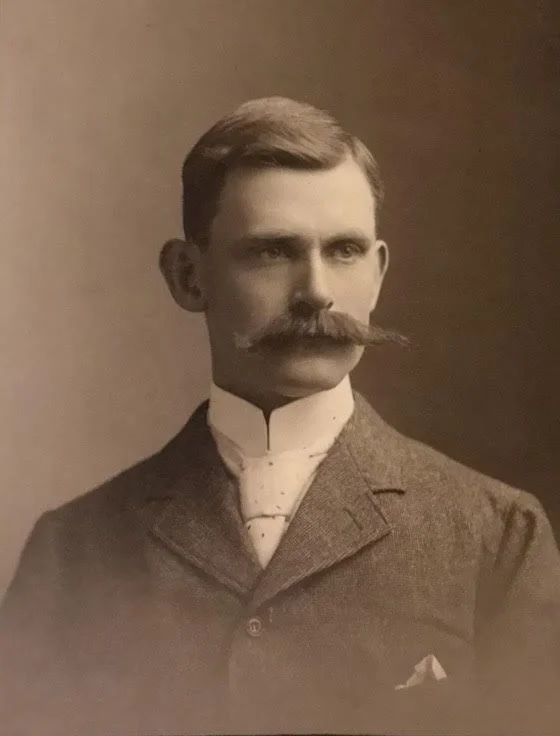
Brother Frederick T. Hallett: The Measure of an Astorian
Frederick T. Hallett was a businessman, Mason, church trustee, and civic leader whose life traced Astoria’s transformation from an old Long Island village into modern Queens.
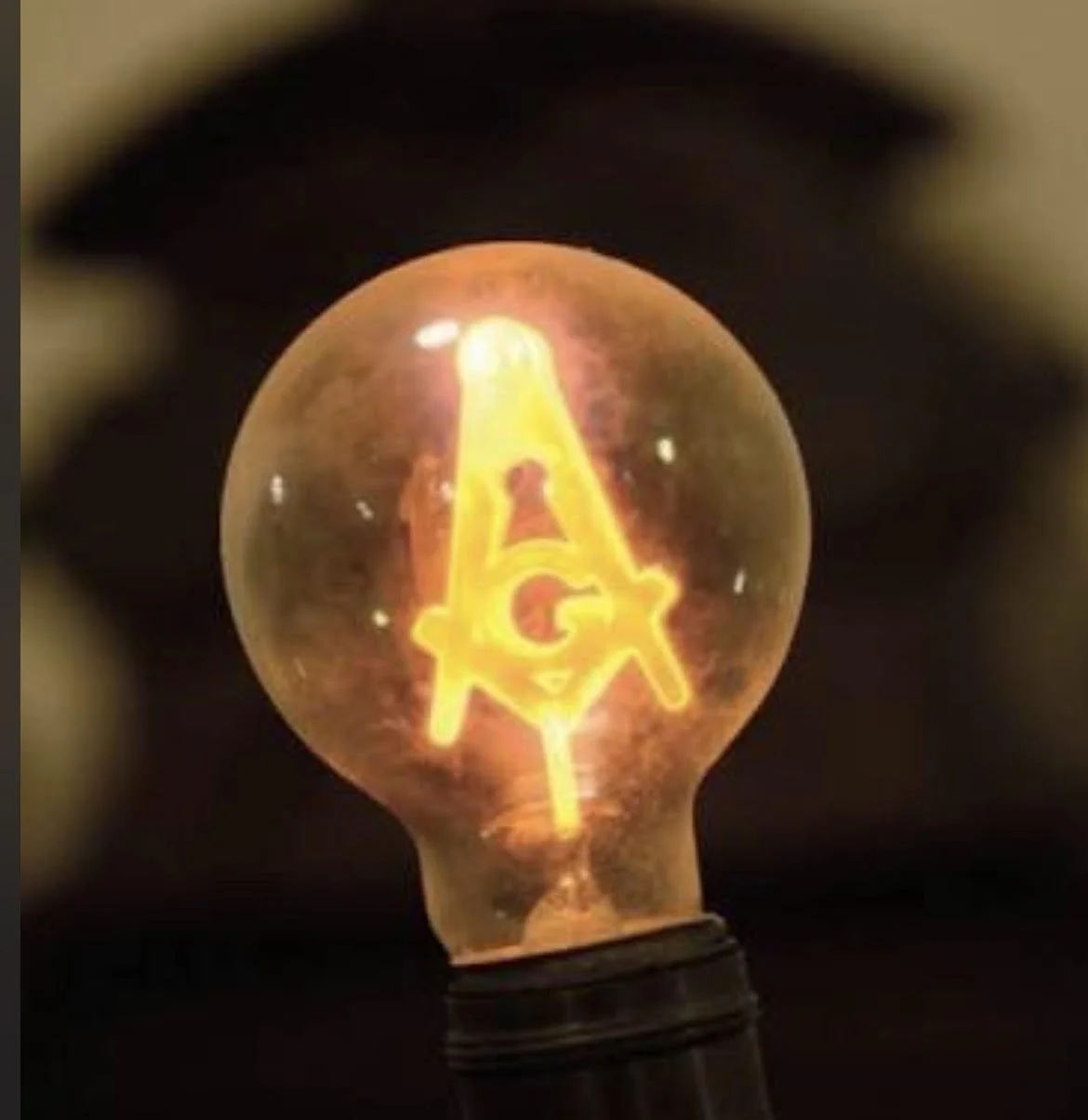
Some Men Want Light. Some Just Want a Title.
An exploration of Albert G. Mackey’s three classes of Masons and what they reveal about Masonic ambition, symbolism, study, and the inward meaning of the Craft degrees.
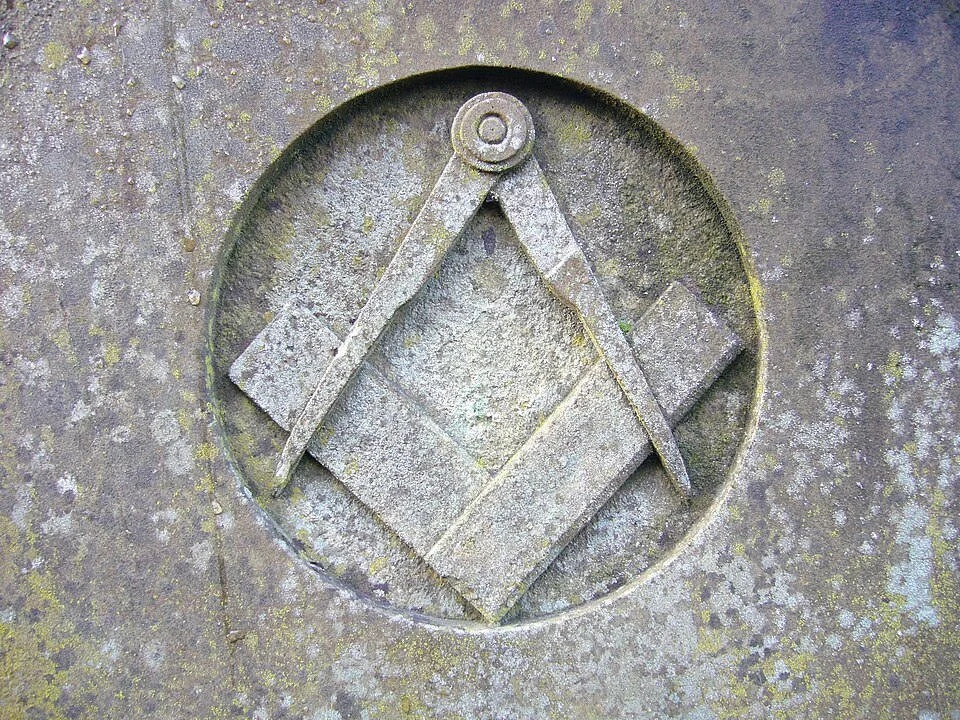
Why Masons Talk in Stones, Tools, and Symbols: A Personal Introduction
A clear, personal introduction to Masonic symbols and why Freemasons use stones, tools, and moral images to teach character, boundaries, equality, and integrity.
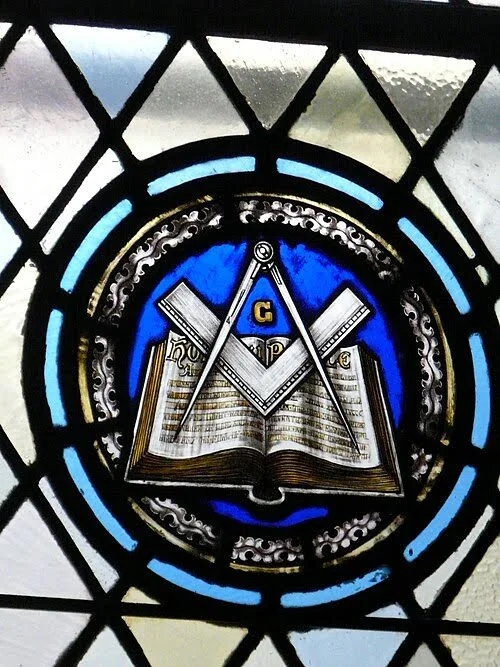
What Freemasonry Is: From Anderson’s Constitutions to the Symbolic and Observant Lodge
An introduction to Freemasonry as a moral and symbolic fraternity, with attention to Anderson’s Constitutions, the first three degrees, and observant lodge culture.