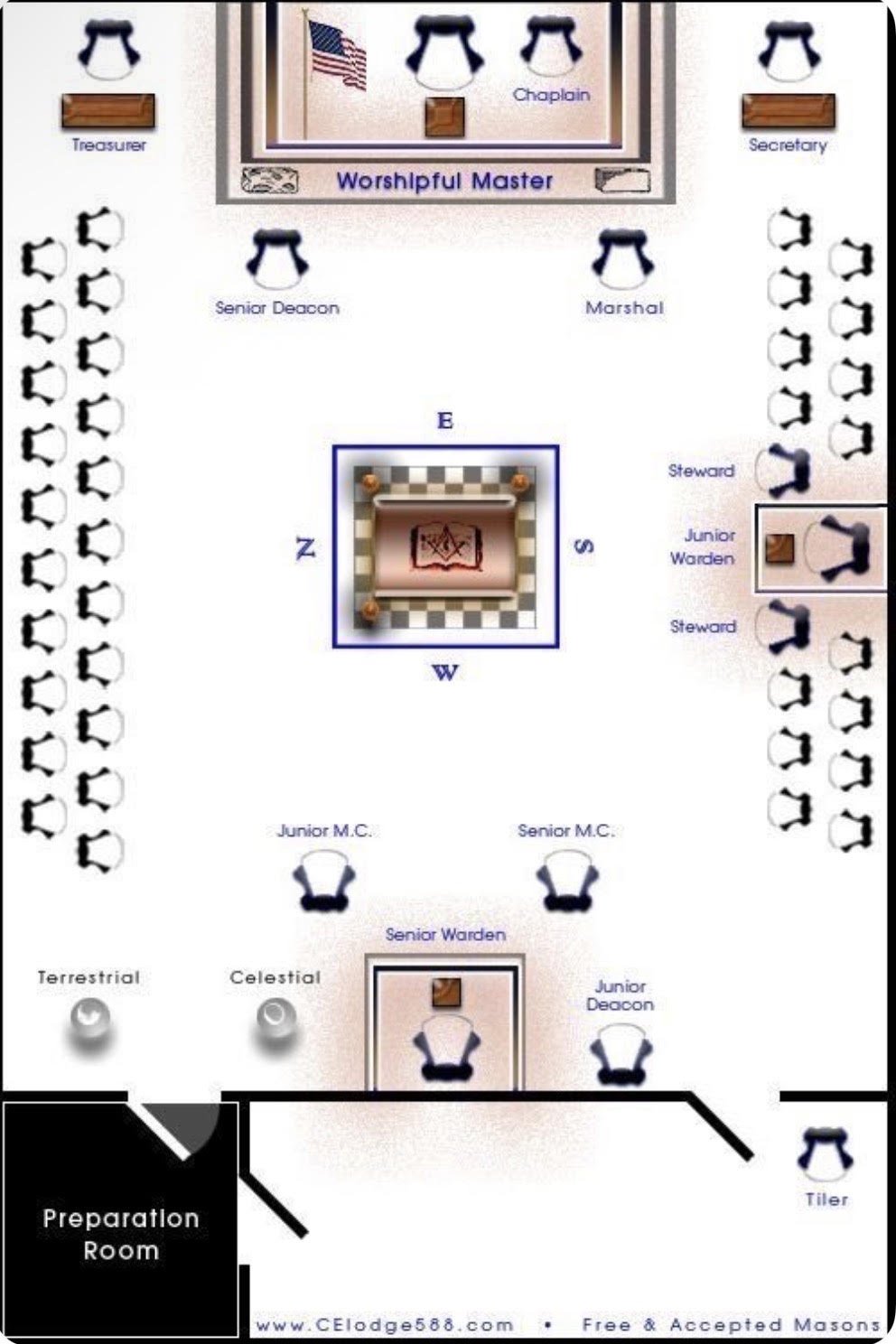
Why the Lodge Room Is Laid Out Like a Map of the Mind
Why is a Masonic lodge room arranged with fixed stations, symbolic directions, and a meaningful center? This essay explains how lodge-room layout teaches moral order, inner discipline, and symbolic orientation.
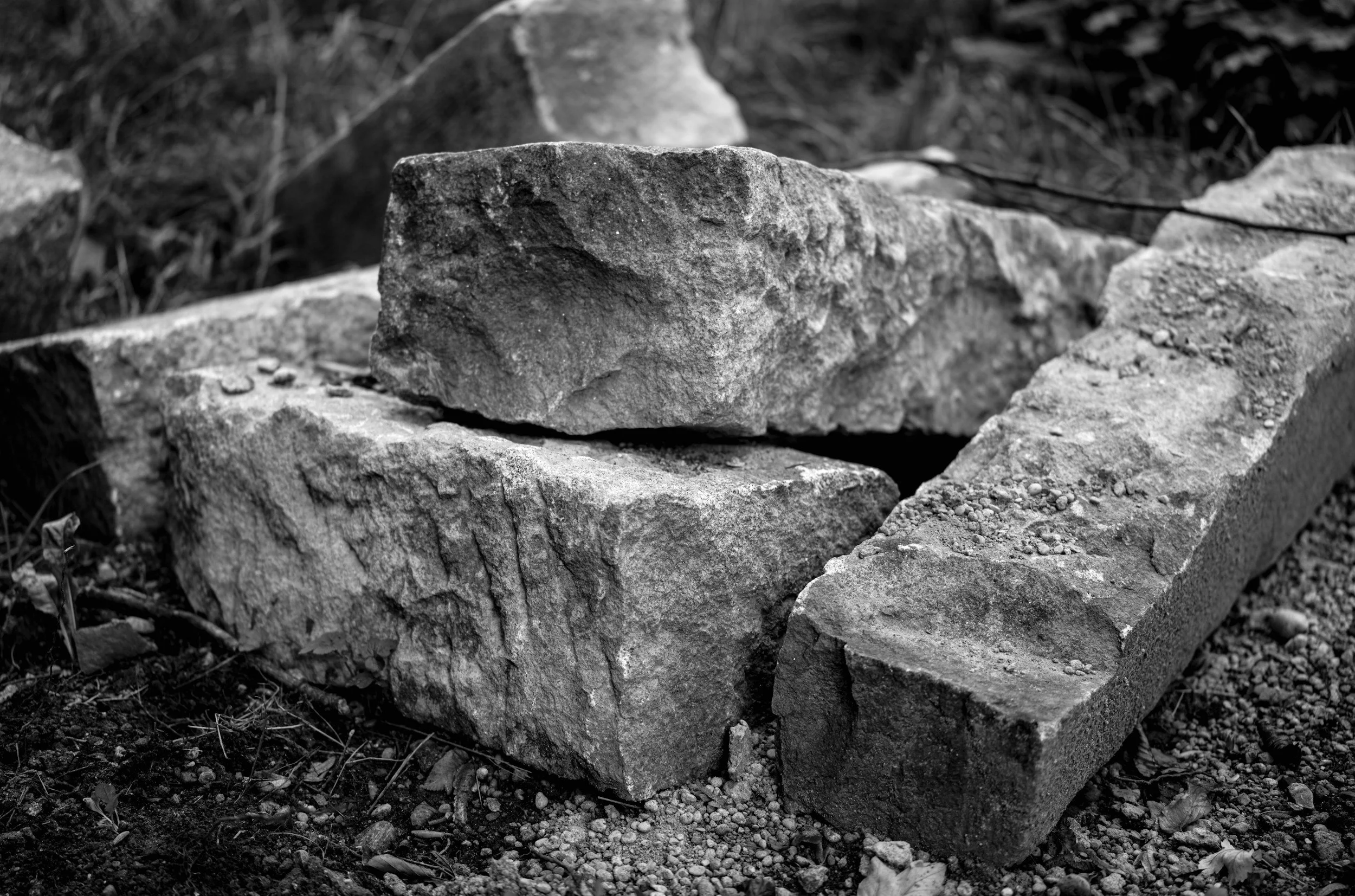
Rough and Perfect Ashlar: The Masonic Work of Self-Improvement
What do the rough and perfect ashlars mean in Freemasonry? This essay explains how stone, labor, discipline, and form become a powerful symbol of moral growth and self-improvement.
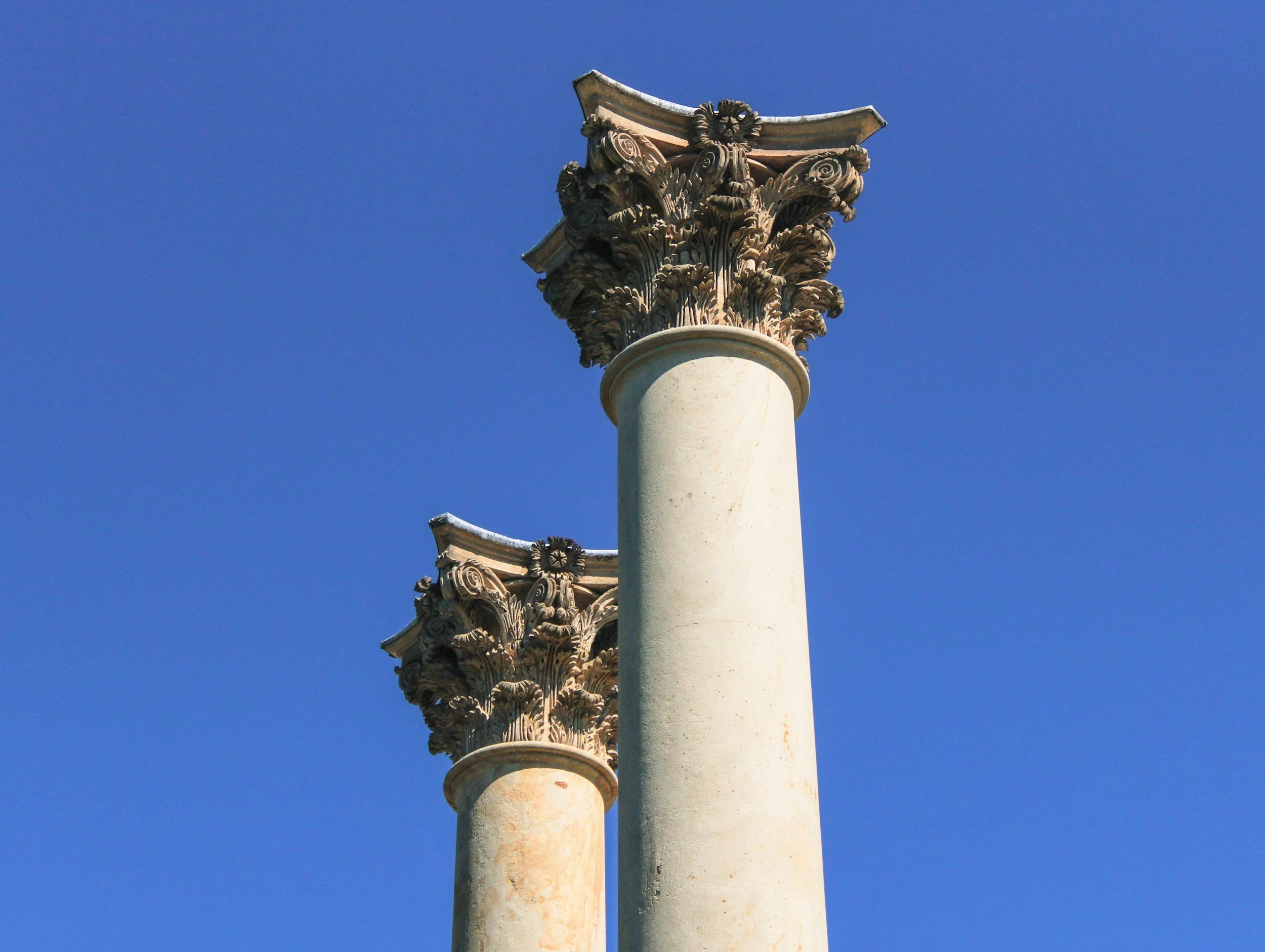
The Two Pillars: Strength, Established, and the Architecture of Meaning
What do the two pillars in Freemasonry symbolize? This essay explains how the pillars represent threshold, balance, support, and entry into ordered moral space.
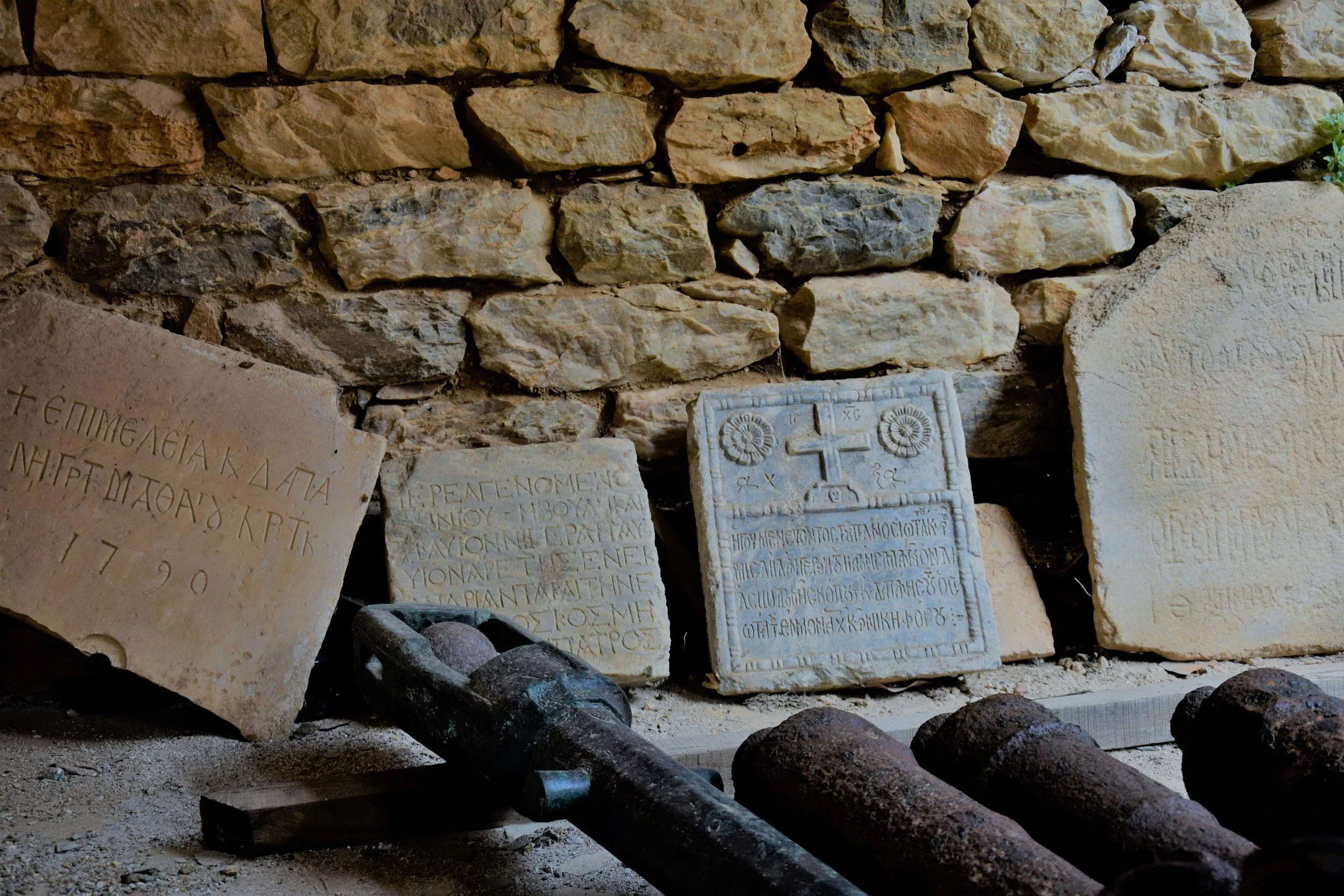
Why Masons Talk in Stones, Tools, and Symbols: From Working Tools to Inner Work
Why does Freemasonry teach through stones, tools, and symbols instead of plain statements? This essay explains how Masonic symbolism turns moral instruction into memory, practice, and inner work.
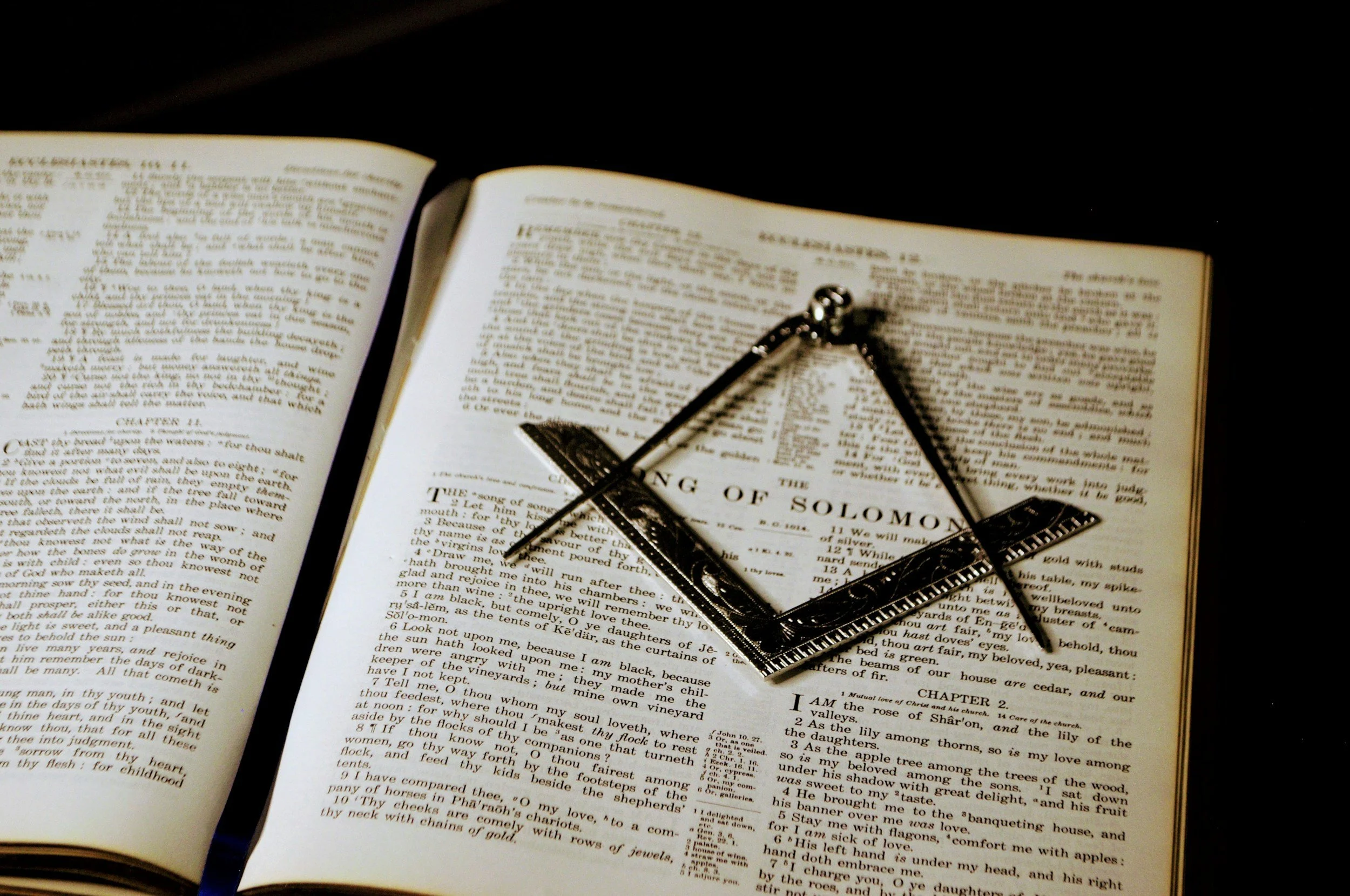
What Freemasonry Is: Ritual, Symbol, and Moral Formation
What is Freemasonry, really? This essay explains Freemasonry as a voluntary brotherhood that teaches through ritual, symbols, moral instruction, and shared forms of fellowship.