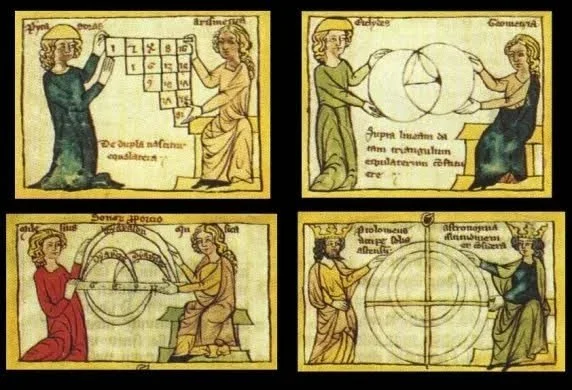
The Quadrivium and the Recovery of Order
The mathematical arts train the mind in number, proportion, harmony, and measure — reminding us that reality does not bend to appetite, fashion, or opinion.
Leisure Is Not Idleness
Leisure is not laziness or distraction. It is the inward freedom that makes contemplation, study, friendship, worship, and serious thought possible.
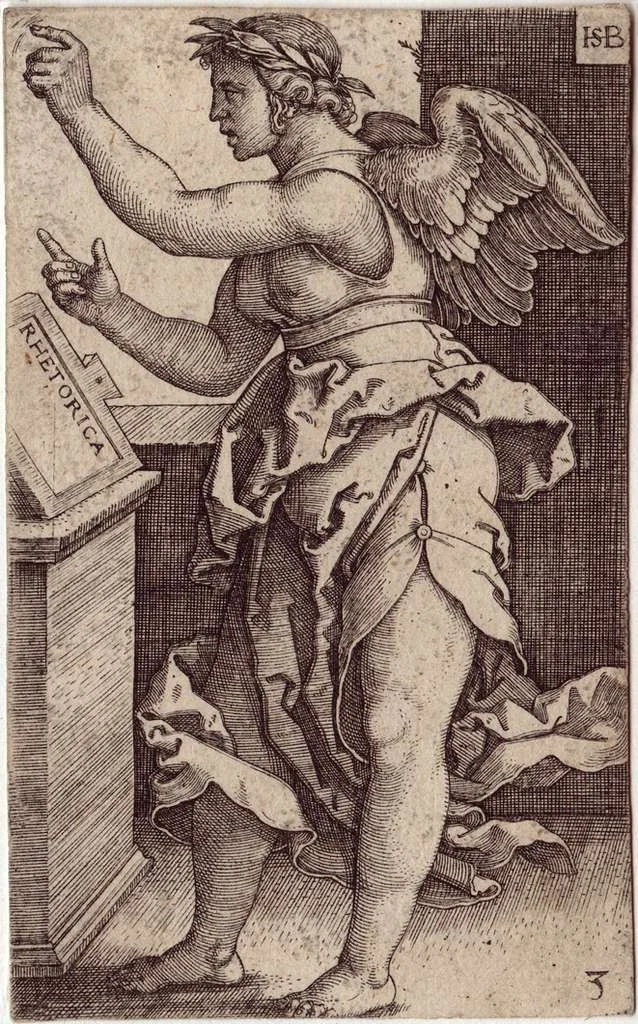
Rhetoric and the Responsible Tongue
Rhetoric can manipulate, but it can also discipline speech. The real question is whether persuasion is being used carelessly, theatrically, or in the service of truth.
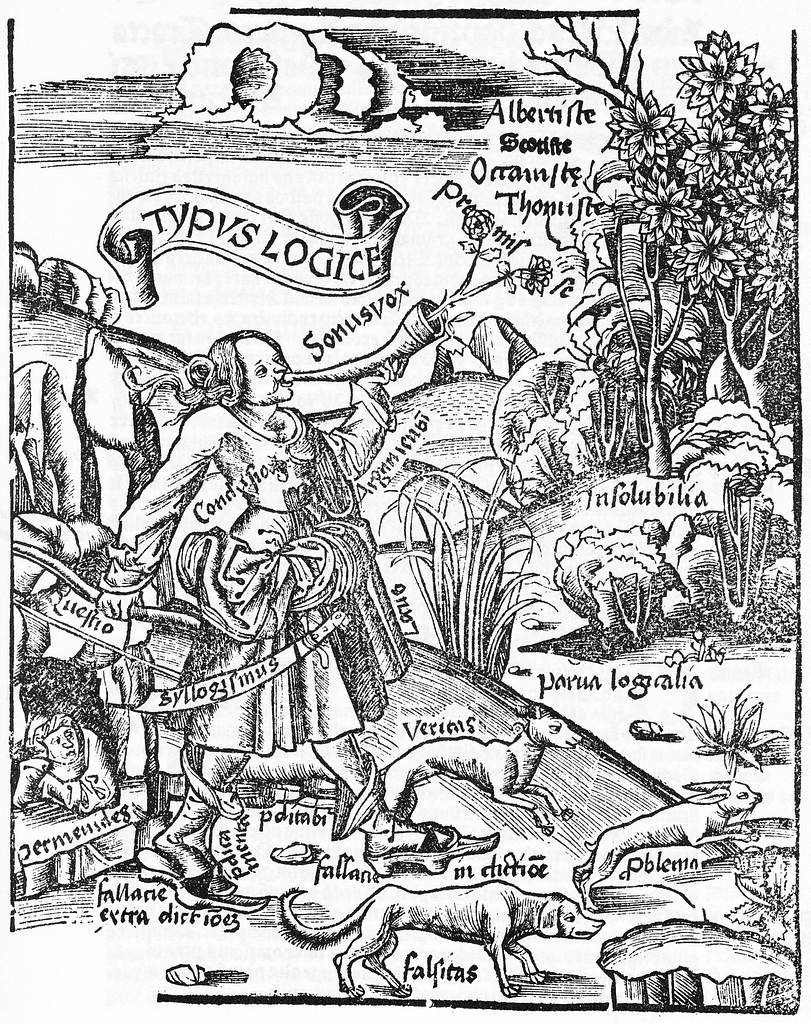
Logic Against the Lie
Logic does not make a man wise by itself, but it does make him harder to deceive, harder to manipulate, and less likely to confuse forceful assertion with truth.
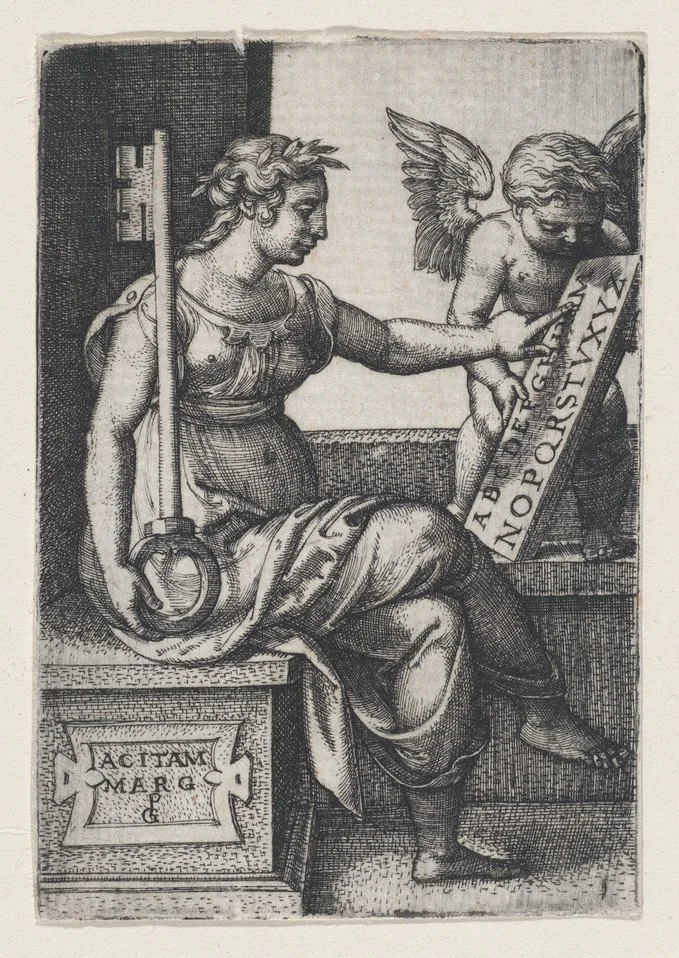
Grammar and the Moral Life
Grammar is more than correctness. It trains verbal honesty, close attention, and the kind of linguistic discipline without which clear thought and moral seriousness begin to erode.
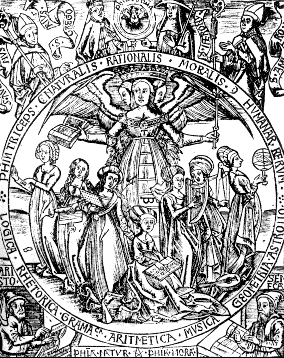
What the Liberal Arts Are For
Why the liberal arts were meant to form a free person — one capable of judgment, self-command, and truthfulness — rather than merely produce credentials or cultural polish.
The Liberal Mind and the Crowd
A twelve-part essay series on liberal education, inward freedom, and the Masonic work of becoming a man who can think clearly, judge honestly, and resist the pressures of the crowd.
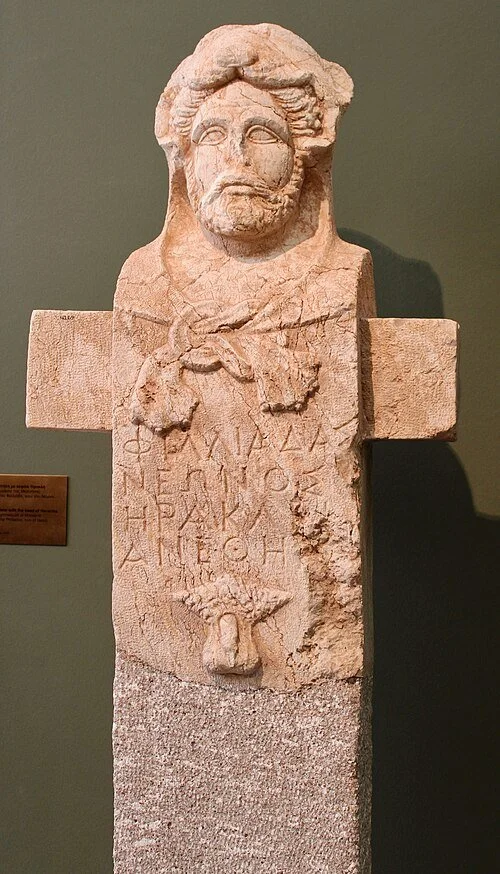
Hermes at the Crossroads
A six-part series on Greek Hermes, Hermes Trismegistus, Hermeticism, Greek education, early Christianity, Jewish and Kabbalistic traditions, and the shared human work of symbolic self-formation.
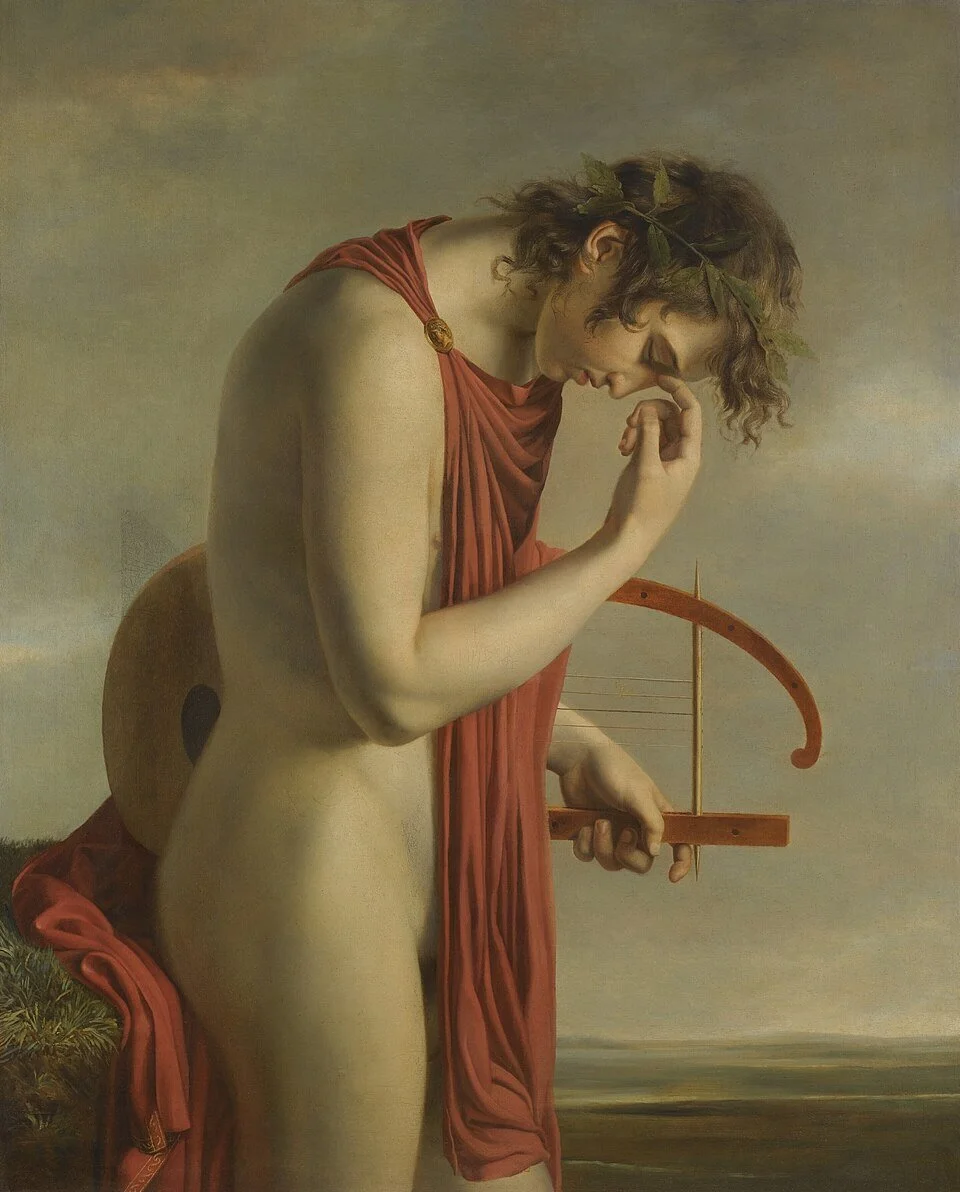
Don’t Look Back Yet
A six-part philosophical series on Orpheus and Eurydice: music, grief, descent, trust, memory, the soul, ancient Platonism, and the discipline of return.
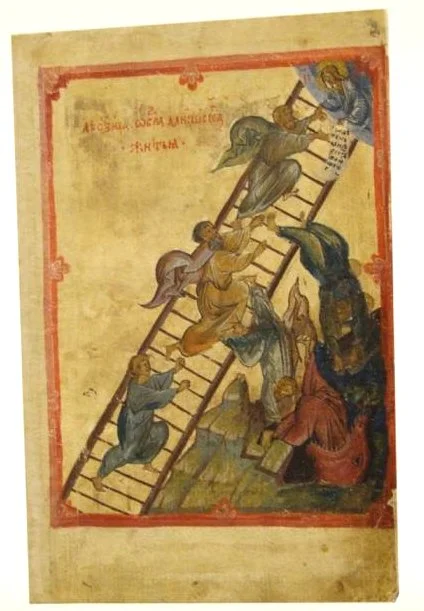
Love as a Ladder, Not a Trap
Desire begins by wanting to possess what is beautiful. Education teaches it to become worthy of beauty instead.
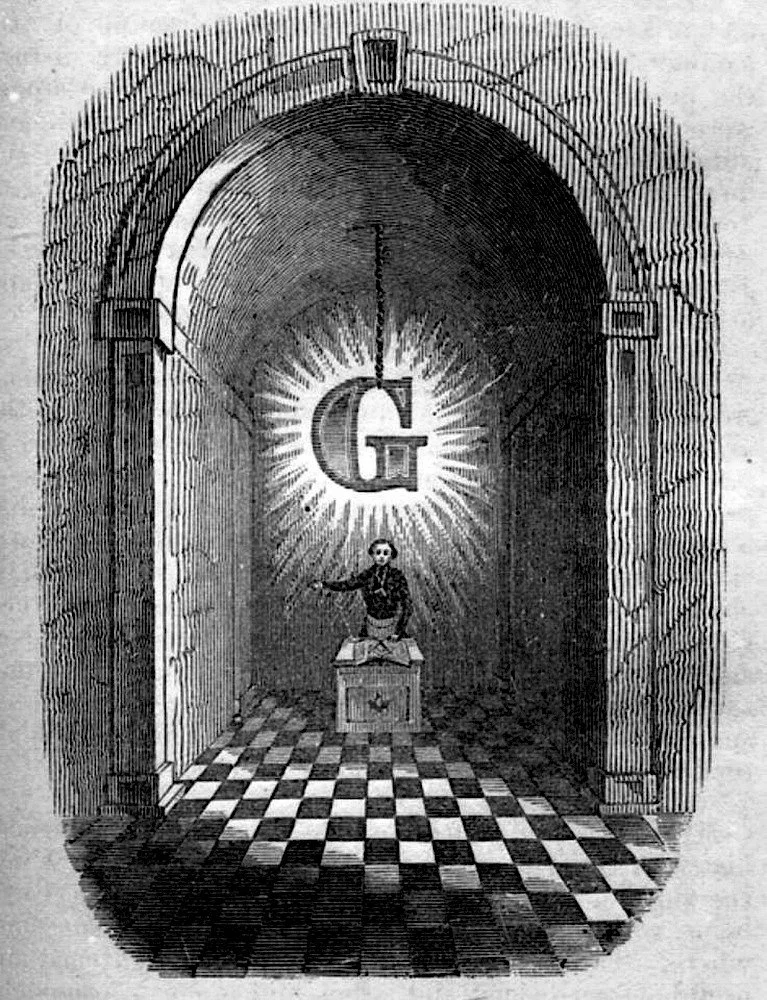
The Middle Chamber of the Mind
A staircase is not an education. But no education begins until a person admits that he has been standing on the lower floor.
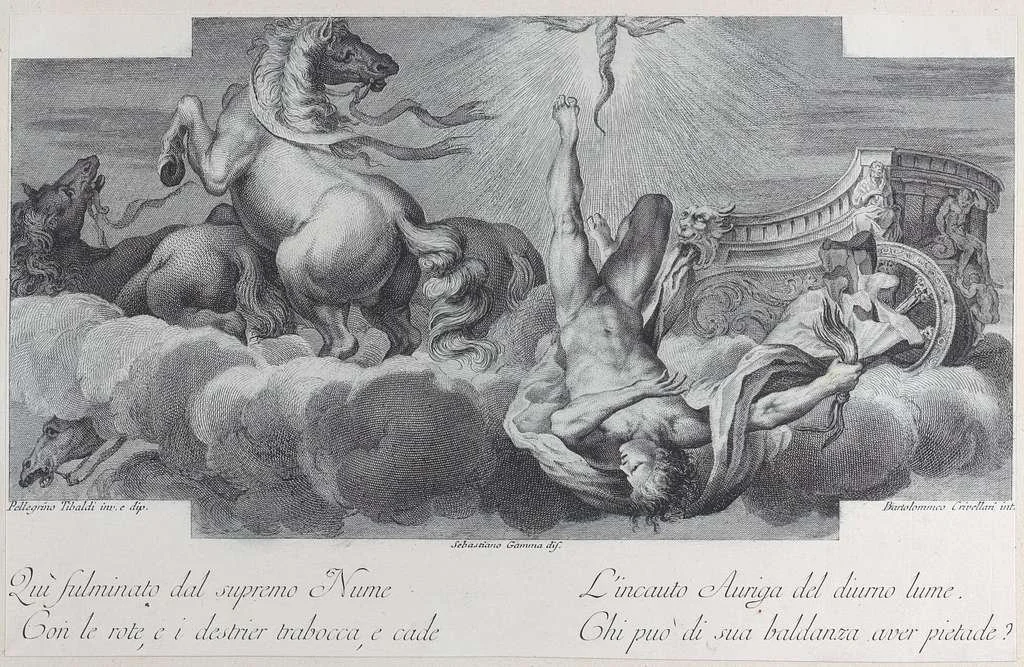
The Fall of the Chariot
The soul falls not because it is alive in a body, but because its powers cease to move together. Recovery begins when it stops mistaking confusion for fate.

Why the Soul Has Wings
Beauty can make a person want to possess. It can also make him remember. Plato’s question is whether he can learn the difference.
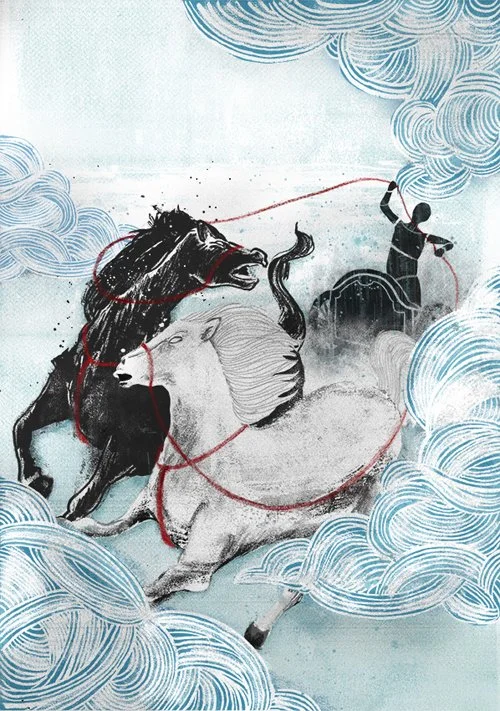
The Black Horse Is Not the Enemy
Discipline is not the murder of desire. It is the education of desire until it can pull in the same direction as the soul.
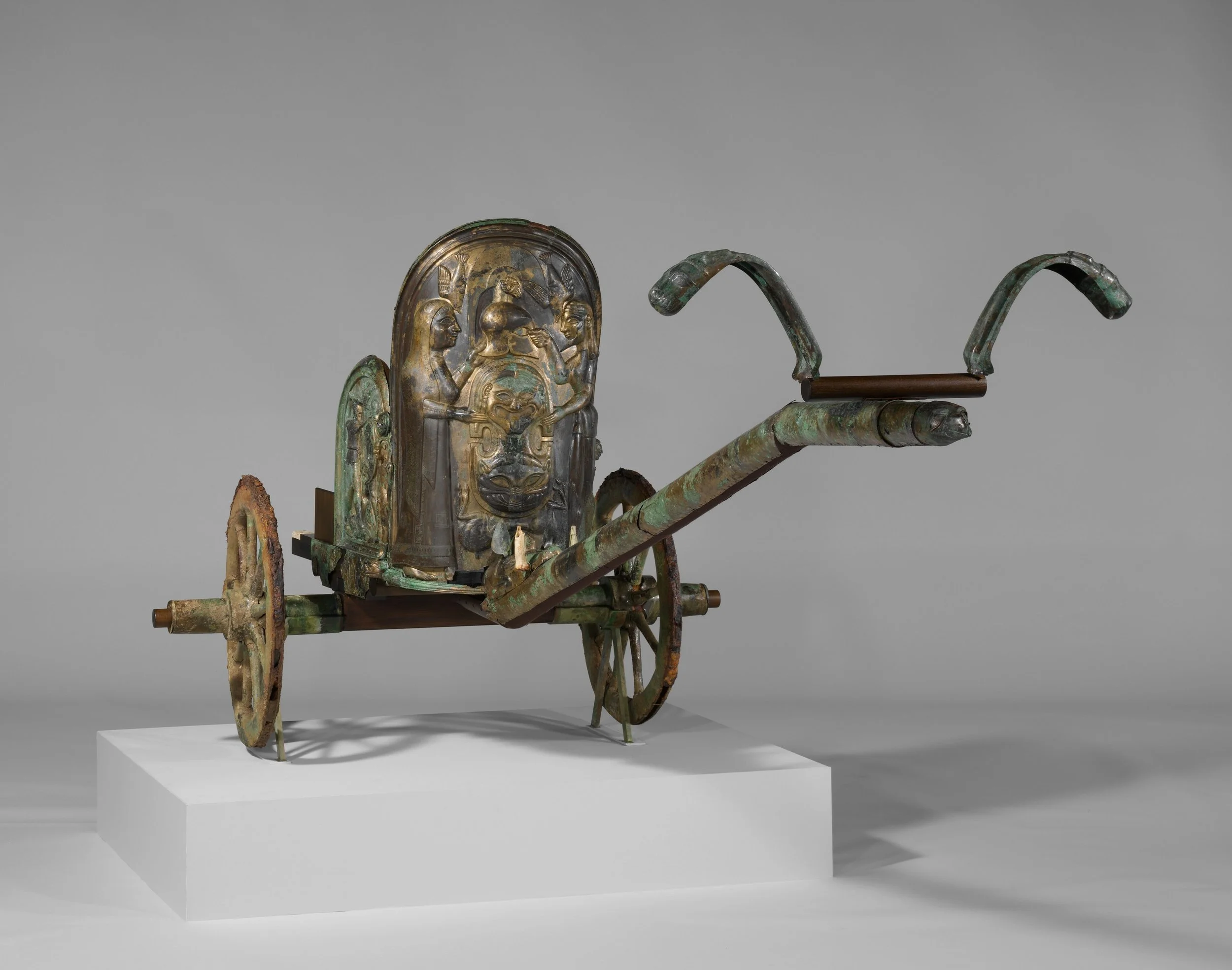
The Chariot Is Not a Car
Plato’s chariot has one driver and two horses. That is not a transportation problem. It is a picture of what it feels like to be human.
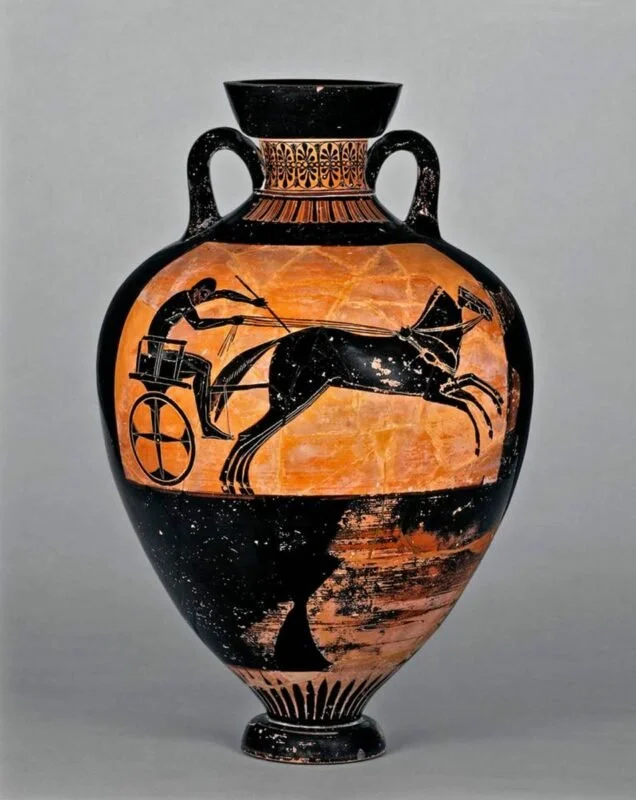
The Chariot Within
A six-part series on Plato’s winged chariot, desire, beauty, moral education, the liberal arts, and the soul’s ascent—read through Plato, Hermias, and a careful Masonic lens.
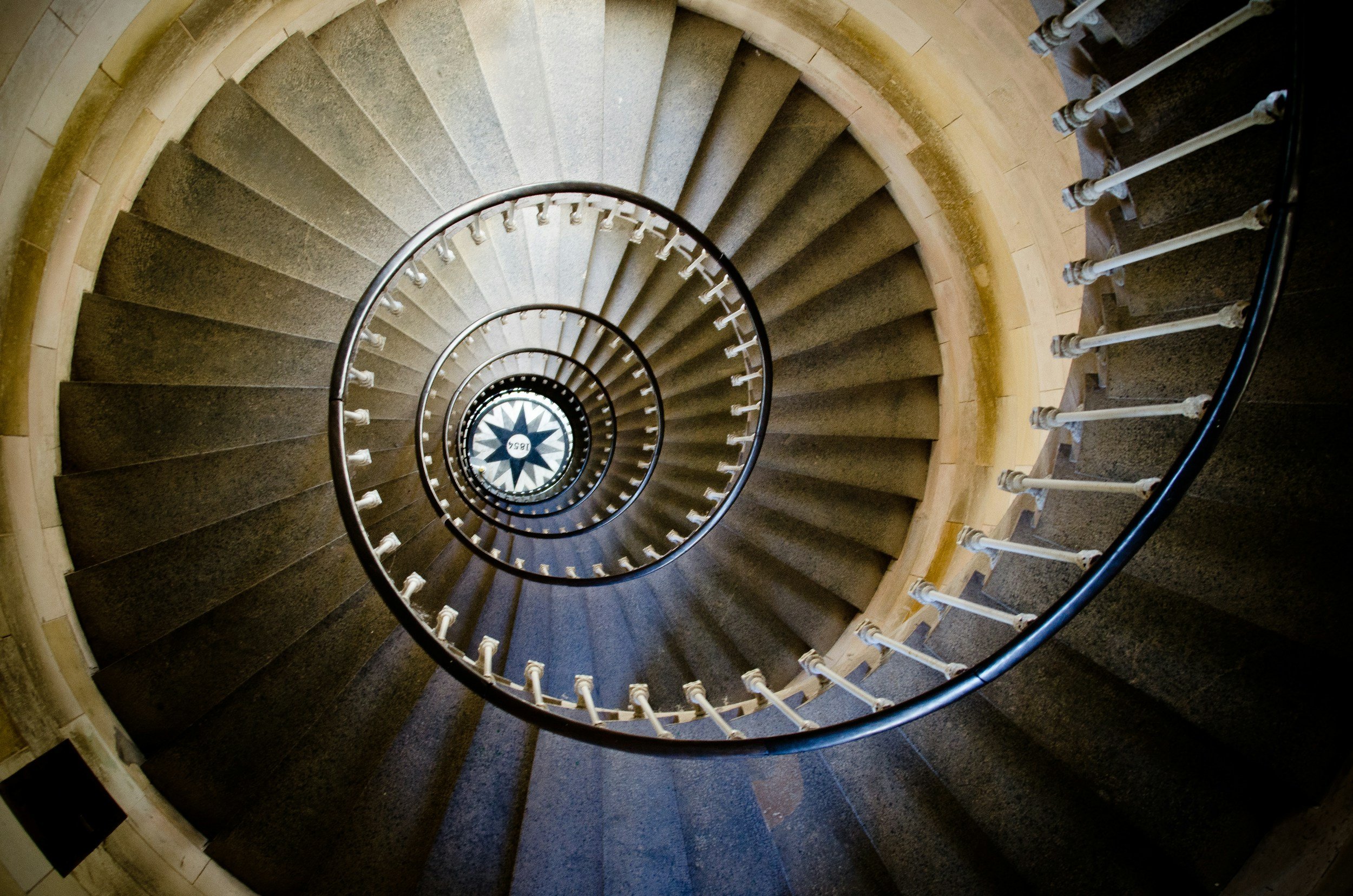
The Middle Chamber of the Mind
A staircase is not an education. But no education begins until a man admits that he has been standing on the lower floor.