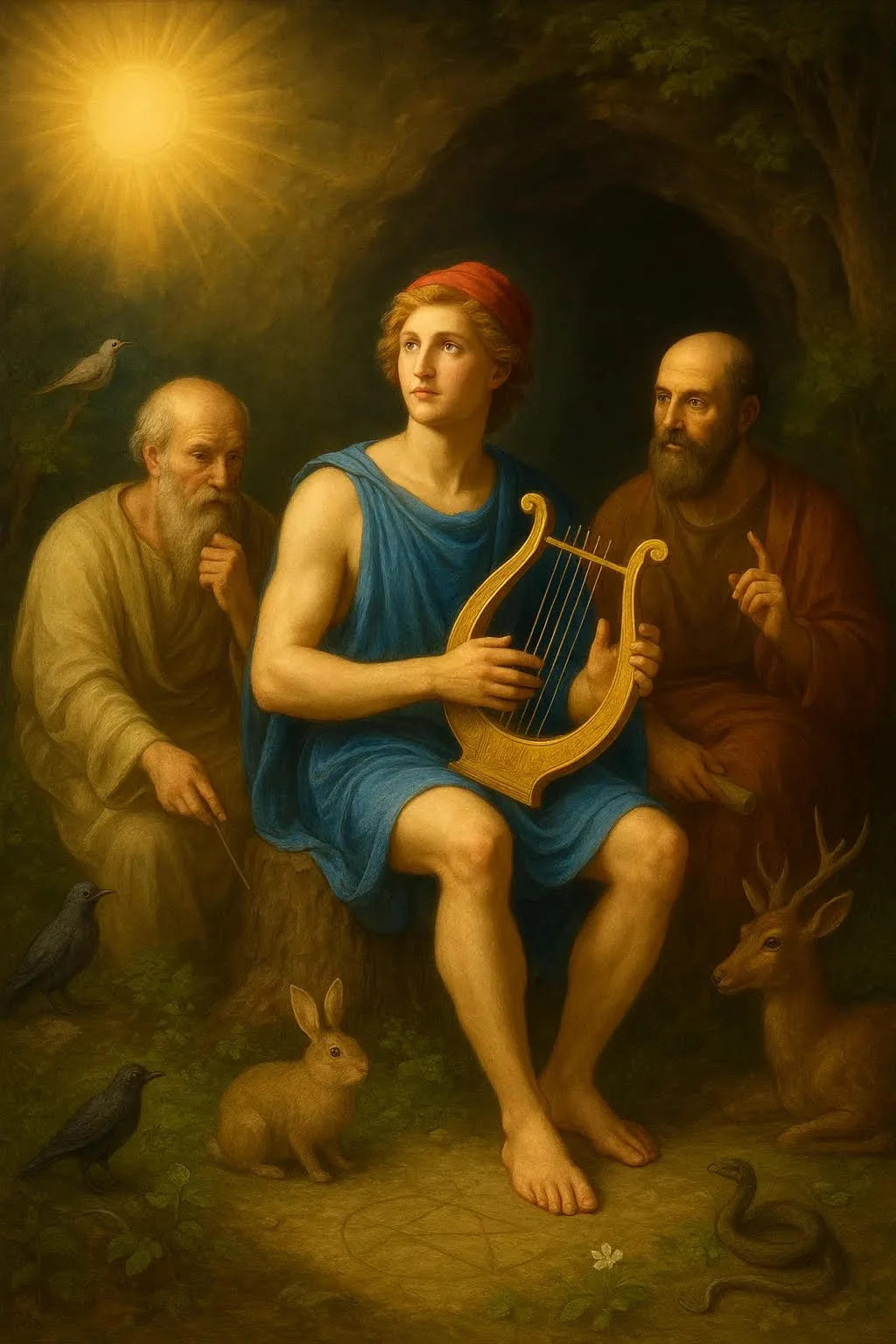
Orpheus, Plato, and the Afterlife
Orpheus became a name under which Greeks imagined the soul’s long journey. But a name is not a single doctrine, and a mystery is not improved by pretending it was simple.
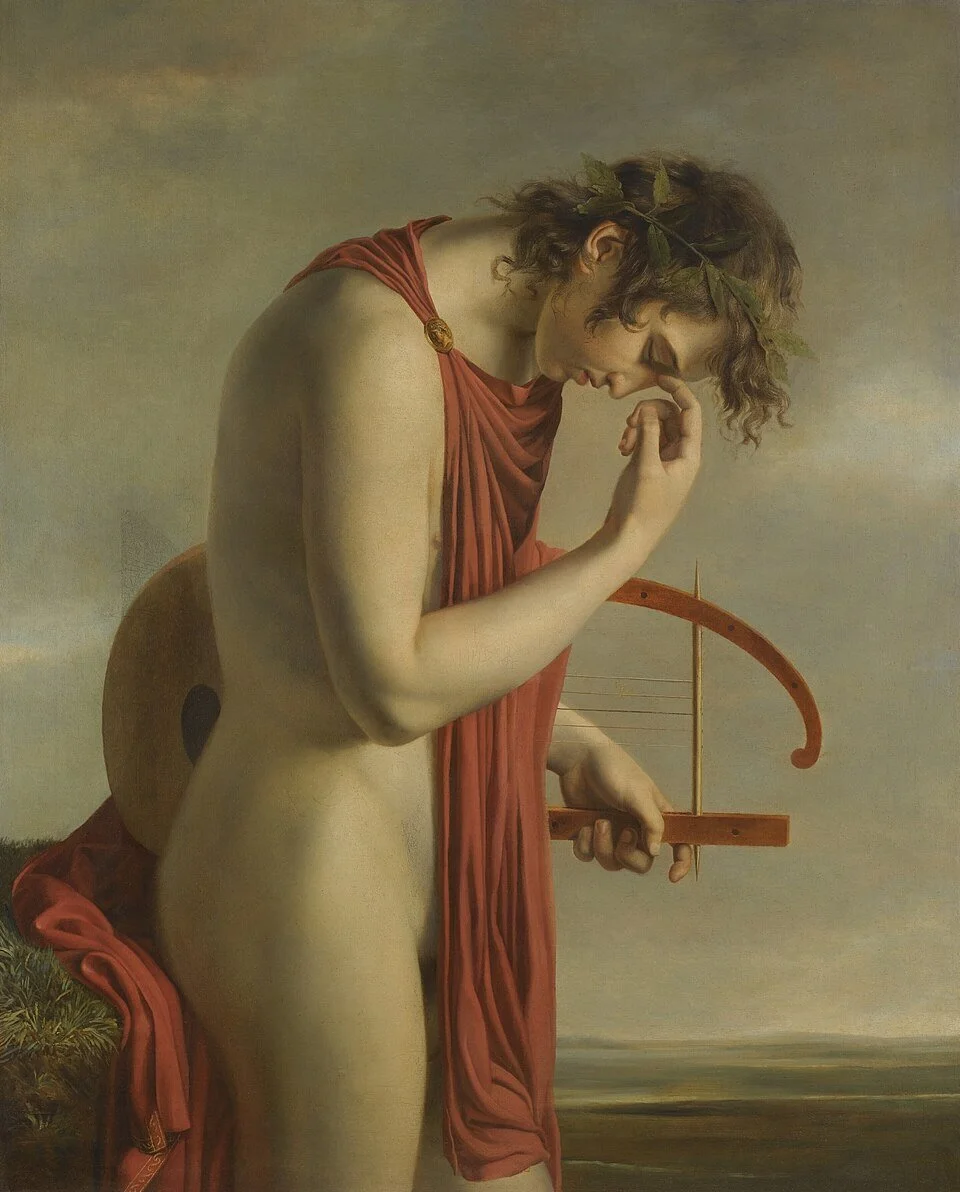
Don’t Look Back Yet
A six-part philosophical series on Orpheus and Eurydice: music, grief, descent, trust, memory, the soul, ancient Platonism, and the discipline of return.
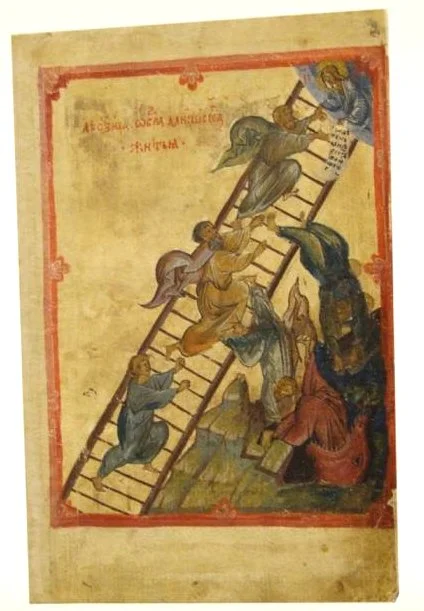
Love as a Ladder, Not a Trap
Desire begins by wanting to possess what is beautiful. Education teaches it to become worthy of beauty instead.
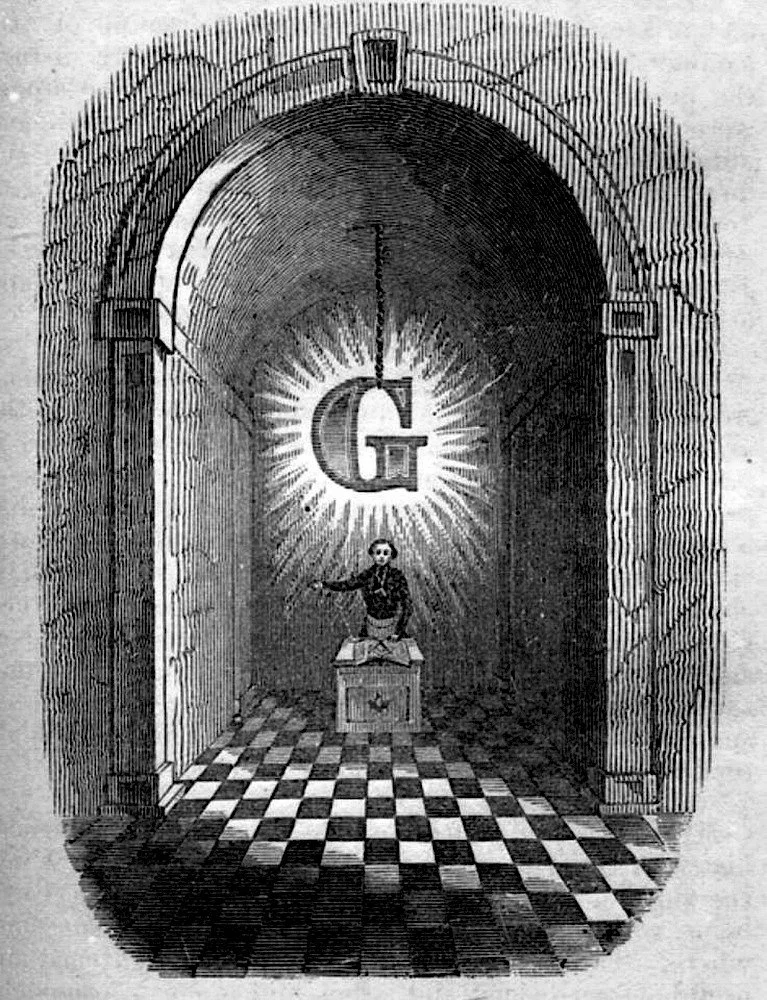
The Middle Chamber of the Mind
A staircase is not an education. But no education begins until a person admits that he has been standing on the lower floor.
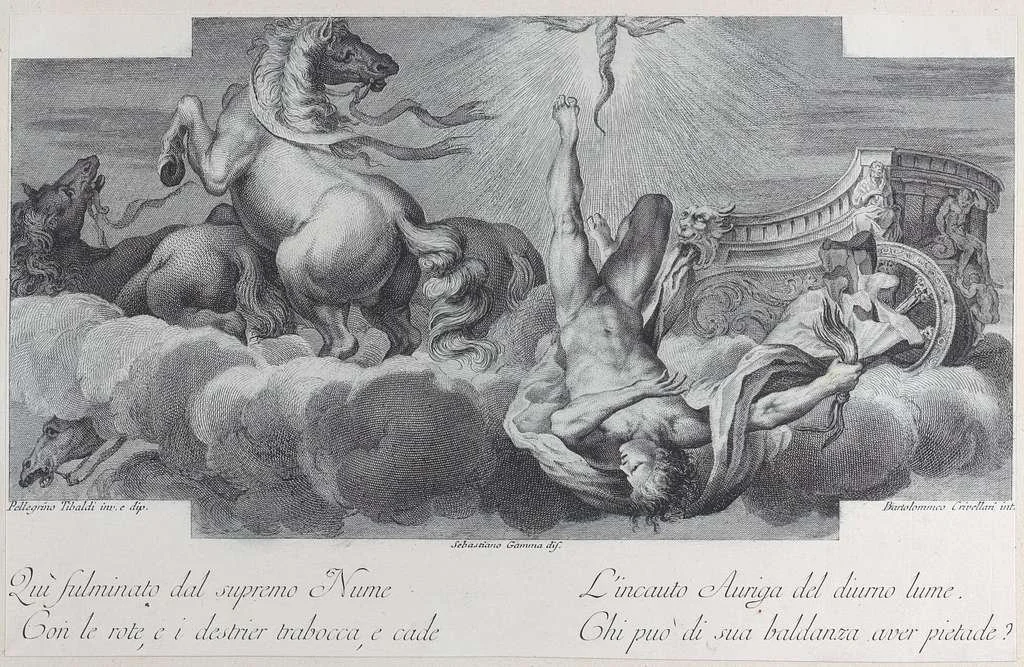
The Fall of the Chariot
The soul falls not because it is alive in a body, but because its powers cease to move together. Recovery begins when it stops mistaking confusion for fate.
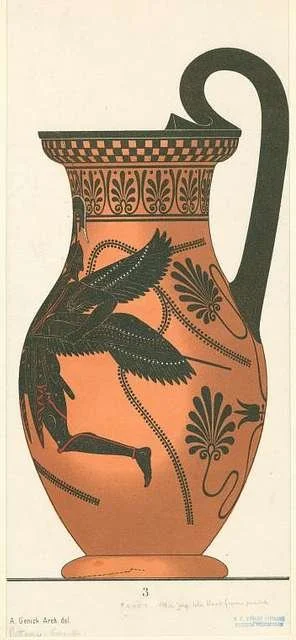
Why the Soul Has Wings
Beauty can make a person want to possess. It can also make him remember. Plato’s question is whether he can learn the difference.
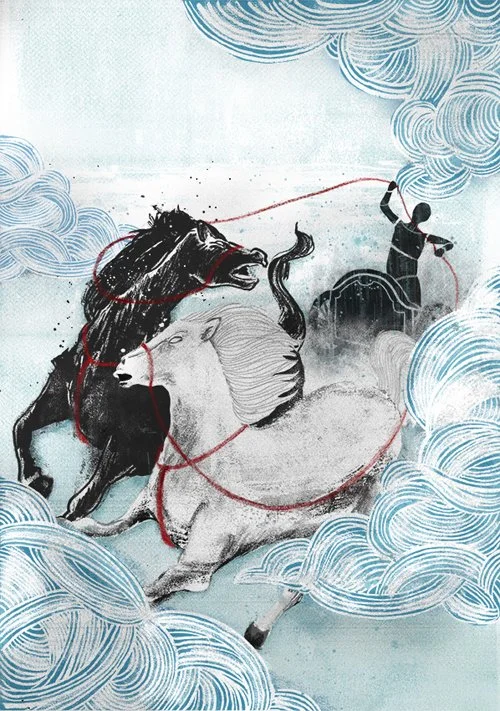
The Black Horse Is Not the Enemy
Discipline is not the murder of desire. It is the education of desire until it can pull in the same direction as the soul.
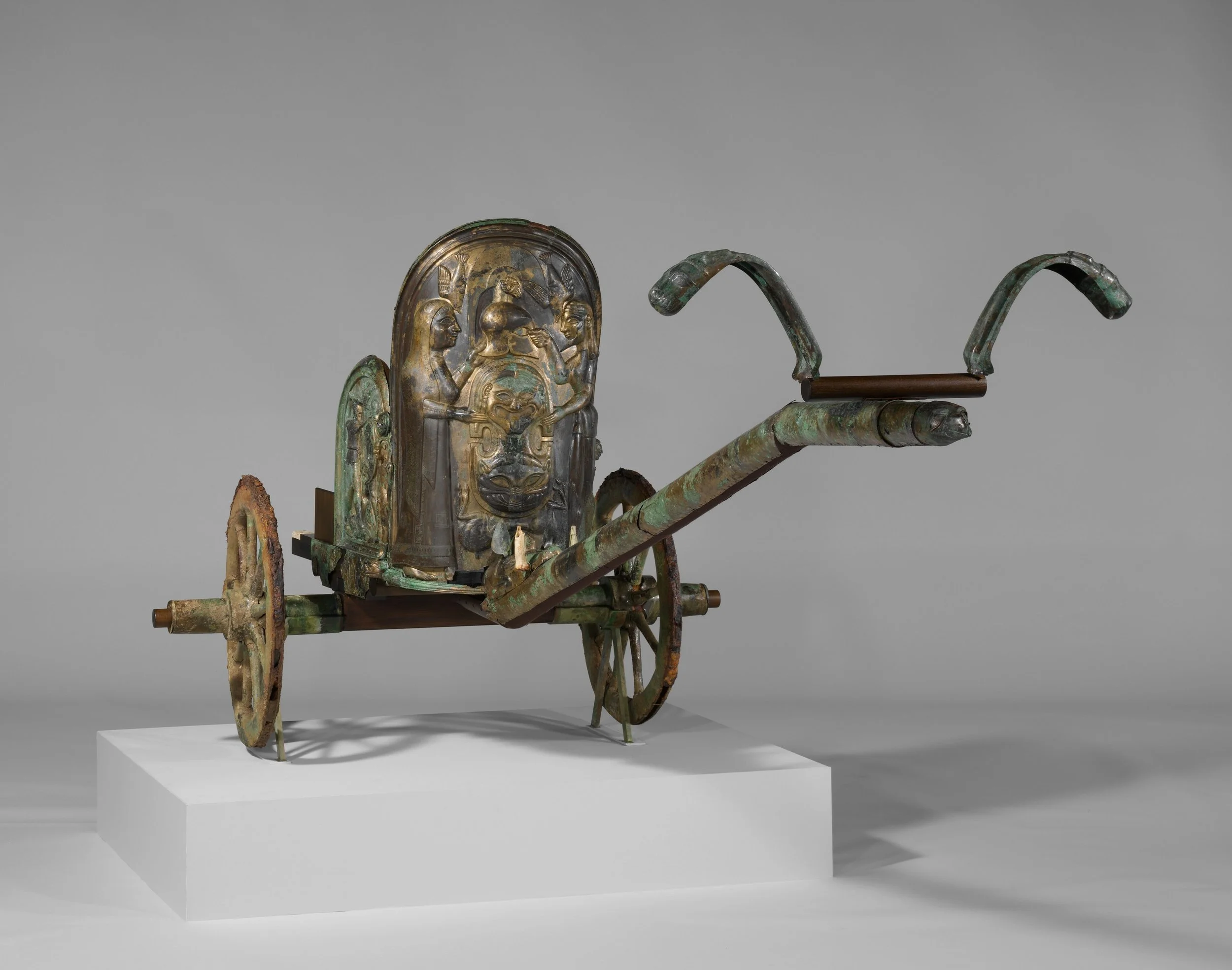
The Chariot Is Not a Car
Plato’s chariot has one driver and two horses. That is not a transportation problem. It is a picture of what it feels like to be human.
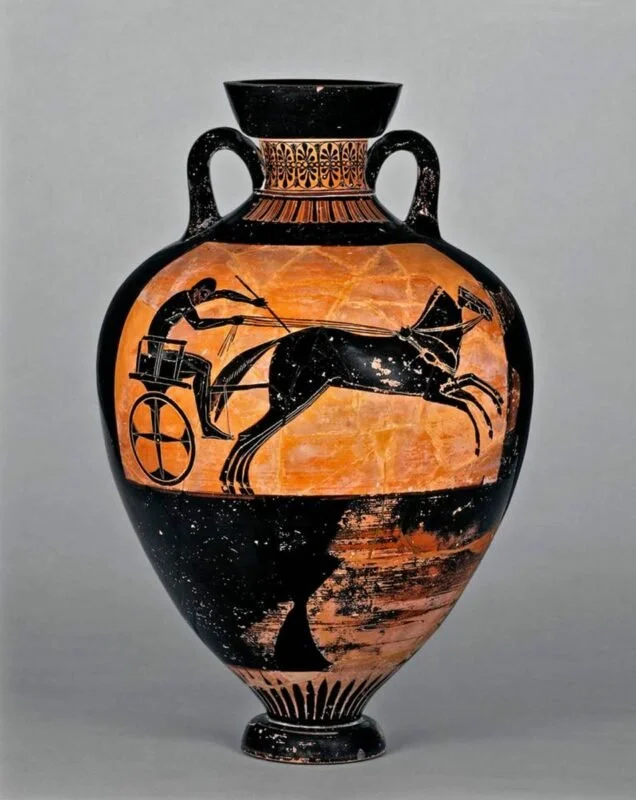
The Chariot Within
A six-part series on Plato’s winged chariot, desire, beauty, moral education, the liberal arts, and the soul’s ascent—read through Plato, Hermias, and a careful Masonic lens.
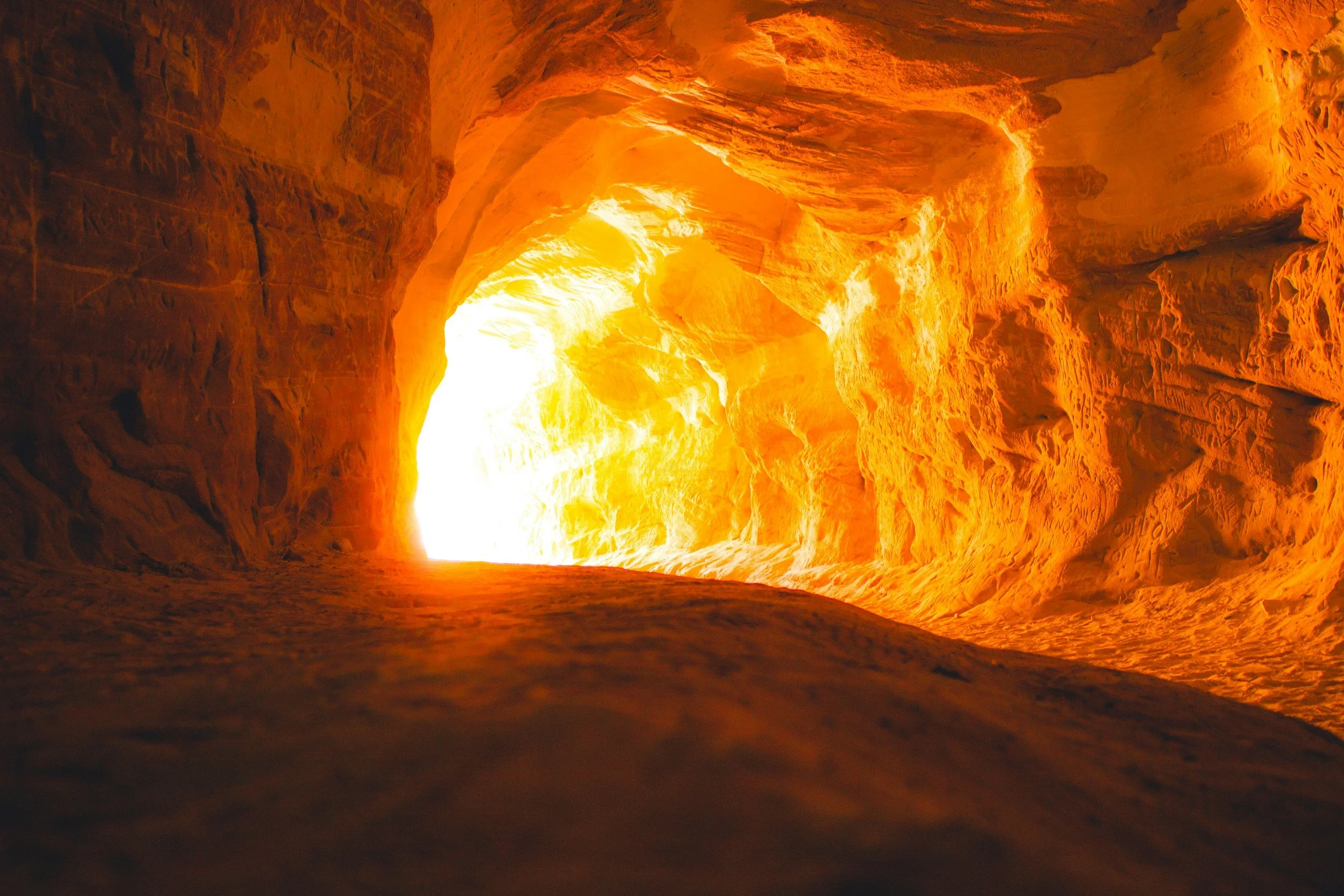
The Two Caves and the Work of Light
What do Plato’s Cave and Porphyry’s Cave of the Nymphs have to do with Freemasonry? This essay explores Masonic Light, self-knowledge, symbolism, and the daily work of learning to see clearly.
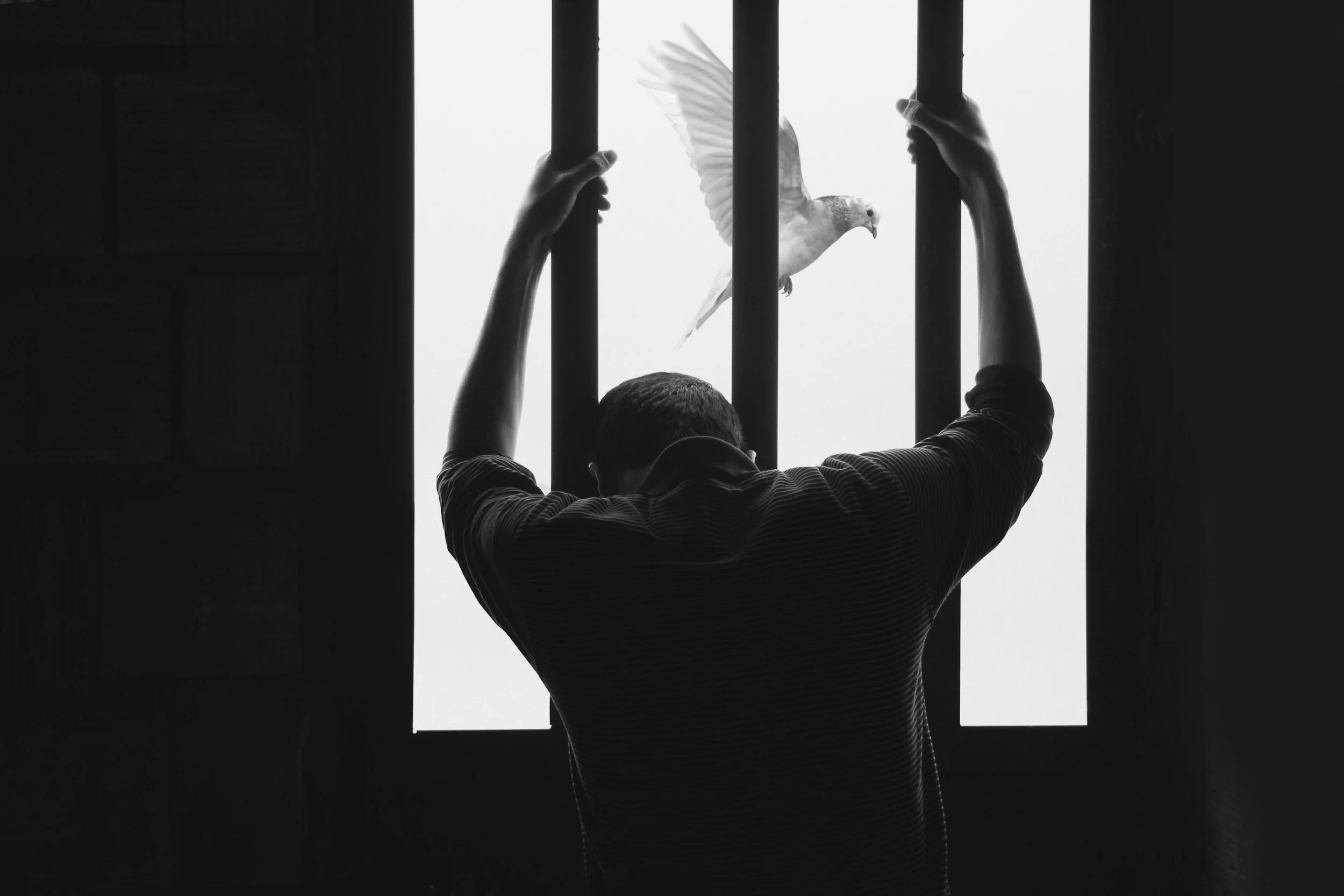
Why the Prisoner Must Return
The sun is not a private possession. If it does not change how a man behaves in the cave, he has only taken a scenic walk.

The Sun Is Not a Brighter Shadow
The first light a man sees after darkness may still be only a fire behind him. Plato’s Cave asks whether we seek truth—or simply a more flattering version of the shadows.