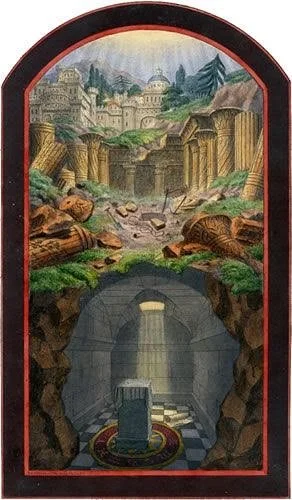
Why Freemasonry Keeps Acquiring Ancient Ancestors
Why does Freemasonry keep acquiring ancient ancestors? Explore how Solomon’s Temple, Egyptian wisdom, mystery cults and Templar legends became part of its identity—and why symbolic inheritance is not proof of historical descent.
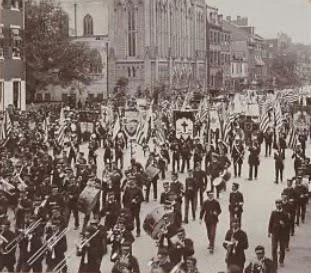
The Templars, Chivalry, and the Masonic Imagination
Did the Knights Templar become the Freemasons? Explore how Crusader legends, chivalric rituals and claims of hidden succession shaped Masonic identity—and why adopting Templar symbols does not prove descent from the medieval order.
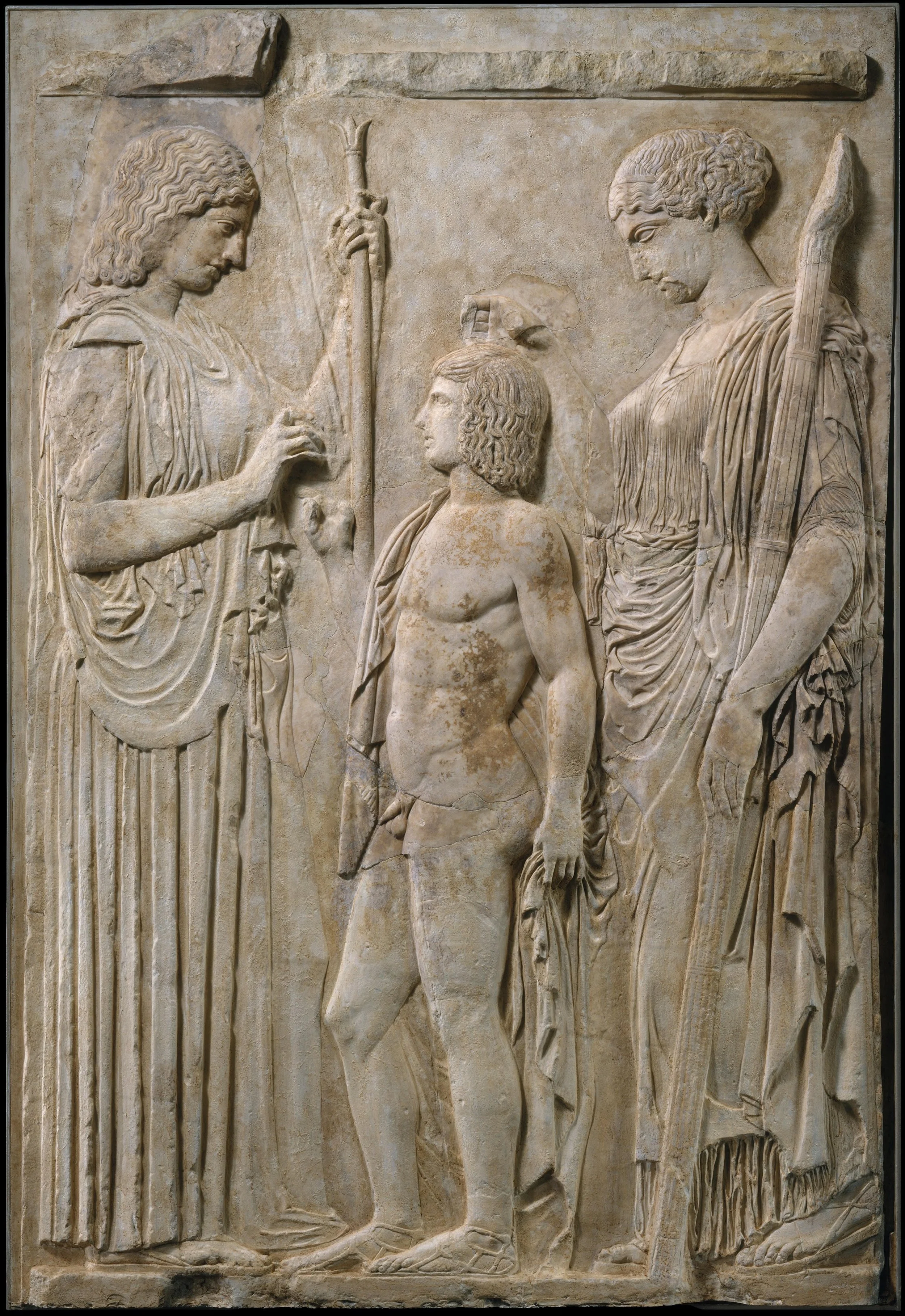
Did Freemasonry Descend From the Ancient Mysteries?
Did Freemasonry descend from the ancient mystery cults? Explore how Masonic writers linked lodge initiation to Eleusis, Isis and Mithras—and why parallels, borrowing and revival do not establish an unbroken ancient lineage.
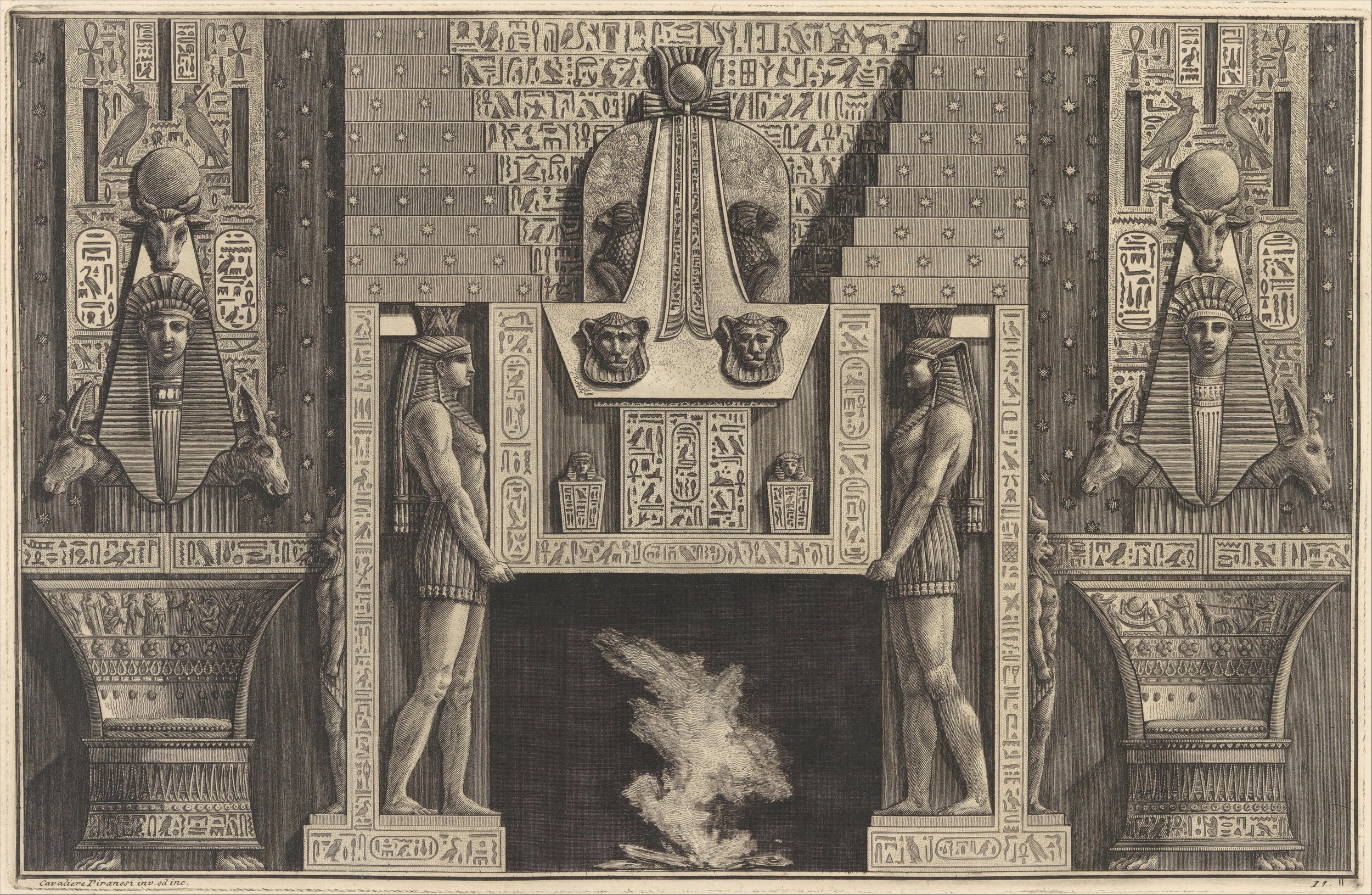
Why Freemasons Looked to Ancient Egypt
Why did Freemasons look to ancient Egypt for wisdom, symbols and a sense of ancestry? Explore how Enlightenment scholarship, fictional initiations and Egyptian revival architecture shaped Masonic culture—without proving descent from Egypt’s ancient priesthoods.
How Freemasonry Wrote Its Ancient History
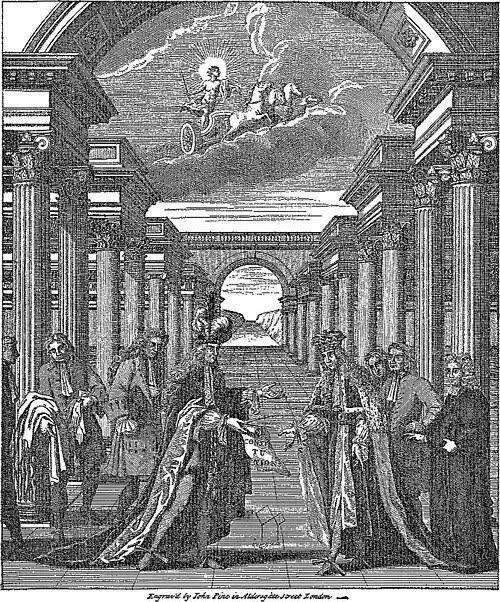
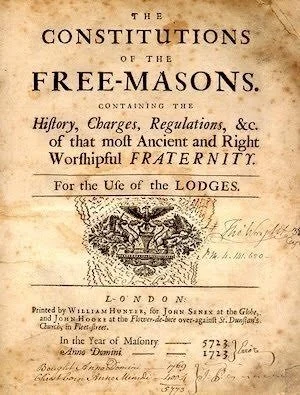
In 1723, James Anderson helped give Freemasonry a printed ancient past. Explore how the Old Charges, biblical genealogy and the authority of print shaped the fraternity’s identity—and why an institutional origin story is not proof of historical descent.
Where Did Freemasonry Come From?
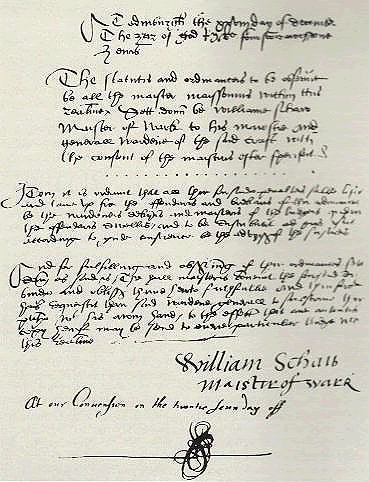
Freemasonry did not begin all at once in 1717. Its roots lie in medieval building guilds, Scottish lodge records, early ritual texts, and the later rise of Grand Lodge organization. This article traces how those strands came together, and why Freemasonry came to imagine itself as far older than its modern institutions.
More Light
Start here to explore Freemasonry’s origins and the ancient ancestors it claimed. This eight-part series follows Solomon’s Temple, Egyptian wisdom, mystery cults, Templar legends and occult interpretations—separating documented history from symbolic inheritance.