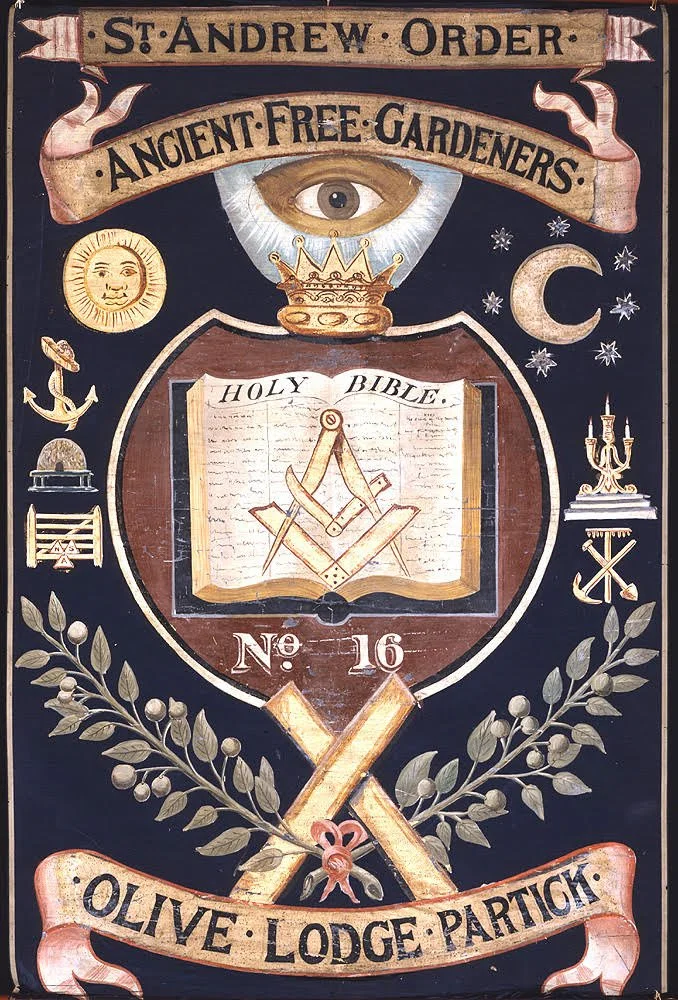
Same Apron, Different Animal
A fraternal pin, apron, or badge can point to several different organizations—not all of them Masonic. Same Apron, Different Animal explains how to distinguish lodges, service clubs, benefit societies, and esoteric orders, with a practical guide to researching objects found in family collections.
The Other Mysteries
Explore the Golden Dawn, O.T.O., Rosicrucian traditions, and Theosophy in metropolitan New York. The Other Mysteries distinguishes documented history from lineage claims and explains how to investigate possible Queens connections through correspondence, publications, membership records, and archives.
In the Mother Tongue
Explore how language, migration, and ethnicity shaped the immigrant societies connected with Queens. With German-speaking New York as its leading case, In the Mother Tongue follows singing societies, benefit orders, and cultural institutions—and explains how to trace them through newspapers, cemetery records, and archives.
Mrs. John and the Committee on Refreshments
Discover the women behind Queens’ fraternal institutions—not only as volunteers, but as officers, organizers, fundraisers, and policyholders. This article explores Eastern Star chapters, auxiliaries, and women’s benefit societies, with practical guidance for tracing their members through newspapers, family papers, and archives.
Council and Parish
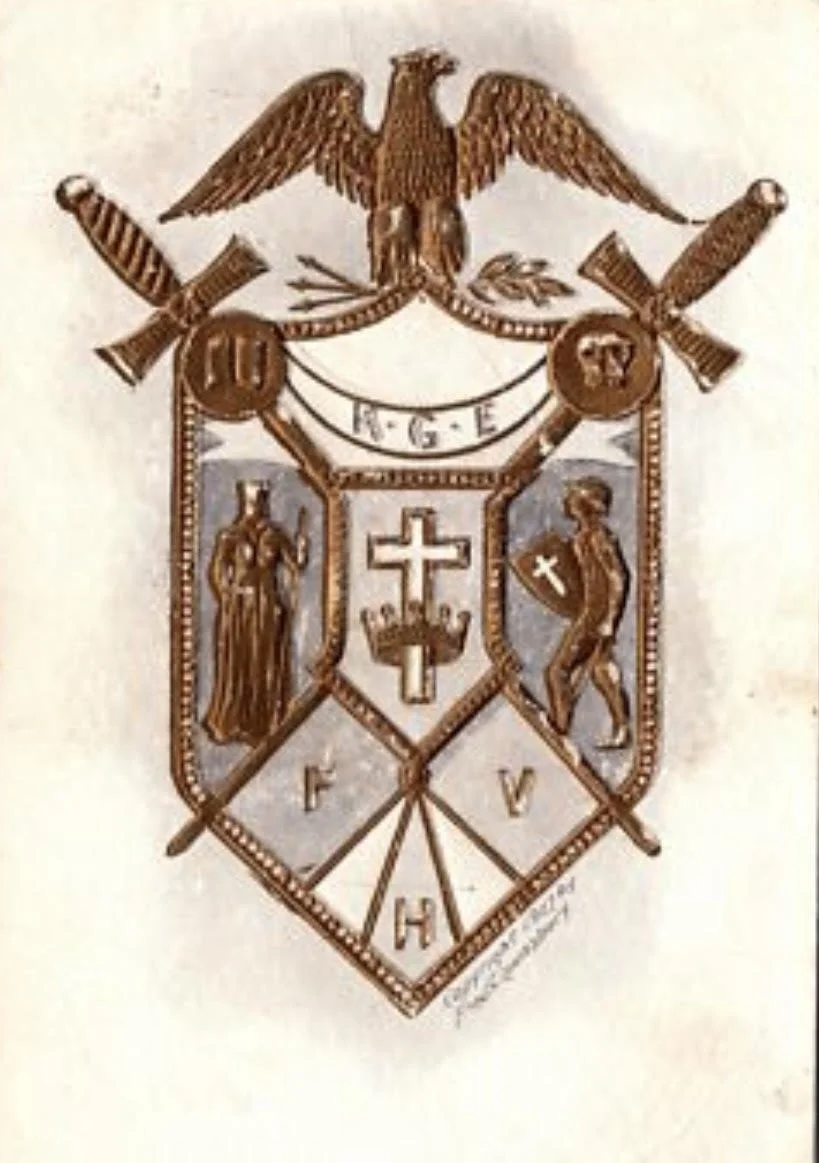
Explore the Knights of Columbus and Catholic civic life in Queens through councils, parishes, charity, and financial protection. Council and Parish explains the order’s origins, distinguishes related Catholic organizations, and shows how to trace membership through parish records, newspapers, and family papers.
The Weekly Lunch
Discover Rotary, Lions, and the service-club tradition in Queens. The Weekly Lunch explores how fellowship, occupational connections, and public service shaped club life—and how to research local members, charitable projects, and the changing boundaries of membership.
The Other Brotherhoods
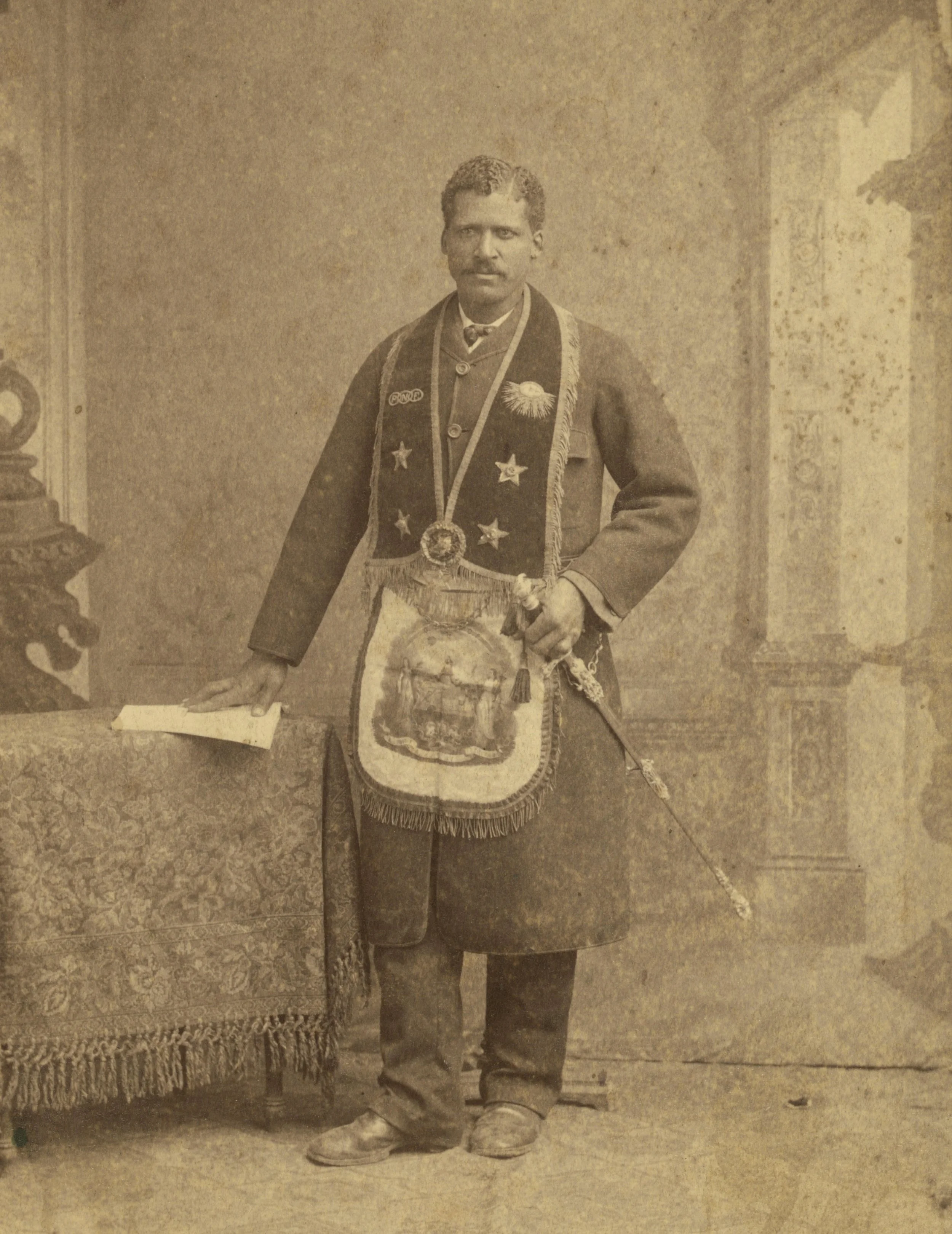
Explore the Odd Fellows, Knights of Pythias, Royal Arcanum, Elks, Moose, and Knights of the Golden Eagle—and the questions their histories raise for Queens. The Other Brotherhoods examines mutual aid, insurance, membership boundaries, and how to identify fraternal connections in family papers and local records.
Raised in Queens
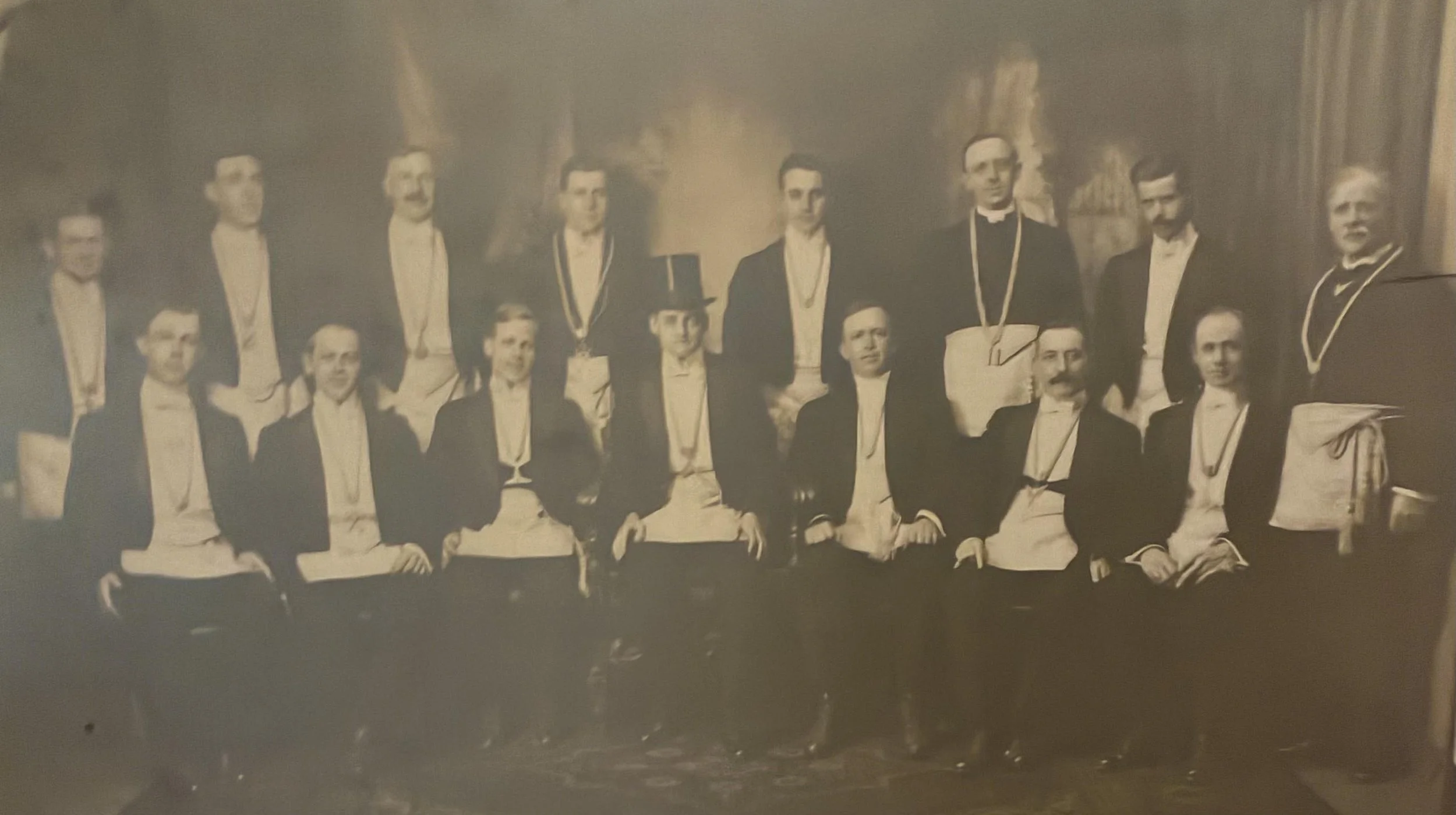
Explore Freemasonry in Queens through its lodges, meeting halls, rituals, and surviving records. Raised in Queens explains the three Masonic degrees, Prince Hall Freemasonry, the boundaries of membership, and how to trace Masonic connections in family and neighborhood history.
More Than a Meeting Night
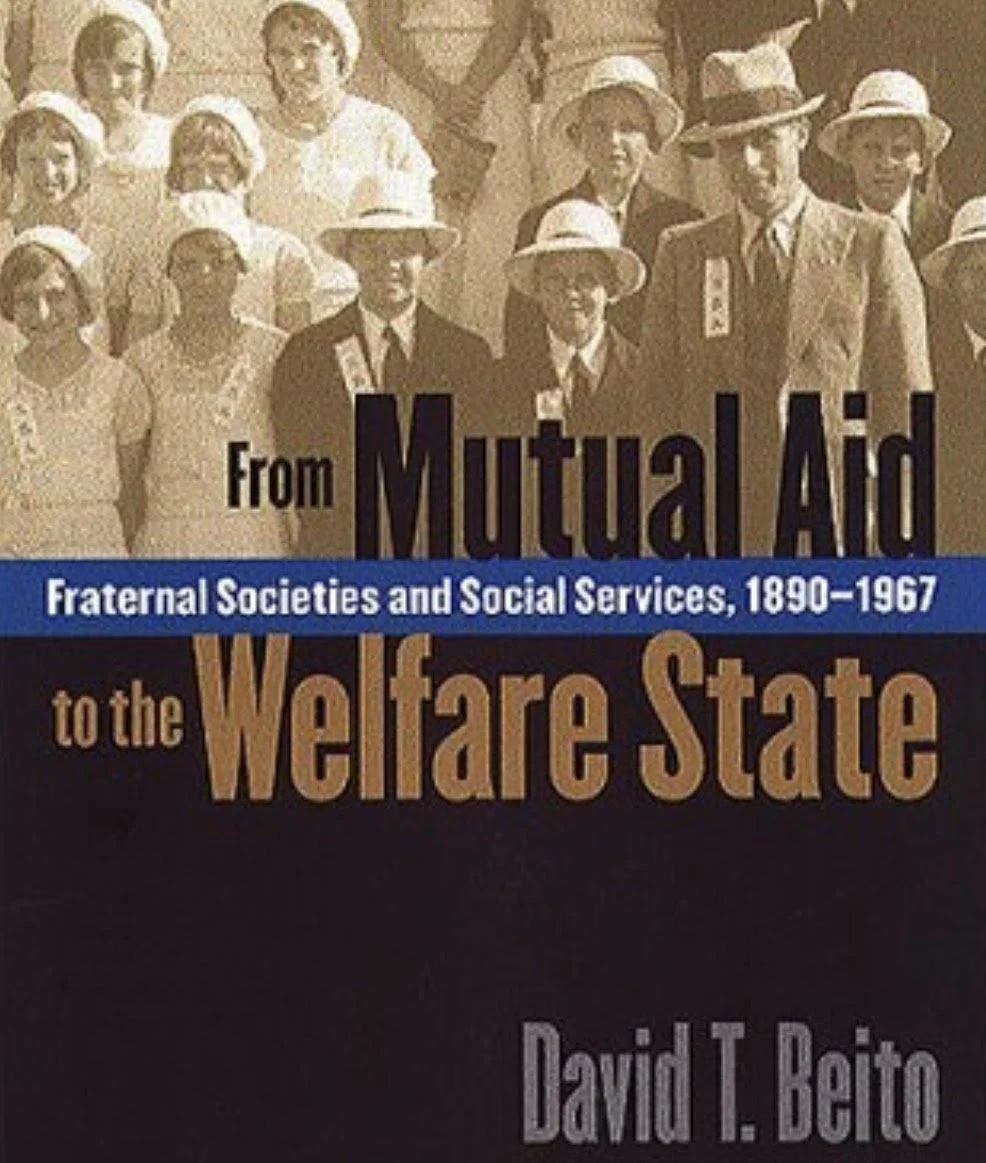
Queens history includes more than bridges, railroads, and housing developments. Discover why lodges, fraternities, and service clubs belong in the borough’s story—and how halls, benefit records, funeral notices, and membership papers can reveal their roles in neighborhood life.
The Lodges That Built Queens
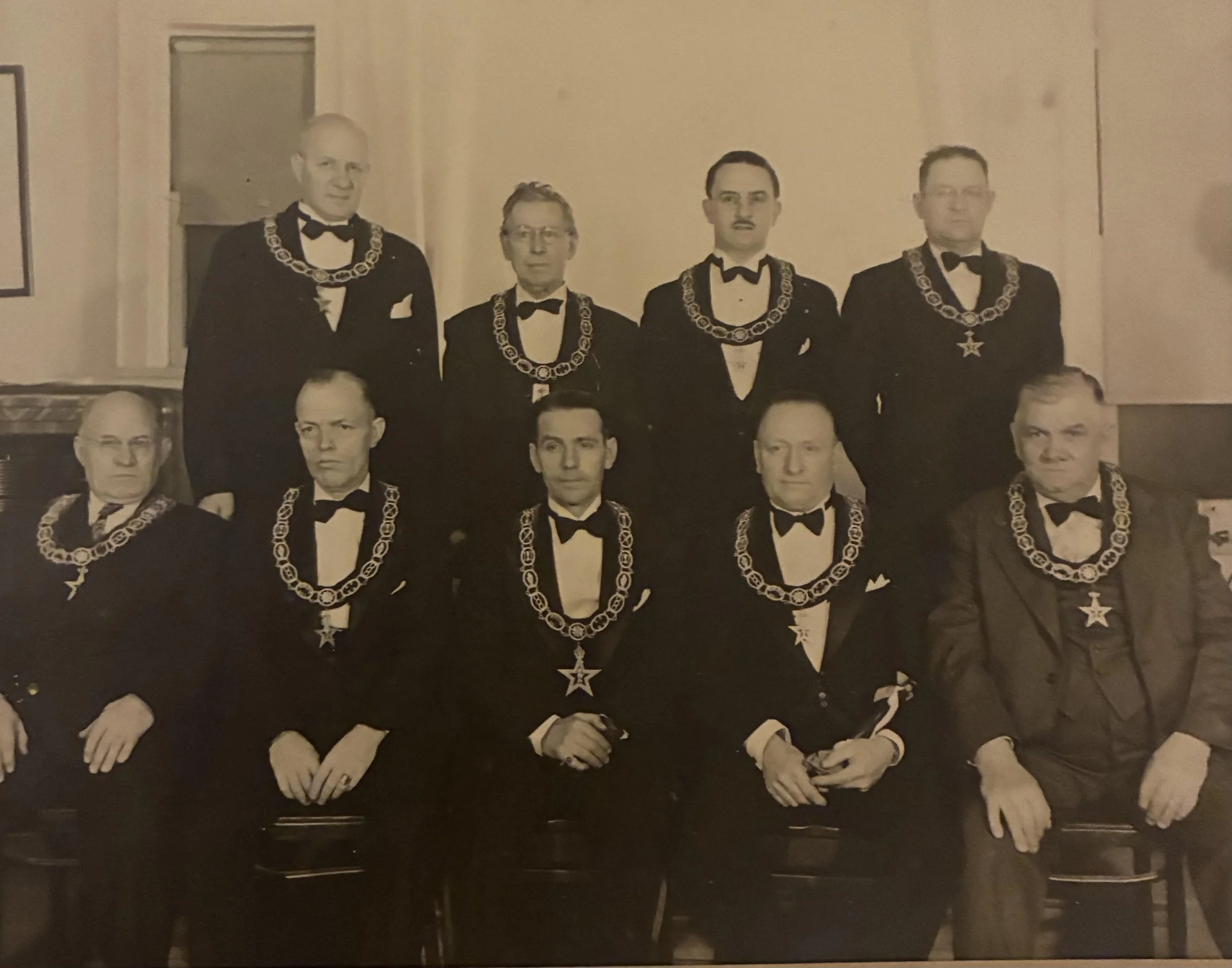
Explore the lodges, fraternities, benefit societies, and service clubs that helped shape Queens. This introduction to The Lodges That Built Queens explains their differences, their boundaries of belonging, and how to trace them through buildings, family papers, and local records.
Why Moral Architecture Is More Than a Metaphor
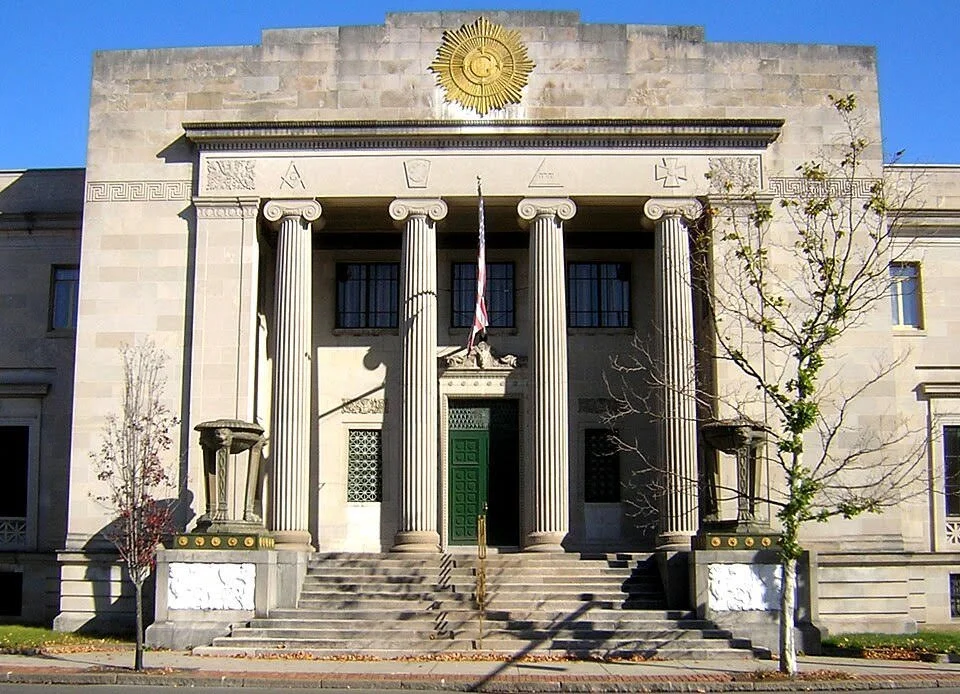
A good intention is not a finished structure. Explore how Freemasonry’s building language connects character with standards, responsibility, maintenance, and shared work.
Why Initiation Is About Transformation, Not Information
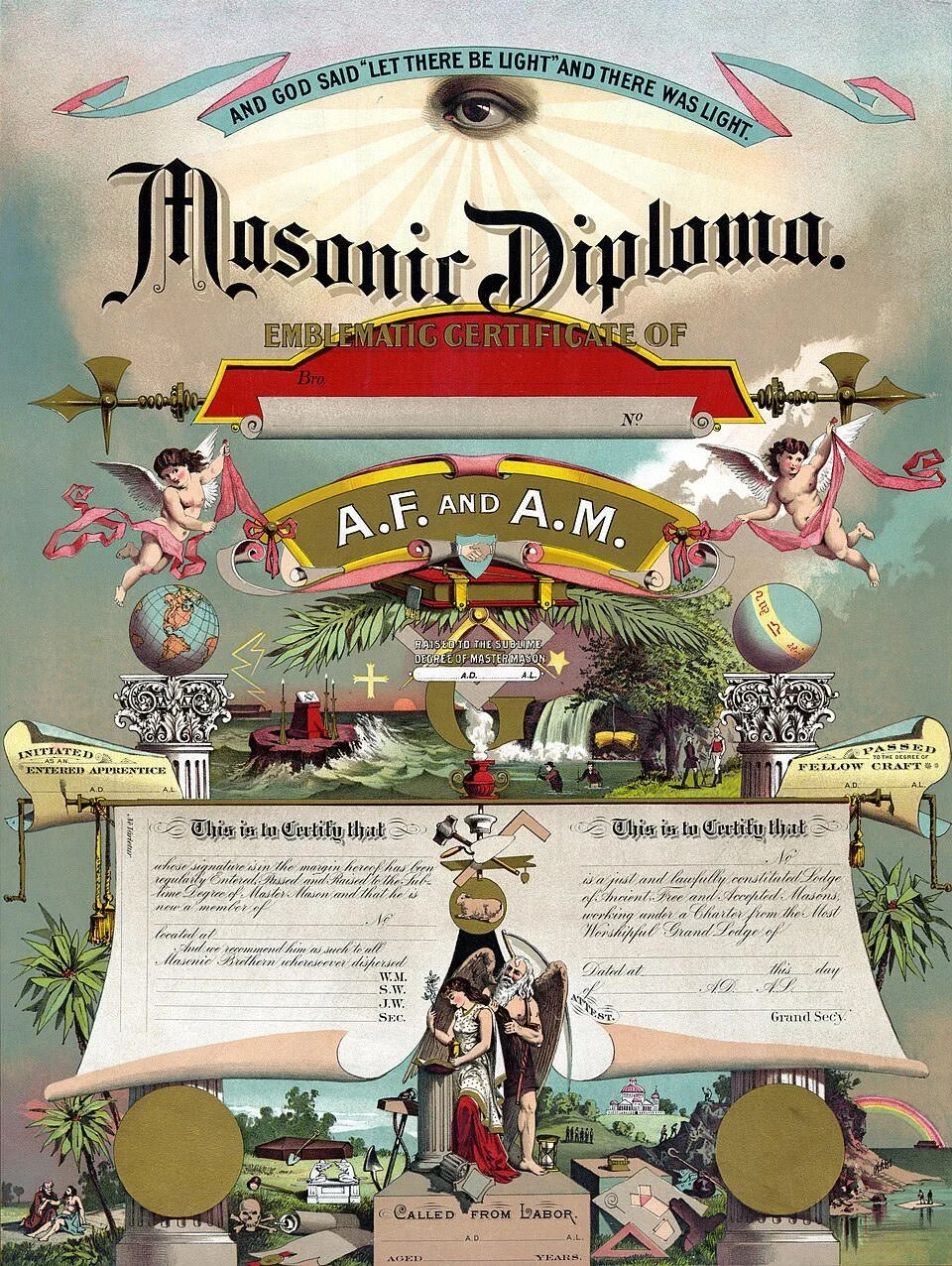
Reading about an institution does not make you a member. Explore how Masonic initiation marks an undertaking—and why its promise of transformation depends on what follows.
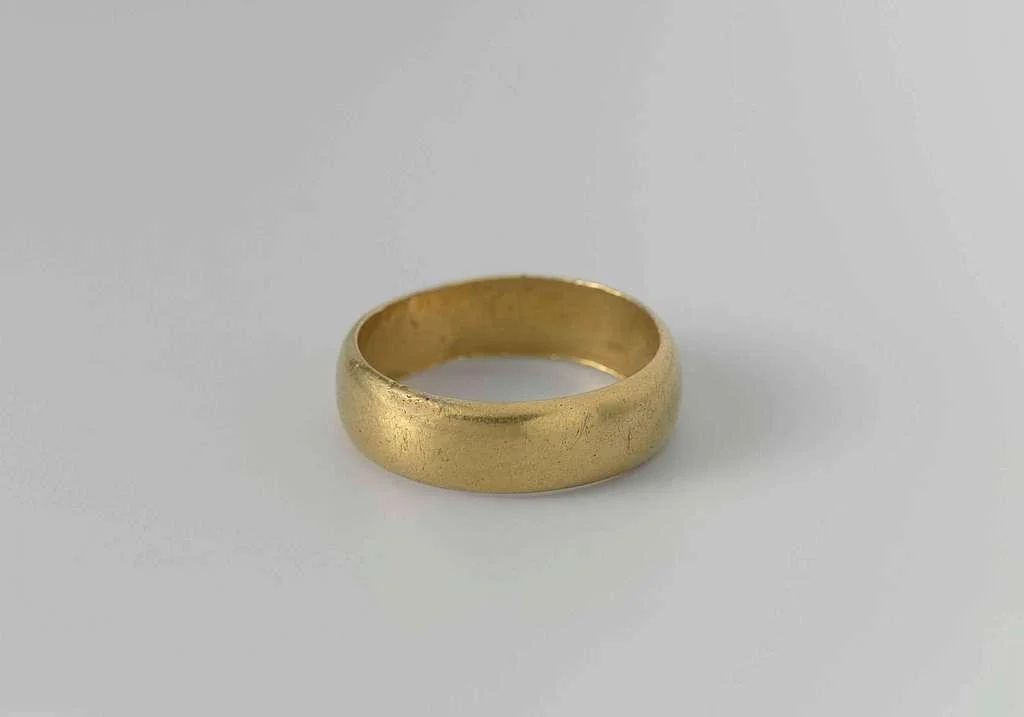
Why Symbols Say Things Plain Language Cannot
You can explain a wedding ring without replacing it. Explore how Masonic symbols gather meaning through objects, relationships, and experience—and why clear explanations still matter.
Why Brotherhood Is Harder Than Friendship
You do not have to become close friends with every member of a lodge. But what do you owe those you would not have chosen? Explore brotherhood, loyalty, and responsibility across difference.
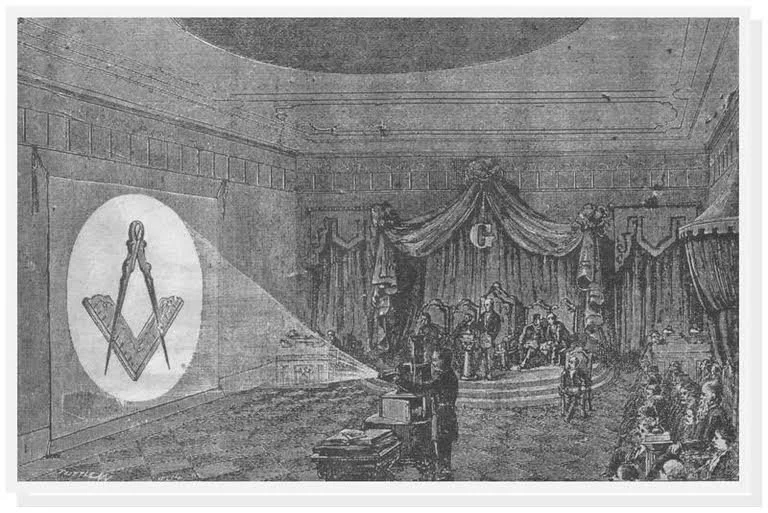
Why Ritual Works Even When You Don’t Fully Understand It
You may remember a ceremony before you can explain it. Explore how Masonic ritual can shape attention and memory—and why being affected is not the same as being improved.
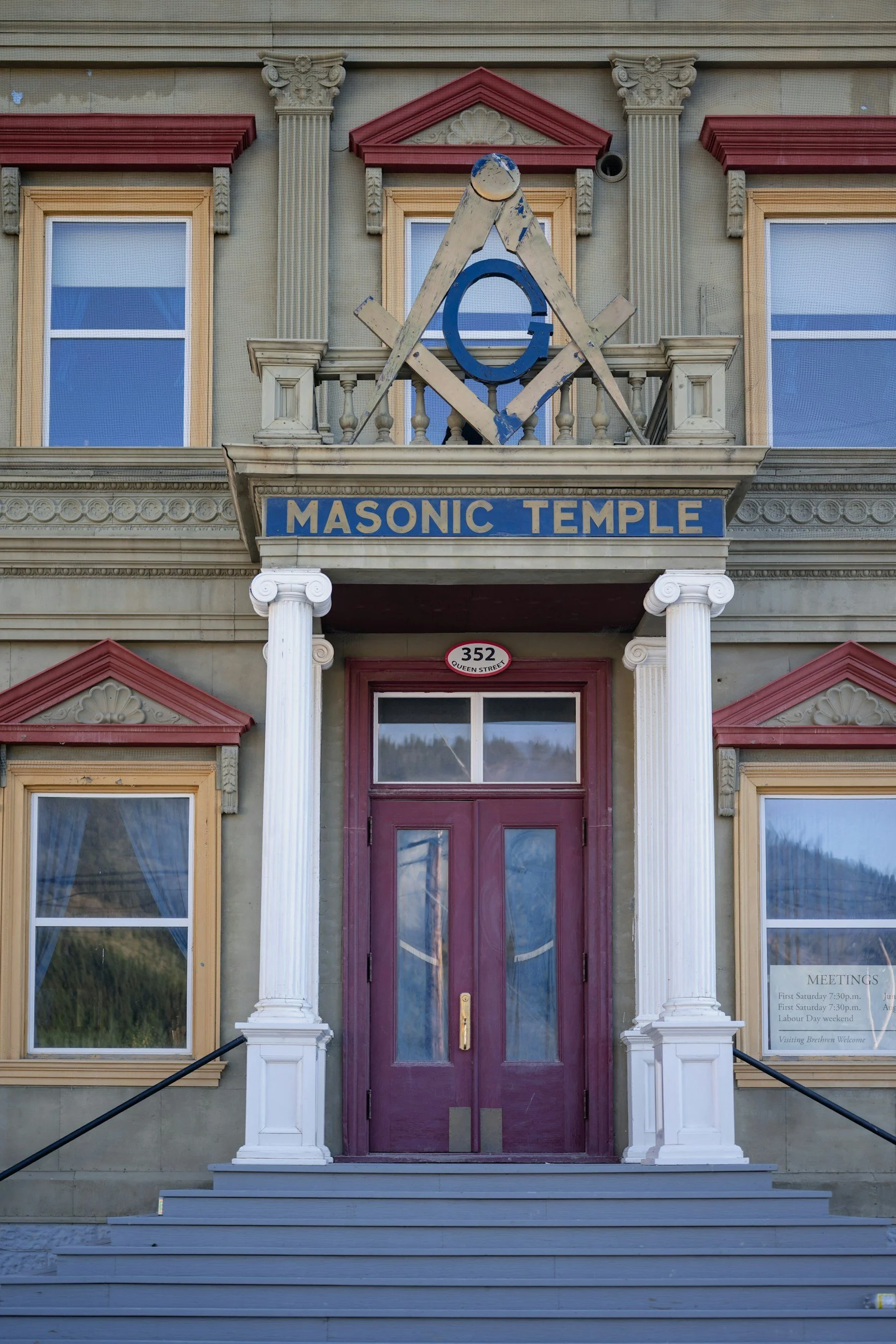
Why Secrecy Is Not the Same as Wisdom
A locked box may contain a jewel—or old receipts. Explore Masonic secrecy, privacy, and silence, and why restricted access tells us little about the wisdom inside.

The Working Tools
A gauge measures. A square tests. Compasses set limits. Explore how Masonic working tools turn general ideas about character into particular questions about conduct.

Masonic Symbols & Symbolic Thinking
Why does Freemasonry teach with stones, tools, and ceremonies? Explore thirteen connected essays on Masonic symbols, symbolic thinking, and the work of character.
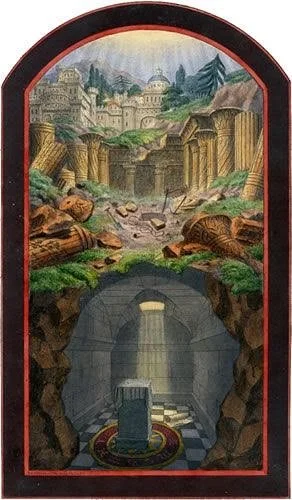
Why Freemasonry Keeps Acquiring Ancient Ancestors
Why does Freemasonry keep acquiring ancient ancestors? Explore how Solomon’s Temple, Egyptian wisdom, mystery cults and Templar legends became part of its identity—and why symbolic inheritance is not proof of historical descent.
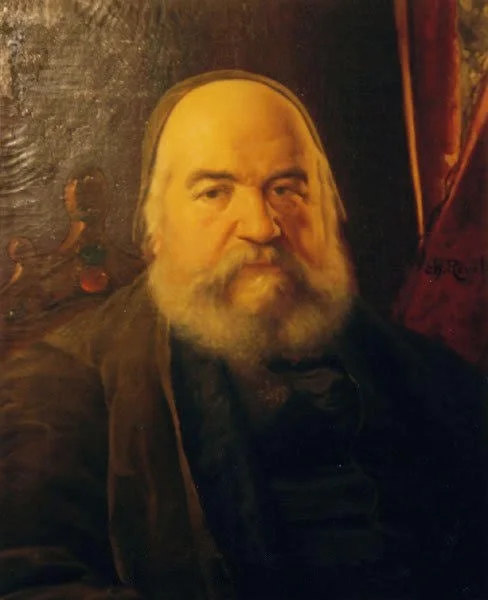
Who Gave Freemasonry Its Occult Reputation?
Who gave Freemasonry its occult reputation? Trace the roles of Éliphas Lévi, Albert Pike, the Golden Dawn and Manly P. Hall—and discover how genuine esoteric traditions, symbolic interpretations and fabricated accusations became entangled.