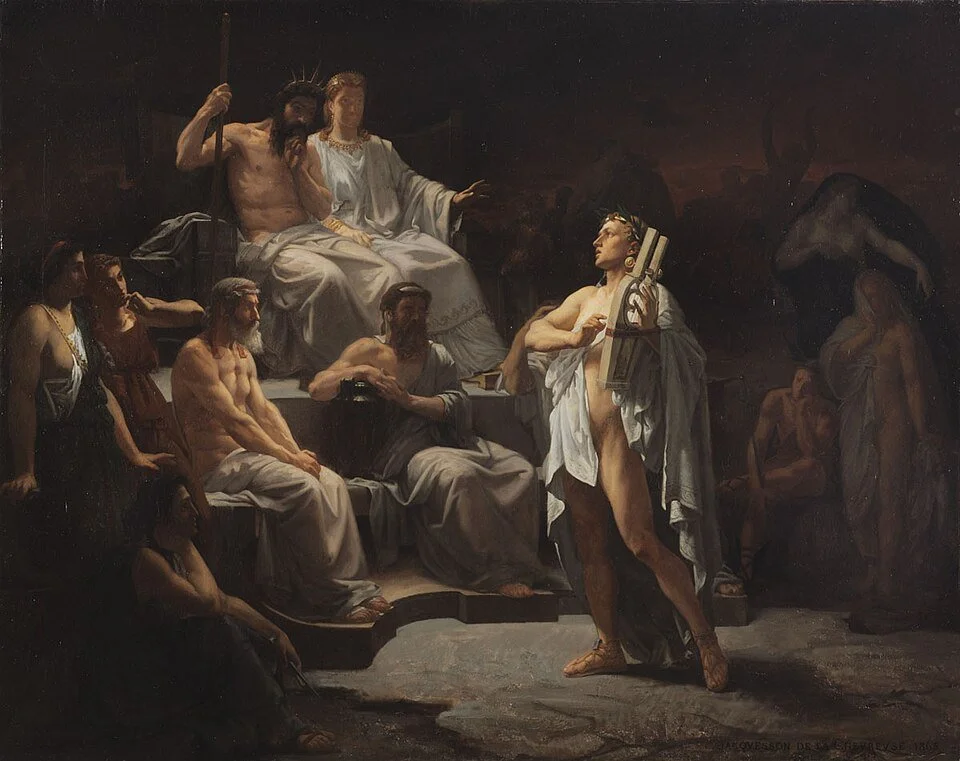
Music in the Lodge
Harmony is not the absence of difference. It is the achievement of relation.
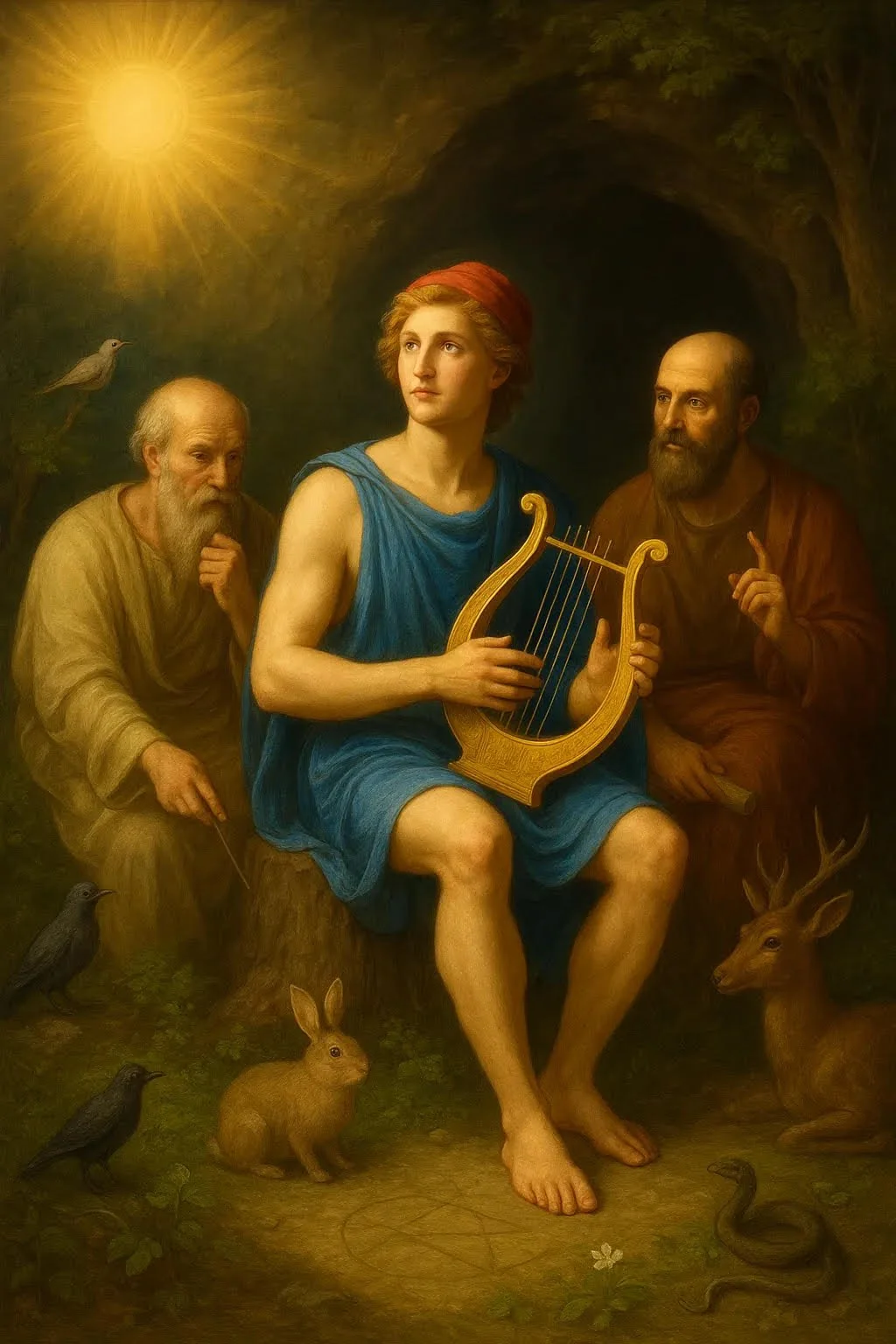
Orpheus, Plato, and the Afterlife
Orpheus became a name under which Greeks imagined the soul’s long journey. But a name is not a single doctrine, and a mystery is not improved by pretending it was simple.
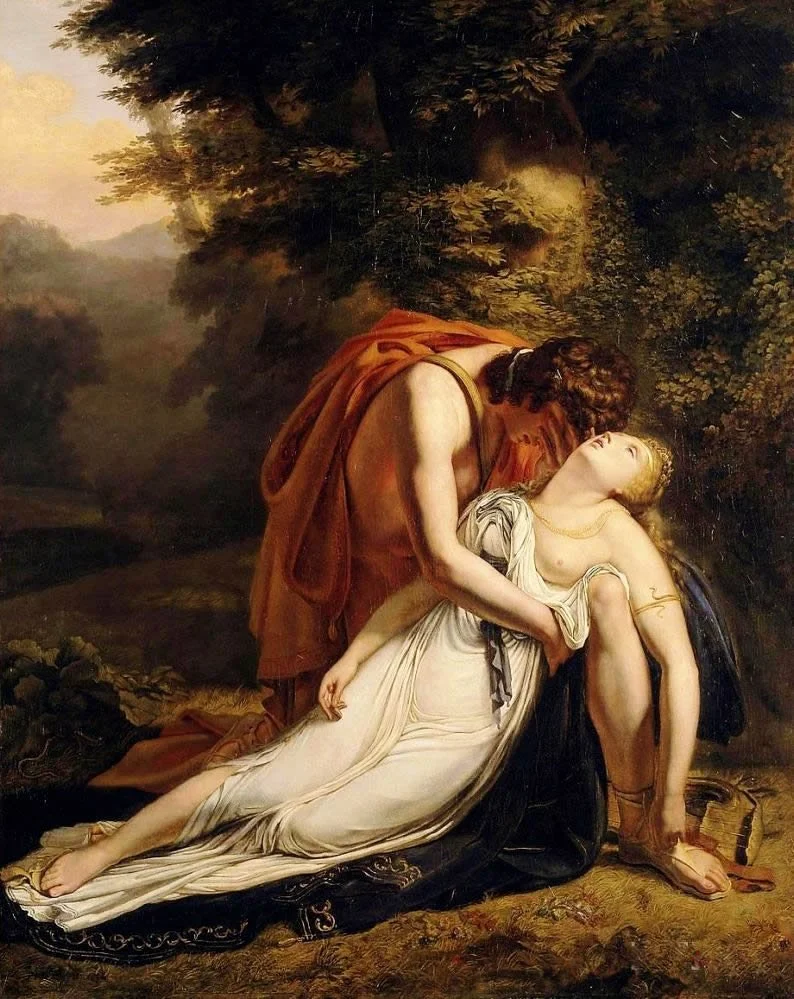
Eurydice and the Lost Part of the Soul
Some things return only when we stop trying to seize them. Others do not return at all, but become part of the music by which we learn to live.
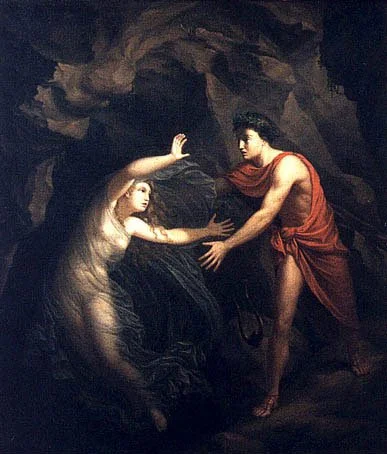
Why Orpheus Looked Back
Orpheus does not look back because he does not love Eurydice. He looks back because love has not yet learned how to trust what it cannot possess.

Descent Is Not Defeat
Descent is not defeat when it is undertaken to face what has been lost without allowing loss to become the whole of life.

The Music That Moves Stones
Orpheus does not make the world obey him by shouting louder. He gives it a pattern strong enough for disorder to recognize.
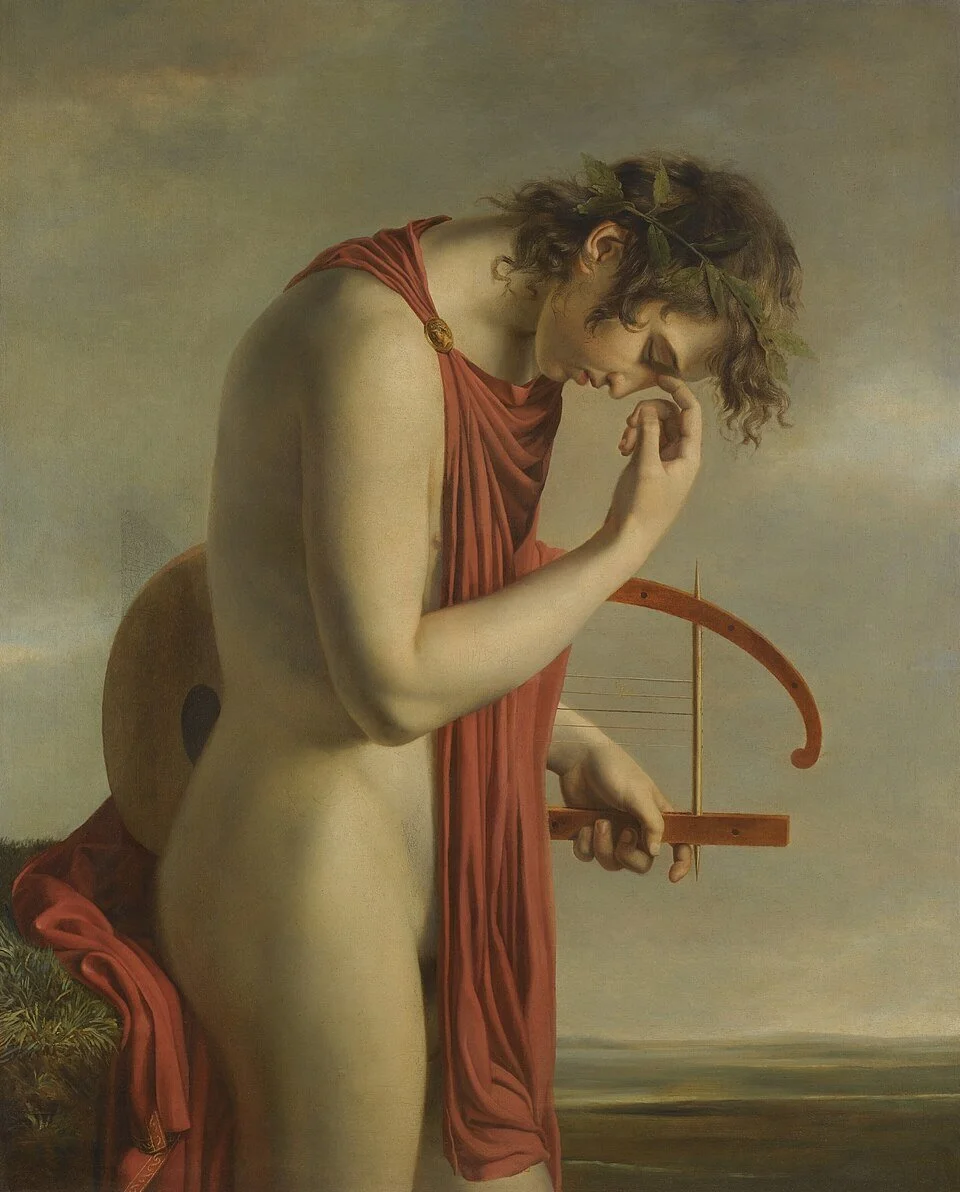
Don’t Look Back Yet
A six-part philosophical series on Orpheus and Eurydice: music, grief, descent, trust, memory, the soul, ancient Platonism, and the discipline of return.