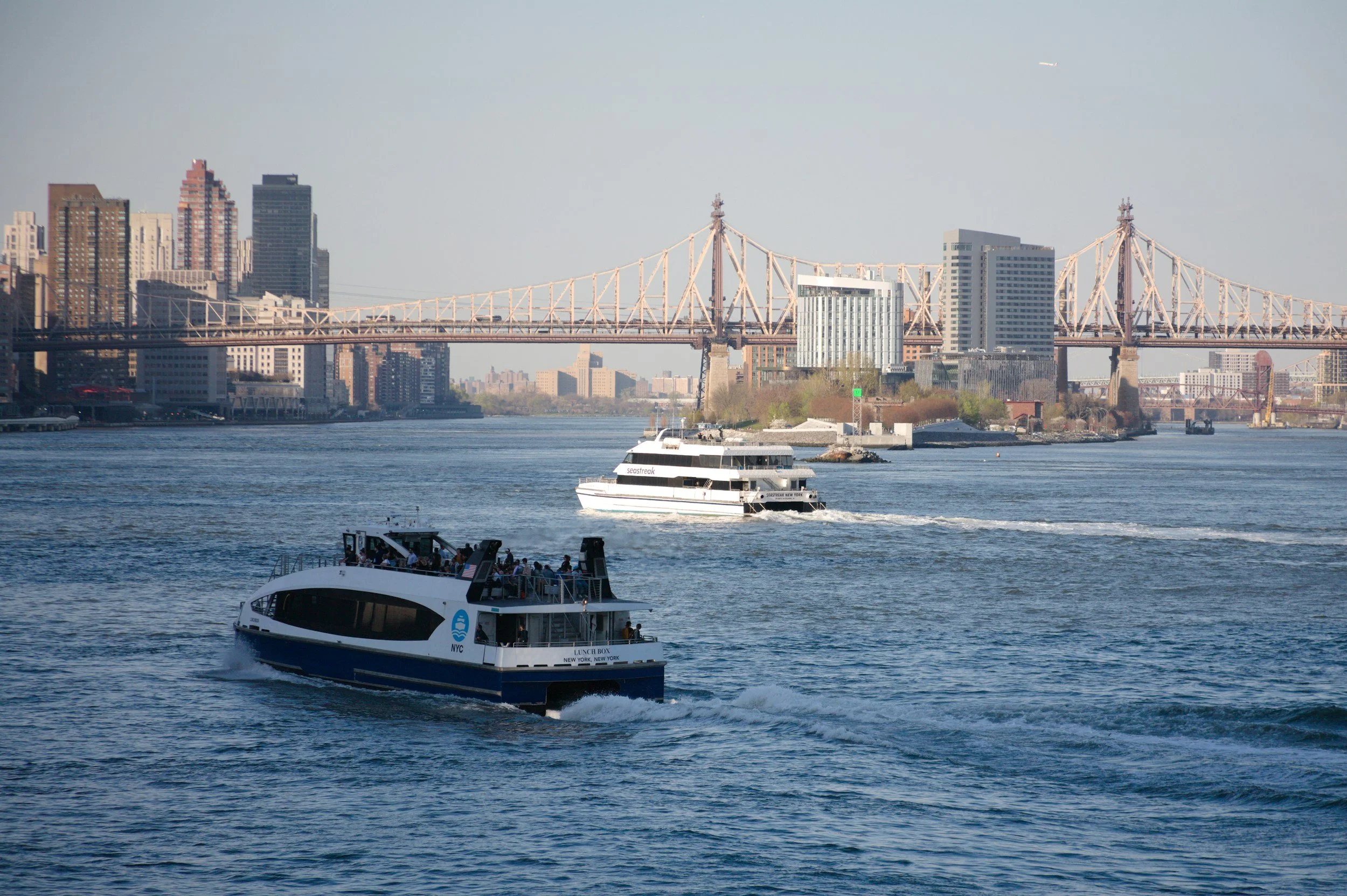
The Rockaways and the Politics of Partial Connection
The Rockaways are often described as isolated, but their history is better understood as a pattern of repeated and incomplete reconnection. Ferries, railroads, bridges, subways, and storm recovery each changed how the peninsula related to the rest of New York.
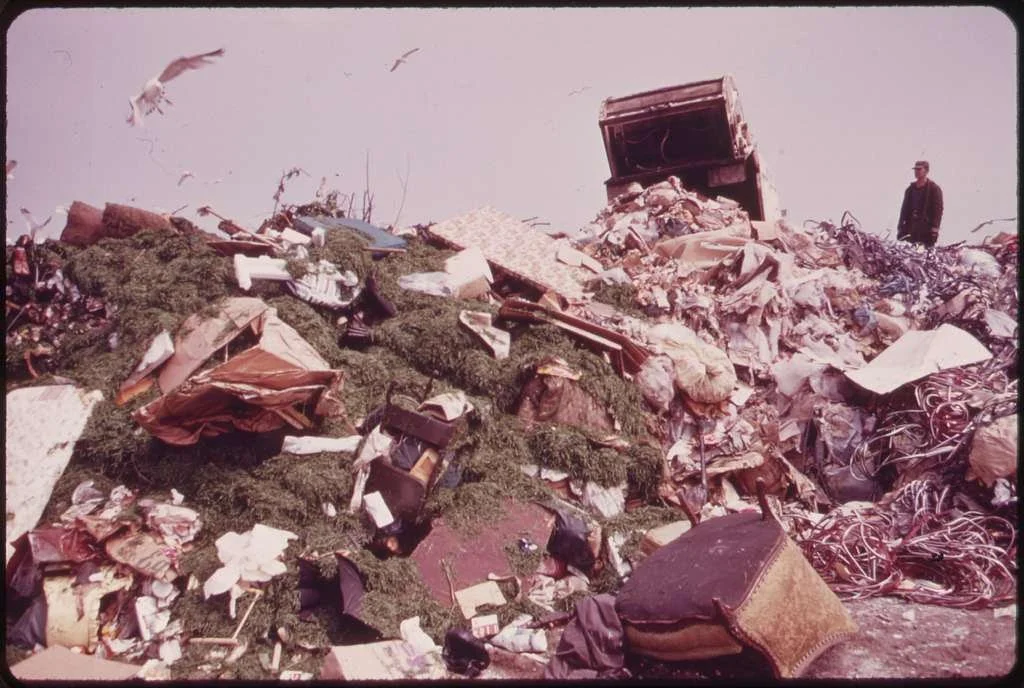
The Smell of Progress: How Jamaica Bay Became a Dumping Ground
How Jamaica Bay became New York’s dumping ground: a history of waste, marsh filling, noxious industry, and environmental inequality at the city’s edge.
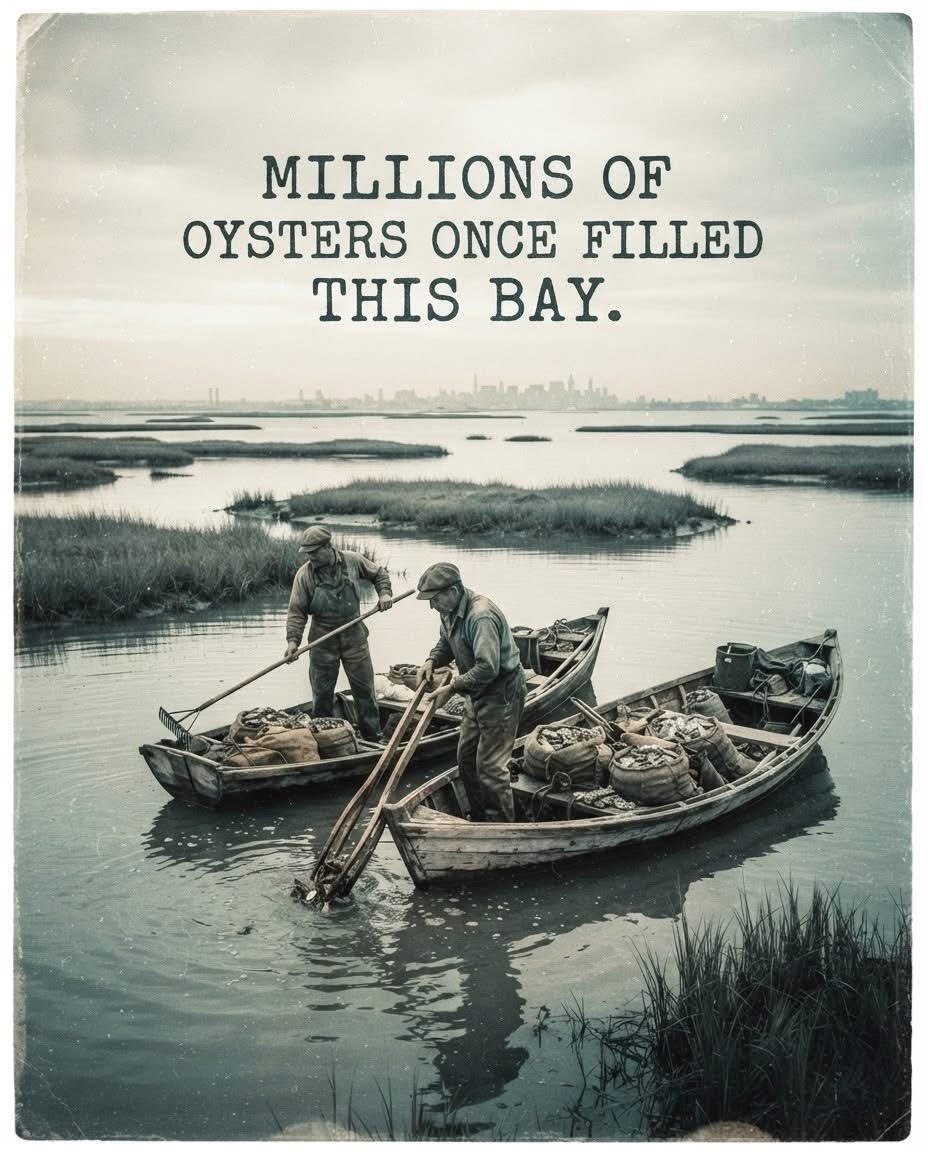
The Rise and Ruin of Jamaica Bay Oysters
Jamaica Bay’s oyster beds once helped define its economy, but pollution, disease, and urban growth turned one of the bay’s richest resources into a public-health hazard.
When Jamaica Bay Was New York’s Waterside Playground
Excerpt: In the late nineteenth century, Jamaica Bay became one of the metropolitan region’s recreational frontiers, drawing anglers, hunters, boaters, hotel guests, and summer visitors to the city’s marshy edge.
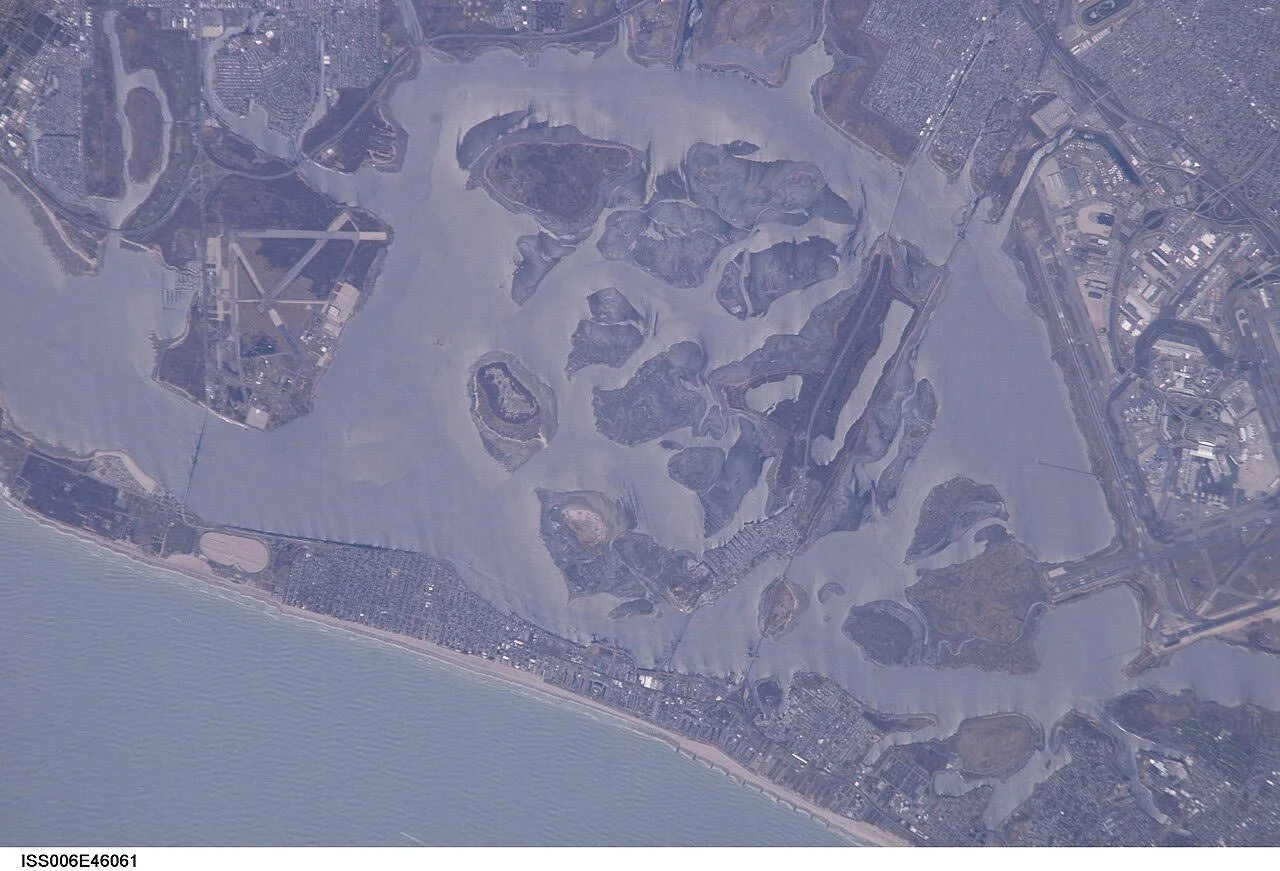
Before the Airport: The Many Lives of Jamaica Bay
Excerpt: Long before airports and parkways, Jamaica Bay was a productive estuary shaped by Indigenous use, colonial settlement, fishing, and maritime life. This article introduces the deeper history of one of New York’s most transformed landscapes.
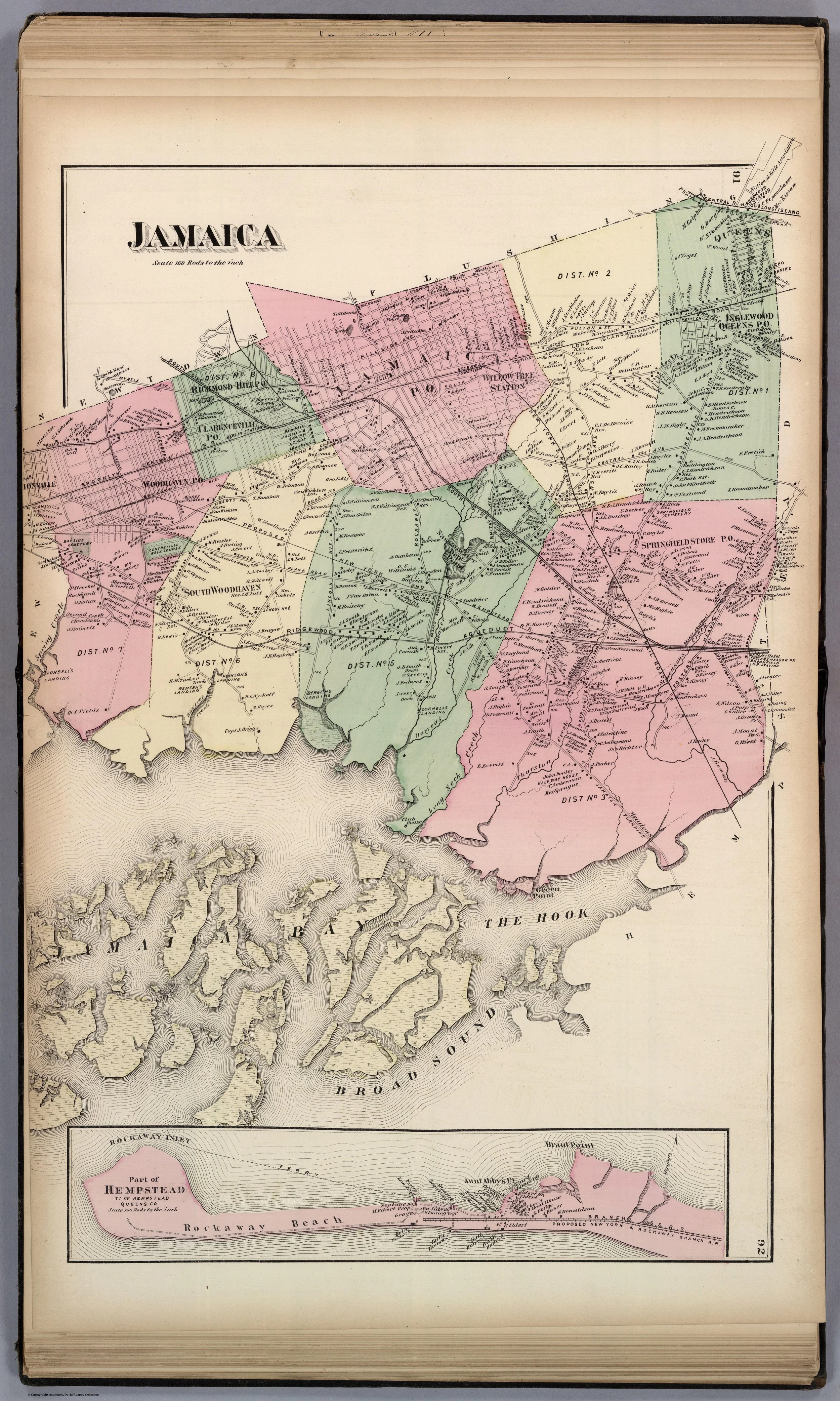
Jamaica Bay: Nature, Industry, and the Lost Edge of New York
A five-part series on the environmental history of Jamaica Bay, tracing its transformation from productive estuary to recreational frontier, oyster economy, dumping ground, and restoration landscape.