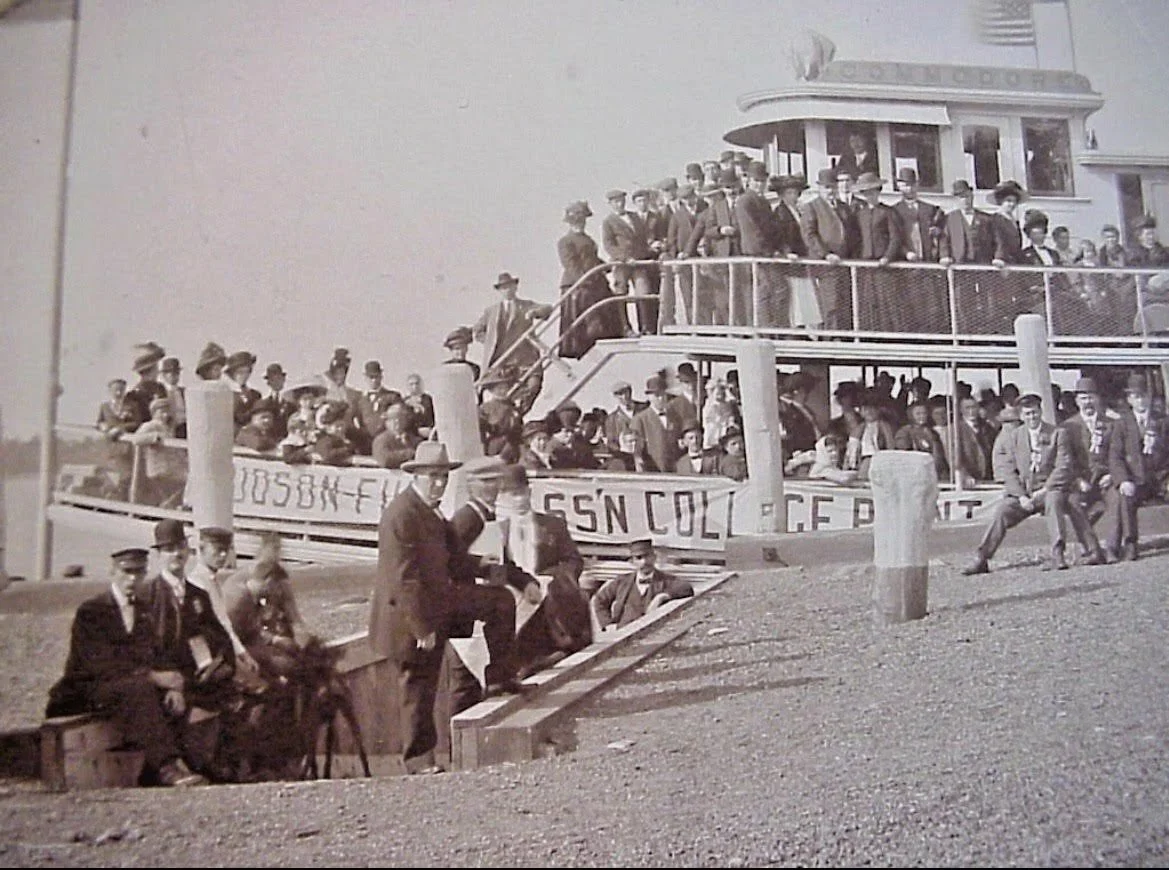
The Ferry and the Forgotten Places
Some transportation histories leave landmarks. Others leave only traces. This article recovers forgotten ferry routes and vanished connections that once shaped how Queens neighborhoods related to one another.
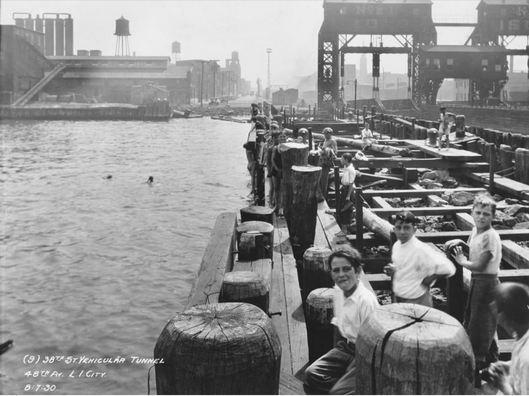
Hunter’s Point to Rockaway
From Hunter’s Point to the Rockaways, ferry service helps reveal where Queens is being redeveloped, revalued, and reconnected. The waterfront is no longer just an edge—it is increasingly treated as a front door.
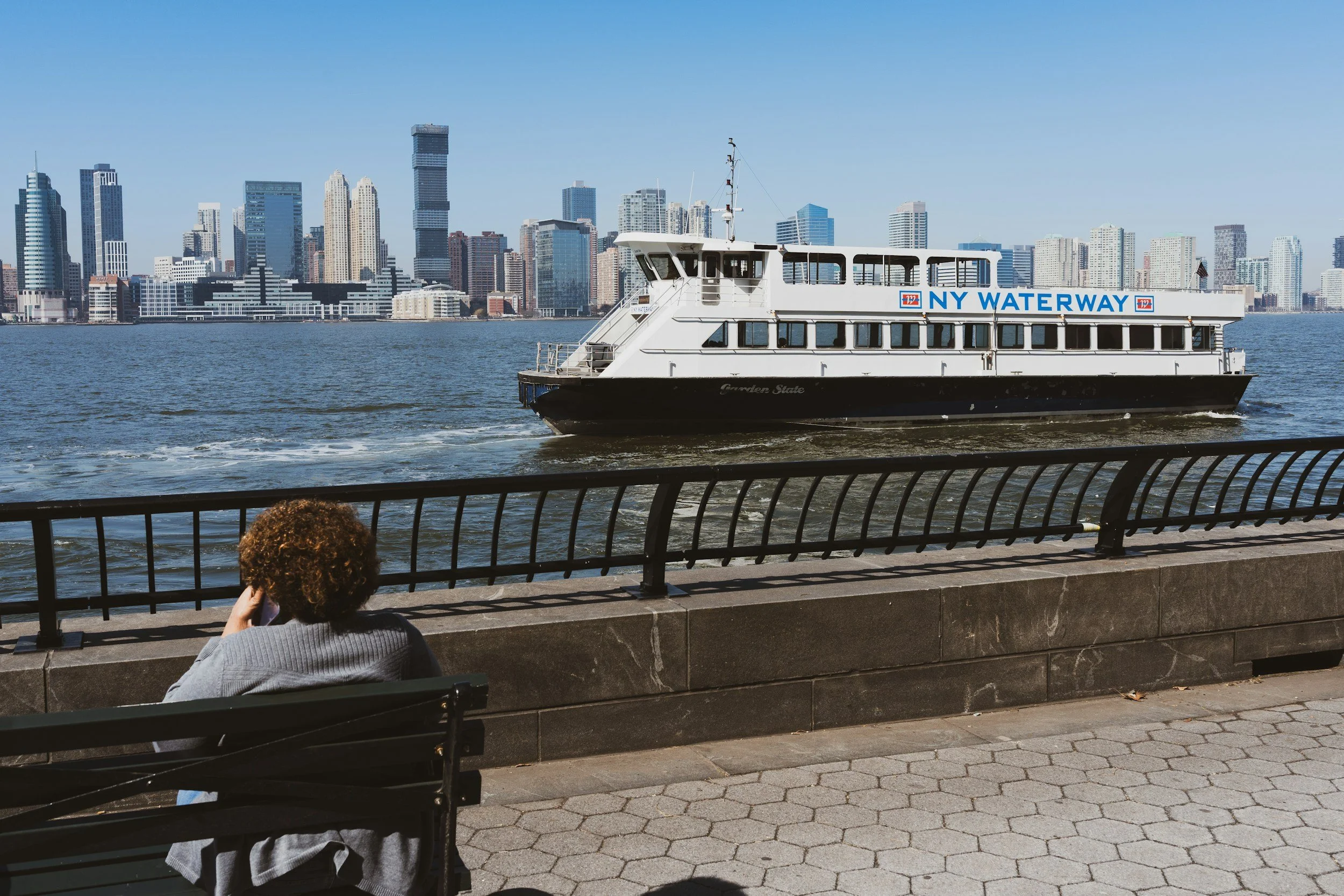
The Return of the Ferry
The ferry is back in Queens, but not in the same city it once served. This article looks at what modern ferry service reveals about growth, class, commuting, and waterfront redevelopment.
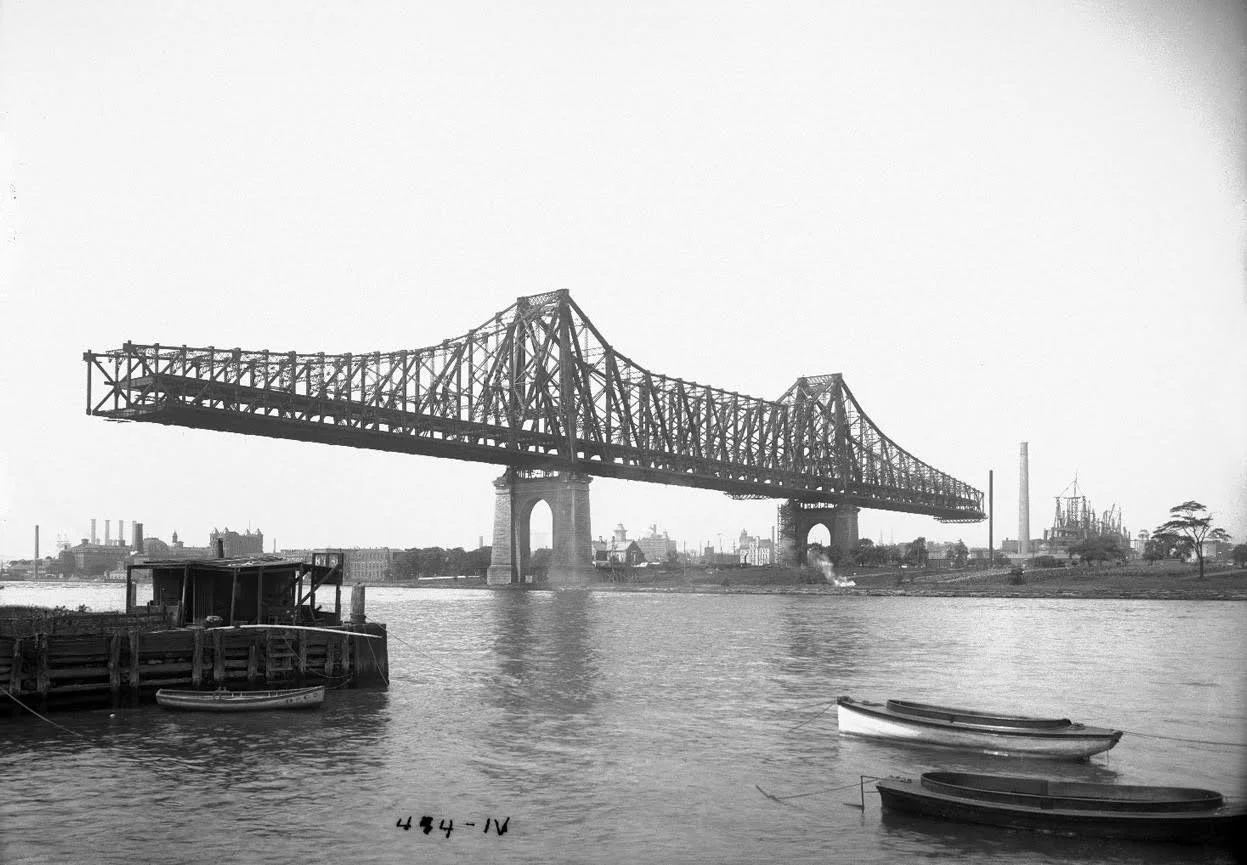
When Bridges Killed Ferries
Ferries once structured daily life along the Queens waterfront. Then bridges, tunnels, and rail transit arrived, changing land values, movement patterns, and the shape of the borough itself.
The Water Was the First Street
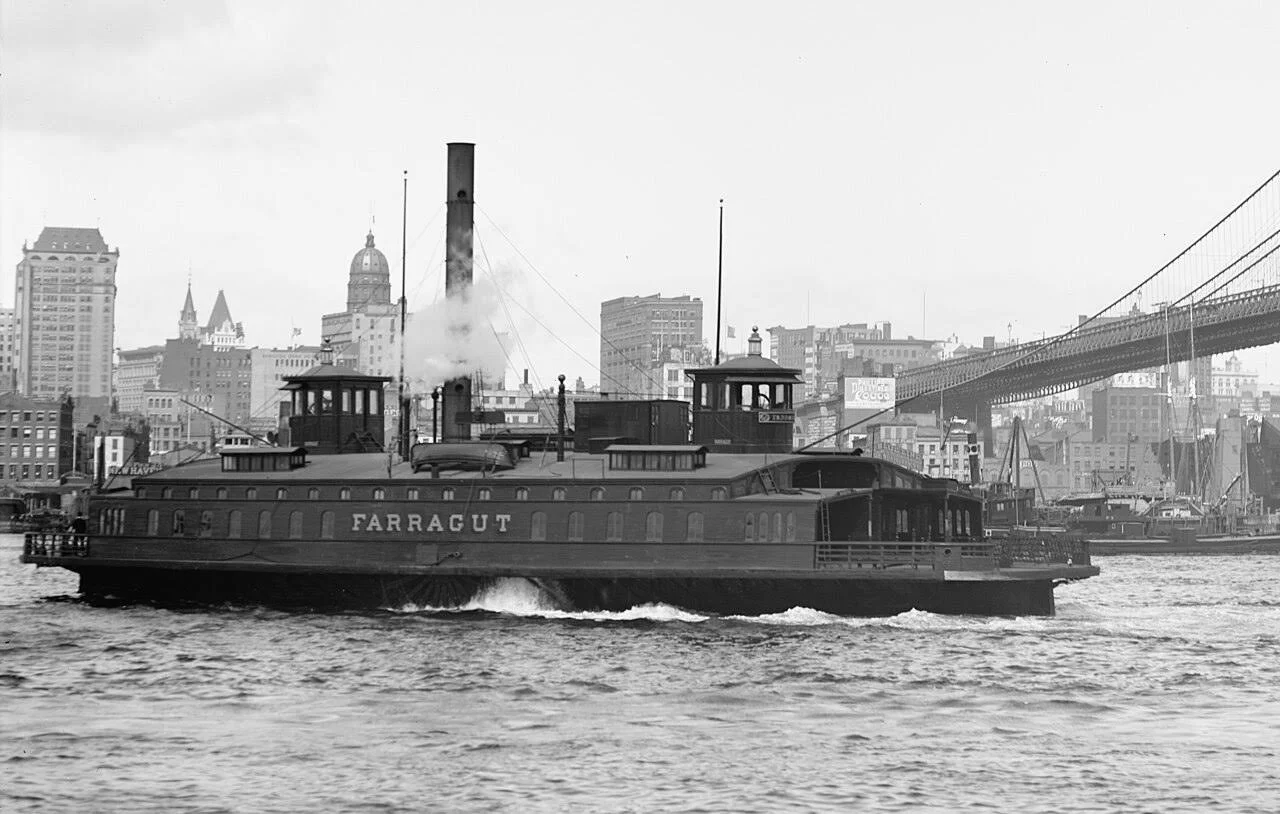
Long before bridges and subways reorganized Queens, ferries and shore landings connected its early communities to trade, work, and city life. This article explores how water functioned as the borough’s first transportation network.
Queens in Motion
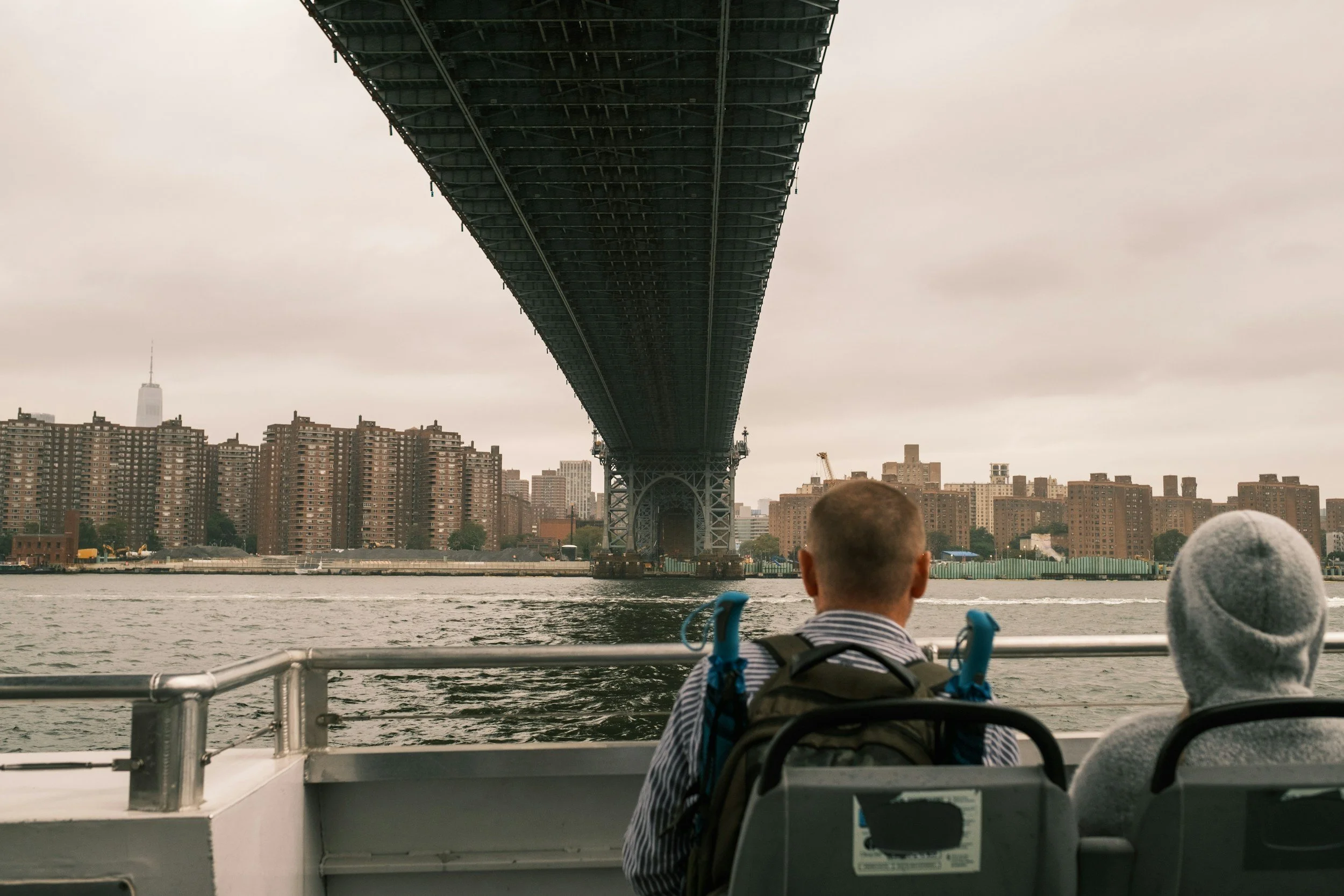
A six-part Queens history series exploring how ferries, bridges, railroads, subways, and waterfront development shaped the borough from early settlement to the present.
The Rockaways and the Politics of Partial Connection
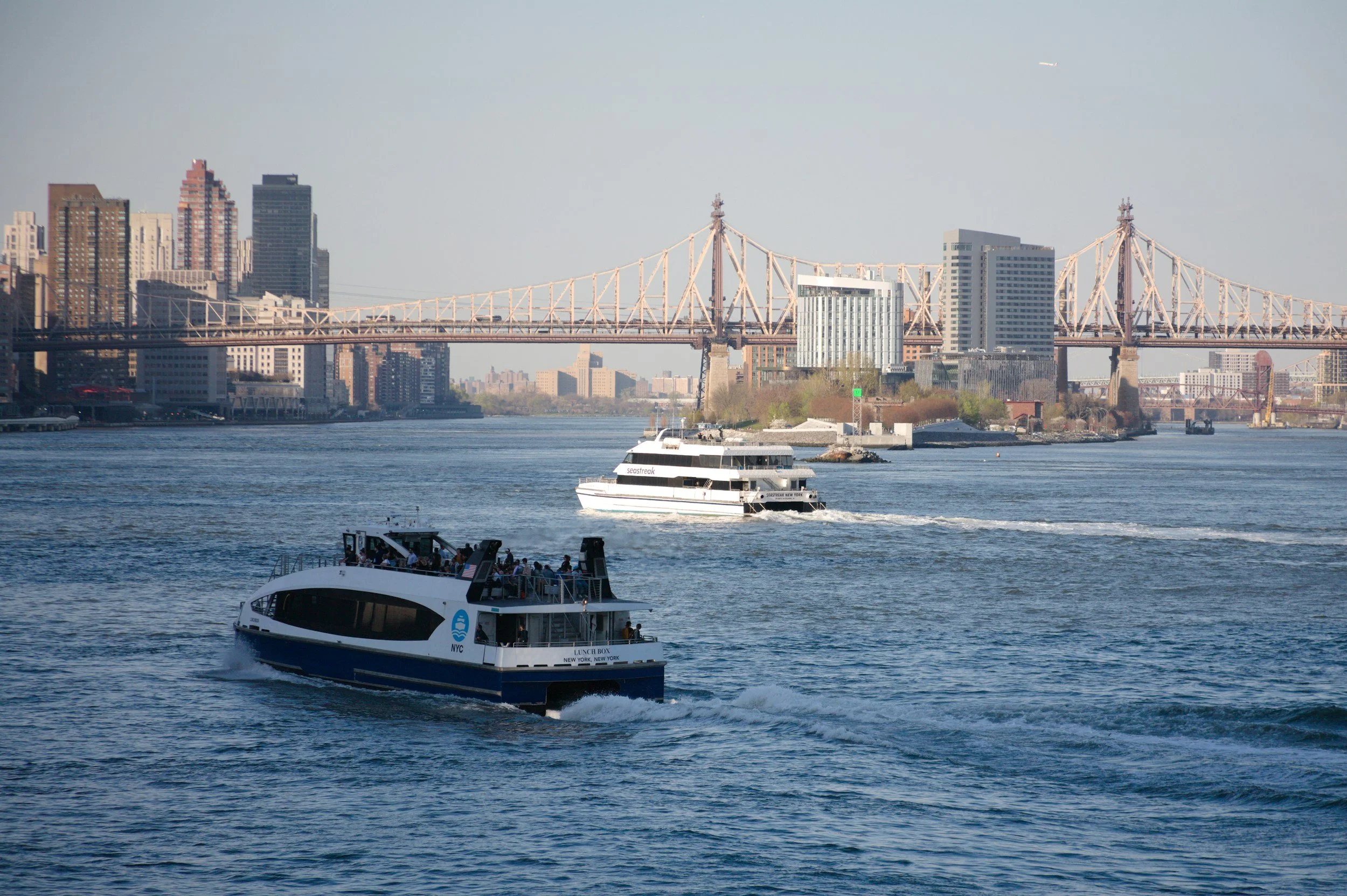
The Rockaways are often described as isolated, but their history is better understood as a pattern of repeated and incomplete reconnection. Ferries, railroads, bridges, subways, and storm recovery each changed how the peninsula related to the rest of New York.