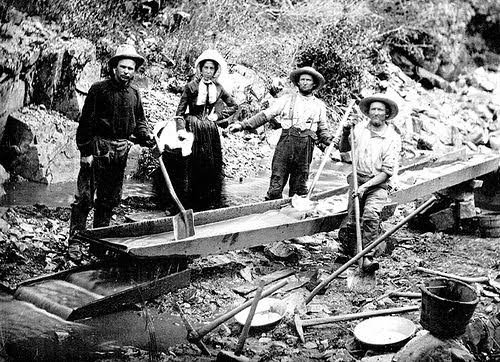
Julius H. Striedinger After Hell Gate: Canals, Mines and a Death at Sea
The engineer who helped blast Hallett's Point did not stay in Astoria. From 1877 to 1894, Advance Lodge brother Julius H. Striedinger cleared snags on Colombia's Magdalena River, worked on the Panama and Nicaragua canal projects, ran an Arizona mine and built California roads, until he drowned off Mexico.
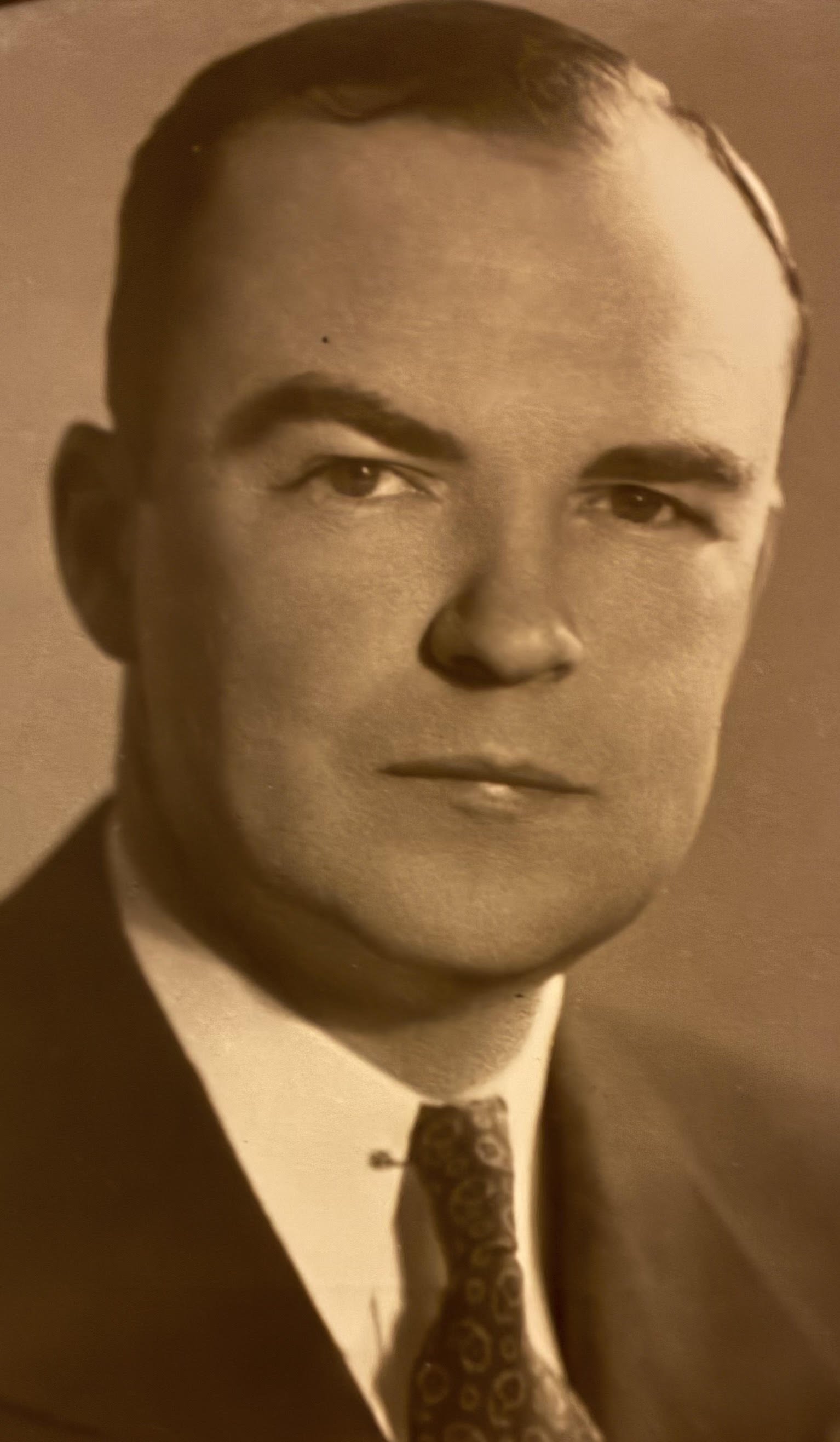
John Hetherington of Advance Lodge No. 635: From Belfast to the Queens Surrogate's Bench
An Irish-born attorney entered Astoria's Advance Lodge No. 635 at thirty. He went on to preside over the lodge as Master, prosecute for Queens County, and serve twelve years as the judge to whom the borough brought its wills.
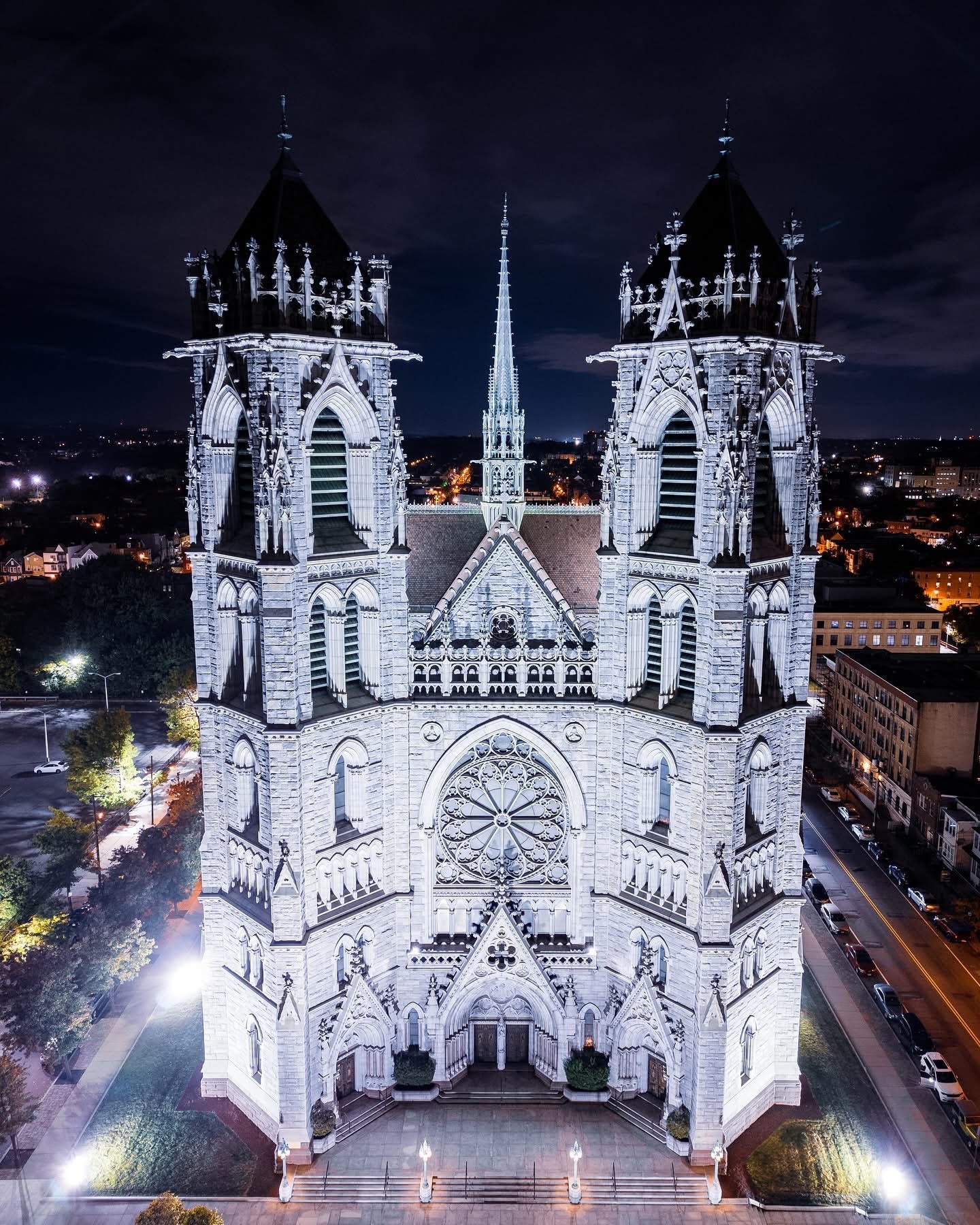
Isaac E. Ditmars of Advance Lodge No. 635: The Nova Scotian Who Helped Build Gilded Age New York
Raised a Master Mason in Astoria's Advance Lodge No. 635 in 1873, a young Nova Scotian named Isaac E. Ditmars went on to run Schickel & Ditmars, one of Gilded Age New York's busiest architectural firms. Its work included St. Ignatius Loyola on Park Avenue, St. Joseph's Seminary at Dunwoodie, and the landmark Macy's annex on 14th Street.
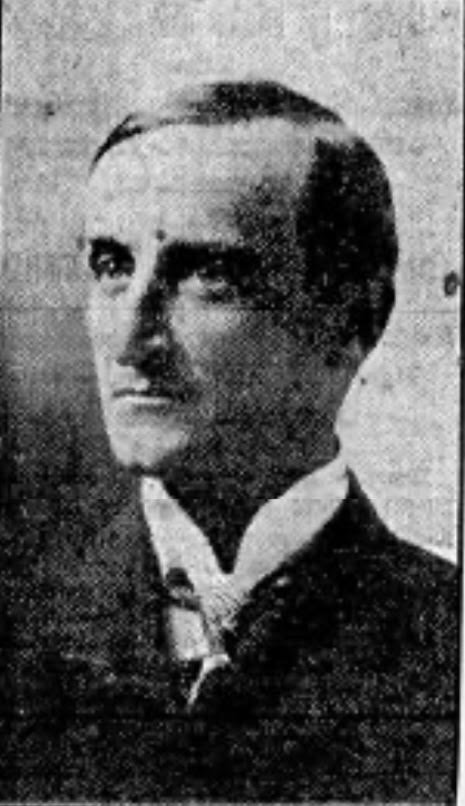
Paton and Wolcott Noble: Brothers of Advance Lodge No. 635 in Long Island City
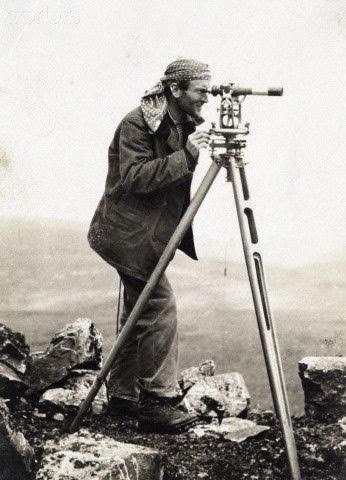
Peter G. Van Alst Jr.: Astoria Surveyor of Advance Lodge No. 635
Raised in Advance Lodge No. 635 in 1904, Peter G. Van Alst Jr. followed his father, the surveyor who drew the first official map of Long Island City, into a trade that had already put the family name on Queens street signs.

Dr. W. Remsen Taylor: Civil War Colonel and Astoria Physician
A Rutgers man who led a New Jersey regiment at Fredericksburg and Chancellorsville, Dr. William Remsen Taylor became Astoria's last village president, a Long Island City public-health officer and an organizer of Astoria Hospital. Raised in Advance Lodge No. 635 in 1880 on the same night as Henry Clay Johnson, he was Master of the lodge in 1884 and 1885.
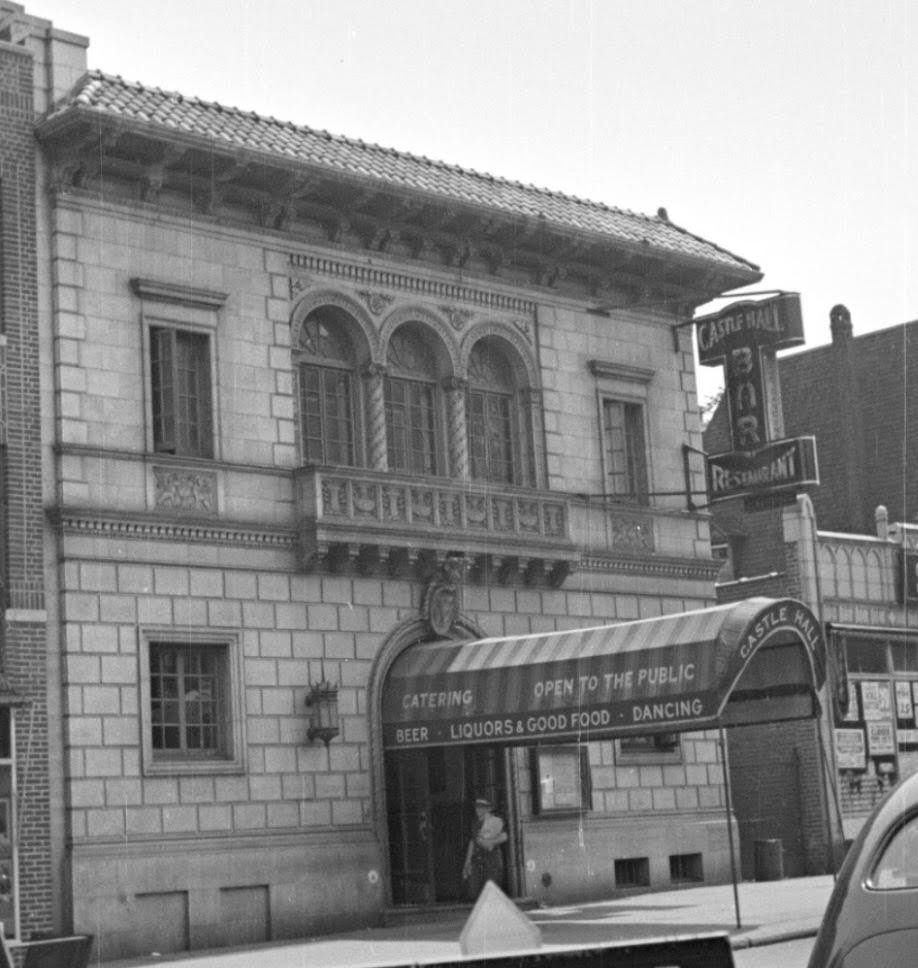
Castle Hall on 31st Avenue: Two Astoria Lodges in the Depression Years
Astoria Lodge and King David Lodge both used Advance’s temple before their histories brought them to Castle Hall on 31st Avenue during the Depression years. Explore their meeting-place connections, the building’s later uses and the institutional paths that now bring both histories together in College Point.
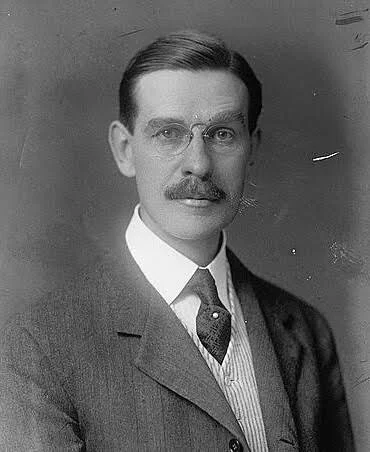
At the Pulpit and the Dedication: Arthur B. Rhinow and Townsend Scudder
Two short profiles explore connections beyond the lodge room. The Rev. Arthur B. Rhinow linked Tadmor with Ridgewood Presbyterian Church through services and neighborhood activities, while former Grand Master Townsend Scudder presided at the dedication of Advance’s Astoria temple.
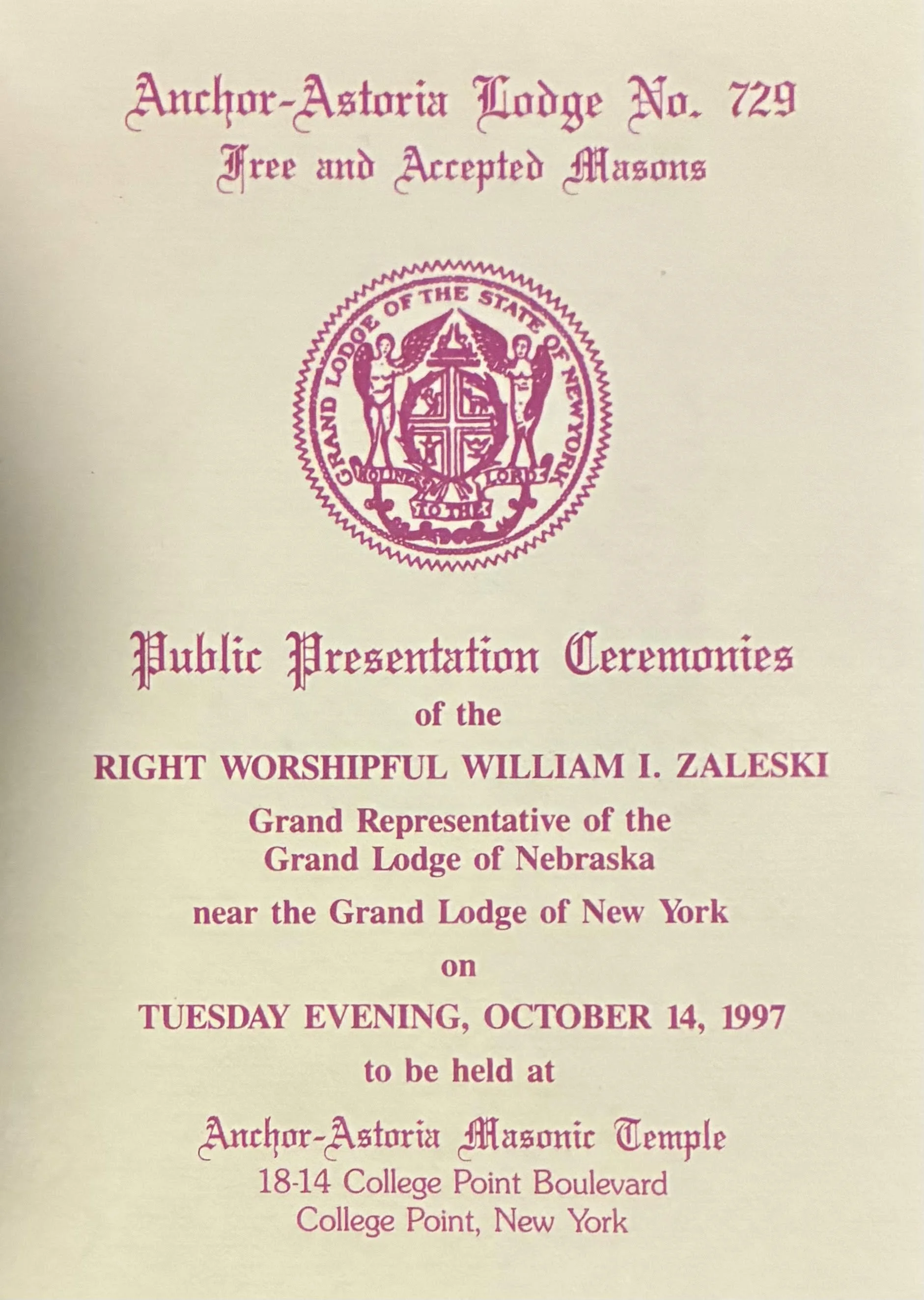
Across Queens to College Point: The Six Lodge Histories Behind Anchor-Astoria
Six lodge histories converge in Anchor-Astoria Lodge No. 729. From College Point and Astoria to Richmond Hill, Liberty Avenue, South Ozone Park and the Ridgewood-Glendale area, their beginnings and consolidations trace a borough-wide network now brought together in College Point.
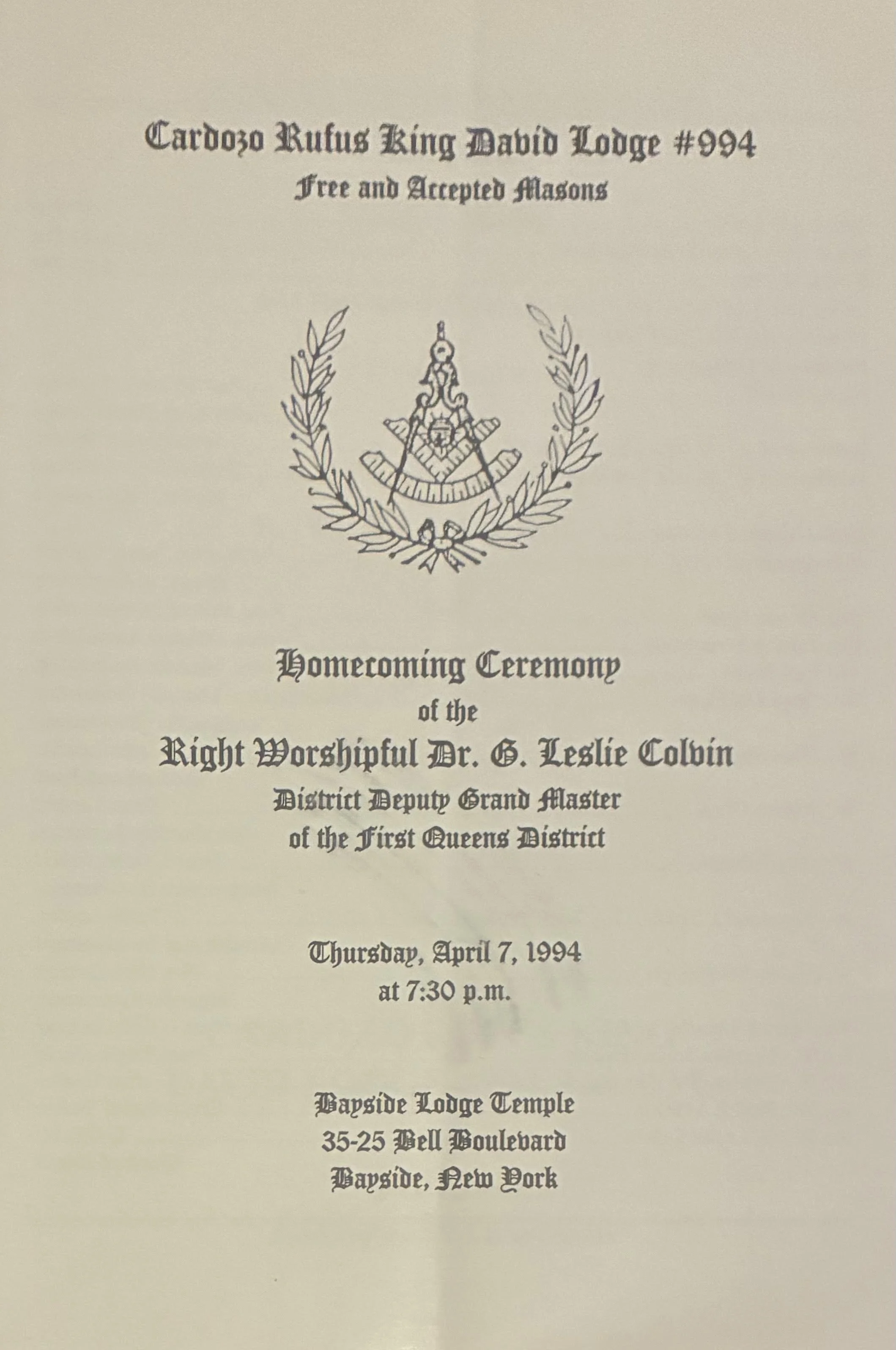
King David Lodge No. 994: Degree Nights, Castle Hall and Masonic Astoria
Newspaper notices trace King David Lodge No. 994 through degree nights at Astoria’s Advance Masonic Temple, social gatherings at the Hotel Astor, new quarters at Castle Hall and a service announced at the Astoria Center of Israel. Follow its neighborhood connections and the consolidations that carried its institutional line into Harmony Lodge No. 241.
From Manhattan to Astoria: The Geography of a Lodge Lineage
Follow the six lodges behind Advance Service Mizpah Lodge from Manhattan’s Grand Street through the waterfront communities and neighborhoods of Queens. This geographic history traces their meeting rooms, temples, ferry connections, and eventual convergence at the Advance temple in Astoria.
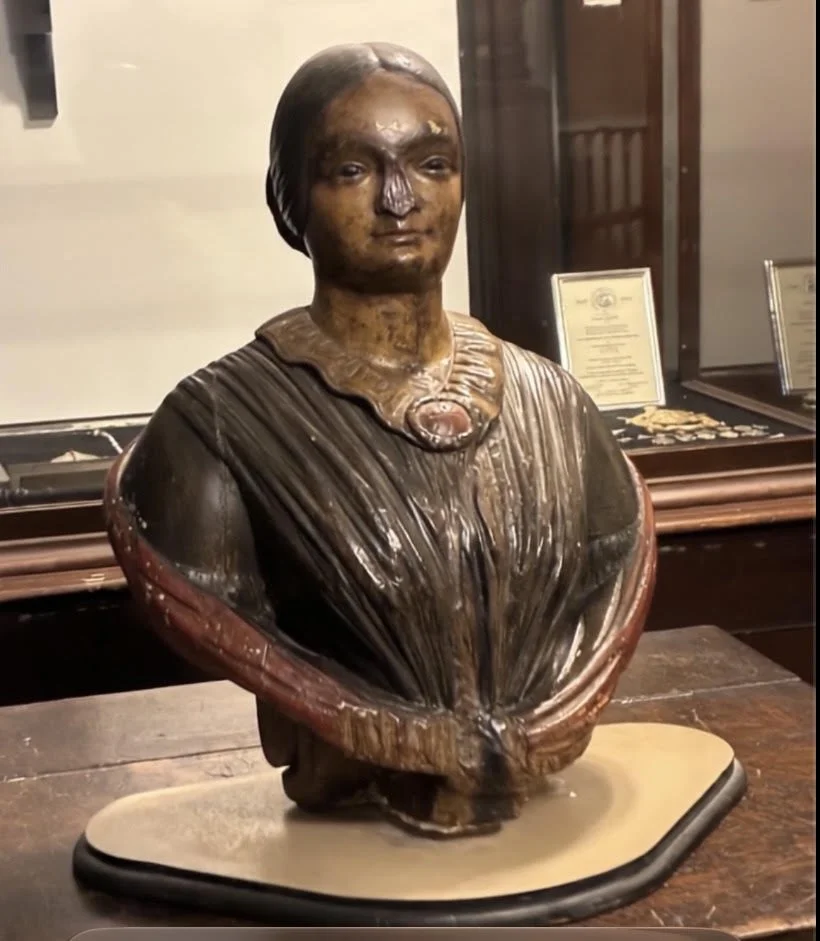
Why Advance Lodge Named Itself After the USS Advance
Advance Lodge No. 635 took its name from the Arctic vessel commanded by Elisha Kent Kane. Explore founder Robert McCoskry Graham’s choice, the ship’s two voyages in search of Franklin, and how its image became part of an Astoria lodge’s seal and identity.
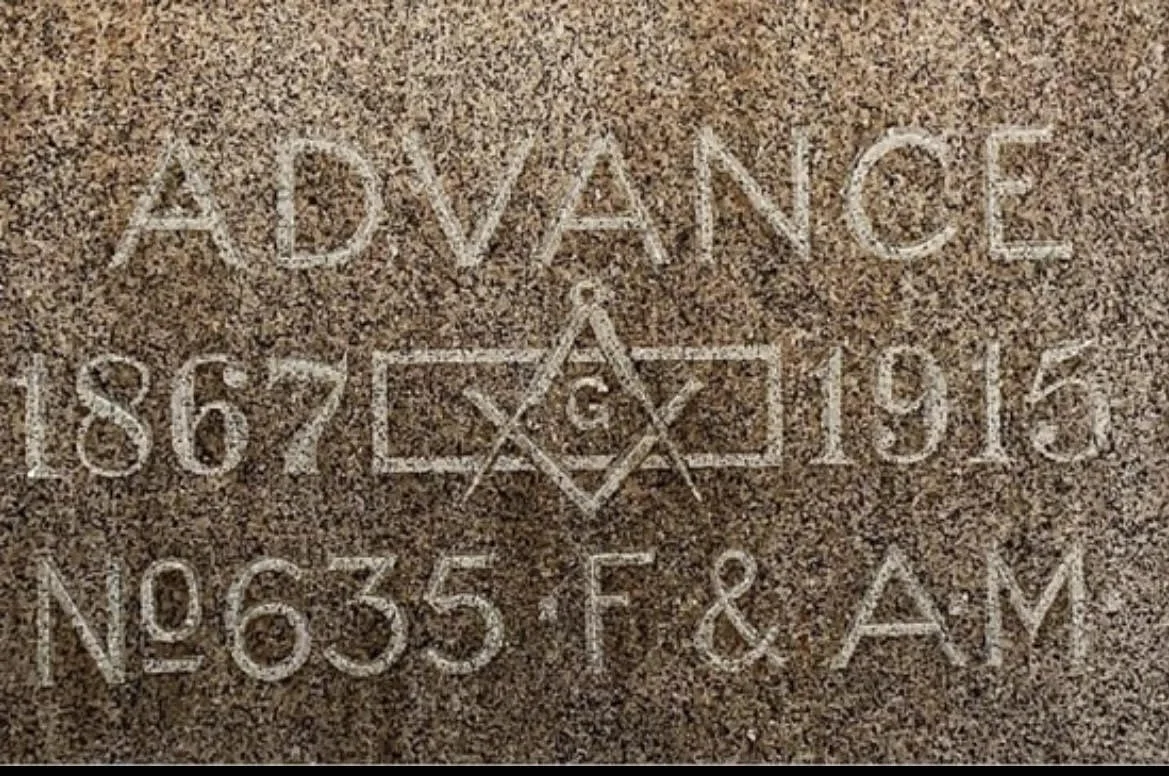
A Cornerstone, a Dinner, and a Borough in a Hurry
After years of fundraising and delay, Advance Lodge No. 635 laid its Astoria temple cornerstone on November 20, 1915, just fifty-seven days after opening construction bids. Explore the building campaign, the elusive refreshments afterward, and a growing Queens neighborhood that was moving just as fast.

Advance Lodge No. 635 Members Directory: Charter Members and Past Members
Browse charter members and past members of Advance Lodge No. 635, Astoria’s first Masonic lodge, chartered in 1867. This growing directory includes founding officers, later members, and connections to the temple and lodge lineage that continue as Advance Service Mizpah Lodge No. 586.
At the Founding: Edward Chauncey Graham and Advance Lodge No. 635
Edward Chauncey Graham, a Manhattan-born insurance broker raised in Howard Lodge No. 35, helped found Advance Lodge No. 635 in Astoria. His story connects an old New York family with the lodge’s founding years.
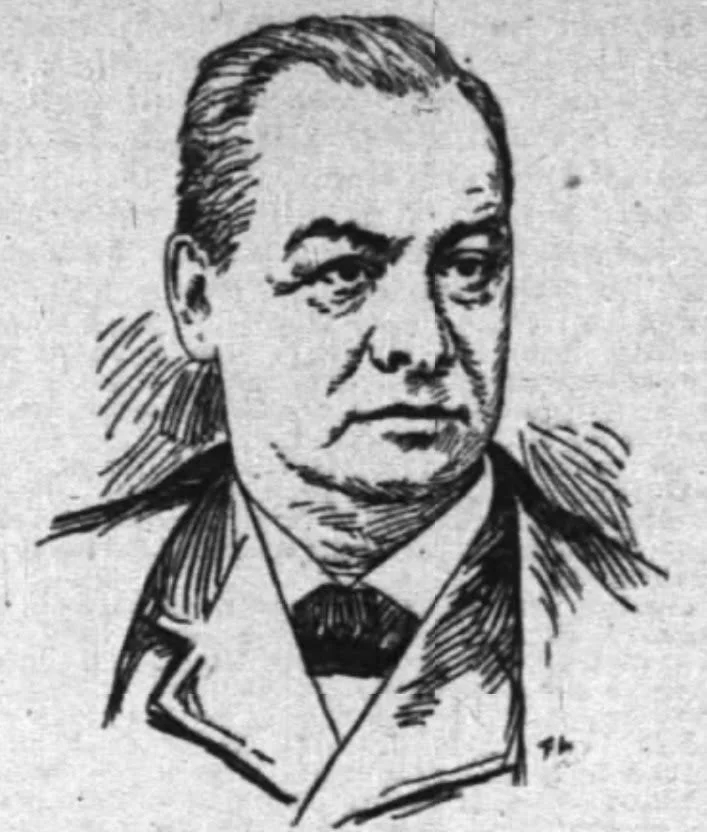
From Forge to Council Table: John L. Morris, Charter Member of Advance Lodge No. 635
An Astoria blacksmith raised in Island City Lodge in 1866, John L. Morris helped found Advance Lodge No. 635. His story connects the lodge’s beginnings with the Odd Fellows’ hall and the Long Island City Board of Aldermen.
A Founder Who Became Master: William M. Berger of Advance Lodge No. 635
William M. Berger was a young New York merchant when he was raised a Mason in 1866 and became a charter member of Advance Lodge No. 635 in Astoria. By 1878, he was its Master—one of seven charter members who went on to lead the lodge.
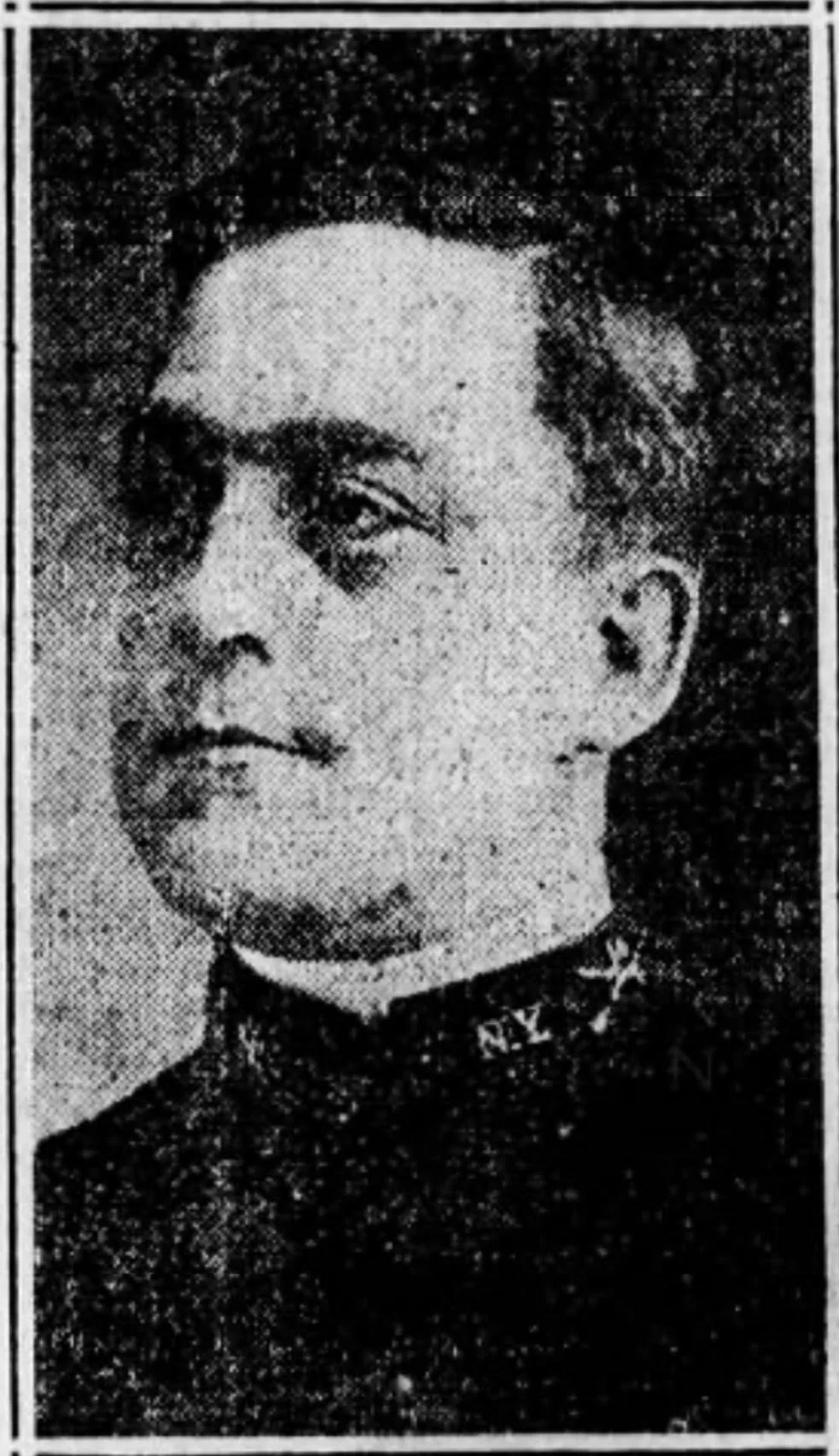
The Engineer's Room: Arthur E. Wenige and the Lodge Room Queens Built Twice
Advance Lodge could not find an architect. A brother it had raised in 1903 sent over the lodge-room drawings his firm had already used in Woodhaven, and the room built from them is still at work in Astoria.
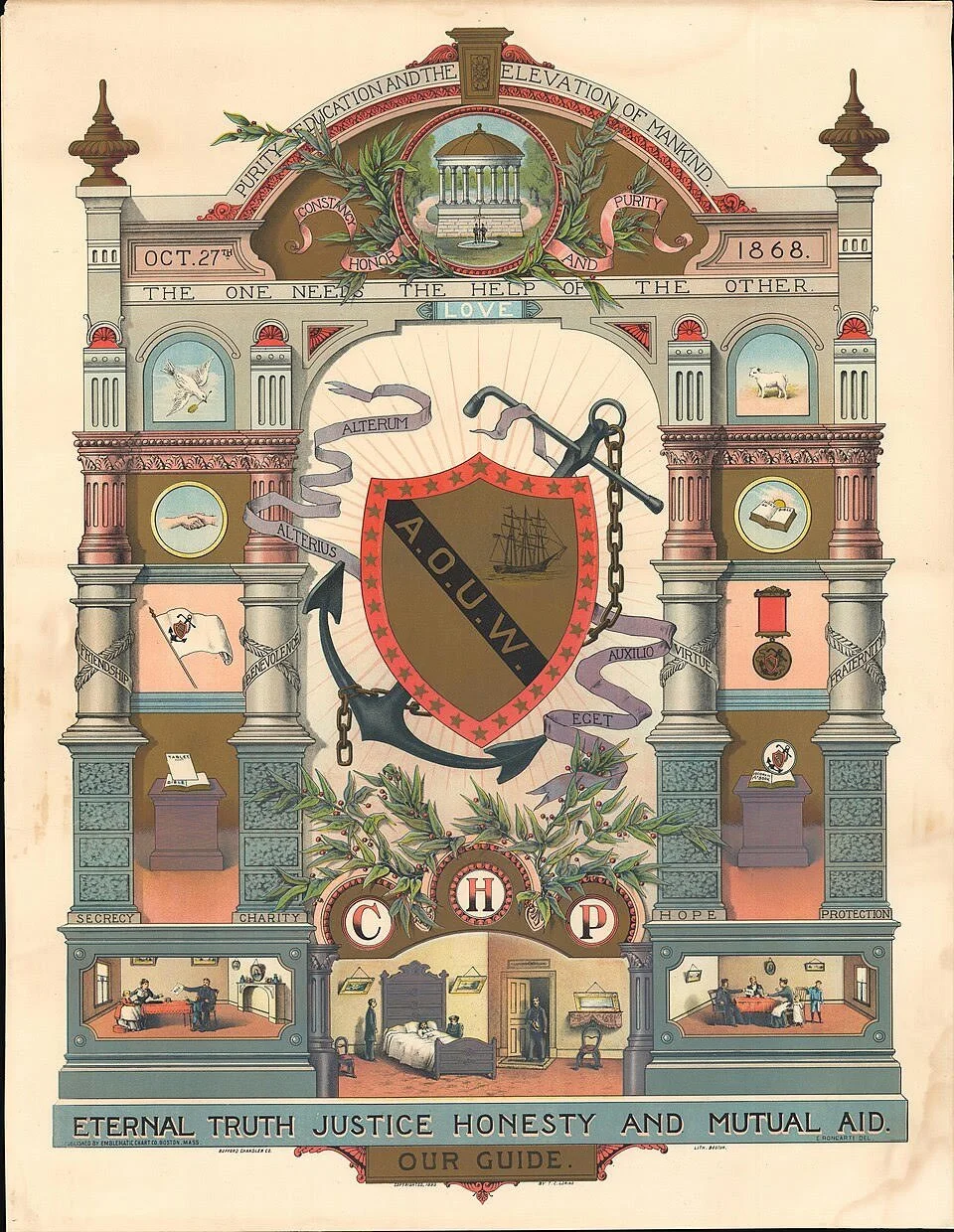
The Workmen of Astoria
A picnic, a crowded ball, and an anniversary smoker trace the history of John Allen Lodge No. 330 in Astoria. Explore how the Ancient Order of United Workmen brought fellowship and financial protection into local fraternal life—and how individual members connected it with Advance Lodge No. 635.
Charles Cranfield of Astoria: Painter, and Charter Member of Advance Lodge No. 635
English-born painter Charles Cranfield helped found Advance Lodge No. 635 and later served as its Master. From lodge suppers to jury selection in the Martin Thorn trial, his story offers a glimpse of Astoria’s fraternal and civic life in the nineteenth century.