The Eagle That Returns Each Day
Recurring suffering, repeated wounds, and the life that must go on
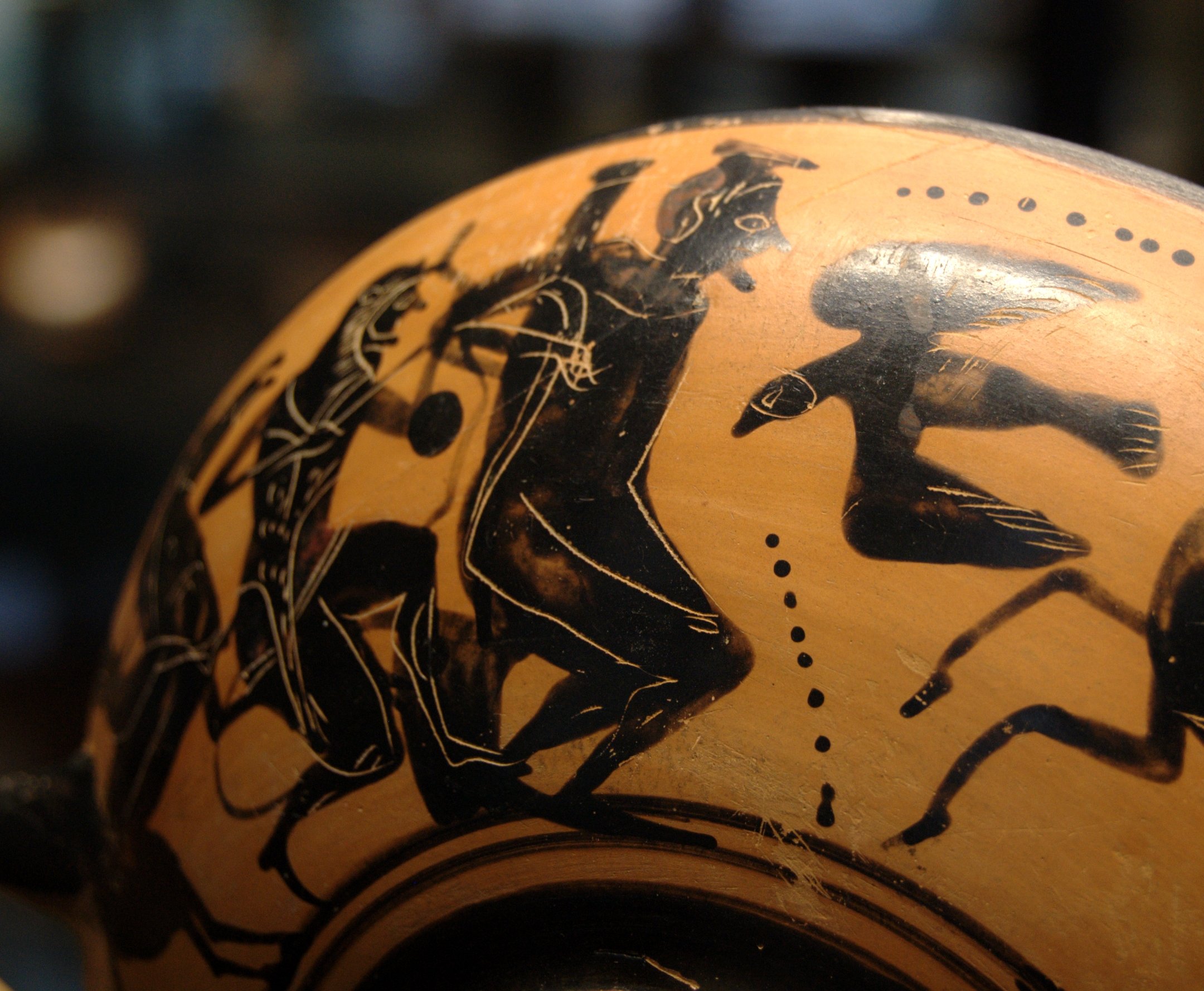
The eagle does not strike once. It returns. Prometheus’ punishment is not catastrophe but recurrence—the wound that heals only so it can be opened again.
There are sufferings that arrive once.
A loss. A diagnosis. A betrayal. A failure. A public humiliation. A single event after which life is divided into before and after.
Then there are sufferings that return.
They recur in memory, pain, habit, fear, shame, grief, illness, temptation, financial pressure, family conflict, loneliness, addiction, resentment, or the old question one thought had been answered years ago.
Prometheus’ eagle belongs to the second kind.
The eagle does not descend once, perform its terrible task, and leave the Titan to recover in peace. It returns every day. It consumes the liver. The liver grows back. The condition renews itself precisely so that the suffering may be renewed.
This is not a story about a single catastrophe.
It is a story about recurrence.
The wound that heals only to be opened
The ancient liver had symbolic associations with life, feeling, appetite, and vitality. It was a fitting organ for Prometheus’ punishment because the suffering is not merely physical. The eagle attacks what allows him to continue living.
Yet Prometheus does continue.
The liver grows back.
This makes the myth more terrible. Recovery does not end the pain. Recovery makes the next pain possible.
Anyone who has lived with a recurring burden understands something of this.
The person who grieves does not grieve once.
The person struggling with an addiction does not conquer it through one good day.
The person with chronic pain does not “move on” merely because others have become impatient with the subject.
The person carrying shame may be reminded of it by an ordinary remark years later.
The person trying to forgive may discover that resentment has grown back overnight.
The eagle returns.
Endurance without romanticizing suffering
It is tempting to turn Prometheus into a poster for toughness.
“Endure.”
“Never give up.”
“Pain makes you stronger.”
This is usually said by people who are not currently chained to a rock.
The myth is more honest.
Suffering does not automatically ennoble. It can make a person bitter, frightened, isolated, exhausted, or less able to trust. It can distort judgment. It can consume attention. It can narrow the world until survival becomes the only visible task.
Prometheus’ endurance is remarkable not because pain is good, but because he refuses to let pain erase his identity.
He remains Prometheus—Forethought—even while bound.
The eagle attacks him. It does not define him.
This is an important distinction.
A person may be wounded without becoming only his wound.
He may suffer without allowing suffering to become his sole language.
He may endure without pretending that endurance is easy or that help is unnecessary.
The daily discipline of returning
The recurring wound requires a different kind of courage from the dramatic crisis.
It requires daily return.
The person gets up again.
He keeps the appointment.
He takes the medicine.
He makes the call.
He tells the truth.
He goes to work.
He apologizes again.
He resists the urge again.
He learns to rest without giving up.
He learns to accept help without losing dignity.
The heroic act is not always slaying the monster.
Sometimes it is refusing to become the person the monster would make of you.
This is why the eagle image is so strong. The suffering returns, but so does the liver. The wound is repeated, but so is life.
Prometheus’ body contains both pain and renewal.
The Masonic meaning of endurance
Masonic symbolism often emphasizes fortitude, but fortitude should not be confused with silence.
The strong person is not necessarily the one who says nothing, asks for nothing, and carries every burden alone until he becomes resentful.
Fortitude is the capacity to remain directed toward the good under difficulty.
It may include speaking.
It may include asking for help.
It may include setting limits.
It may include accepting that a wound will require ongoing care.
It may include refusing to make pain an excuse for cruelty.
The eagle teaches that some burdens are not resolved by one act of courage.
They become part of the work because they return.
The question is not whether the eagle will come.
The question is whether the person bound to the rock can preserve what is highest in himself until help, strength, insight, friendship, grace, or time makes liberation possible.
Some wounds are not defeated by surviving them once.
They become part of the work because they return.
Endnotes and further reading
Aeschylus, Prometheus Bound, on Prometheus’ binding, suffering, and endurance.
Hesiod, Theogony, on Zeus’ punishment of Prometheus and the eagle.
For the late-Platonic tradition connecting Prometheus and Heracles to soul and liberation, see scholarship on Damascius’ interpretation in his Phaedo commentary.[1]
Related reading: “The Two Gates of the Soul” and “Why Humiliation Can Teach What Pride Cannot.”