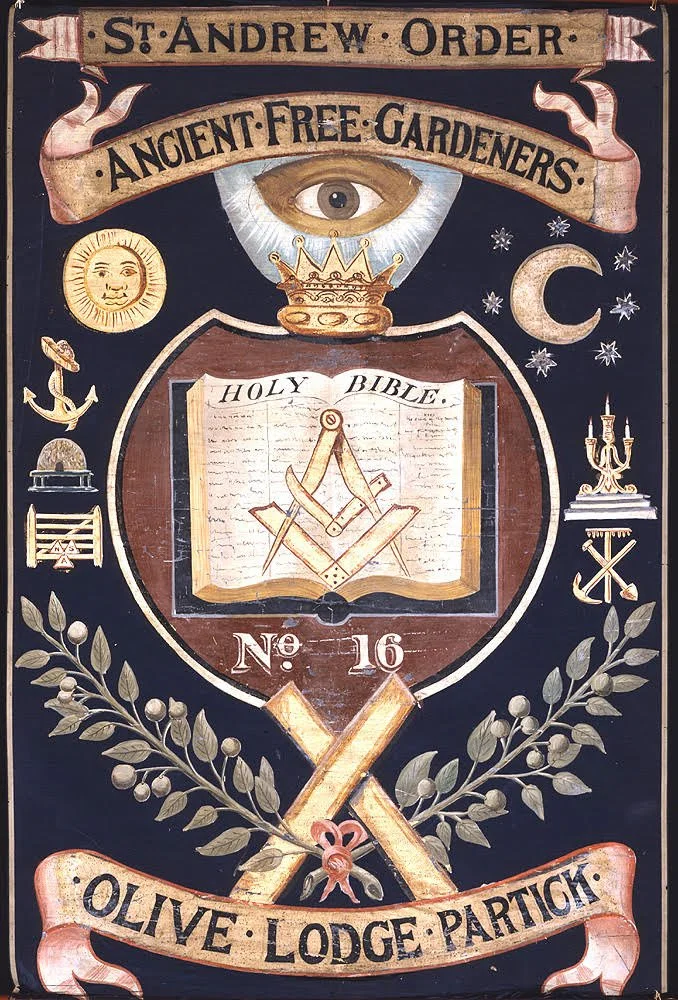
Same Apron, Different Animal
A fraternal pin, apron, or badge can point to several different organizations—not all of them Masonic. Same Apron, Different Animal explains how to distinguish lodges, service clubs, benefit societies, and esoteric orders, with a practical guide to researching objects found in family collections.
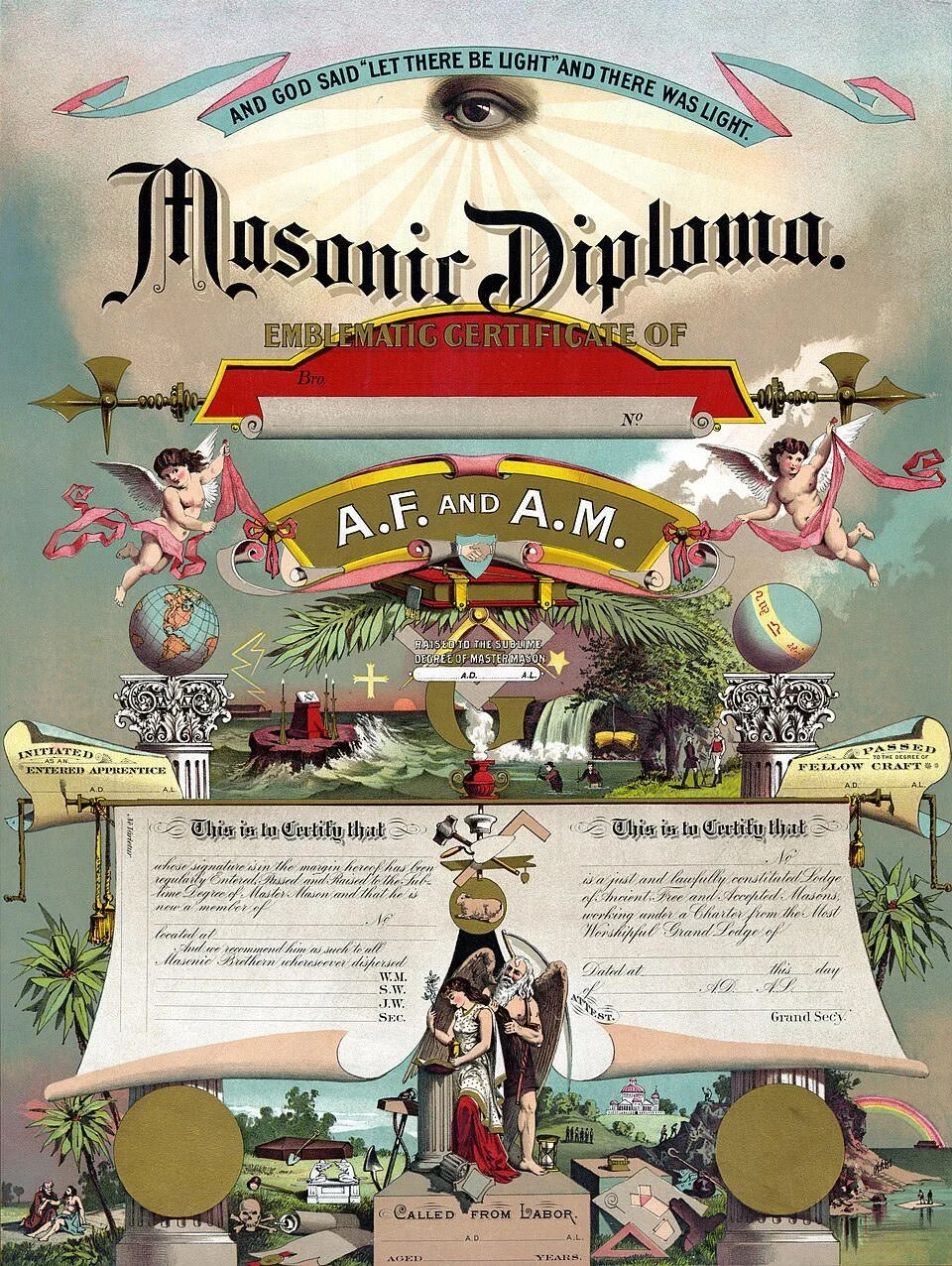
Why Initiation Is About Transformation, Not Information
Reading about an institution does not make you a member. Explore how Masonic initiation marks an undertaking—and why its promise of transformation depends on what follows.
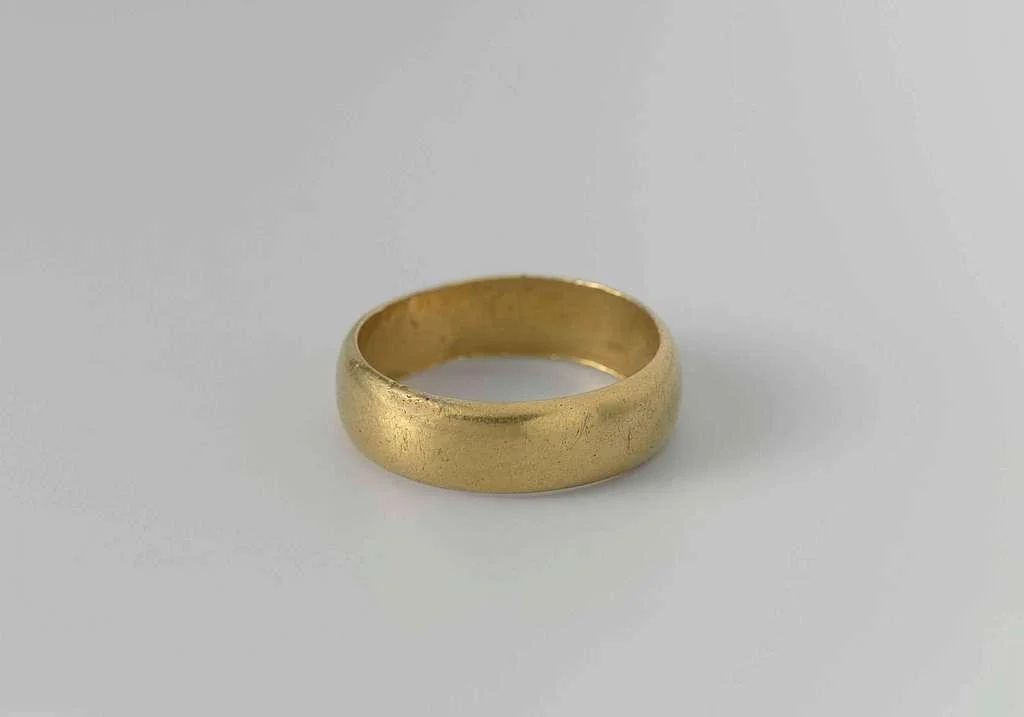
Why Symbols Say Things Plain Language Cannot
You can explain a wedding ring without replacing it. Explore how Masonic symbols gather meaning through objects, relationships, and experience—and why clear explanations still matter.
Why Brotherhood Is Harder Than Friendship
You do not have to become close friends with every member of a lodge. But what do you owe those you would not have chosen? Explore brotherhood, loyalty, and responsibility across difference.
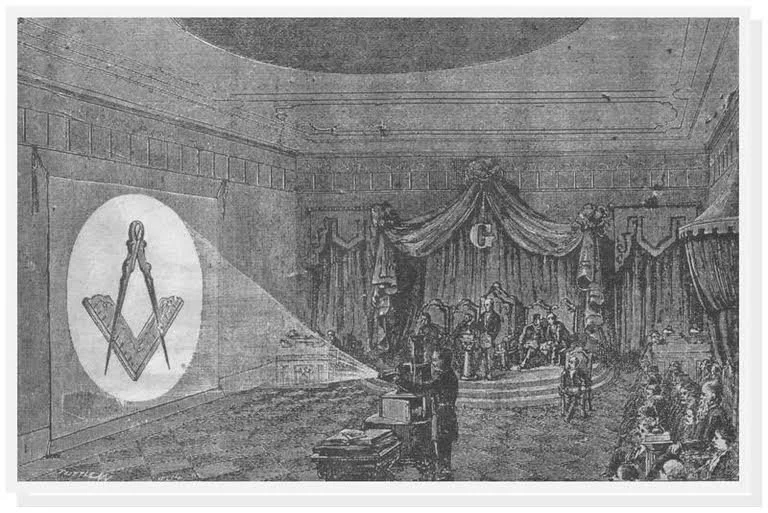
Why Ritual Works Even When You Don’t Fully Understand It
You may remember a ceremony before you can explain it. Explore how Masonic ritual can shape attention and memory—and why being affected is not the same as being improved.
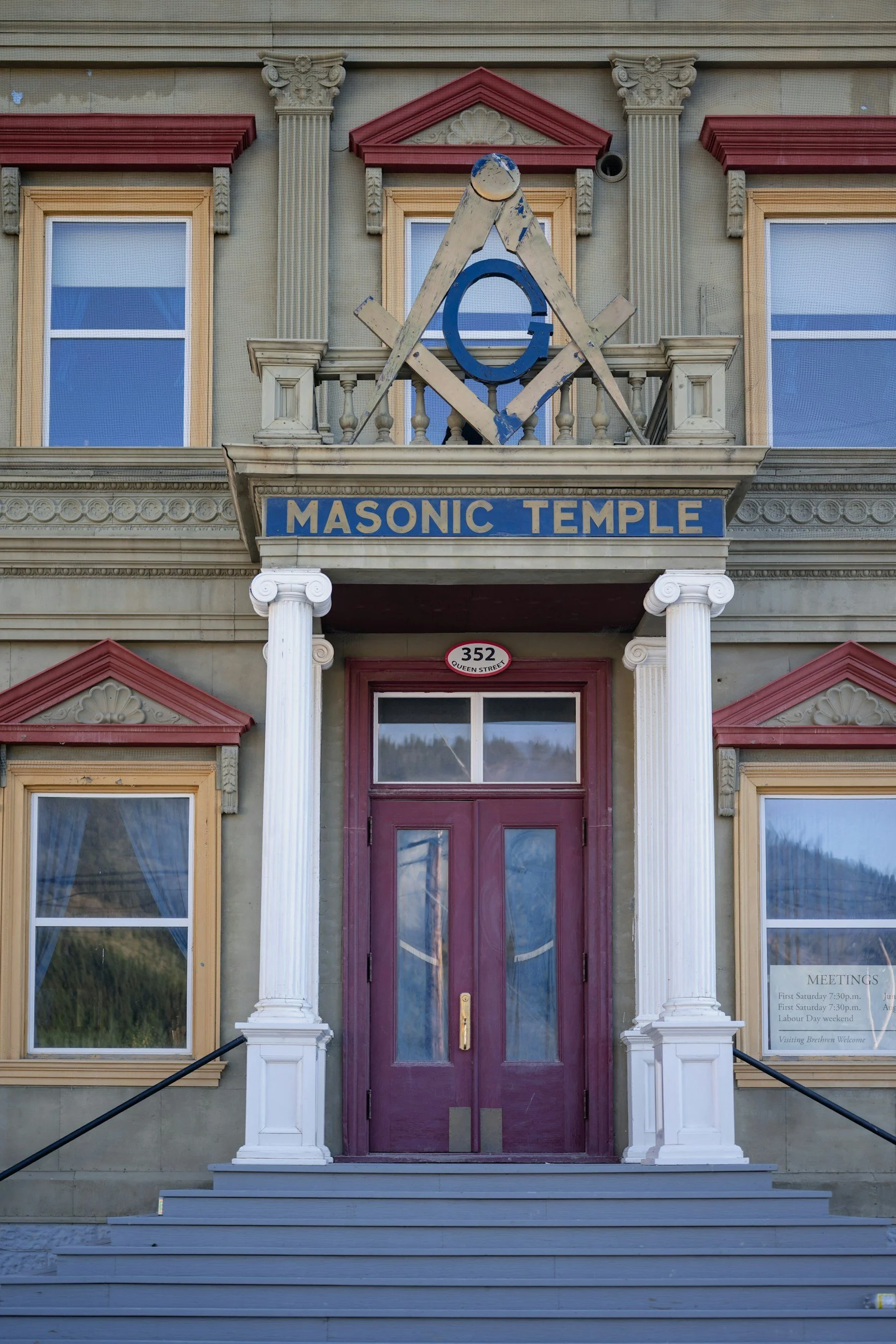
Why Secrecy Is Not the Same as Wisdom
A locked box may contain a jewel—or old receipts. Explore Masonic secrecy, privacy, and silence, and why restricted access tells us little about the wisdom inside.

The Working Tools
A gauge measures. A square tests. Compasses set limits. Explore how Masonic working tools turn general ideas about character into particular questions about conduct.

Masonic Symbols & Symbolic Thinking
Why does Freemasonry teach with stones, tools, and ceremonies? Explore thirteen connected essays on Masonic symbols, symbolic thinking, and the work of character.
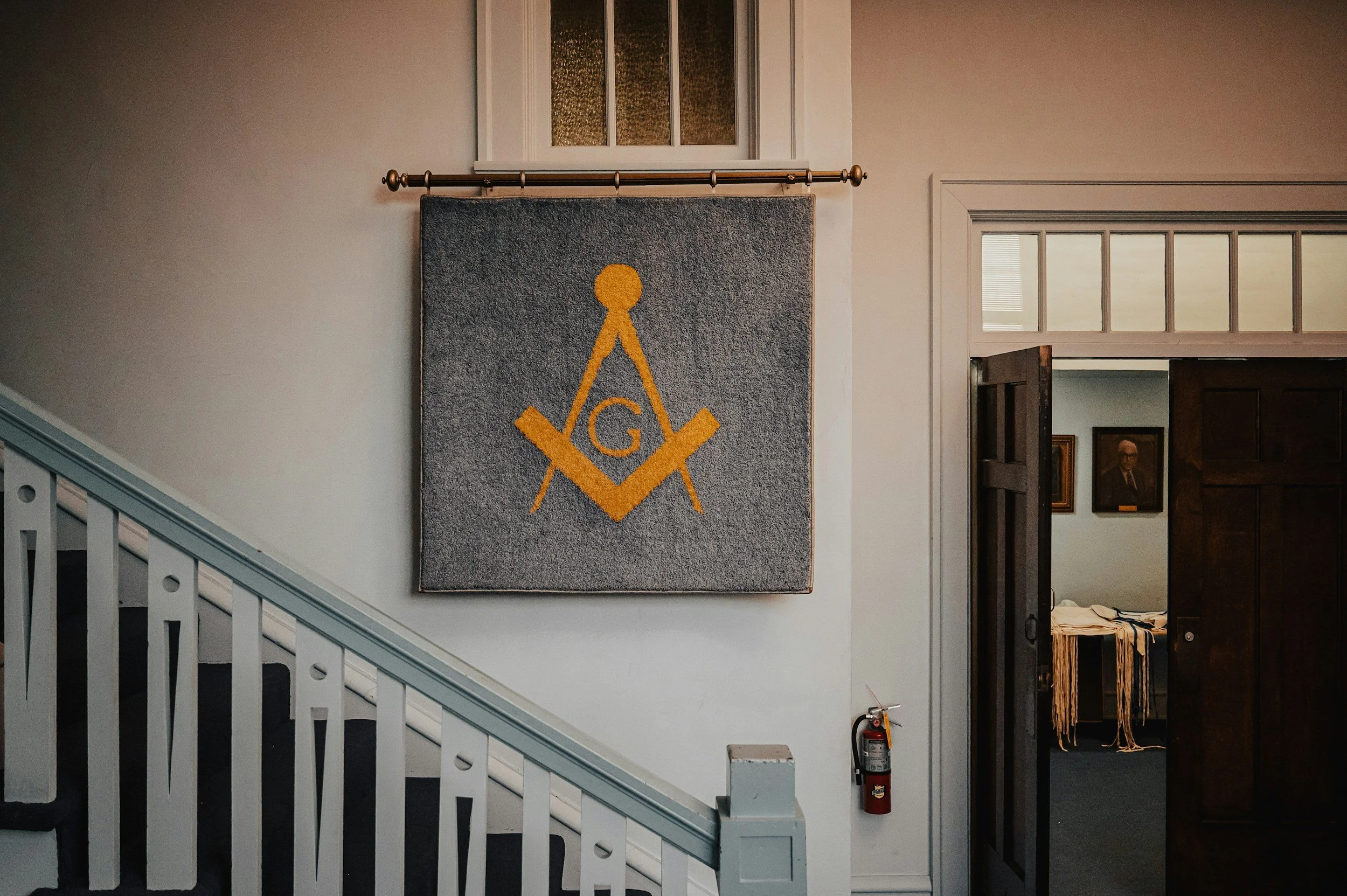
Masonic Symbols: Guided Readings (A Section of Masonic Symbols & Symbolic Thinking)
Why does Freemasonry teach through stones, tools, pillars, and carefully arranged spaces? Explore Brete Murphy’s guided reading series on the ashlars, the two pillars, the twenty-four-inch gauge, and the lodge room, with related essays on light, geometry, and the liberal arts.

Why Masons Talk in Stones, Tools, and Symbols: A Personal Introduction
A clear, personal introduction to Masonic symbols and why Freemasons use stones, tools, and moral images to teach character, boundaries, equality, and integrity.