Skill Is Not Wisdom
What Daedalus knows, and what he does not know
Daedalus can make statues move, prisons confound, and wings carry human beings into the sky. But Greek myth insists on a distinction still worth keeping: skill can make something possible without making it good.
Daedalus is brilliant.
This should not be minimized.
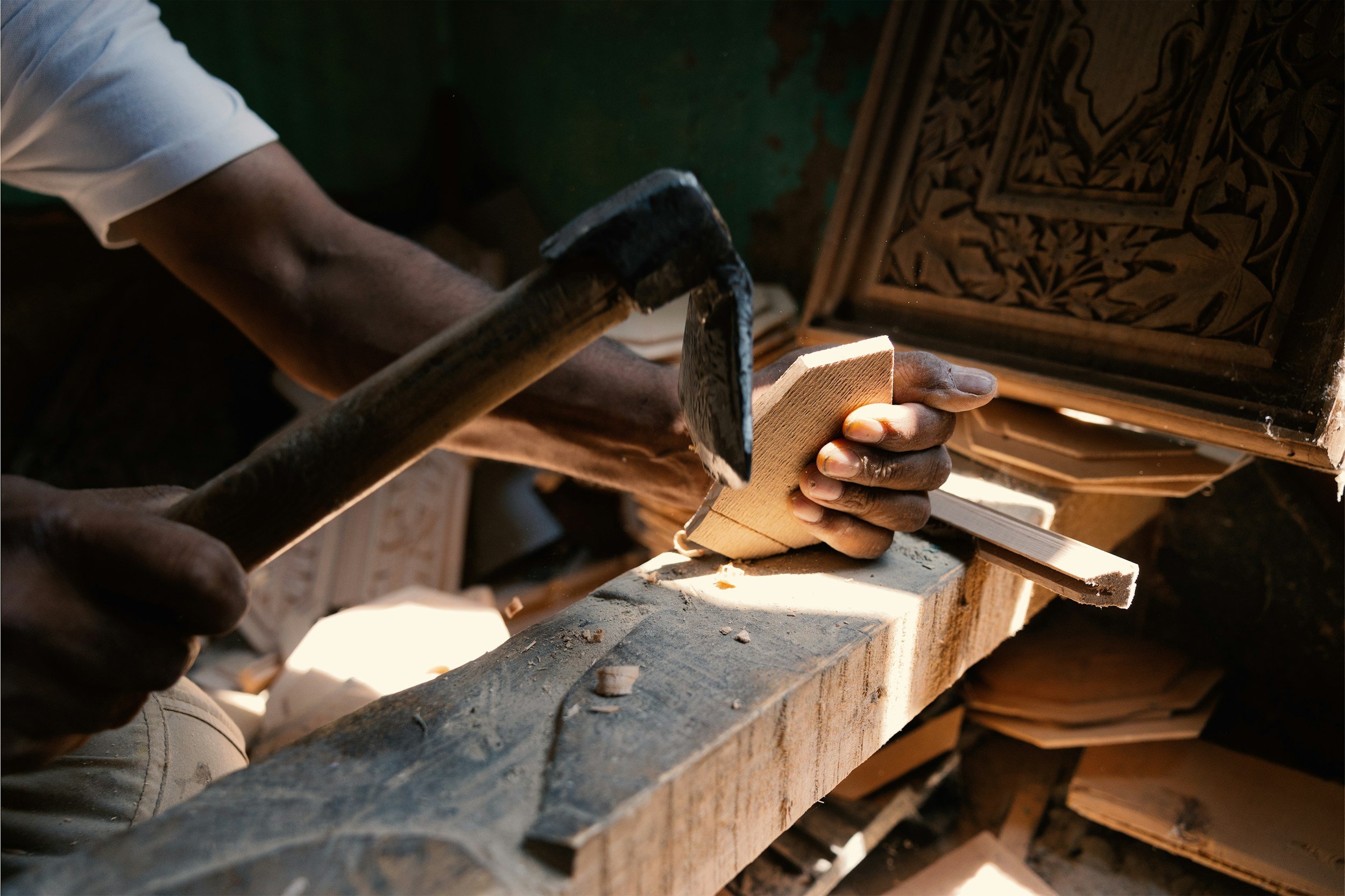
He is one of mythology’s supreme craftsmen. Ancient tradition credits him with extraordinary sculpture, ingenious mechanisms, architectural design, and inventions that made human art seem almost alive. In some accounts, his statues move. In others, he devises tools and systems that change what human hands can accomplish.
He is the patron saint of people who look at a difficult problem and say, “There must be a way.”
There usually is.
That is not the same as saying there should be.
Technē and the power to make
The Greeks had a word for skilled making: technē.
It can mean art, craft, technique, expertise, or a disciplined knowledge of how to produce a result. A shipbuilder has technē. A physician has technē. A sculptor has technē. A rhetorician, architect, carpenter, musician, and engineer may all possess forms of it.
Daedalus has it in abundance.
He knows how things fit together.
He understands material.
He sees possibilities invisible to less trained eyes.
He can make an idea take form.
This is a genuine human excellence.
The problem begins when technē imagines that it is self-justifying.
Skill can answer:
How can this be built?
How can this be hidden?
How can this be made more efficient?
How can this be sold?
How can this be defended?
How can this be made beautiful?
These are powerful questions.
They are not enough.
Wisdom asks another question
Wisdom asks:
Should this be built?
Whom will it serve?
Whom will it harm?
What will it make easier?
What will it make invisible?
What habits will it encourage?
What responsibility follows from making it possible?
This distinction appears throughout Greek philosophy.
Plato is suspicious of technical expertise that lacks knowledge of the good. A rhetorician may persuade without understanding justice. A physician may know the body without knowing the larger purpose of life. A politician may know how to win without knowing how to rule. A builder may know how to construct without knowing what makes a city just.
Aristotle distinguishes technē from phronēsis, practical wisdom. The craftsman knows how to make. The practically wise person knows how to act well in particular circumstances.
Daedalus has the first in mythic abundance.
The story repeatedly asks whether he has enough of the second.
The trap of cleverness
Cleverness is intoxicating.
A person solves a difficult problem and begins to believe that the ability to solve problems gives him moral authority over every problem.
This is a mistake.
A person can be clever and selfish.
Ingenious and reckless.
Productive and cruel.
Technically capable and morally childish.
The danger is especially great when skill brings admiration. People begin to praise the maker. The maker begins to trust his own power. Soon every limit looks like a challenge to overcome rather than a moral question to consider.
Daedalus’ world is full of such limits.
The Labyrinth is possible. But what does it imprison?
The wings are possible. But who is prepared to use them?
The artificial cow built for Pasiphaë is possible. But what disorder does it enable?
The escape from Crete is possible. But it exposes Icarus to a freedom he does not yet understand.
The myth does not condemn invention.
It demands responsibility from inventors.
The Masonic craftsman
The Masonic tradition has every reason to respect craft.
It honors builders, tools, geometry, labor, design, measure, and the dignity of making. It understands that ideas become real through skillful hands and disciplined work.
But its moral symbolism insists that the builder must build himself as well.
A man may know how to erect walls and still lack justice.
He may understand proportion in stone and lack proportion in appetite.
He may be capable of great work and unable to govern pride.
The skillful hand requires a governed heart.
The question for the craftsman is not whether he can make something remarkable.
It is whether he can remain answerable to the human good his work will touch.
Skill answers the question, “How can this be done?”
Wisdom asks the harder question, “What should be done, and what will it cost?”
Endnotes and further reading
Plato, Gorgias, on rhetoric, expertise, and the difference between true art and flattery.
Plato, Republic, on knowledge, justice, and the governance of technical capacities by reason.
Aristotle, Nicomachean Ethics Book VI, on technē, phronēsis, and practical wisdom.
Ovid, Metamorphoses Book 8, on Daedalus’ inventive skill and its consequences.
Related reading: “The Builder of the Labyrinth” and “Geometry, Architecture, and Moral Proportion.”