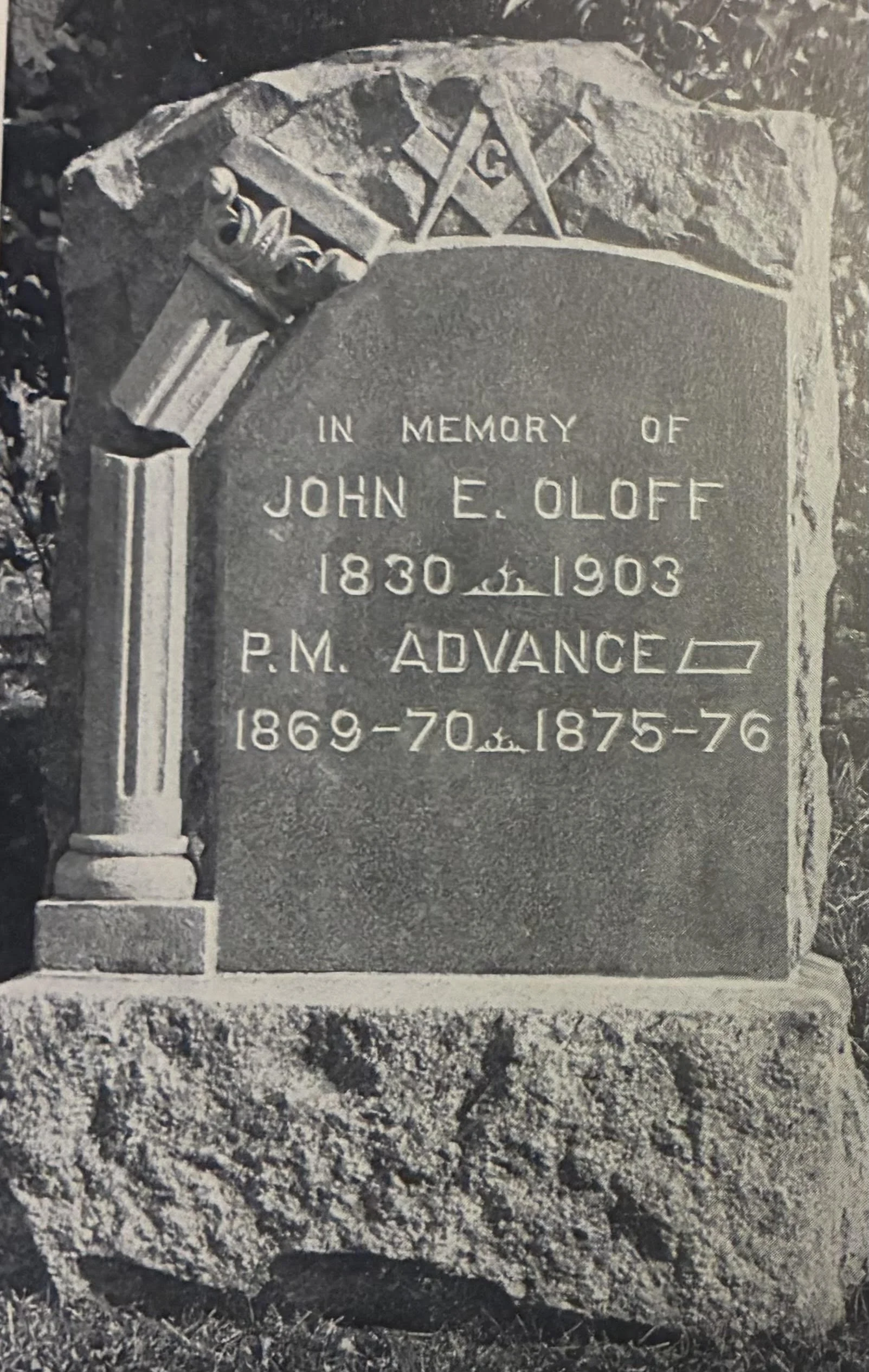
John E. Oloff of Astoria: Swedish-Born Ship Carpenter and Charter Member of Advance Lodge No. 635
Swedish-born ship carpenter John E. Oloff brought a decade of Masonic experience to the founding of Advance Lodge No. 635. Remembered as a Master, Treasurer, and patient teacher of ritual, he helped shape the Astoria lodge’s standards and traditions.
Charles Cranfield of Astoria: Painter, and Charter Member of Advance Lodge No. 635
English-born painter Charles Cranfield helped found Advance Lodge No. 635 and later served as its Master. From lodge suppers to jury selection in the Martin Thorn trial, his story offers a glimpse of Astoria’s fraternal and civic life in the nineteenth century.
Cornelius R. Morris of Astoria: Blacksmith, Fire Chief, and Charter Member of Advance Lodge No. 635
Blacksmith, fire chief, village collector, and Odd Fellows leader, Cornelius R. Morris helped found Advance Lodge No. 635. His story reveals the connections among Astoria’s trades, public service, and fraternal life in the years surrounding the Civil War.
William B. Wilson of Astoria: Long Island City Supervisor and Member of Advance Lodge No. 635
William B. Wilson served as Long Island City supervisor and belonged to Advance Lodge No. 635. His political career and 1873 funeral notice reveal the connections among Astoria’s Masons, firemen, city officials, and Queens County leaders.
Captain Martin Willis of Astoria: Civil War Prisoner and Advance Lodge No. 635
Captured at Williamsburg in 1862, Civil War captain Martin Willis endured imprisonment in Richmond before returning to Astoria. In 1866, he became a charter member of Advance Lodge No. 635, connecting the lodge’s beginnings to the wartime experience of its Queens neighbors.
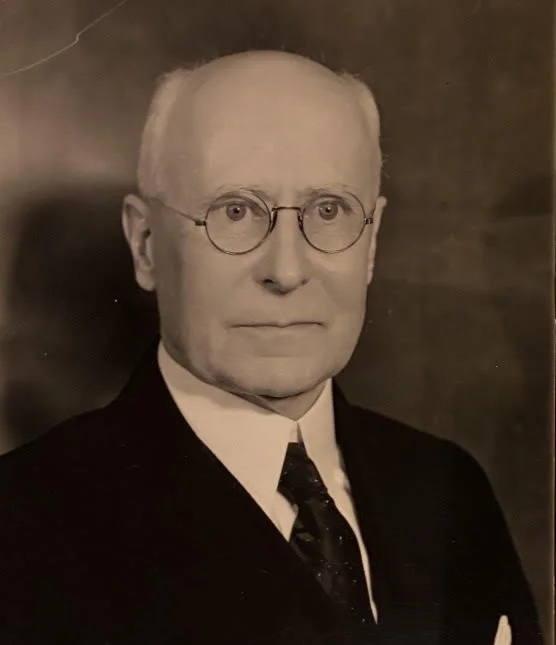
Frederick Skene and Advance Lodge No. 635: The Engineer Who Built Queens, Then the State
Frederick Skene joined Advance Lodge No. 635 in 1898 and went on to oversee Queens highways and New York’s roads and canals. His story connects engineering, Masonic life, a courtroom acquittal, and a second career in education.
Ezra Newton Dodson and Advance Lodge No. 635: The Reporter Who Watched Queens Grow
Reporter Ezra Newton Dodson chronicled a changing Queens while building ties to its Masonic community. Follow his story from Advance Lodge No. 635 in Astoria to the charter rolls of Richmond Hill Lodge.
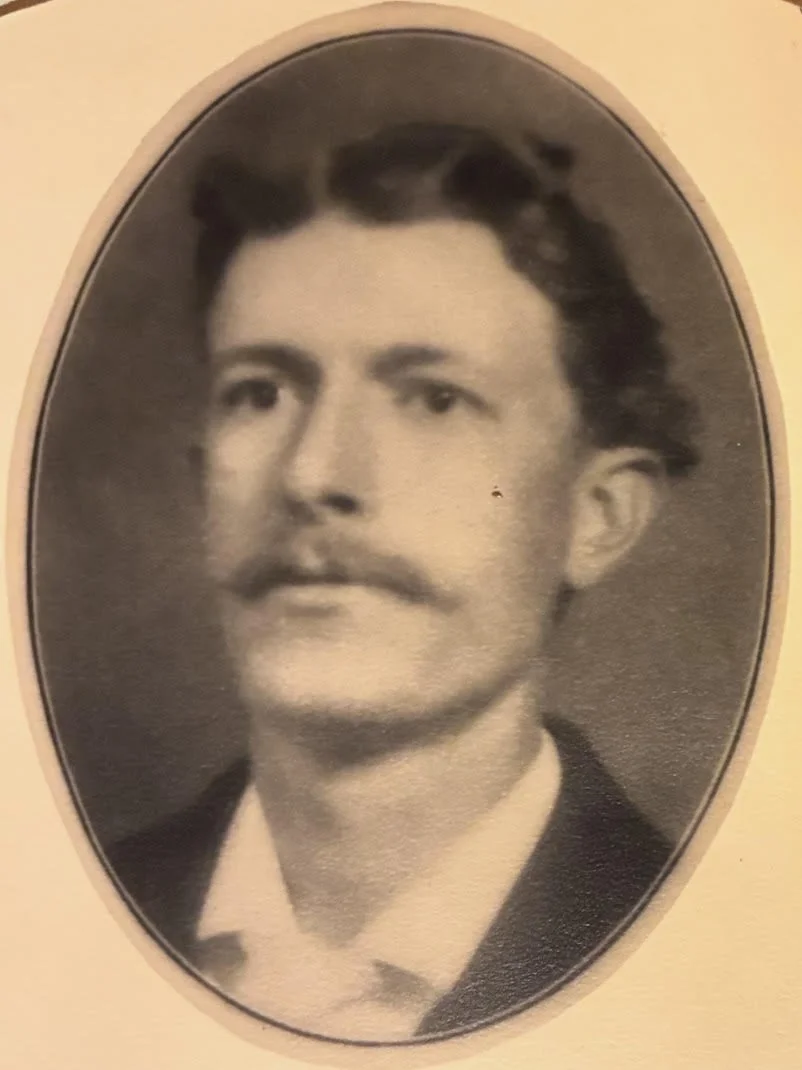
John I. Lovell and Advance Lodge No. 635: The Mason Who Helped Build the Temple
Discover the story of John I. Lovell, a Long Island City bricklayer who helped Advance Lodge No. 635 build its own Masonic temple in Astoria. Lodge records, newspaper accounts, and a 1915 mortgage trace his role as a trustee and building committee member—and the family connection continued by his son.
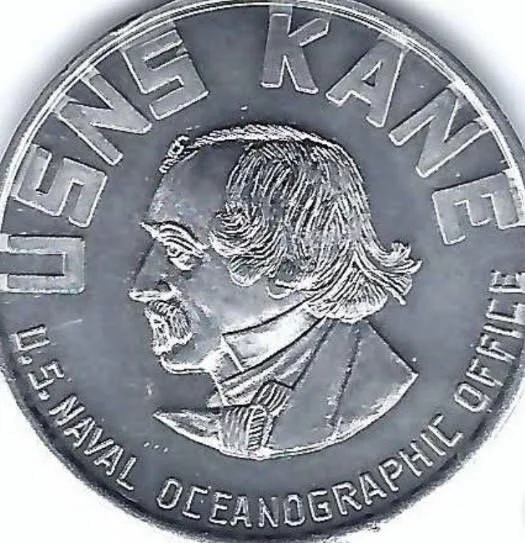
The USS Advance and the Arctic Trial of Brotherhood
How a cargo brig became a vessel of transformation: the story of the USS Advance, the Grinnell Expeditions, and the enduring themes of discipline, ordeal, and brotherhood.
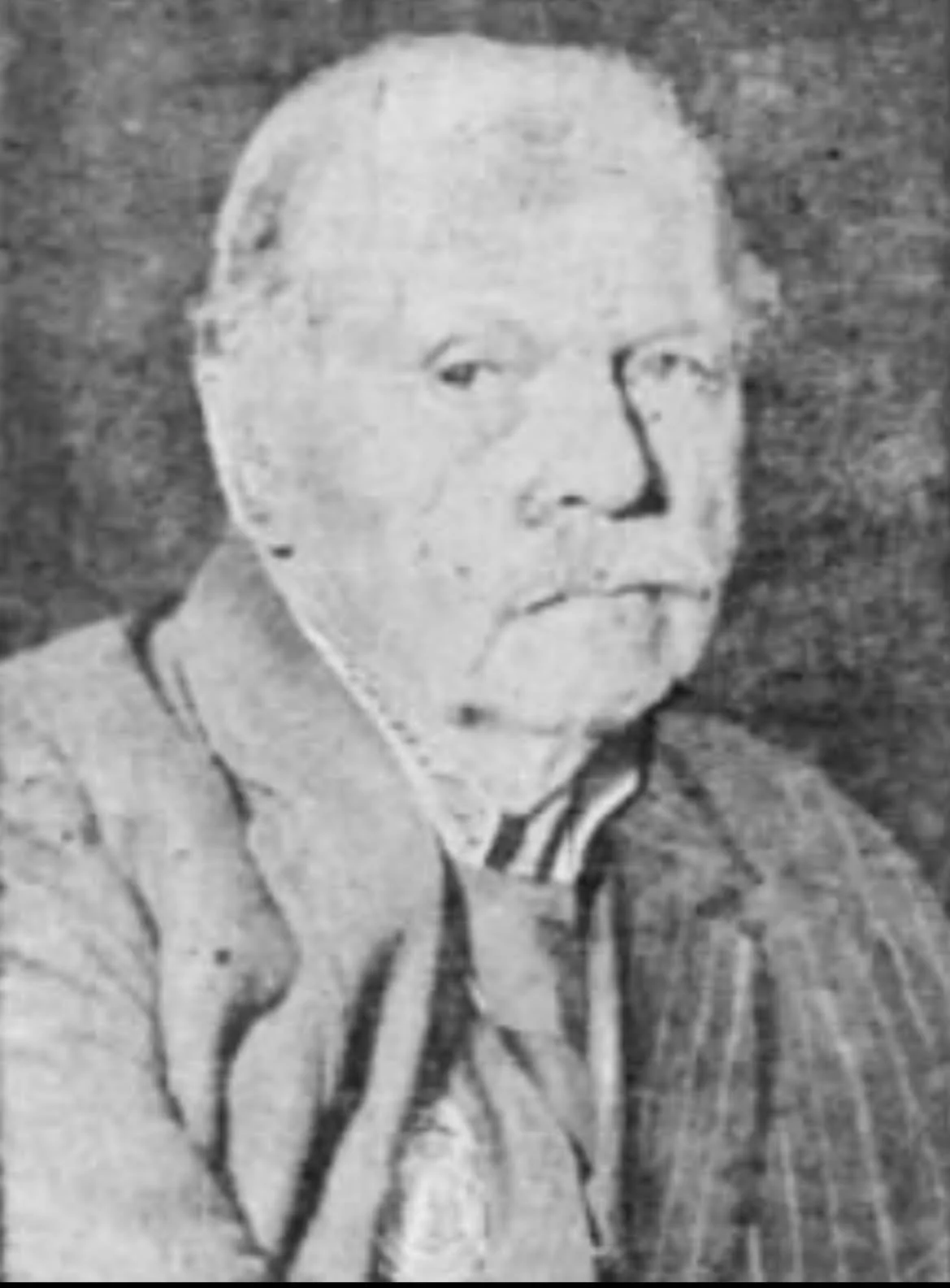
Ernest Ankener: Queens Surveyor & Freemason’s Legacy
Excerpt: A quiet Elmhurst street opens a window into Queens’ past. Explore the life of Ernest Ankener, an engineer, surveyor, and Freemason whose work helped shape the borough—and whose name lives on in Ankener Avenue.
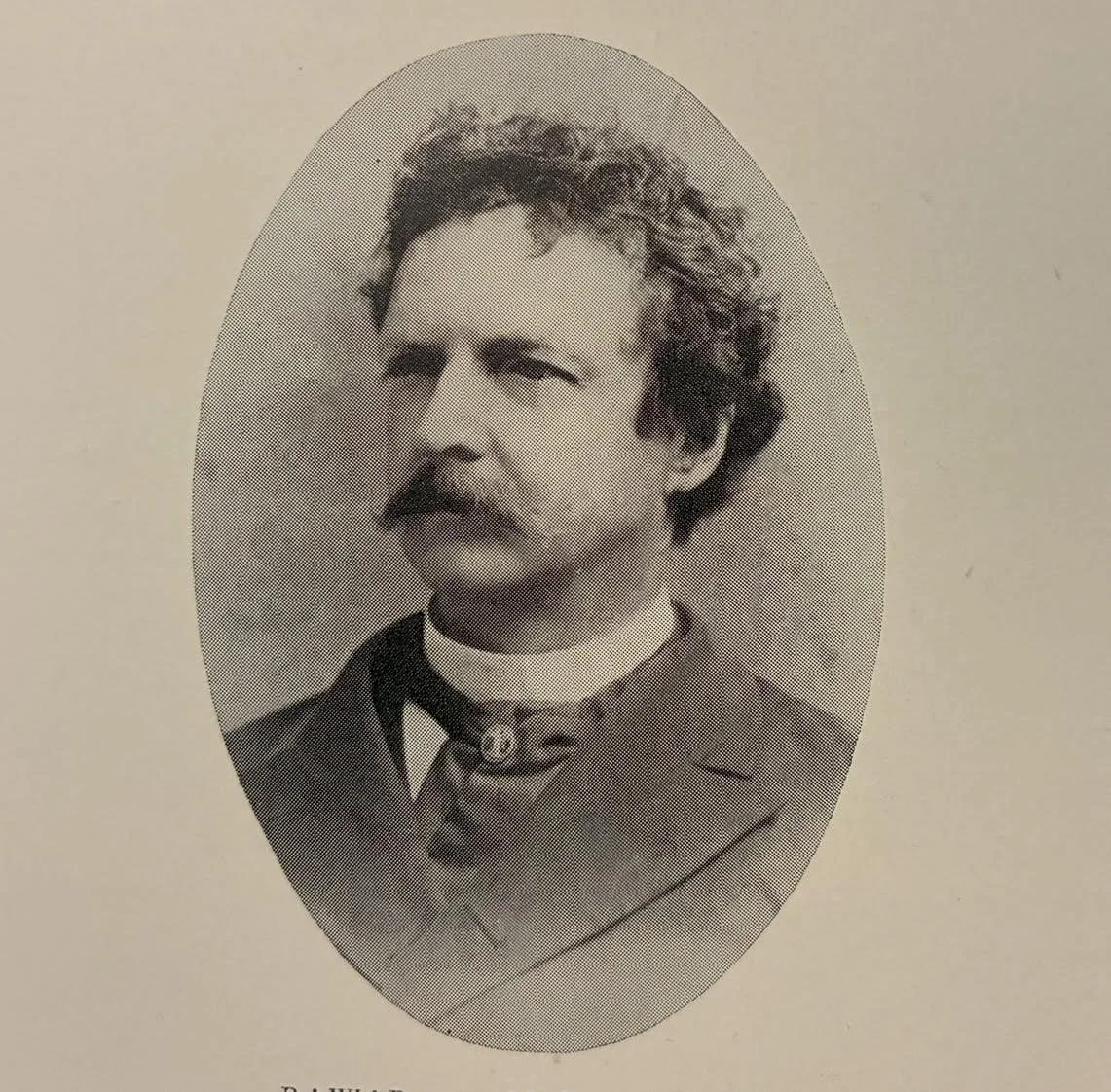
Robert M. C. Graham: Queens Freemason & Civic Leader
Excerpt: Colonel Robert McCoskry Graham brought ambition and brotherhood to the civic and Masonic life of nineteenth-century New York. Explore his leadership in Advance Lodge, his Scottish Rite connections, and his efforts to shape the future of Astoria and Long Island City.

The Professor of Hell Gate: Benjamin Maillefert’s Underwater World
Before the great explosions that transformed Hell Gate, Benjamin S. H. Maillefert attacked its submerged rocks with powder charges and an electric battery. Follow the Barcelona-born inventor through Astoria, a fatal blasting accident, Civil War waterways, and the intriguing possibility that his diving-bell design survives in a Georgia river artifact.
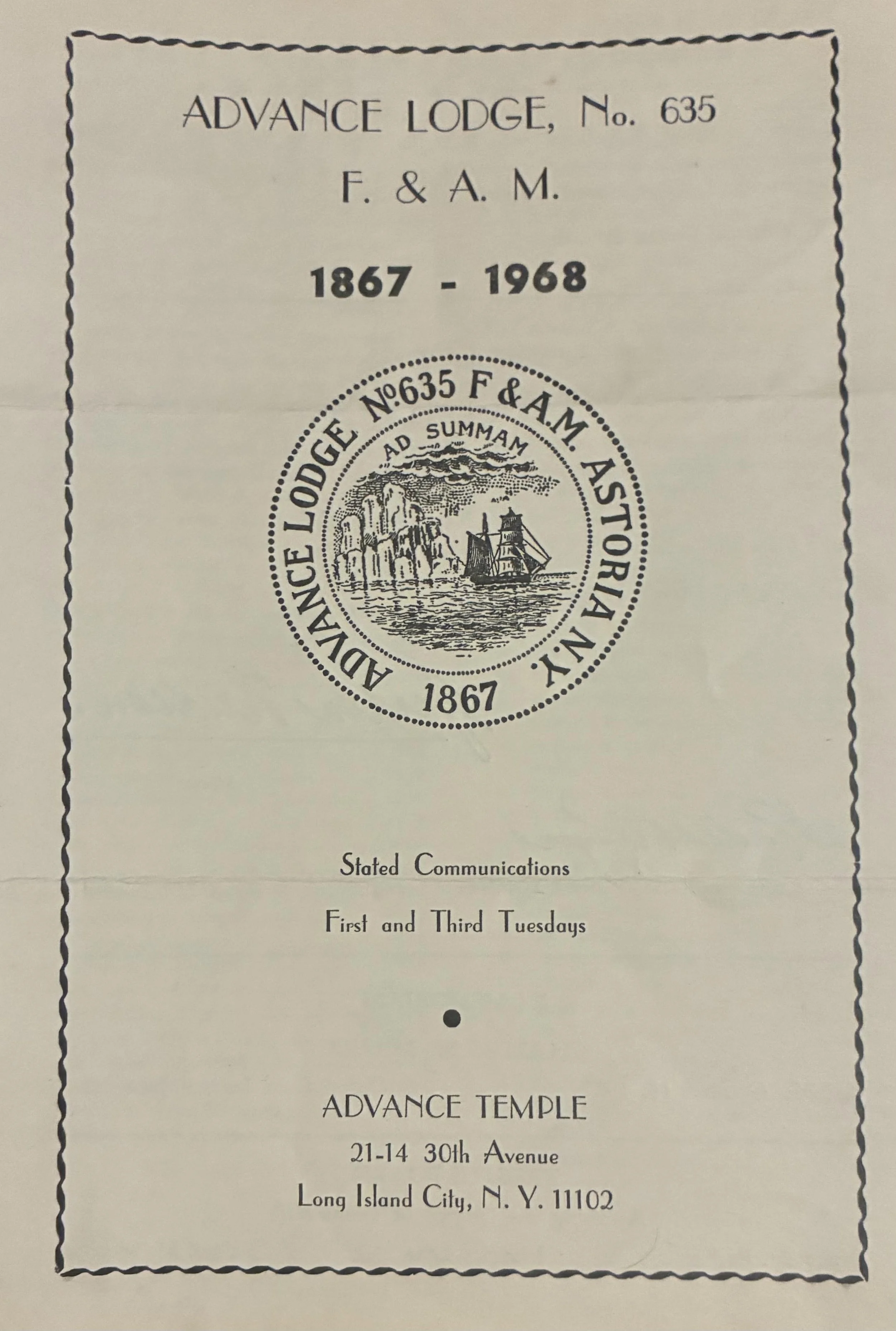
Advance Lodge No. 635: Charter & Charter Members
Twenty-two brothers sought a Masonic home closer to their lives in Astoria. Meet the charter members of Advance Lodge No. 635 and discover how their shared purpose led to its dispensation and charter in 1867.
Rainey, Part 2: Rainey Park
Rainey Park occupies an East River shore once intended for a bridge anchorage. Explore how the waterfront became public ground, why it bears Thomas Rainey’s name, and what the city’s records reveal about its acquisition, expansion and changing landscape.
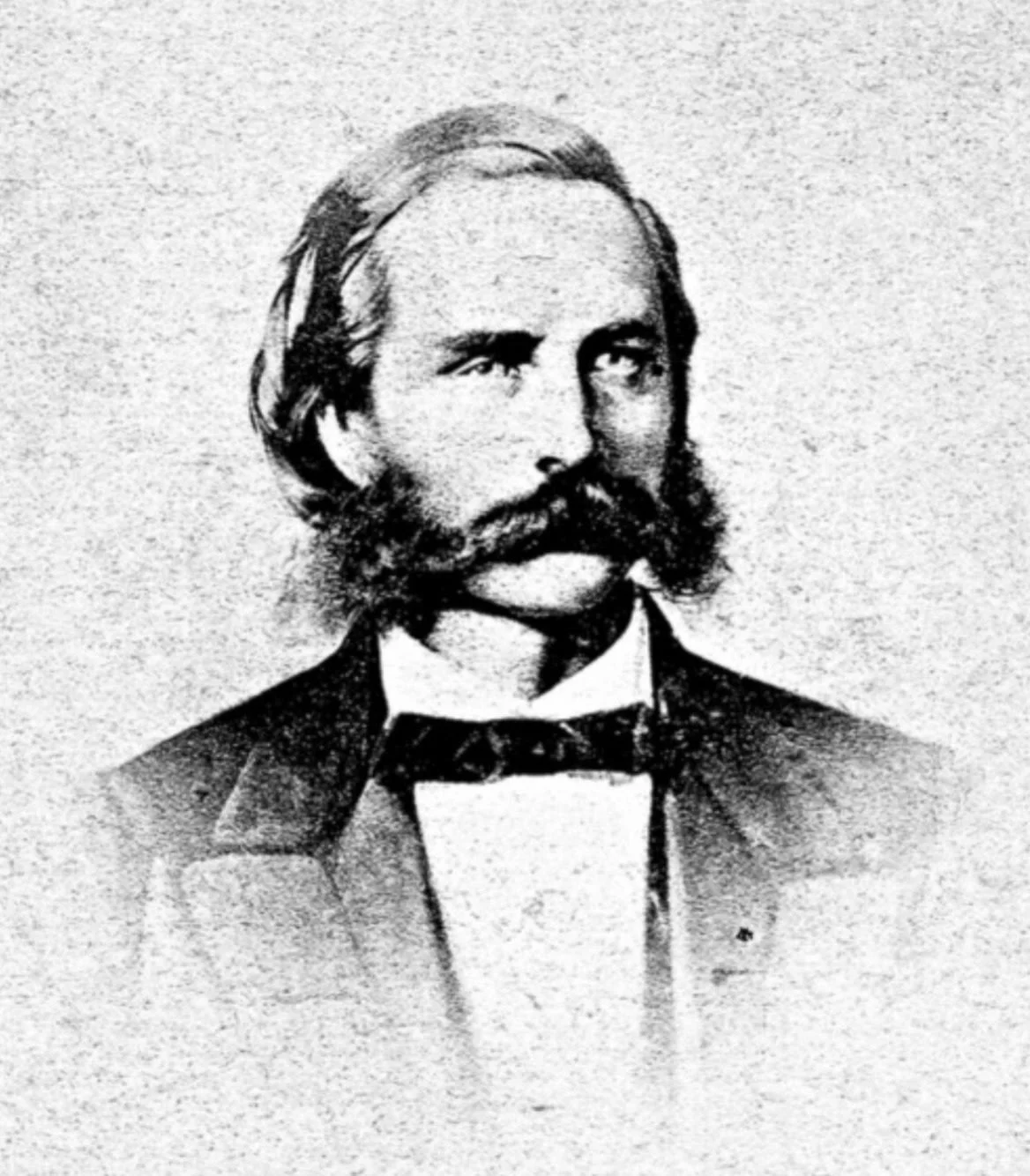
Dr. Thomas Rainey and the Bridge the City Finished
Before the Queensboro Bridge became a city landmark, Dr. Thomas Rainey spent decades trying to build a crossing of his own. Follow the Ravenswood promoter from lectures and Brazilian ferries to the East River—and discover where the documented story parts company with the legend.
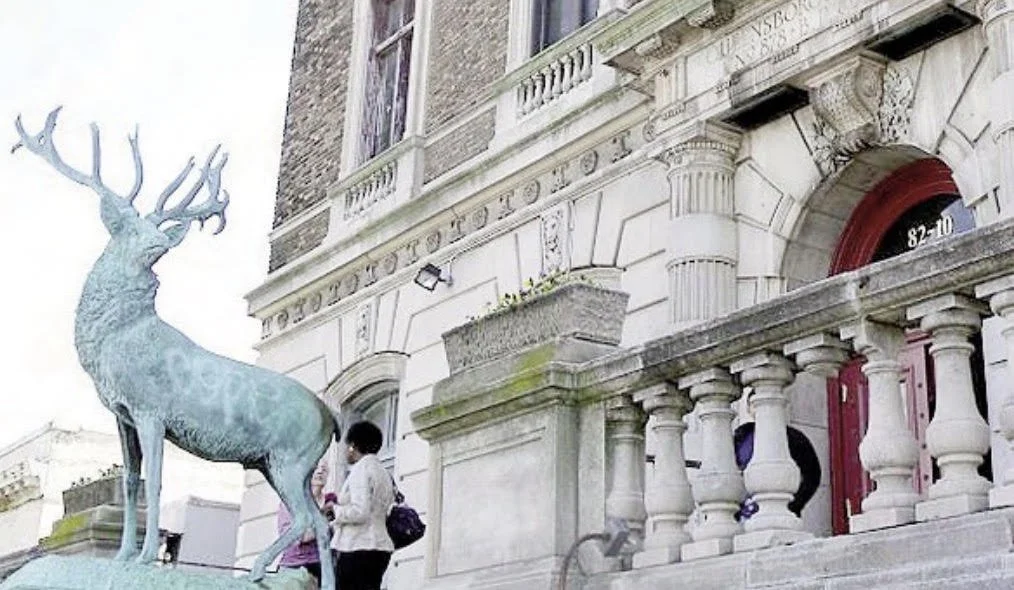
The Bowling Alley and the Bronze Elk
Discover what happened to Queens’ lodge halls and fraternal organizations when buildings were sold, memberships merged, and meeting places changed. From the Elmhurst Elks building to a College Point council’s charitable gifts, this article separates institutional survival, adaptive reuse, demolition, and the records left behind.

Shared Rooms, Separate Powers: Lodges, Civic Groups and the Building of Queens
Explore how lodges, civic associations, political clubs, developers, and the Queens Chamber of Commerce intersected during the borough’s rapid growth. Through Forest Hills, Kew Gardens, Richmond Hill, and Jackson Heights, this article distinguishes shared memberships and meeting spaces from documented influence.
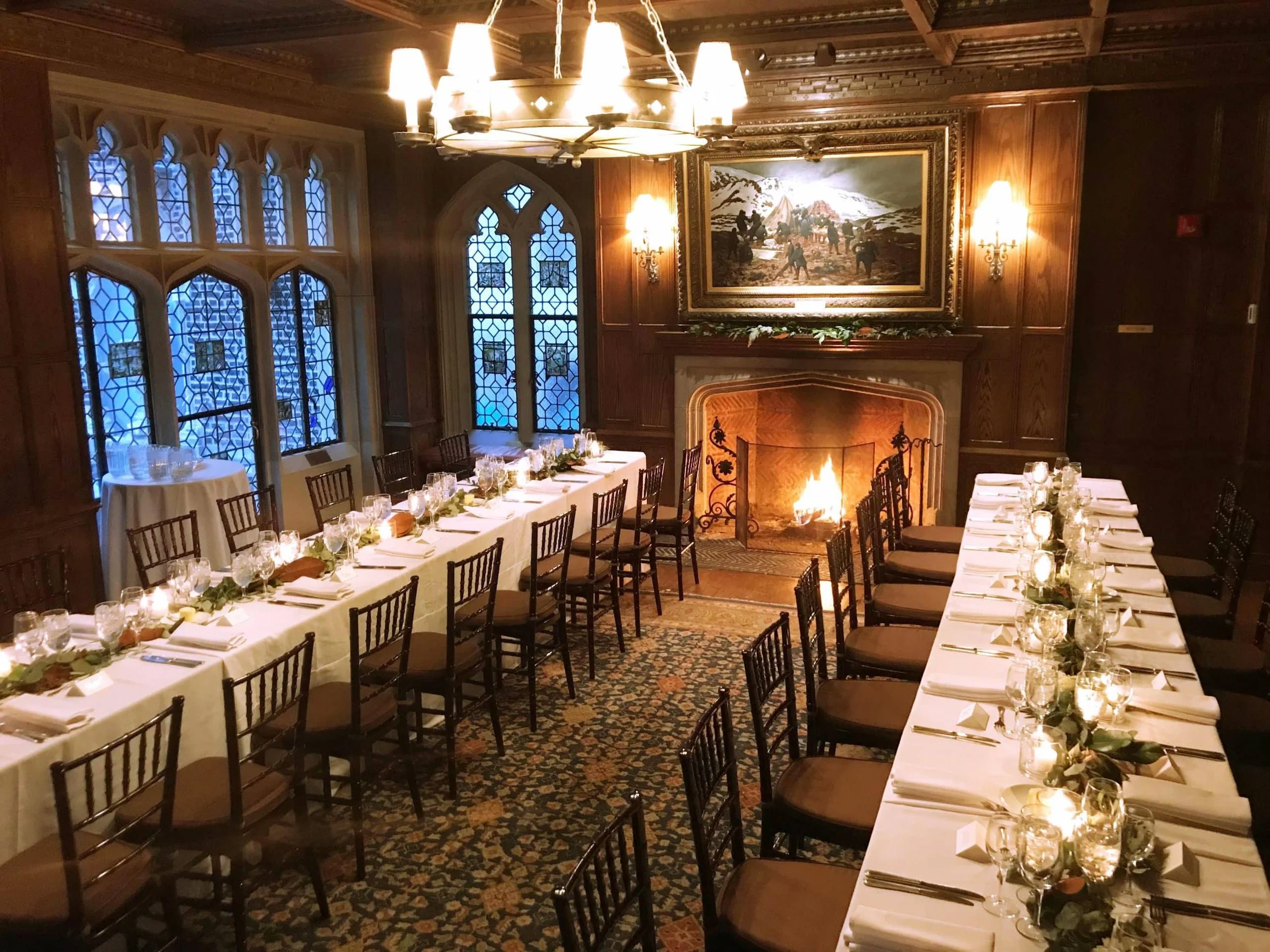
Fellows, Not Brothers
Explore the learned societies, exploration clubs, and museum networks connected with New York—and a local natural-history tradition in Queens. Fellows, Not Brothers explains what membership titles actually meant and how to trace fellowships, lectures, expeditions, and patronage through historical records.
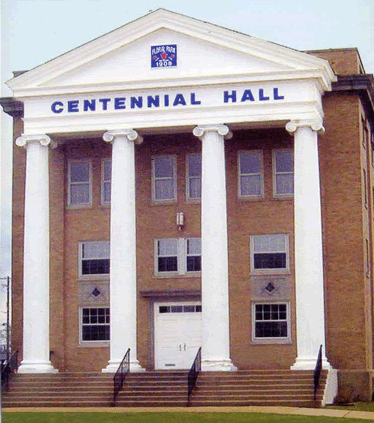
Second Floor, Near the Station
Discover where Queens’ lodges, councils, and clubs met—from purpose-built halls to rented rooms and shared addresses. Second Floor, Near the Station explains how to trace historic meeting places through old street names, maps, deeds, building records, and tax photographs.
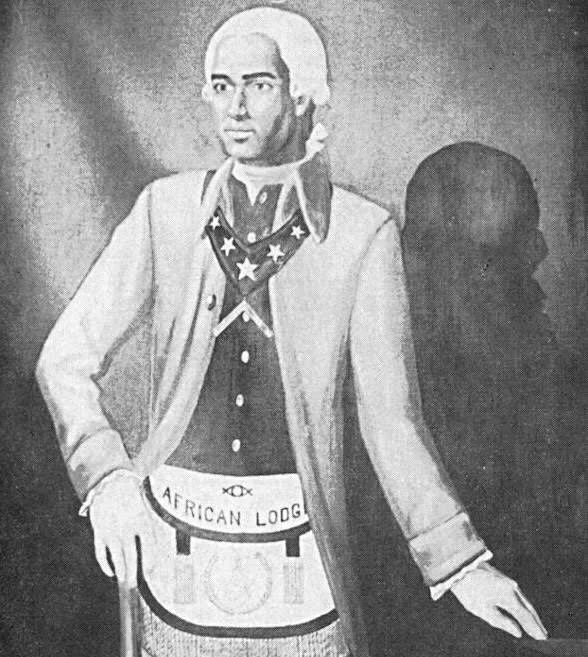
The Door That Was Closed
Explore Prince Hall Freemasonry and Black fraternal history in Queens, from African Lodge’s origins to documented lodges and an Eastern Star chapter in Jamaica. The Door That Was Closed examines exclusion, institutional independence, and how to trace these organizations through newspapers, certificates, and archives.