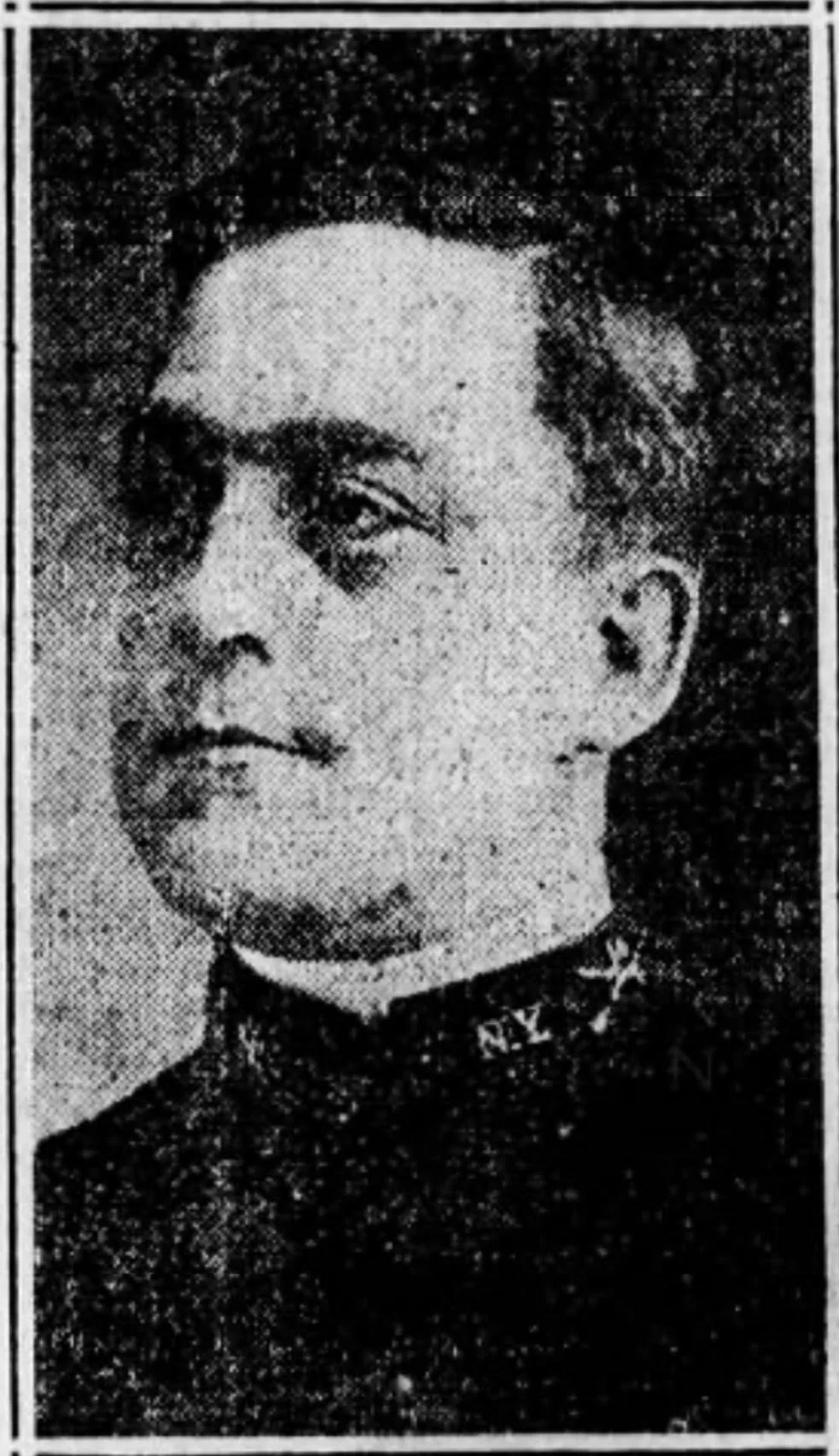
The Engineer's Room: Arthur E. Wenige and the Lodge Room Queens Built Twice
Advance Lodge could not find an architect. A brother it had raised in 1903 sent over the lodge-room drawings his firm had already used in Woodhaven, and the room built from them is still at work in Astoria.
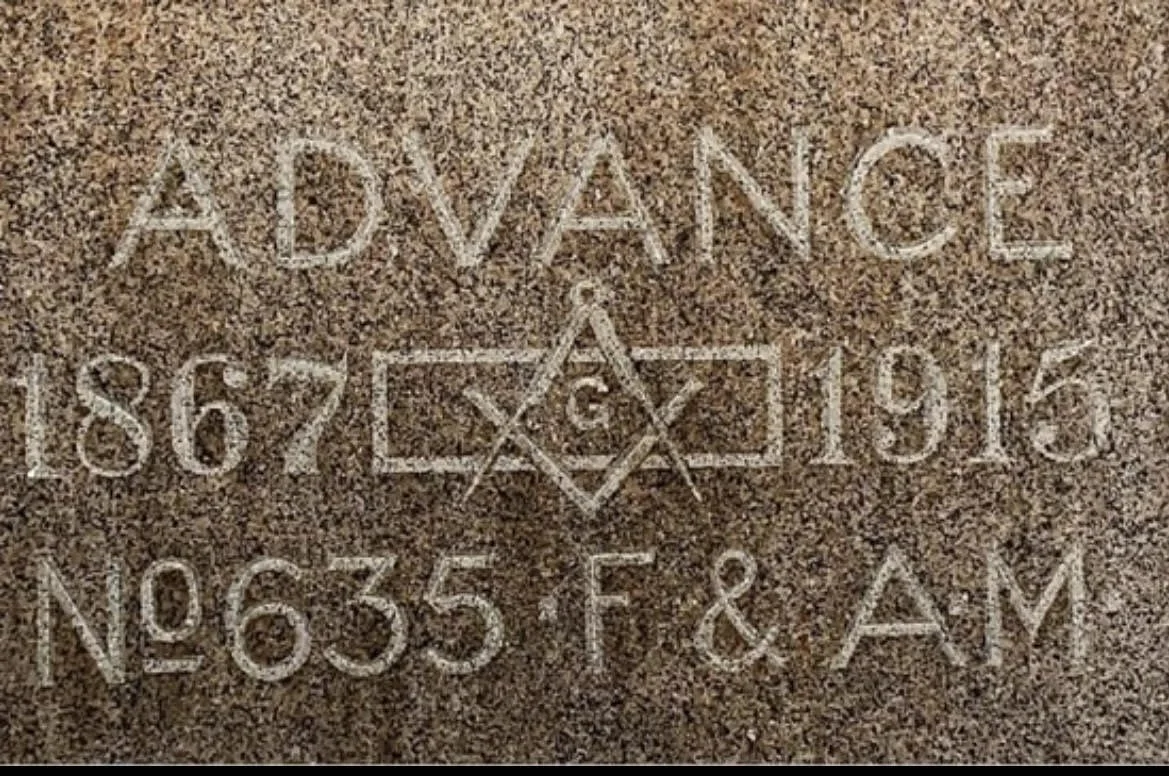
James Prowse Jr. and the Cornerstone of Advance Lodge No. 635
A marble buffer and stone cutter, James Prowse Jr. donated the 1915 cornerstone of Advance Lodge's Astoria temple, then helped found Astoria Lodge No. 963 and became its Master in 1926.
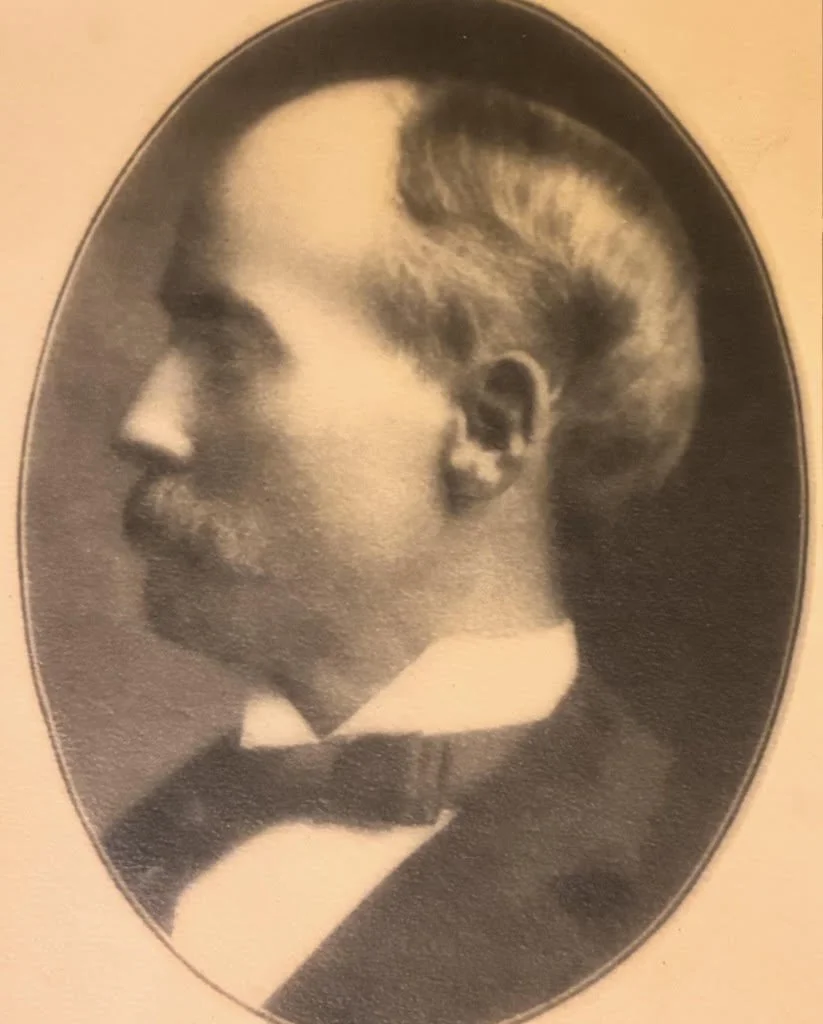
Henry Clay Johnson of Advance Lodge No. 635
Astoria postmaster, New York assemblyman, and state arbitration commissioner Henry Clay Johnson also spent thirty-eight years in Advance Lodge No. 635. Follow his public career and Masonic service to the November 1915 ceremony where he delivered the oration at the cornerstone of the lodge’s new temple.
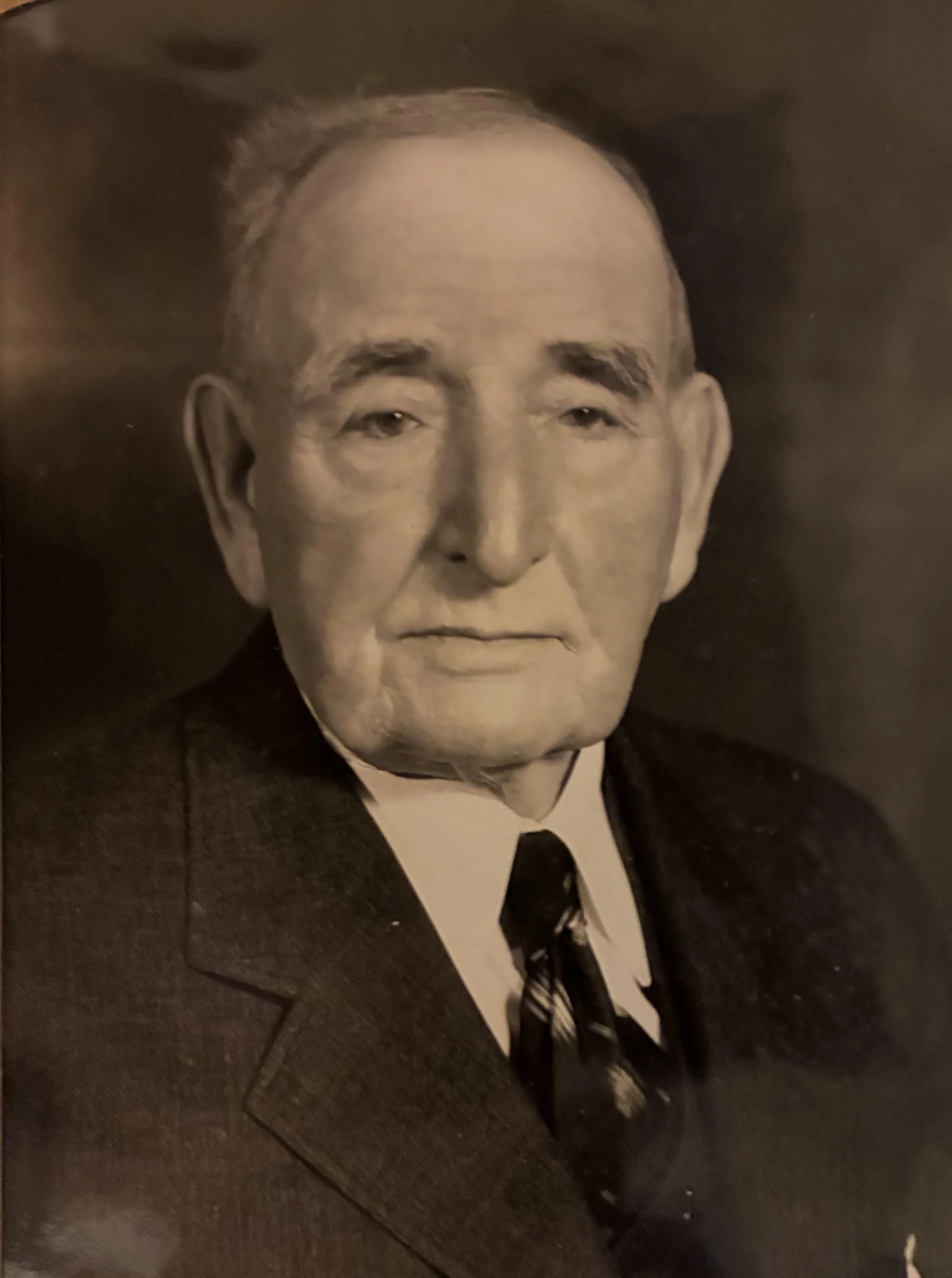
John Allen and Advance Lodge No. 635
John Allen served as a Long Island City school commissioner, spent more than six decades in Freemasonry, and organized a benevolent lodge bearing his name. Trace his connections to Advance Lodge No. 635 and the Ancient Order of United Workmen through newspaper reports, lodge records, and Astoria’s fraternal life.
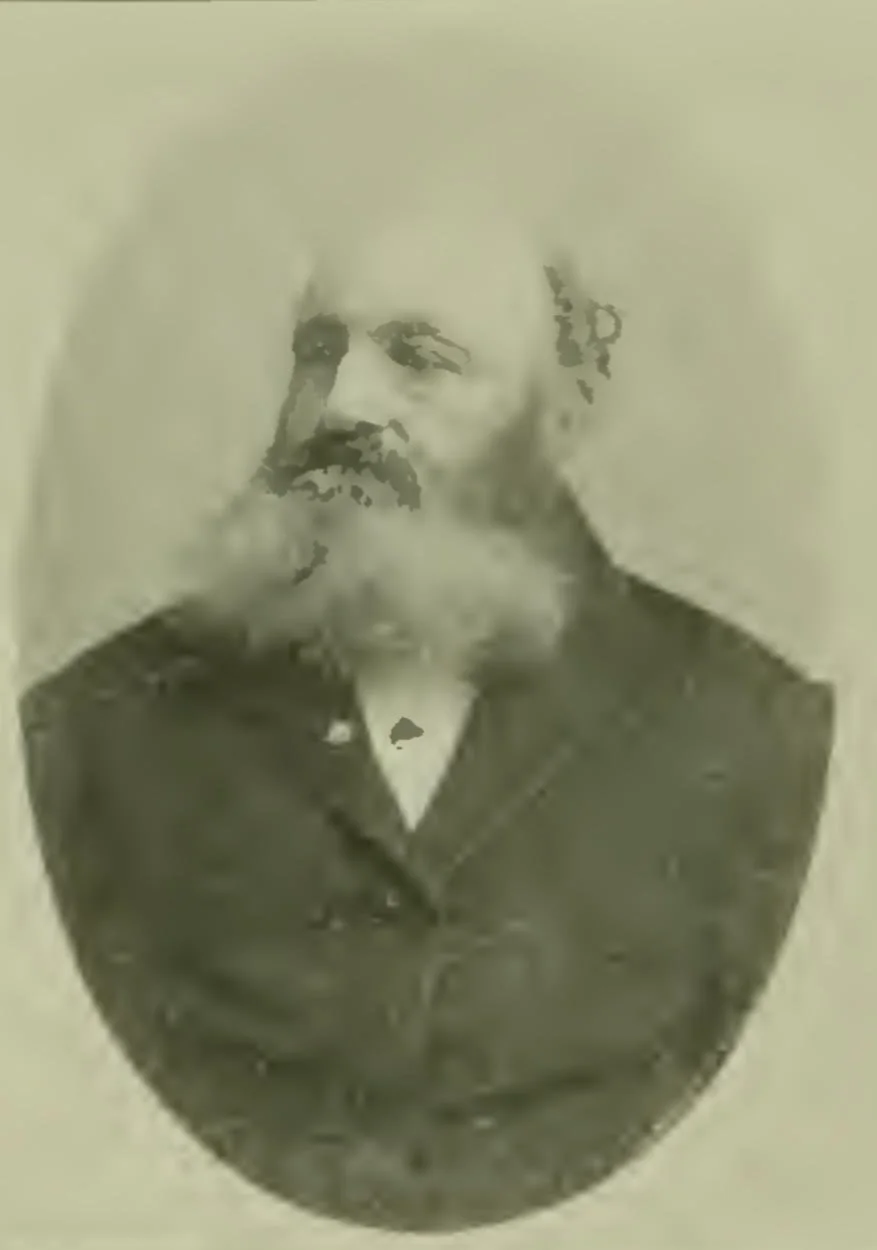
Fifty Years an Odd Fellow: James M. Whitcomb and the Founding of Advance Lodge No. 635
James M. Whitcomb helped found Advance Lodge No. 635 and served as its Treasurer, but his fraternal life began with the Odd Fellows in 1846. His story connects fifty years in that order with Astoria’s waterfront, volunteer fire service, and civic life.
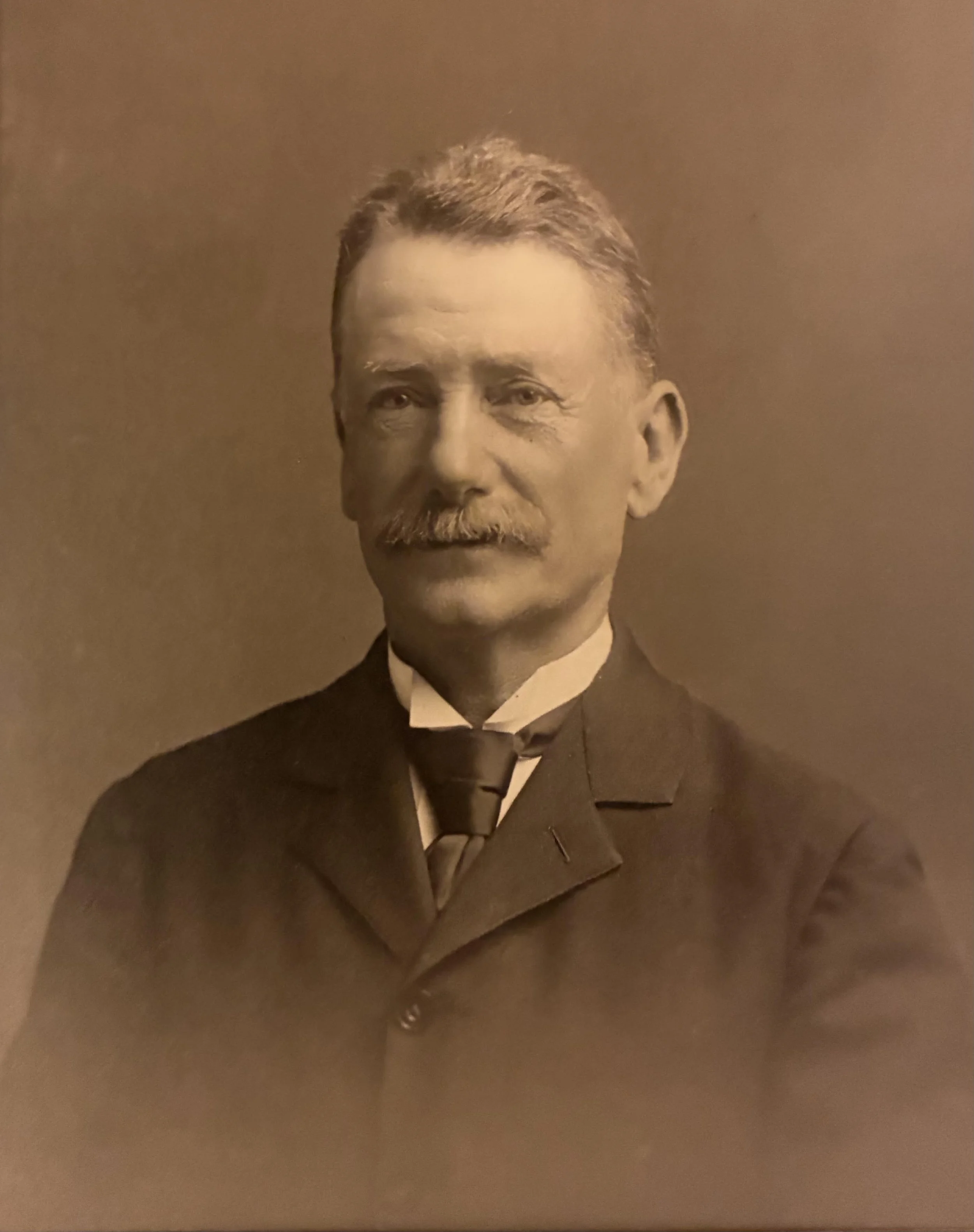
From Hunters Point to Astoria: Charles Risdale and the Founding of Advance Lodge No. 635
English-born blacksmith Charles Risdale became a Mason at Hunters Point in 1866 and helped found Advance Lodge No. 635 in Astoria. His story connects Queens’ early lodges, Odd Fellows, and volunteer firemen—and traces a lodge lineage that survives today.
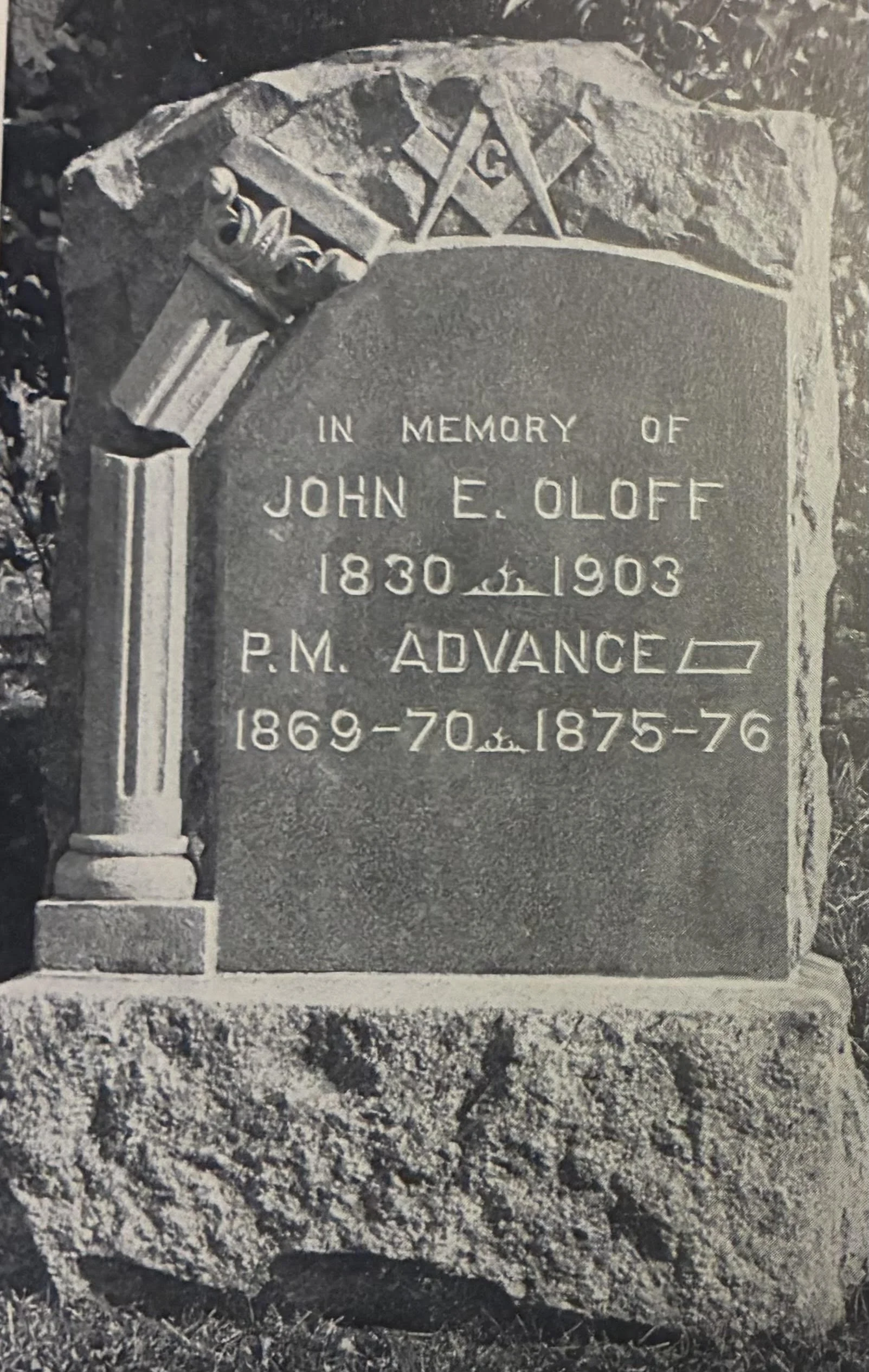
John E. Oloff of Astoria: Swedish-Born Ship Carpenter and Charter Member of Advance Lodge No. 635
Swedish-born ship carpenter John E. Oloff brought a decade of Masonic experience to the founding of Advance Lodge No. 635. Remembered as a Master, Treasurer, and patient teacher of ritual, he helped shape the Astoria lodge’s standards and traditions.
Charles Cranfield of Astoria: Painter, and Charter Member of Advance Lodge No. 635
English-born painter Charles Cranfield helped found Advance Lodge No. 635 and later served as its Master. From lodge suppers to jury selection in the Martin Thorn trial, his story offers a glimpse of Astoria’s fraternal and civic life in the nineteenth century.
Cornelius R. Morris of Astoria: Blacksmith, Fire Chief, and Charter Member of Advance Lodge No. 635
Blacksmith, fire chief, village collector, and Odd Fellows leader, Cornelius R. Morris helped found Advance Lodge No. 635. His story reveals the connections among Astoria’s trades, public service, and fraternal life in the years surrounding the Civil War.
William B. Wilson of Astoria: Long Island City Supervisor and Member of Advance Lodge No. 635
William B. Wilson served as Long Island City supervisor and belonged to Advance Lodge No. 635. His political career and 1873 funeral notice reveal the connections among Astoria’s Masons, firemen, city officials, and Queens County leaders.
Captain Martin Willis of Astoria: Civil War Prisoner and Advance Lodge No. 635
Captured at Williamsburg in 1862, Civil War captain Martin Willis endured imprisonment in Richmond before returning to Astoria. In 1866, he became a charter member of Advance Lodge No. 635, connecting the lodge’s beginnings to the wartime experience of its Queens neighbors.
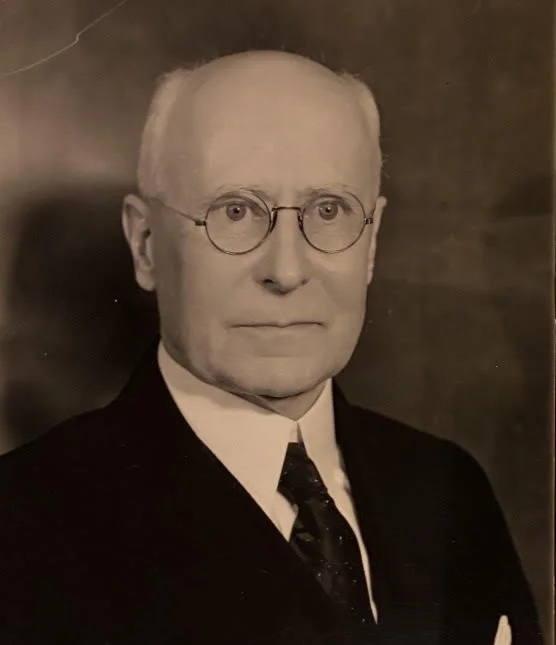
Frederick Skene and Advance Lodge No. 635: The Engineer Who Built Queens, Then the State
Frederick Skene joined Advance Lodge No. 635 in 1898 and went on to oversee Queens highways and New York’s roads and canals. His story connects engineering, Masonic life, a courtroom acquittal, and a second career in education.
Ezra Newton Dodson and Advance Lodge No. 635: The Reporter Who Watched Queens Grow
Reporter Ezra Newton Dodson chronicled a changing Queens while building ties to its Masonic community. Follow his story from Advance Lodge No. 635 in Astoria to the charter rolls of Richmond Hill Lodge.
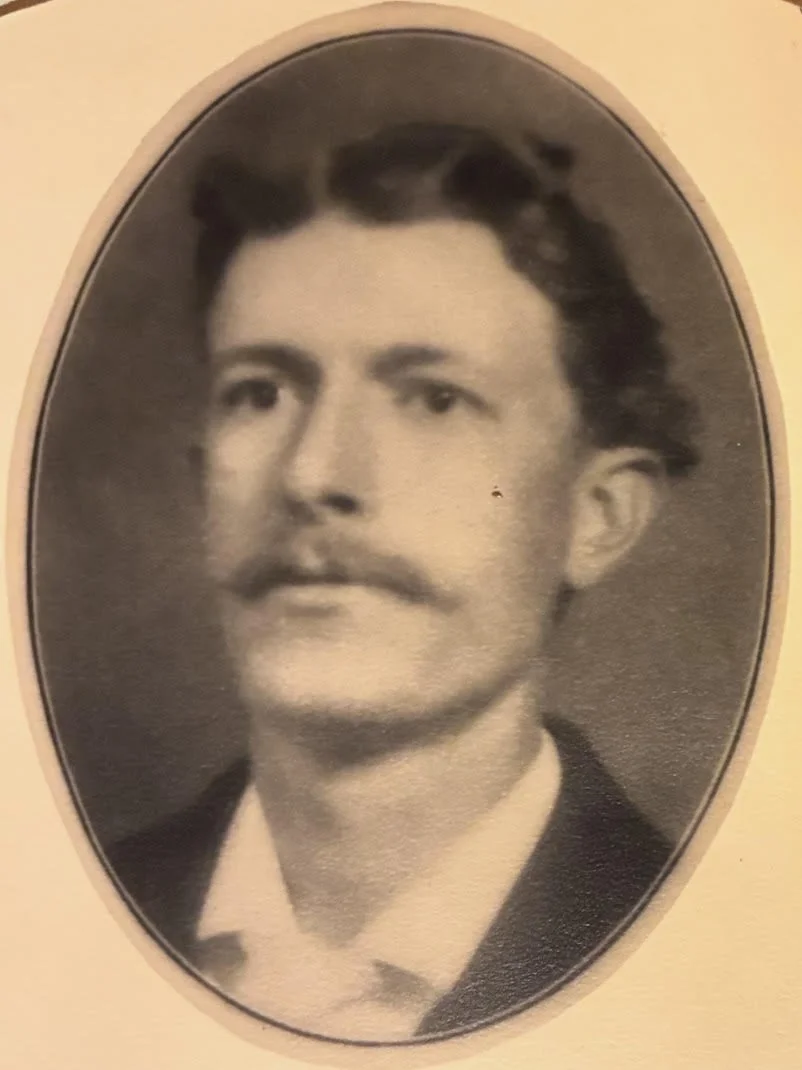
John I. Lovell and Advance Lodge No. 635: The Mason Who Helped Build the Temple
Discover the story of John I. Lovell, a Long Island City bricklayer who helped Advance Lodge No. 635 build its own Masonic temple in Astoria. Lodge records, newspaper accounts, and a 1915 mortgage trace his role as a trustee and building committee member—and the family connection continued by his son.
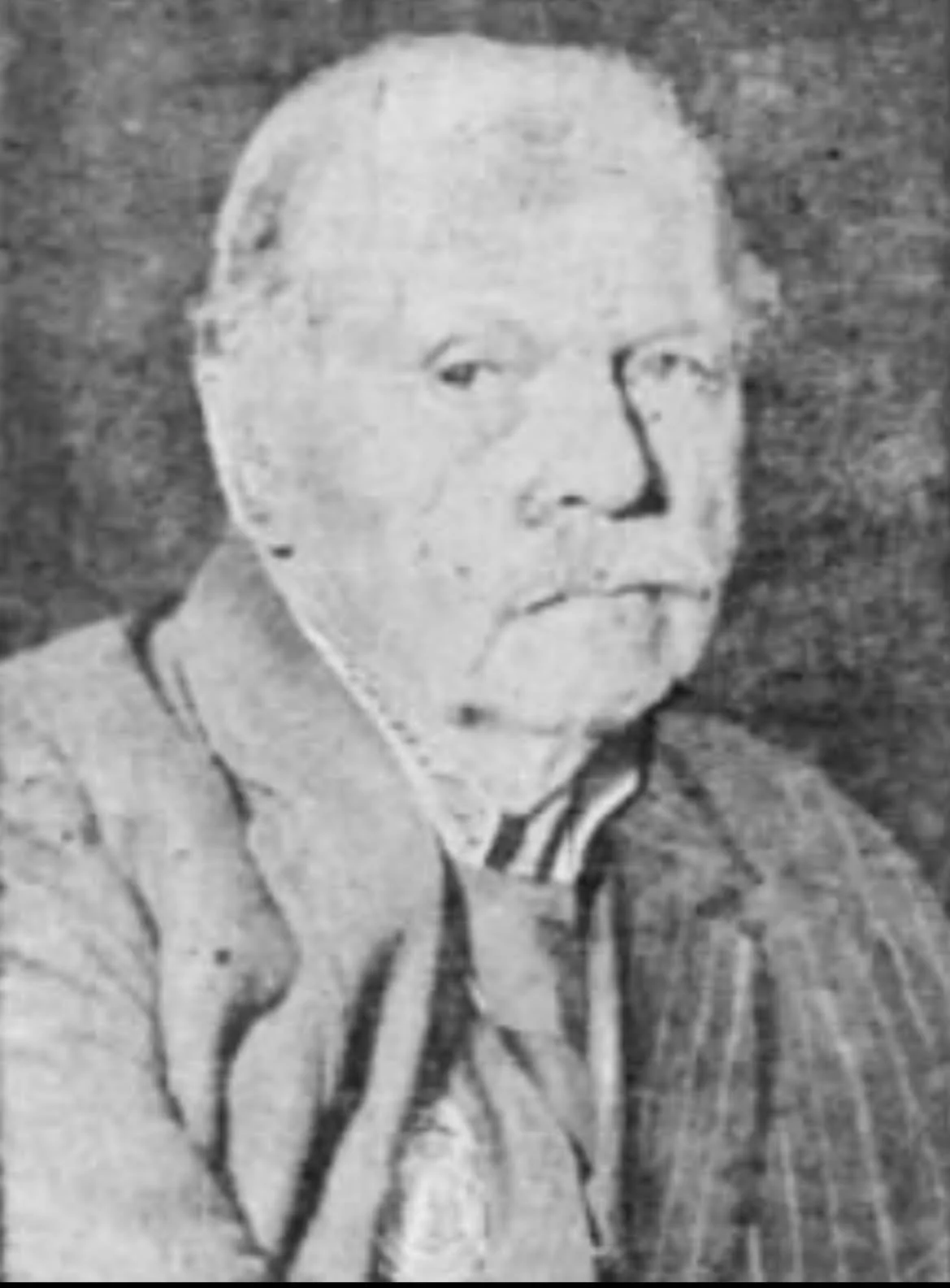
Ernest Ankener: Queens Surveyor & Freemason’s Legacy
Excerpt: A quiet Elmhurst street opens a window into Queens’ past. Explore the life of Ernest Ankener, an engineer, surveyor, and Freemason whose work helped shape the borough—and whose name lives on in Ankener Avenue.
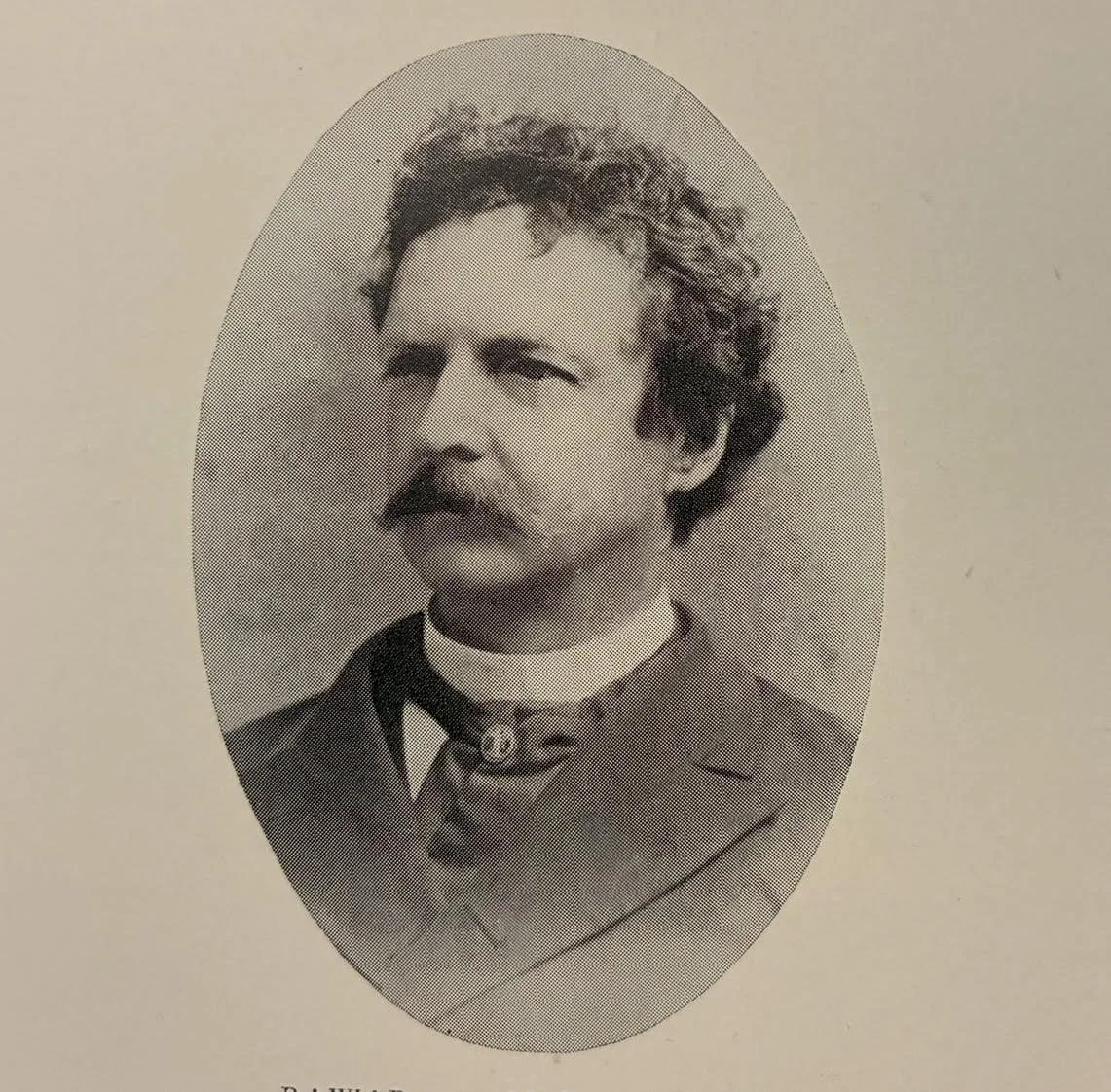
Robert M. C. Graham: Queens Freemason & Civic Leader
Excerpt: Colonel Robert McCoskry Graham brought ambition and brotherhood to the civic and Masonic life of nineteenth-century New York. Explore his leadership in Advance Lodge, his Scottish Rite connections, and his efforts to shape the future of Astoria and Long Island City.

The Professor of Hell Gate: Benjamin Maillefert’s Underwater World
Before the great explosions that transformed Hell Gate, Benjamin S. H. Maillefert attacked its submerged rocks with powder charges and an electric battery. Follow the Barcelona-born inventor through Astoria, a fatal blasting accident, Civil War waterways, and the intriguing possibility that his diving-bell design survives in a Georgia river artifact.

Brother John Anderson Leach of Advance Lodge No. 635
From his family’s Astoria nursery to Police Headquarters, John Anderson Leach built a career in law and civic service. Raised in Advance Lodge No. 635 in 1905 and later remembered as a past master, he became the trial commissioner known to generations of New York policemen as “Uncle John.”

Geba Lodge and the Making of Modern Queens
Geba Lodge No. 954 began in 1919 with gifts from Mizpah Lodge and became part of a growing Queens community. Explore its Elmhurst meeting place, notable members, and a 1954 Fairyland outing organized for 100 children from three children’s homes.