
Readings, Not Equations
Three goods, three principles, one tempting table—but resemblance is not proof. This essay explores what transformation-minded readings of corn, wine, and oil can illuminate, while marking the point where analogy begins to say more than the evidence allows.
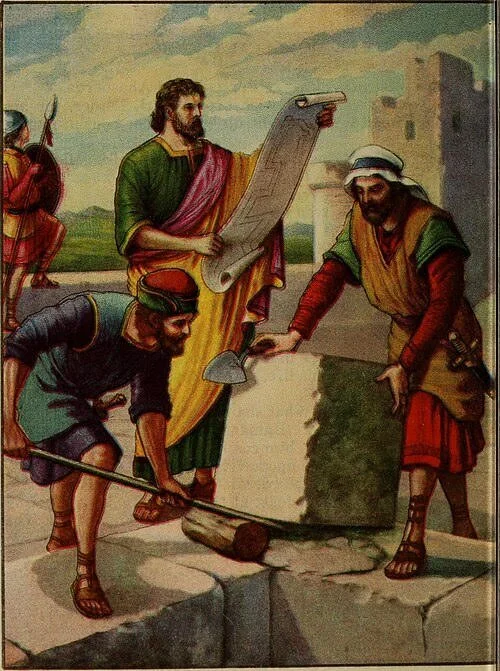
A loan, and what it was charged in
Grain, wine, and oil appear in scripture as more than blessings. They are goods borrowed against, portions owed, harvests lost, and provisions shared. Beginning with Nehemiah’s demand for restitution, this article follows the three materials through biblical passages and neighboring Qur’anic imagery—and asks what symbolism leaves out when it keeps only abundance.
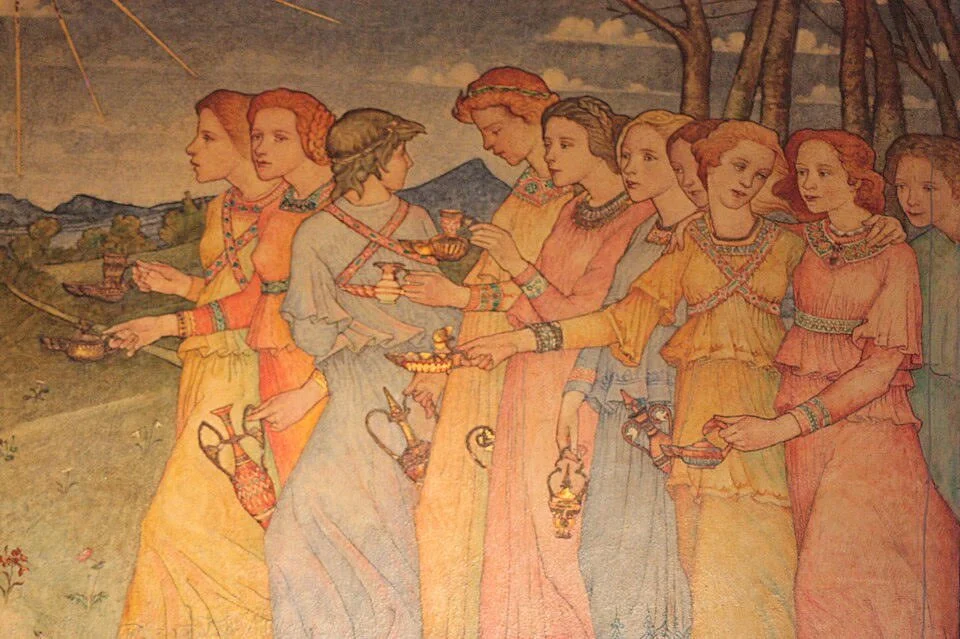
The lamp, the wick, and the person who forgot
A lamp stays lit only because someone tends it. From ancient olive presses to biblical anointing and public Masonic cornerstone ceremonies, this article follows oil as fuel, provision, and an emblem of joy, peace, and comfort—and asks whose unnoticed work keeps our households, friendships, and institutions going.
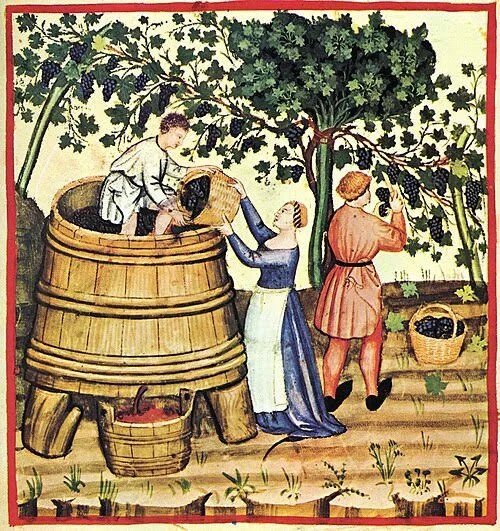
A crop that makes its own decisions
Wine begins with sugar and yeast, but its meanings reach beyond fermentation. From ancient winemaking to scripture and public Masonic cornerstone ceremonies, this article follows wine as a source of refreshment, gladness, and risk—and considers what a cup can teach about hospitality, restraint, and the boundaries we give pleasure.
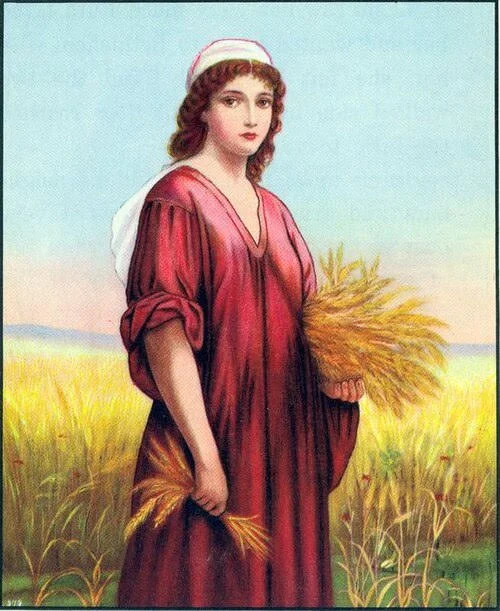
Ears of corn, an ephah of barley
Before corn became a Masonic symbol, it was grain somebody grew, carried, and ground. From Ruth’s gleaning to Britain’s Corn Laws and an 1871 cornerstone ceremony in Albany, this article follows the work behind nourishment—and asks what a symbol of abundance means when food is never equally secure.
A wet day in Albany
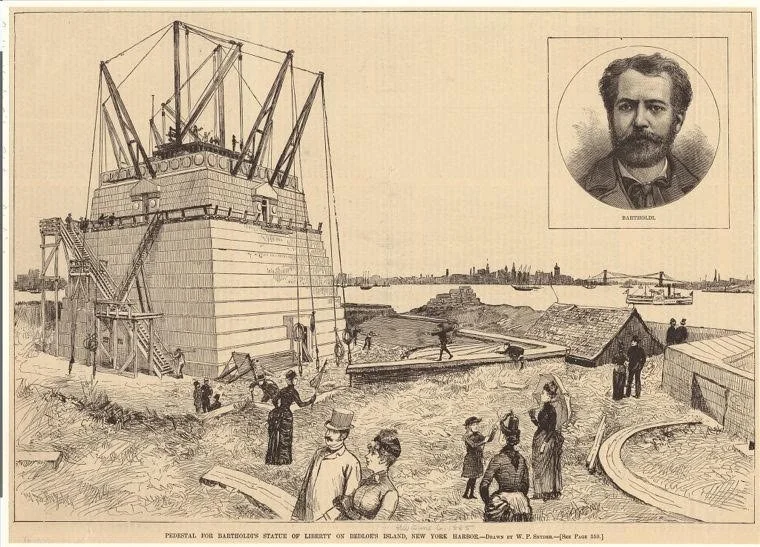
What did corn, wine, and oil mean at a Masonic cornerstone ceremony? An 1871 account from Albany offers a starting point. Following the evidence through public ceremonies at the U.S. Capitol and the Statue of Liberty, this article separates documented practice from symbolic interpretation—and considers what public ritual can, and cannot, tell us.