
Richmond Hill Lodge No. 892: Four Lodges and the Long Life of a Number
Richmond Hill Lodge No. 892 began in 1911 and built a temple within five years. Its later history joined a lodge rehearsed in a South Ozone Park cellar with institutions rooted in Richmond Hill and Ridgewood. Follow Richmond Hill, Wakefield, Cathedral and Granite through the consolidations that formed Queensboro Lodge—and the 2024 merger that carried their lineage into Anchor-Astoria in College Point.
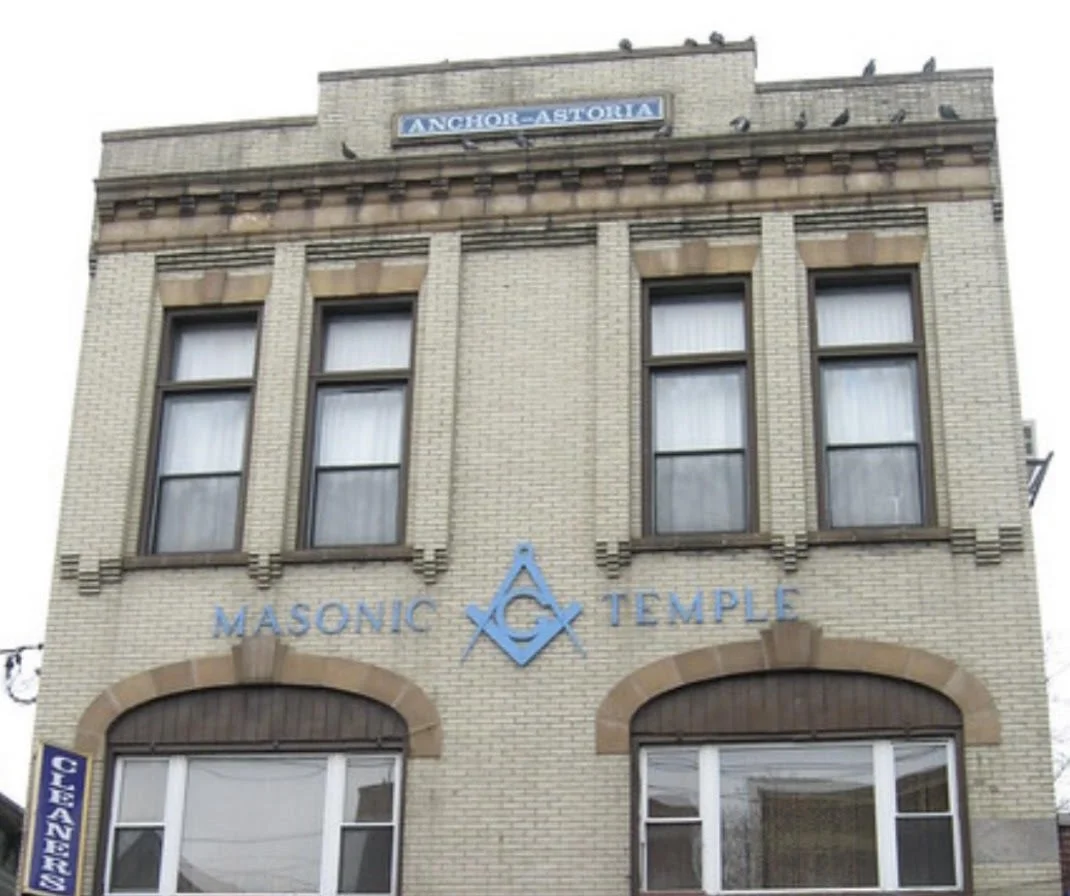
Anchor-Astoria Masonic Temple: Four Lodges, One Door in College Point
Behind a separate entrance at 18-14 College Point Boulevard, four active Masonic lodges share a meeting place above a commercial streetscape. Explore the Anchor-Astoria temple’s visible features, Cornucopia and Harmony’s 2024 arrival, and the distinction between shared rooms and merged lineages—while uncovering the questions that remain about the building’s construction and ownership.
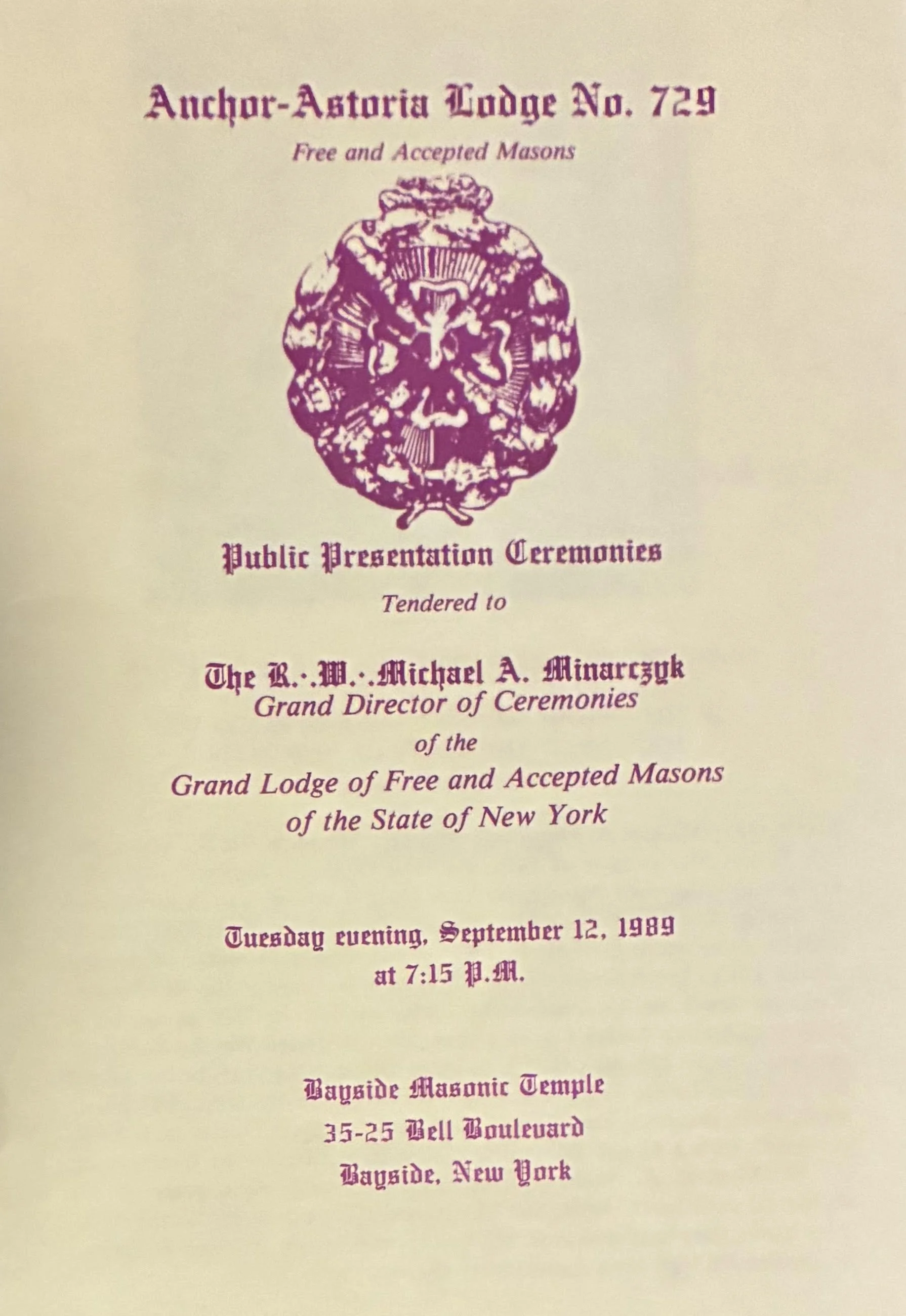
Anchor-Astoria Lodge No. 729: Two Villages, One Number
Anchor-Astoria Lodge No. 729 brings together two Queens histories: Anchor’s nineteenth-century beginnings in College Point and Astoria’s formation after the First World War. From a centennial homecoming at the Poppenhusen Institute to the 1985 union and later Queensboro merger, its story follows an active lodge whose temple now serves as a shared home for several distinct Masonic institutions.
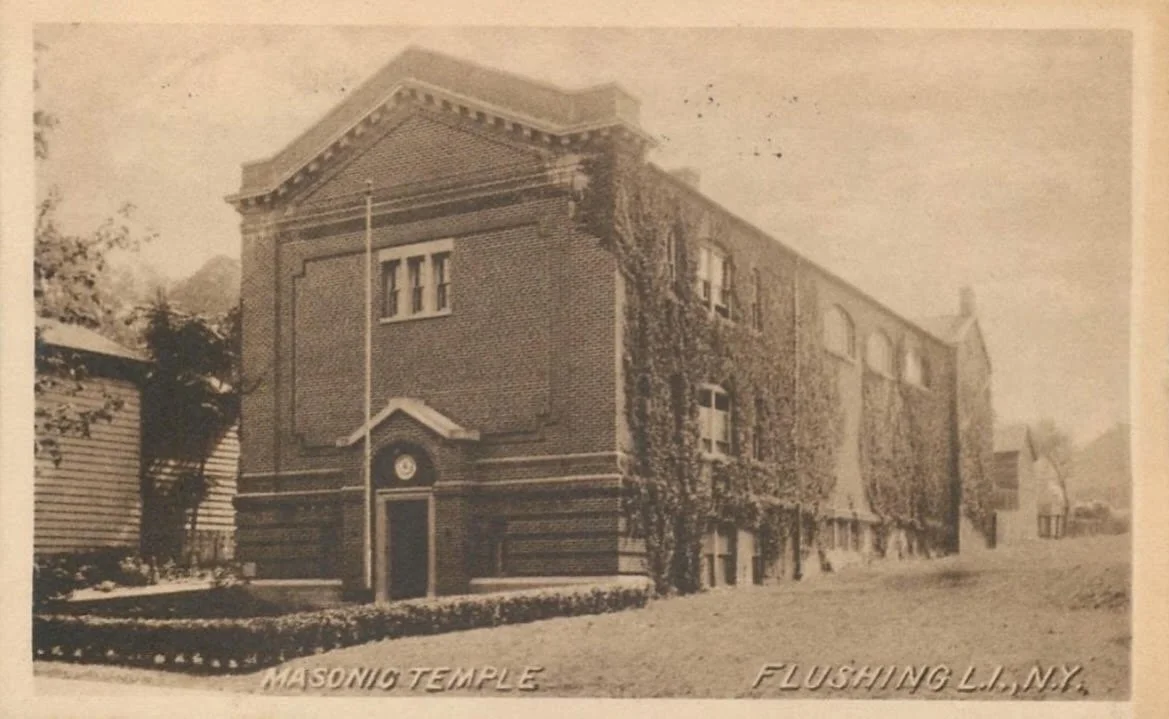
The Flushing Masonic Temple: A Corner Built to Last
Cornucopia Lodge No. 563 built its temple at Northern Boulevard and Union Street in Flushing, beside the armory and near Town Hall and the Friends Meeting House. After decades of lodge meetings, a 1914 pipe organ and later church use, the building was demolished in 2018 without landmark protection.
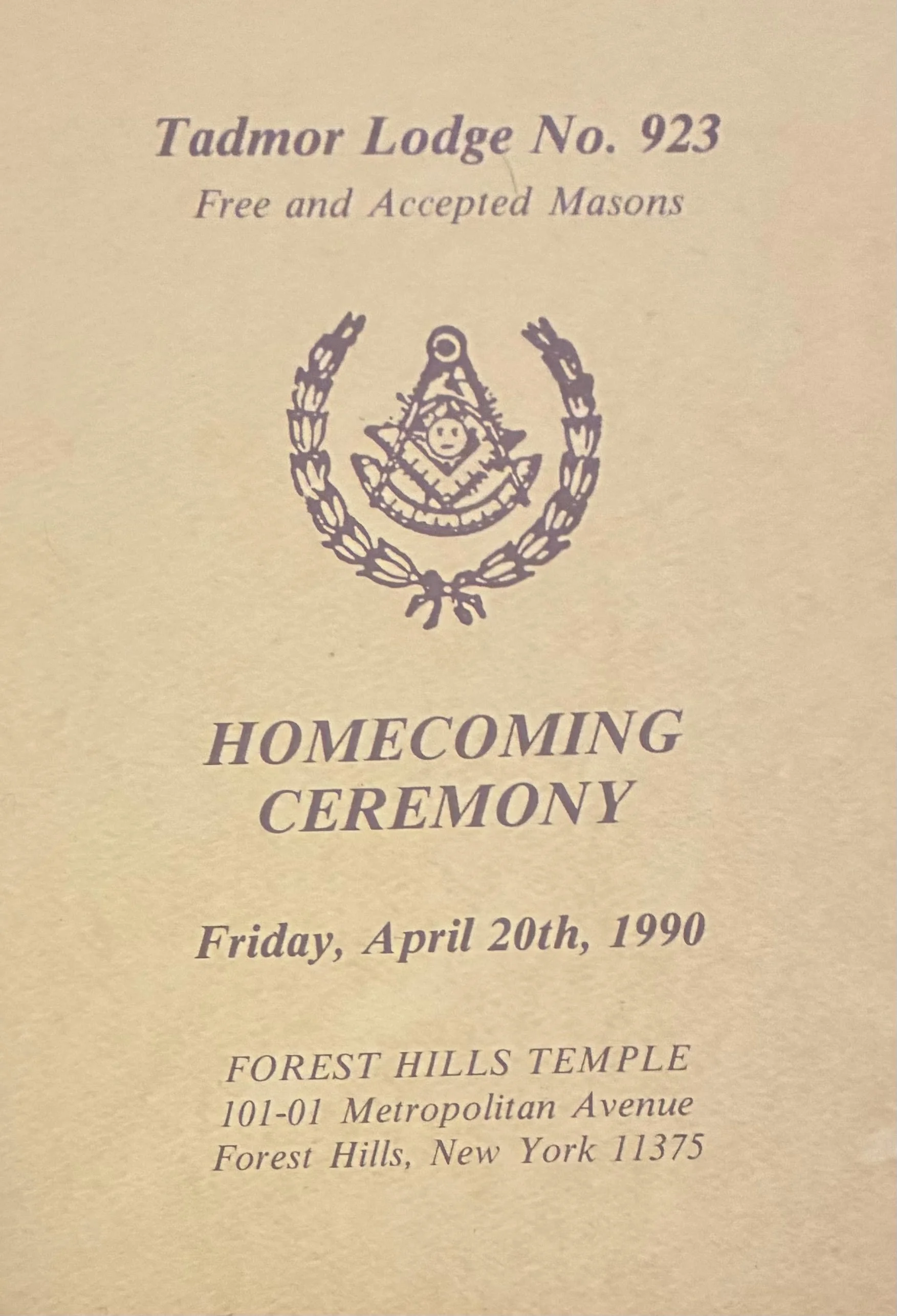
Tadmor Lodge No. 923: A Monument in the Making of Ridgewood
Tadmor Lodge No. 923 grew alongside Ridgewood, turning rented rooms, neighborhood bazaars and family networks into a lasting local institution. From its 1914 beginnings to two successive temples and public celebrations, its history reveals how residents built community—and how the lodge continued beyond the neighborhood. Tadmor remains active today, meeting in Astoria.
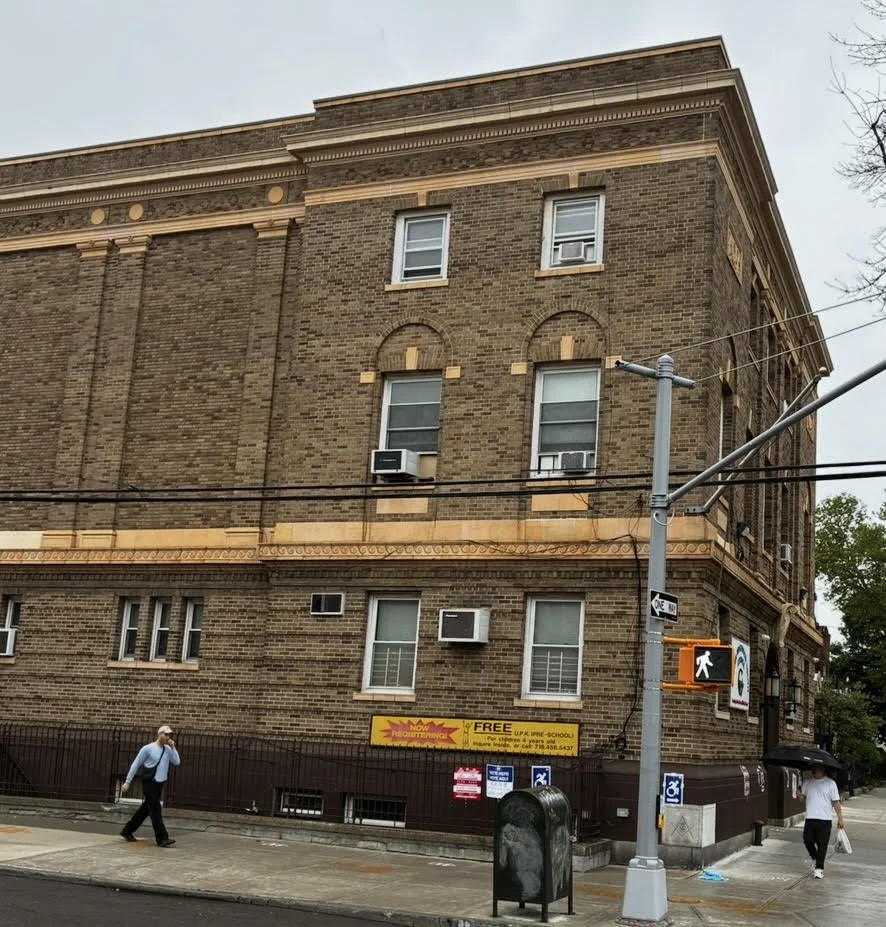
Tadmor’s Two Masonic Temples: From Fresh Pond Road to Summerfield Street
Tadmor Lodge No. 923 made two homes in Ridgewood: a corner property on Fresh Pond Road purchased in 1918 and a larger Masonic temple opened on Summerfield Street in 1926. Follow the fundraising, construction, shared lodge rooms, and unresolved ownership questions behind these two buildings, including the temple now used by the Greater Ridgewood Youth Council.
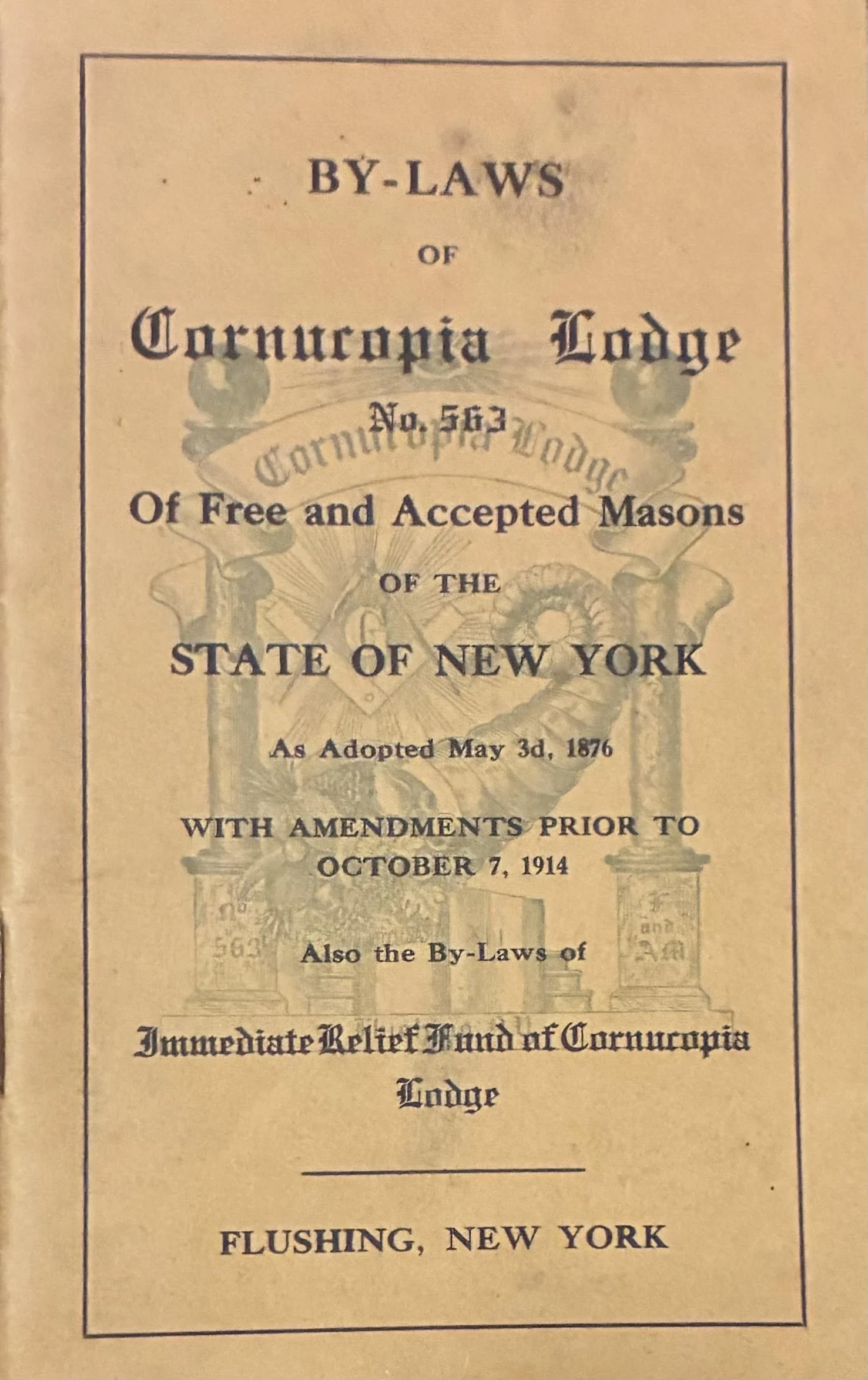
Cornucopia Lodge No. 563: Borrowed Aprons and the Making of Flushing
Cornucopia Lodge No. 563 began in 1864 with borrowed aprons, borrowed bylaws, and rented rooms. Its history follows Flushing’s growth through public ceremonies, charitable work, and members whose careers reached beyond the village. The temple eventually disappeared, but the lodge continued—carrying its Flushing history to a new meeting place in College Point.
William J. Gottlieb of City Lodge No. 408: The Mason Who Fought for the American Driver
William J. Gottlieb served as Master of City Lodge No. 408 while building a career as one of the American motorist’s most persistent advocates. From taxicabs to toll disputes, gasoline rationing and school safety, his story follows the growth of the Automobile Club of New York—and the battles over who should pay for the road.
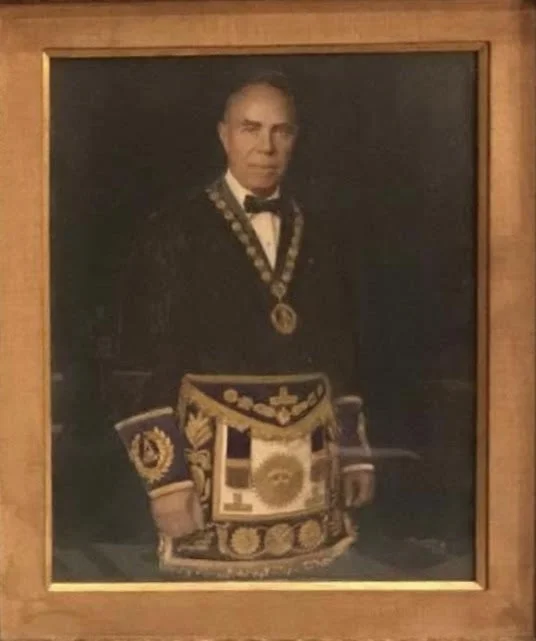
Raymond C. Ellis and Service Lodge No. 1009: The Grand Master Flushing Claimed as a Brother
In 1952, Flushing’s Service Lodge No. 1009 welcomed Raymond C. Ellis as an honorary member. The Brooklyn lawyer went on to become Grand Master of New York Masons and helped bring a medical research laboratory into being in Utica. His story connects a neighborhood lodge’s charitable work with a lasting commitment to medical research.
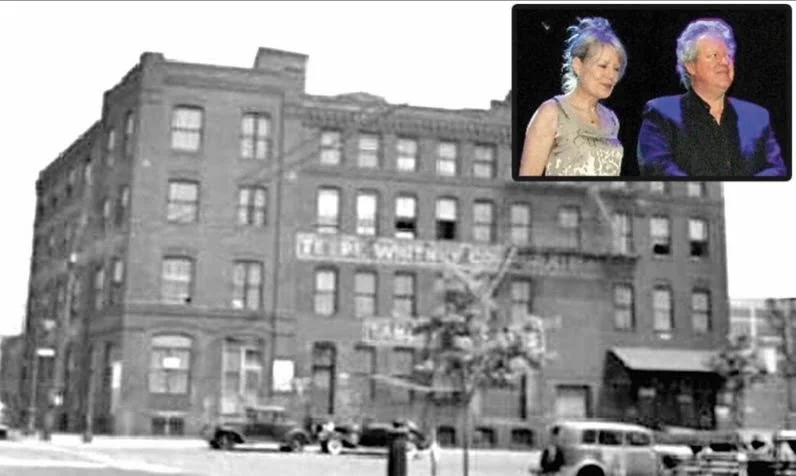
Louis J. Viehmann: Island City Lodge Brother and the Furniture Factory That Became a Talking Heads Loft
Louis J. Viehmann, a furniture manufacturer and brother of Island City Lodge No. 586, helped build the industrial life of Hunters Point. Decades after his death, the Teepe-Whitney factory became a loft for Talking Heads’ Chris Frantz and Tina Weymouth—and a recording space for Fear of Music.
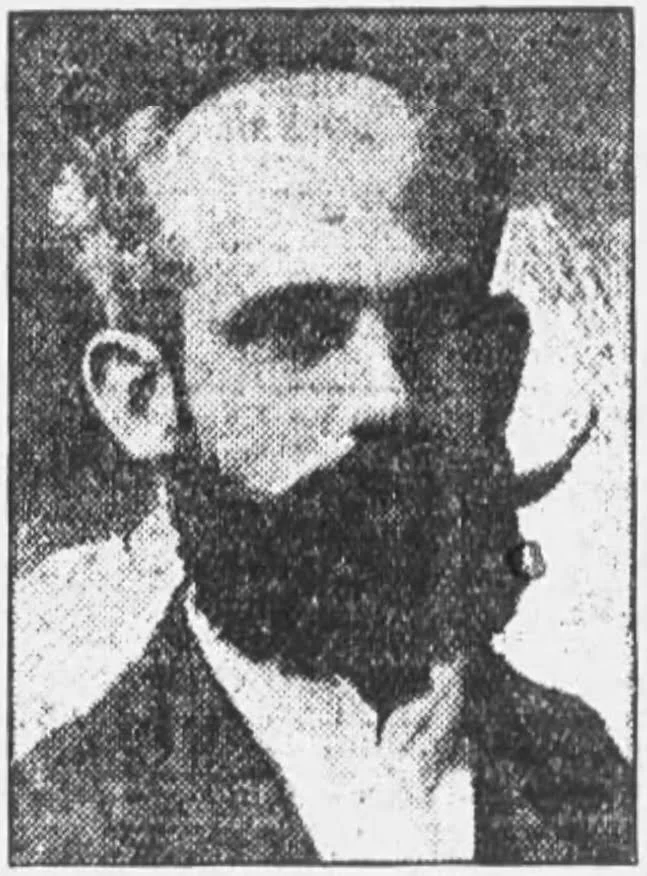
Frank E. Haff of Island City Lodge No. 586: The Railroad Man Who Connected Long Island’s Masons
From a Babylon telegraph key to the leadership of the Long Island Rail Road, Frank E. Haff connected communities—and Masons—across Long Island. As Master of Island City Lodge No. 586 and District Deputy Grand Master, he revitalized his lodge, presided at Theodore Roosevelt’s initiation, and took a principled stand over Masonic debt.
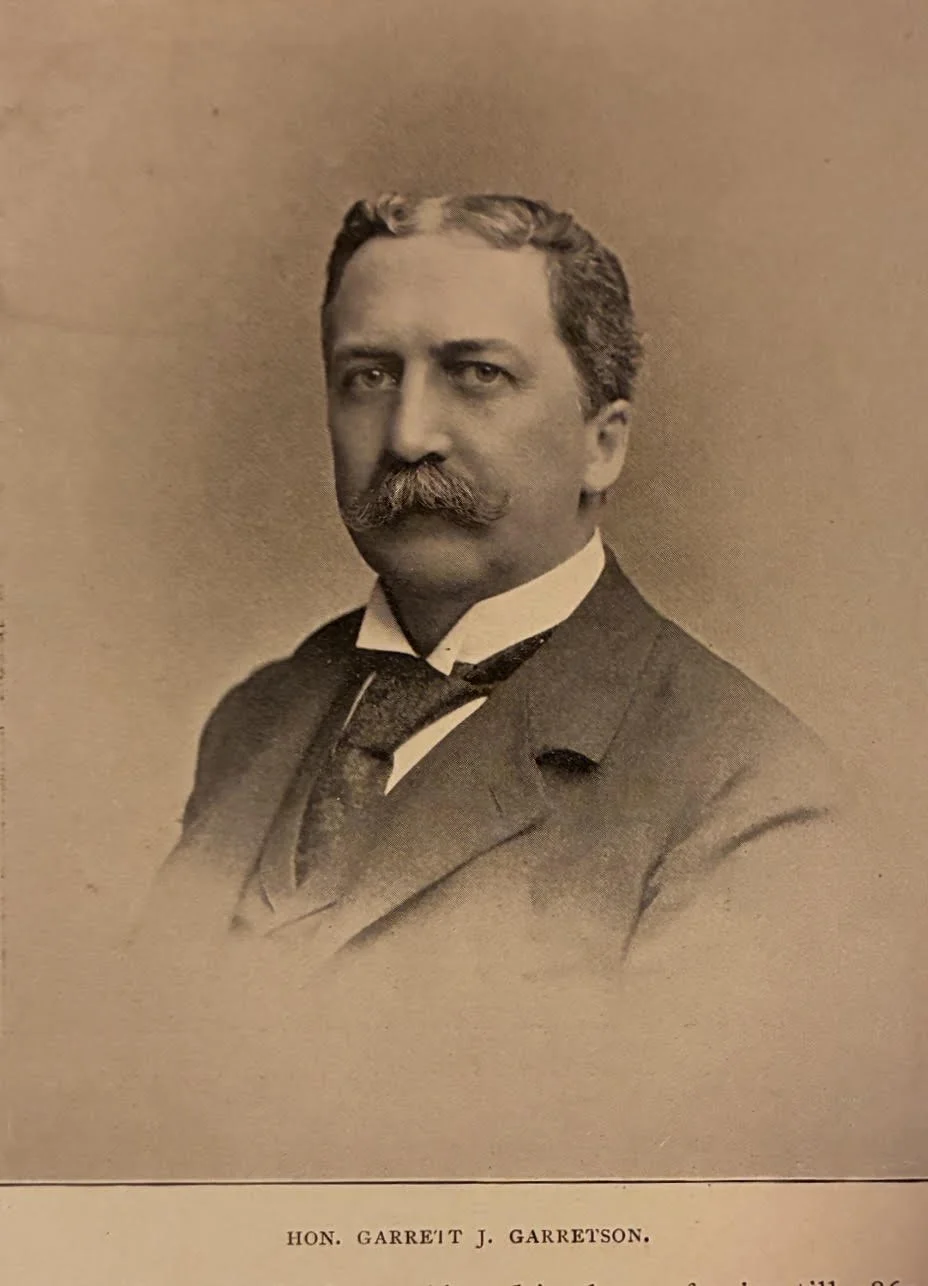
Garret J. Garretson: First Master of Mizpah Lodge No. 738 and the Judge Queens Would Not Let Go
In 1873, Garret J. Garretson opened his Newtown law office to eight fellow Masons and became Mizpah Lodge No. 738’s first Master. His story follows a village lawyer into education, the Greater New York Charter Commission and a judicial career that earned the lasting confidence of Queens voters.
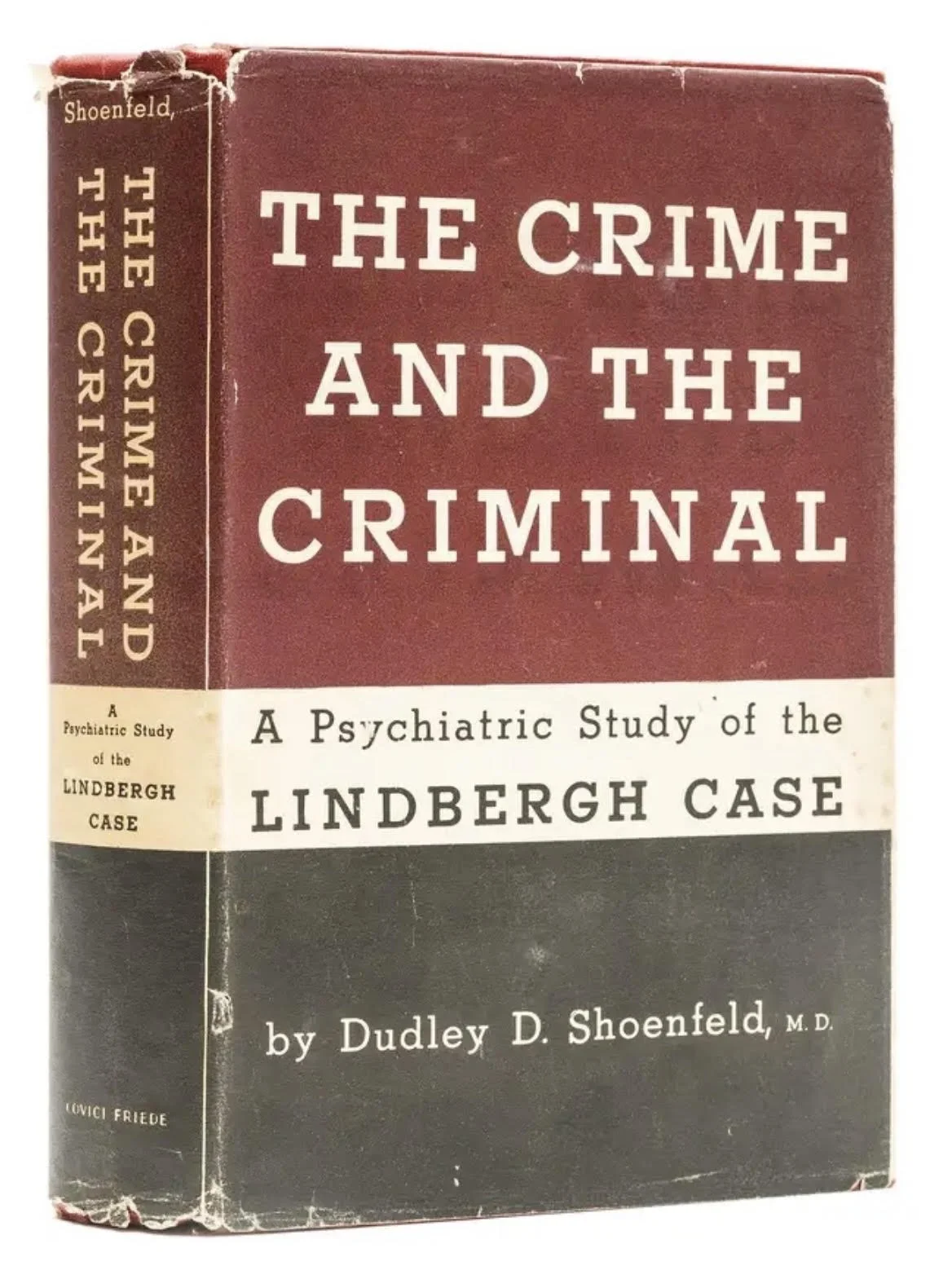
Dudley D. Schoenfeld of Geba Lodge No. 954: Navy Physician and Forensic Psychiatry Pioneer
Navy physician, psychiatrist and founding member of Geba Lodge No. 954, Dudley D. Schoenfeld brought his expertise to the Lindbergh investigation and the landmark La Guardia study. His story connects Queens Freemasonry to military medicine, criminal psychiatry and public-health research.[1]
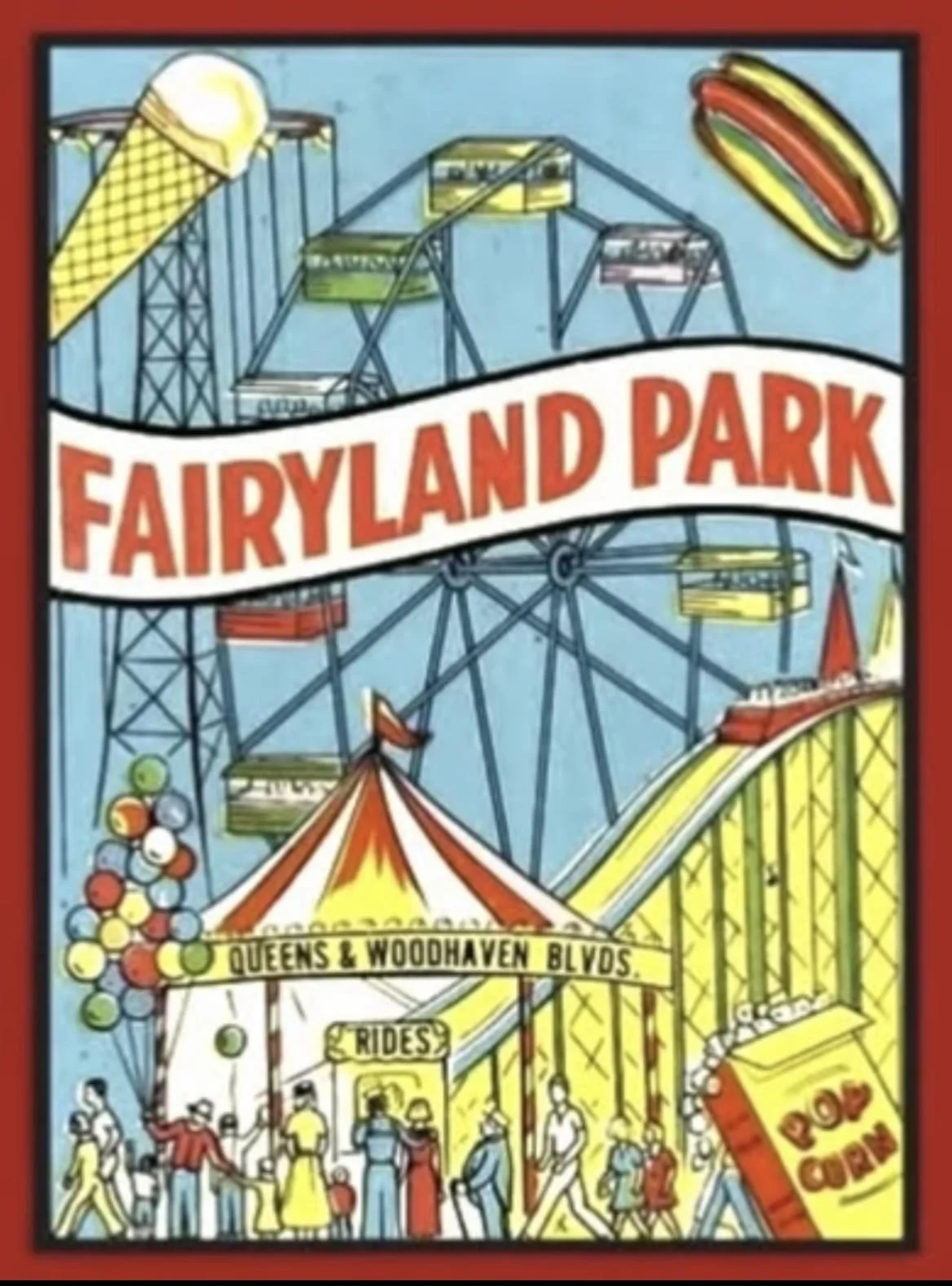
Bernard Berkley of Geba Lodge No. 954: The Mason Who Ran Fairyland on Queens Boulevard
Six weeks after becoming Geba Lodge No. 954’s 660th member, Fairyland co-owner Bernard Berkley welcomed about a hundred children for a day of rides and a free lunch. His story connects Masonic charity to the Elmhurst amusement park that once stood where Queens Center Mall is today.
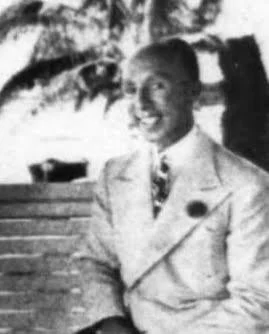
Otto J. Cohen of City Lodge No. 408: The Mason Behind Charles of the Ritz
City Lodge No. 408 remembered R.W. Otto Cohen as a past master and longtime brother. This article explores his possible identification with Otto J. Cohen, the cosmetics executive who helped build Lady Esther and Charles of the Ritz, and the records still needed to confirm that connection.
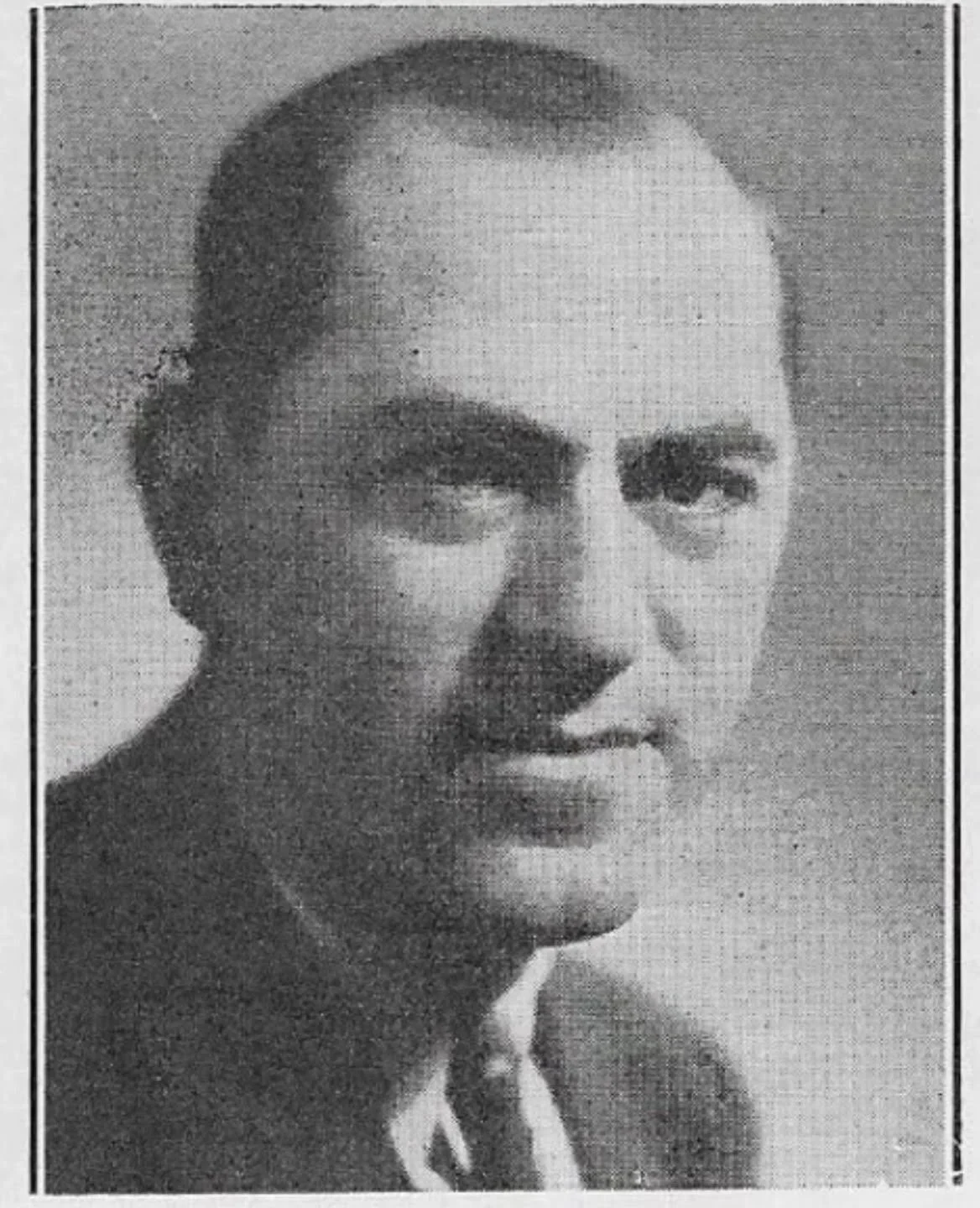
Joseph H. Nadel of City Lodge No. 408: The New York Mason Who Kept Hollywood Running
Raised in City Lodge No. 408 in 1921, Joseph H. Nadel built a film career from New York’s studios to Hollywood. Behind pictures featuring Mae West, Laurel and Hardy, and Jackie Robinson, he helped keep productions running—and worked alongside his son Arthur on D.O.A. and other films.
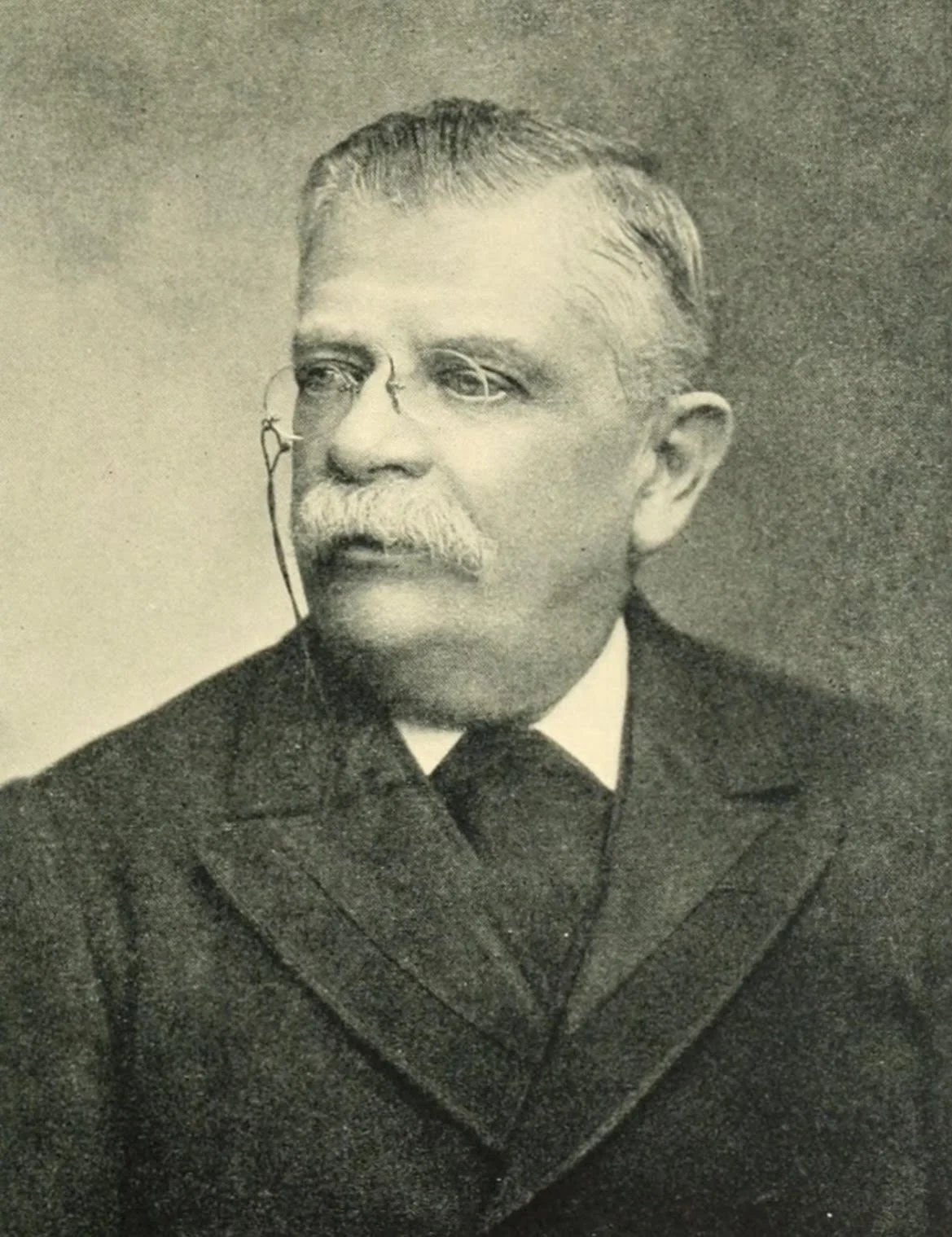
Abram J. Dittenhoefer of City Lodge No. 408: Lincoln's Elector, the Stage's Lawyer and a Charter Brother
A charter member and past master of City Lodge No. 408, Abram J. Dittenhoefer cast an electoral vote for Lincoln, defended an extradited seaman before the Supreme Court and helped reshape American theater law. His long life joined Masonic fellowship to politics, public service and the stage.
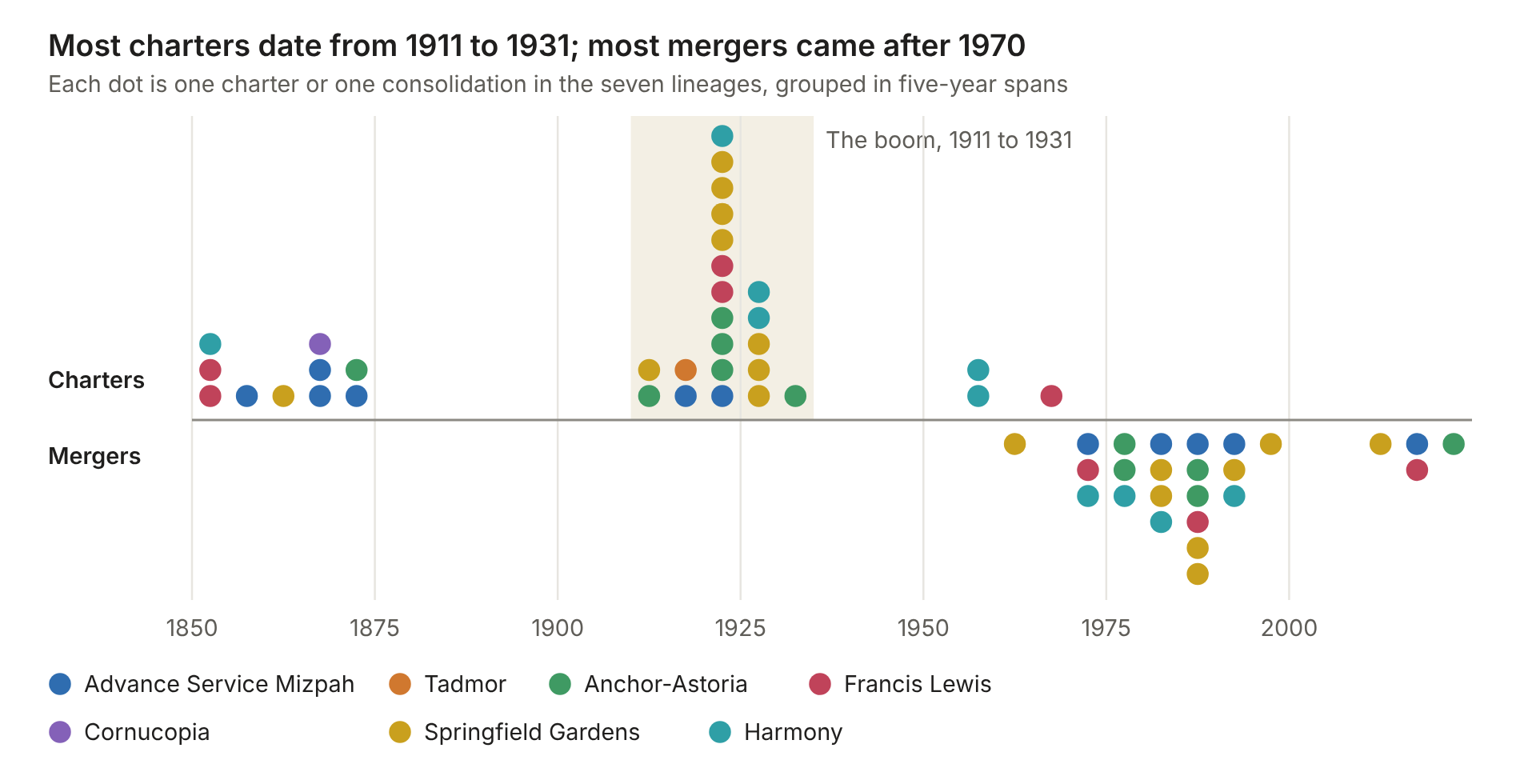
Timeline of the Lodges That Formed Advance Service Mizpah Lodge No. 586
Follow the six lodges that formed Advance Service Mizpah Lodge No. 586, from City Lodge’s 1856 charter in Manhattan to the final consolidation in Astoria in 2018. This timeline traces their charters, temples, moves, and five consolidations.

Service Lodge No. 1009 and the Work of Relief in Flushing
Chartered in Flushing in 1923, Service Lodge No. 1009 built its life around charitable giving, shared ceremonies, and outings that did not always go as planned. Follow its history through lodge bulletins, anniversary journals, and the mergers that carried its name into Advance Service Mizpah Lodge.

City Lodge No. 408: Manhattan Roots in the Lineage of a Queens Lodge
Chartered in Manhattan in 1856, City Lodge No. 408 became the oldest branch in the lineage of Advance Service Mizpah Lodge. Follow its changing meeting rooms, a charity ball for Masons in Cuba, and the consolidations that connected its history to Queens.