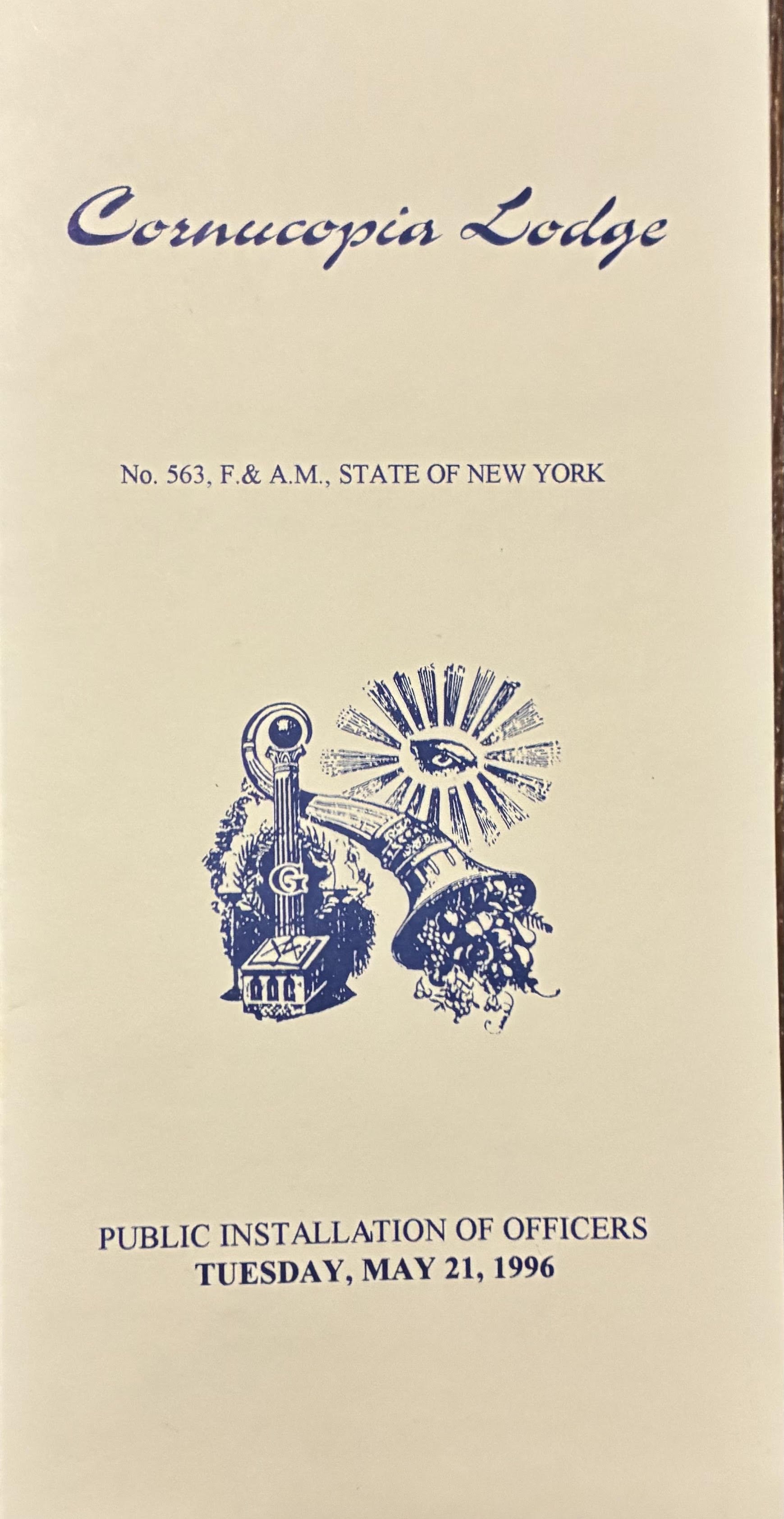
Cornucopia Lodge No. 563: A Historical Members Directory
A growing research directory of deceased members of Cornucopia Lodge No. 563, Flushing’s first lodge. Explore documented lodge roles, brief biographical notes and related articles, with incomplete identities and uncertain affiliations kept separate as research leads.
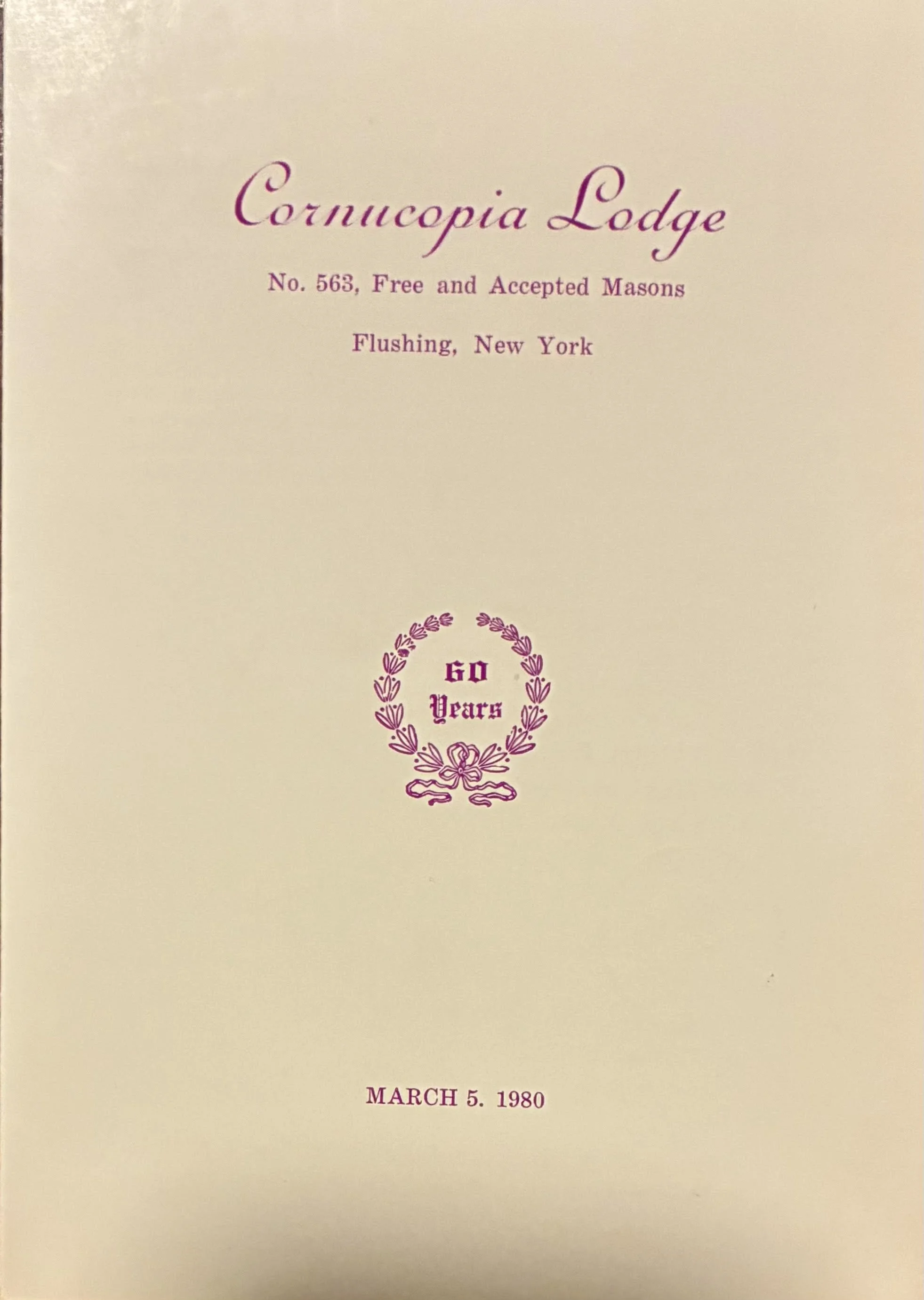
One Charter, Many Connections: Cornucopia Lodge and the Growth of Northeast Queens
Cornucopia Lodge No. 563 has continued without consolidation, but its history reaches into several other Queens lodge lineages. Follow its connections with Anchor, Whitestone, Bayside and Service—and its journey from rented rooms in Flushing to its own temple and a shared meeting place in College Point.
The Tuesday Night Visitors: Cornucopia, Anchor and a Favor Returned
Anchor’s history remembers three Cornucopia brothers who traveled from Flushing on Tuesday nights to help the young College Point lodge. In September 2024, Cornucopia began meeting in Anchor-Astoria’s temple. Follow a relationship spanning generations, from visiting brothers to a shared Masonic home.
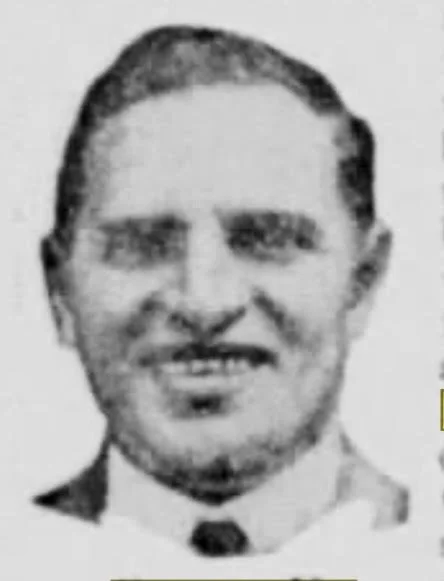
George U. Harvey: Cornucopia’s Master, Queens’ Borough President
George U. Harvey served twice as Master of Cornucopia Lodge No. 563 and also belonged to Mizpah Lodge No. 738. Follow his path from decorated infantry captain to Queens borough president through public-servants’ nights, combative politics and the joint Masonic rites that brought both lodges together at his death.
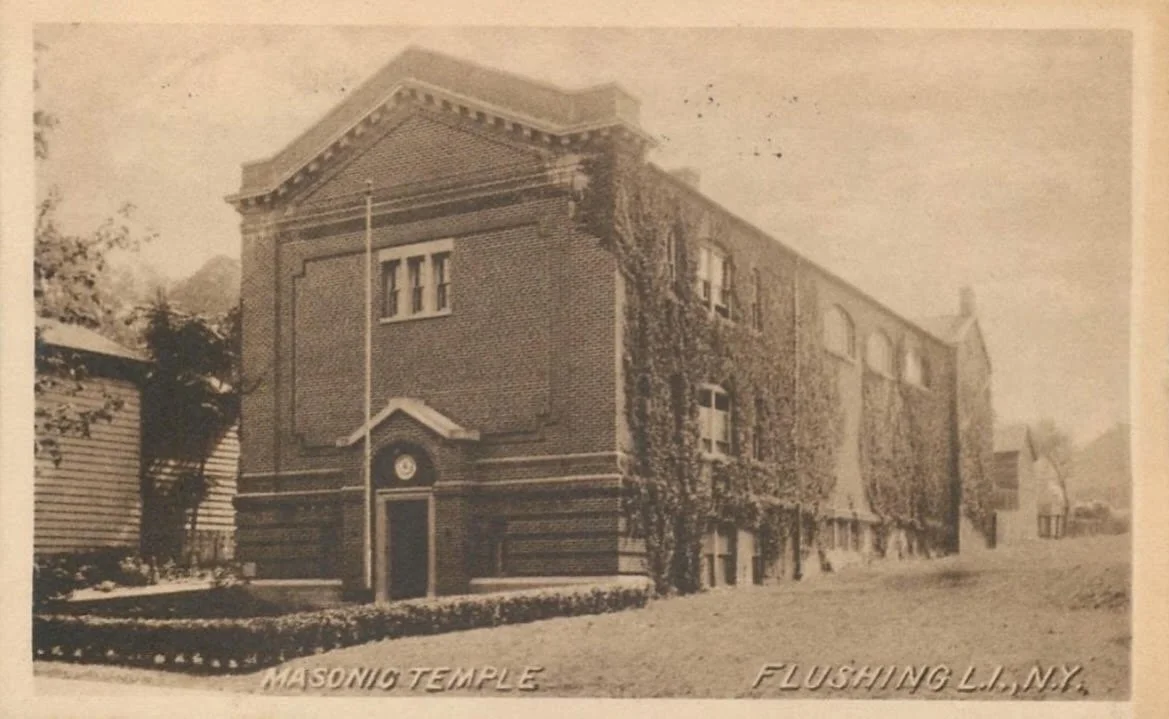
The Flushing Masonic Temple: A Corner Built to Last
Cornucopia Lodge No. 563 built its temple at Northern Boulevard and Union Street in Flushing, beside the armory and near Town Hall and the Friends Meeting House. After decades of lodge meetings, a 1914 pipe organ and later church use, the building was demolished in 2018 without landmark protection.
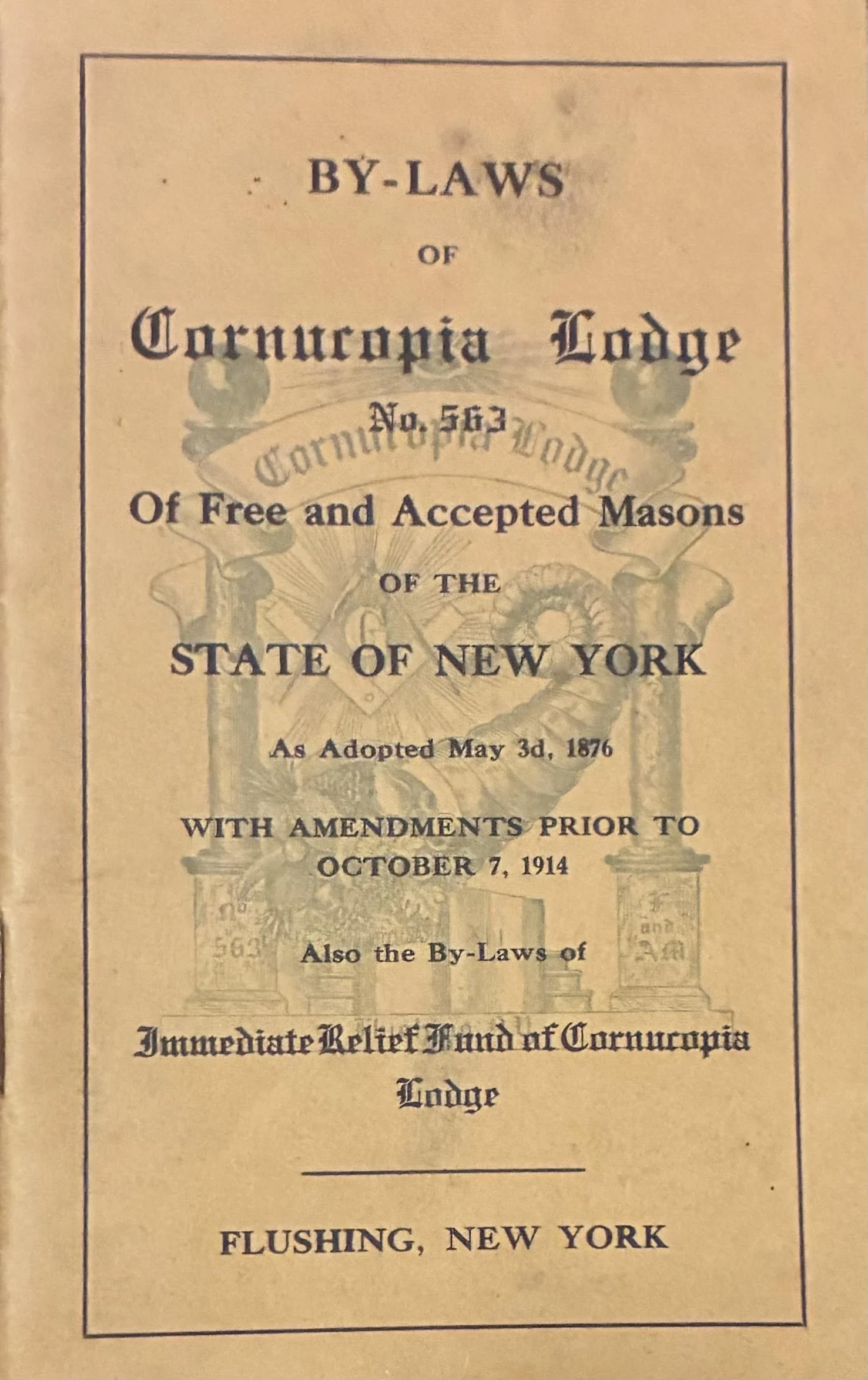
Cornucopia Lodge No. 563: Borrowed Aprons and the Making of Flushing
Cornucopia Lodge No. 563 began in 1864 with borrowed aprons, borrowed bylaws, and rented rooms. Its history follows Flushing’s growth through public ceremonies, charitable work, and members whose careers reached beyond the village. The temple eventually disappeared, but the lodge continued—carrying its Flushing history to a new meeting place in College Point.
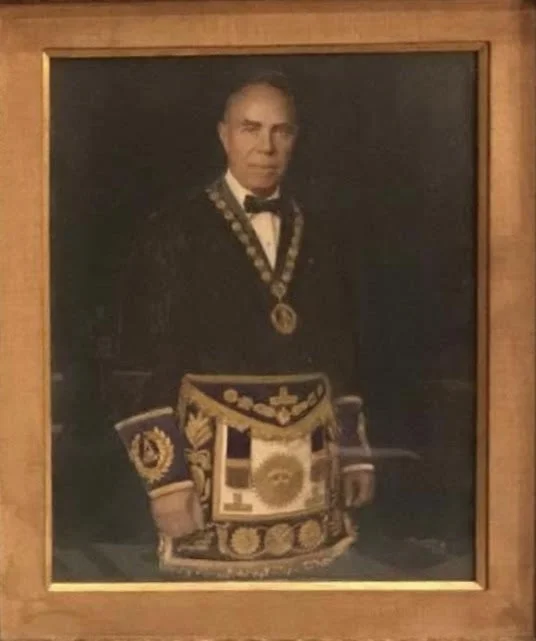
Raymond C. Ellis and Service Lodge No. 1009: The Grand Master Flushing Claimed as a Brother
In 1952, Flushing’s Service Lodge No. 1009 welcomed Raymond C. Ellis as an honorary member. The Brooklyn lawyer went on to become Grand Master of New York Masons and helped bring a medical research laboratory into being in Utica. His story connects a neighborhood lodge’s charitable work with a lasting commitment to medical research.

Service Lodge No. 1009 and the Work of Relief in Flushing
Chartered in Flushing in 1923, Service Lodge No. 1009 built its life around charitable giving, shared ceremonies, and outings that did not always go as planned. Follow its history through lodge bulletins, anniversary journals, and the mergers that carried its name into Advance Service Mizpah Lodge.
From Manhattan to Astoria: The Geography of a Lodge Lineage
Follow the six lodges behind Advance Service Mizpah Lodge from Manhattan’s Grand Street through the waterfront communities and neighborhoods of Queens. This geographic history traces their meeting rooms, temples, ferry connections, and eventual convergence at the Advance temple in Astoria.
Service Lodge No. 1009 Members Directory: Charter Members and Past Members
Explore the historical members of Service Lodge No. 1009 in Flushing, including past Masters, officers, and members. Charter members and individual profiles will be added as records are documented.
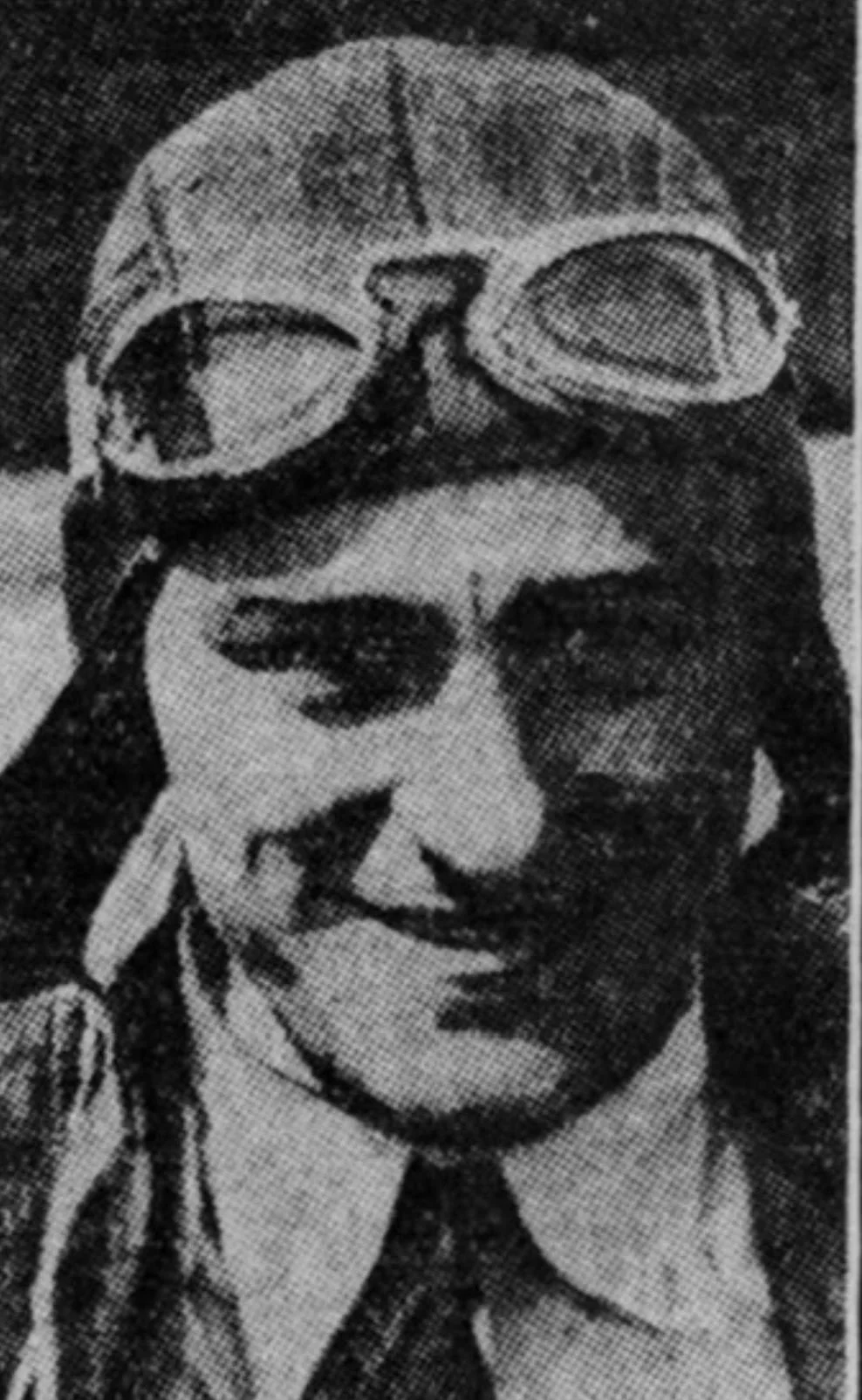
Anthony “Speed” Hanzlik of Advance Lodge No. 635
Anthony “Speed” Hanzlik founded Speed’s Airport in College Point, the airfield that became Flushing Airport, and managed it until his death in 1974. Raised in Advance Lodge No. 635 in 1938, he connected Queens aviation history with the lodge’s membership through a life of flying, testing pilots, and keeping his airfield open.

John Bowne
John Bowne opened his home in Flushing to Quaker worship, defied Peter Stuyvesant, and won a transatlantic fight that helped shape early American religious liberty.

The Flushing Remonstrance: How Queens Helped Write the First Chapter of American Religious Freedom
In 1657, residents of Flushing, Queens challenged colonial authority over the persecution of Quakers. The Flushing Remonstrance became one of the earliest and boldest defenses of religious freedom in American history.

Flushing, Queens: The Remarkable Story of One of New York’s Oldest and Most Revolutionary Neighborhoods
Flushing is one of New York’s oldest neighborhoods, but its story is far more than colonial age. From the Flushing Remonstrance to modern immigration, this Queens neighborhood has repeatedly helped define the city’s future.