Island City Lodge No. 586 and the Laying of Its Cornerstone
On September 8, 1906, Island City Lodge No. 586 laid the cornerstone of its Jackson Avenue temple in Long Island City. Follow the procession from Smithsonian Hall, the plans for a building with stores beneath its lodge room, and the connection to Advance Lodge of Astoria.
Mizpah Lodge No. 738 and the Laying of the Elmhurst Cornerstone
On January 1, 1920, Mizpah Lodge No. 738 laid the cornerstone of its Elmhurst temple, with Robert H. Robinson presiding. Explore the planned building, the Queens lodges invited to attend, and the surviving commemorative trowel.
Advance Lodge No. 635 and the Laying of Its Cornerstone
On November 20, 1915, about 800 Masons marched through Astoria as several thousand spectators followed them to the laying of Advance Lodge No. 635’s cornerstone. Follow the procession, the ceremony led by Grand Master George Freifeld, and the stone that remains beside the temple entrance on 30th Avenue.
James Prowse Jr. and the Cornerstone of Advance Lodge No. 635
One James Prowse donated the cornerstone of Advance Lodge No. 635’s Grand Avenue temple. His son rose through the lodge’s offices before leading Astoria Lodge No. 963. Their records trace a family’s place in Astoria’s Masonic history.
Henry Clay Johnson of Advance Lodge No. 635
Astoria postmaster, New York assemblyman, and state arbitration commissioner Henry Clay Johnson also spent thirty-eight years in Advance Lodge No. 635. Follow his public career and Masonic service to the November 1915 ceremony where he delivered the oration at the cornerstone of the lodge’s new temple.

Corn, Wine, and Oil
Before they became symbols, corn, wine, and oil were goods someone had to grow, process, store, and carry. This eight-essay series follows them through labor, scripture, public Masonic ceremony, and philosophical reflection—keeping historical evidence distinct from interpretation.
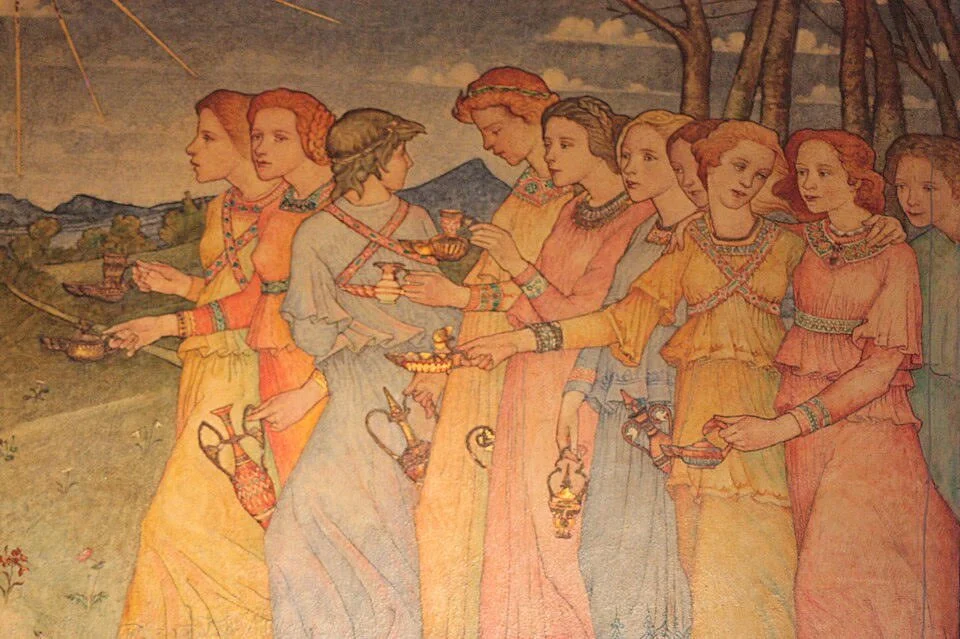
The lamp, the wick, and the person who forgot
A lamp stays lit only because someone tends it. From ancient olive presses to biblical anointing and public Masonic cornerstone ceremonies, this article follows oil as fuel, provision, and an emblem of joy, peace, and comfort—and asks whose unnoticed work keeps our households, friendships, and institutions going.
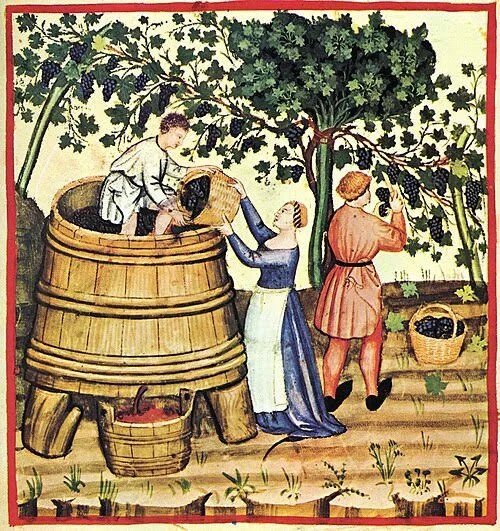
A crop that makes its own decisions
Wine begins with sugar and yeast, but its meanings reach beyond fermentation. From ancient winemaking to scripture and public Masonic cornerstone ceremonies, this article follows wine as a source of refreshment, gladness, and risk—and considers what a cup can teach about hospitality, restraint, and the boundaries we give pleasure.
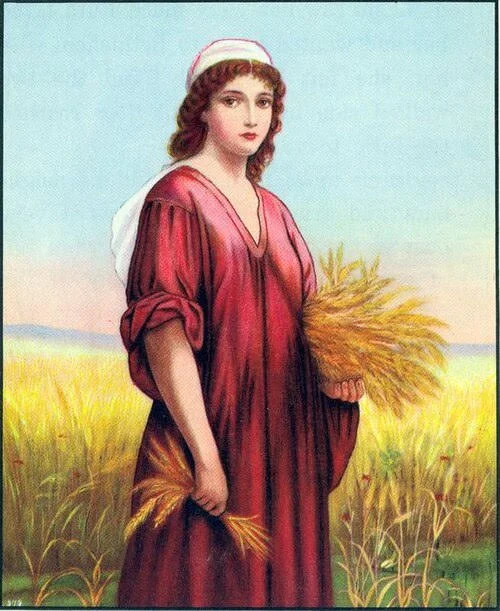
Ears of corn, an ephah of barley
Before corn became a Masonic symbol, it was grain somebody grew, carried, and ground. From Ruth’s gleaning to Britain’s Corn Laws and an 1871 cornerstone ceremony in Albany, this article follows the work behind nourishment—and asks what a symbol of abundance means when food is never equally secure.
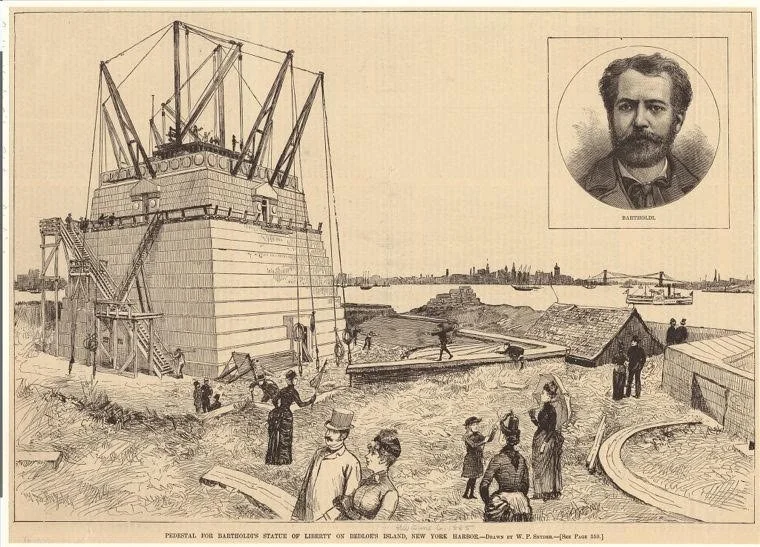
A wet day in Albany
What did corn, wine, and oil mean at a Masonic cornerstone ceremony? An 1871 account from Albany offers a starting point. Following the evidence through public ceremonies at the U.S. Capitol and the Statue of Liberty, this article separates documented practice from symbolic interpretation—and considers what public ritual can, and cannot, tell us.